
Effective winter wellness office ideas in NZ focus on combating Seasonal Affective Disorder (SAD) through engagement and oxytocin-boosting activities. The most impactful strategy for New Zealand businesses during the July slump is implementing Animal-Assisted Therapy interventions, such as puppy wellness sessions, which scientifically reduce cortisol, elevate morale, and encourage team bonding during the dark winter months.
The Winter Challenge: Why NZ Offices Struggle in July
In Aotearoa, the mid-year point presents a unique physiological and psychological challenge for the workforce. While the European summer is in full swing, New Zealanders face short days, wet commutes, and a significant drop in natural Vitamin D exposure. This period, particularly July and August, is often referred to as the “mid-year slump.”
For HR managers and business leaders, this manifests as increased absenteeism, lower productivity, and a tangible dip in office morale. The “winter blues” are not merely a colloquialism; they are often mild to moderate forms of Seasonal Affective Disorder (SAD). When employees arrive at work in the dark and leave in the dark, the circadian rhythms that regulate energy and mood are disrupted.
To combat this, standard initiatives like flu vouchers or a bowl of oranges are no longer sufficient to move the needle on employee engagement. Modern winter wellness office ideas NZ businesses need must be experiential, disruptive (in a positive sense), and chemically potent enough to counteract the gloom. This is where the commercial integration of Animal-Assisted Therapy (AAT) shifts from a novelty to a strategic wellness asset.

The Science of Animal-Assisted Wellness
Why prioritize animal interactions over a mindfulness app subscription? The answer lies in neurochemistry. When we talk about “winter wellness,” we are essentially trying to hack the brain’s reward system to produce more serotonin, dopamine, and oxytocin.
The Oxytocin Effect
Research consistently demonstrates that interaction with friendly animals—specifically dogs—triggers a release of oxytocin, often called the “love hormone” or “bonding hormone,” in humans. This biological response lowers cortisol (stress hormone) levels and blood pressure almost immediately. In a high-stress office environment during the dreary winter months, a 20-minute session with therapy dogs can provide a physiological reset that a coffee break cannot achieve.
Breaking Social Barriers
Winter tends to make employees more insular. We hunker down, wear headphones, and interact less. Animals act as “social lubricants.” When a therapy dog enters an office, hierarchies dissolve. The CEO and the intern are suddenly on the same level, bonding over the animal. This fosters psychological safety and improves communication flows, which often stagnate mid-year.
Top Winter Wellness Office Ideas NZ
If you are looking to procure services or design a strategy for this winter, the following initiatives are ranked by impact on morale and engagement.
1. Corporate Puppy Therapy Sessions
This is the gold standard for immediate morale boosting. Commercial providers of animal-assisted therapy can bring a litter of socialized puppies or a team of trained therapy dogs into the workplace.
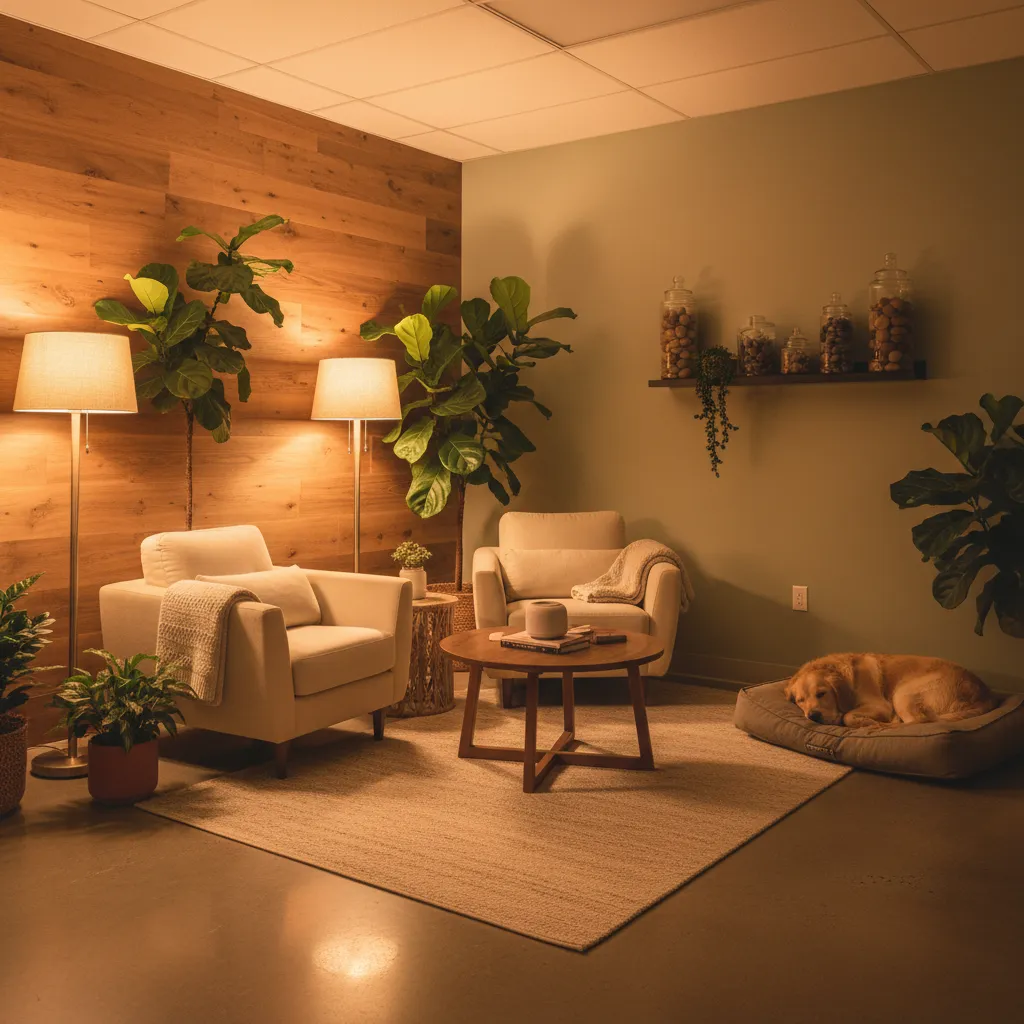
- The Concept: A designated “chill zone” is set up where employees book 15-minute slots to sit, play, and cuddle with animals.
- The Benefit: Immediate stress reduction and high-level excitement that breaks the monotony of the winter work week.
- Commercial Application: These are often booked as half-day or full-day events to coincide with mental health awareness days or mid-winter celebrations like Matariki.
2. “Paws and Pause” Mental Health Workshops
Combine traditional mental health education with animal companionship. A clinical psychologist or wellness expert delivers a seminar on resilience and burnout prevention, accompanied by therapy dogs.
- Why it works: Mental health seminars can be dry or intimidating. The presence of dogs lowers defenses, making employees more receptive to the message and more willing to participate in the conversation.

3. The “Walking Meeting” Initiative
Encourage teams to take meetings outside, even in winter (weather permitting), accompanied by a therapy dog handler. This combines movement, fresh air, and animal interaction.
Indoor Activation: Beyond the Fruit Bowl
When the weather in Wellington or Auckland is horizontal rain, outdoor activities are off the table. Indoor activations must be engaging enough to pull people away from their desks.
Desk-Side Visits
For busy firms where employees cannot leave their stations for long periods (e.g., law firms, call centers), roving therapy dog teams are highly effective. The handler moves through the office, allowing for 2-3 minute micro-interactions. This provides a “brain break” that resets focus without disrupting workflow.
Sensory Wellness Rooms
Transform a meeting room into a sensory sanctuary. This package usually involves:
- Lighting: SAD lamps (light therapy boxes) that mimic sunlight.
- Sound: Biophilic soundscapes (forest or ocean sounds).
- Touch: The presence of a calm therapy animal for tactile grounding.
This multi-sensory approach addresses the physical lack of light while providing emotional support through animal connection.
Structuring Wellness Packages for the Mid-Year Slump
For businesses looking to invest in a comprehensive solution, purchasing a “Winter Wellness Package” is often more cost-effective and impactful than ad-hoc booking. Here is how a structured program for July and August should look.
The “July Jumpstart” Package
Goal: To kick off the second half of the year with high energy.
- Week 1: Kick-off event with a Puppy Therapy morning tea.
- Week 2: Educational workshop: “Beating the Winter Blues” (Nutrition and Sleep focus).
- Week 3: Roving therapy dog visits (Desk-side support).
- Week 4: Team lunch with a “Yappy Hour” (socializing with therapy dogs present).
The “Matariki Mindfulness” Package
Goal: Reflection, reset, and connection.
- Focus on calm, older therapy dogs rather than energetic puppies.
- Guided mindfulness meditation sessions where employees sit with a hand on a breathing dog.
- Emphasis on connection to nature and community.
Logistics: Bringing Animals into the Workplace
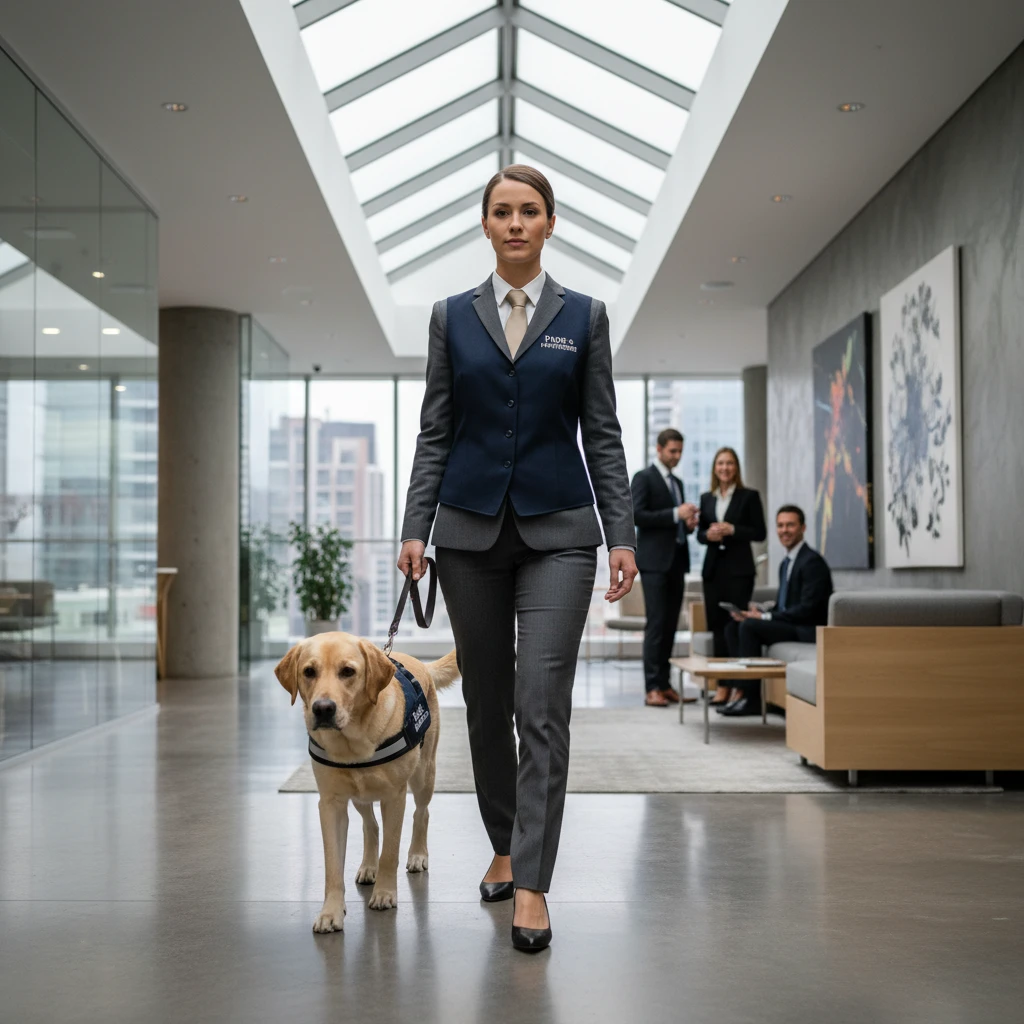
Implementing animal-assisted therapy requires professional oversight. It is not as simple as asking staff to bring their pets from home, which can lead to liability issues, allergies, and conflicts.
Why Professional Providers are Essential
When searching for “winter wellness office ideas nz,” it is critical to distinguish between “pet-friendly policies” and “animal-assisted therapy.”
- Insurance and Liability: Professional providers carry public liability insurance specifically for animal interactions in corporate spaces.
- Temperament Testing: Therapy animals are rigorously tested for temperament. They remain calm in elevators, around loud noises, and with strangers.
- Hygiene: Professional therapy dogs are groomed to high standards to minimize dander and allergens, and handlers are trained to manage any hygiene incidents immediately.
- Inclusion: Providers manage the space to ensure those with phobias or allergies are respected and can opt-out without feeling excluded from the office environment.
Conclusion: Investing in Winter Resilience
The winter months in New Zealand do not have to be a time of hibernation and low productivity. By actively combating the mid-year slump with innovative, science-backed initiatives like Animal-Assisted Therapy, companies can turn July into a month of connection and revitalization. Investing in these packages is an investment in the resilience of your workforce, ensuring that your team emerges from winter energized and ready for the final quarter of the year.
People Also Ask
What are the best winter wellness ideas for NZ offices?
The best ideas combine mental health support with morale-boosting activities. Top choices include Animal-Assisted Therapy (puppy sessions), bringing in SAD light therapy lamps, organizing mid-winter Christmas potlucks, and hosting wellness workshops focused on sleep and nutrition during the darker months.
How does animal therapy improve office morale?
Animal therapy improves morale by triggering the release of oxytocin and dopamine in the brain. These chemicals reduce stress and anxiety while increasing feelings of happiness and trust. Furthermore, animals act as social catalysts, encouraging employees to interact with colleagues they might not usually speak to, strengthening team bonds.
Is it expensive to hire therapy dogs for a corporate event?
Costs vary depending on the provider and the duration of the event, but it is generally considered a high-value investment compared to other team-building activities. Packages can range from a few hundred dollars for a one-hour session to larger retainers for ongoing wellness programs. The ROI comes in the form of reduced absenteeism and higher employee retention.
How do we handle staff with dog allergies?
Professional Animal-Assisted Therapy providers are experienced in managing allergies. Sessions are typically held in a designated, enclosed area (like a meeting room) rather than open-plan spaces. This allows staff with allergies to avoid the area completely. Additionally, therapy dogs are groomed to minimize dander.
Can we just bring our own pets to work instead?
While pet-friendly policies are great, they differ from therapy sessions. Bringing personal pets can introduce liability risks, behavioral issues, and hygiene concerns if the animals are not temperament-tested for corporate environments. Professional therapy dogs are specifically trained to handle the stress and stimuli of an office setting safely.
What is the best month to host a winter wellness event in NZ?
July is arguably the most critical month for wellness interventions in New Zealand. It is typically the coldest and darkest month, and it falls right in the middle of the year when fatigue sets in. Hosting events in July (or early August) provides a much-needed boost before spring arrives.