
The benefits of dogs in dental clinics center on their ability to significantly lower patient cortisol levels and heart rate through animal-assisted therapy. These specially trained therapy dogs provide a non-judgmental, calming presence that distracts from procedural anxiety, reduces treatment refusal rates, and fosters a positive association with dental care, particularly for pediatric and phobic patients.
Dental anxiety is a pervasive barrier to oral healthcare, affecting a significant portion of the population in New Zealand and globally. For many, the mere sound of a drill or the clinical smell of a surgery triggers a fight-or-flight response. Integrating therapy dogs into dental practices is emerging as a scientifically backed solution to bridge the gap between clinical necessity and patient emotional well-being. This article explores the operational, clinical, and marketing advantages of this innovative approach.
How do dogs reduce patient fear and refusal?
The primary benefit of introducing dogs into a dental setting is the physiological and psychological de-escalation of fear. Dental anxiety often manifests as avoidance behavior, where patients delay treatment until acute pain forces intervention. This cycle of avoidance and emergency treatment reinforces trauma.
Therapy dogs function as a “social catalyst” and an emotional anchor. When a patient interacts with a friendly dog, the human brain releases oxytocin—often called the “love hormone.” This neurochemical reaction directly counters the production of cortisol, the stress hormone associated with anxiety. Research indicates that even short interactions with a therapy dog can lower blood pressure and heart rate, creating a baseline state of calm before the patient even sits in the dental chair.
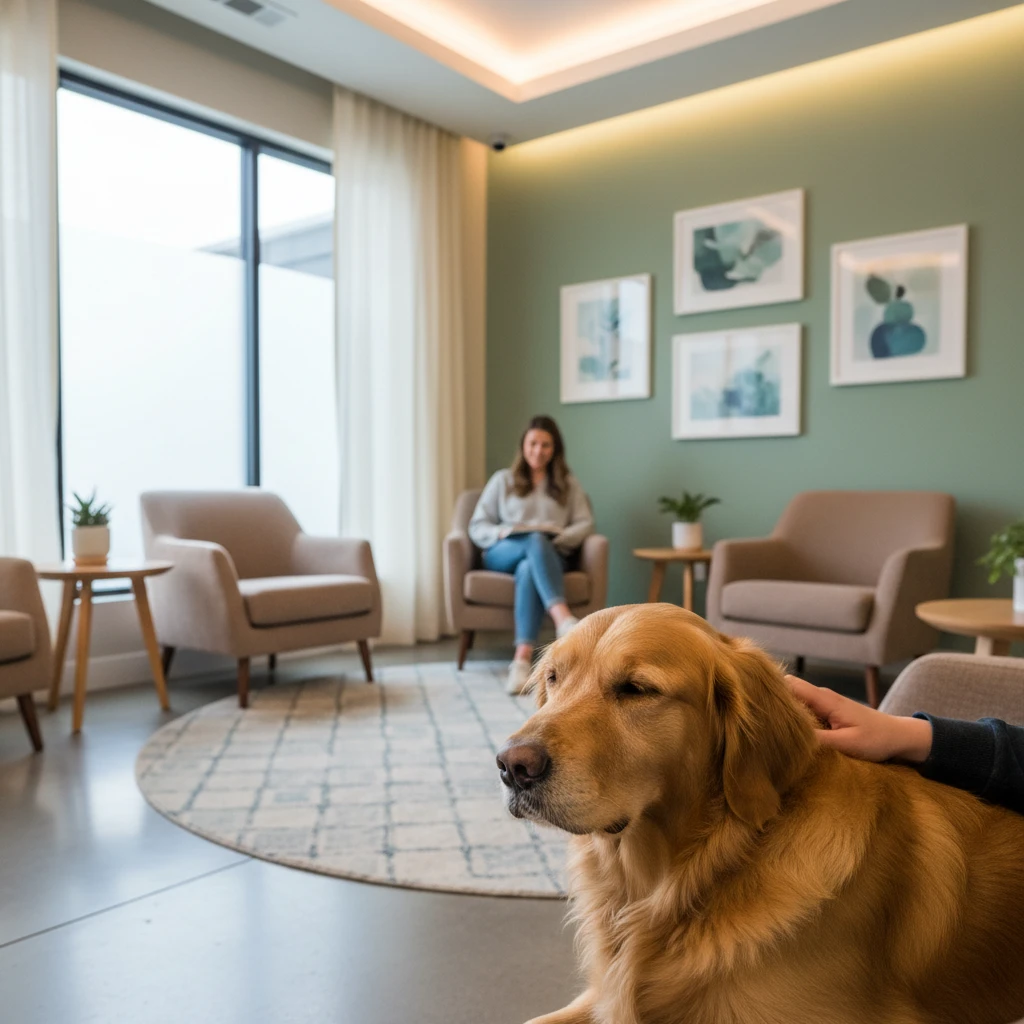
Furthermore, the presence of a dog alters the sensory experience of the clinic. The sterile, sometimes intimidating environment becomes warmer and more domestic. For patients with high sensory sensitivity or conditions such as autism spectrum disorder (ASD), a dog provides a focal point for attention, distracting them from the auditory and visual triggers of dental instruments. This distraction technique is passive yet highly effective, allowing the dental practitioner to perform procedures that might otherwise require sedation or nitrous oxide.
Creating Psychological Safety
Refusal of treatment often stems from a feeling of loss of control. A therapy dog offers a sense of companionship and unconditional support. Patients report feeling “protected” or “accompanied” rather than isolated in their vulnerability. In New Zealand, where the “she’ll be right” attitude can sometimes mask deep-seated medical phobias, the disarming nature of a dog allows patients to let their guard down without feeling embarrassed about their fear.
What are the protocols for dental surgery environments?
While the benefits are clear, integrating animals into a clinical environment requires strict adherence to health and safety protocols. In New Zealand, dental practices must comply with the Dental Council of New Zealand (DCNZ) standards for infection prevention and control, as well as the Health and Safety at Work Act 2015.
Zoning and Access Control:
Not every area of a dental clinic is appropriate for a therapy dog. A robust protocol involves establishing “Clean Zones” and “Dog-Friendly Zones.” Typically, the waiting room and consultation areas are dog-friendly. However, the sterilization room and the immediate proximity to the sterile field during invasive surgery (like implant placement) are usually restricted. If a dog is present during a procedure, they should be positioned away from the aerosol spray radius or placed on a specific mat that is easily sanitized.
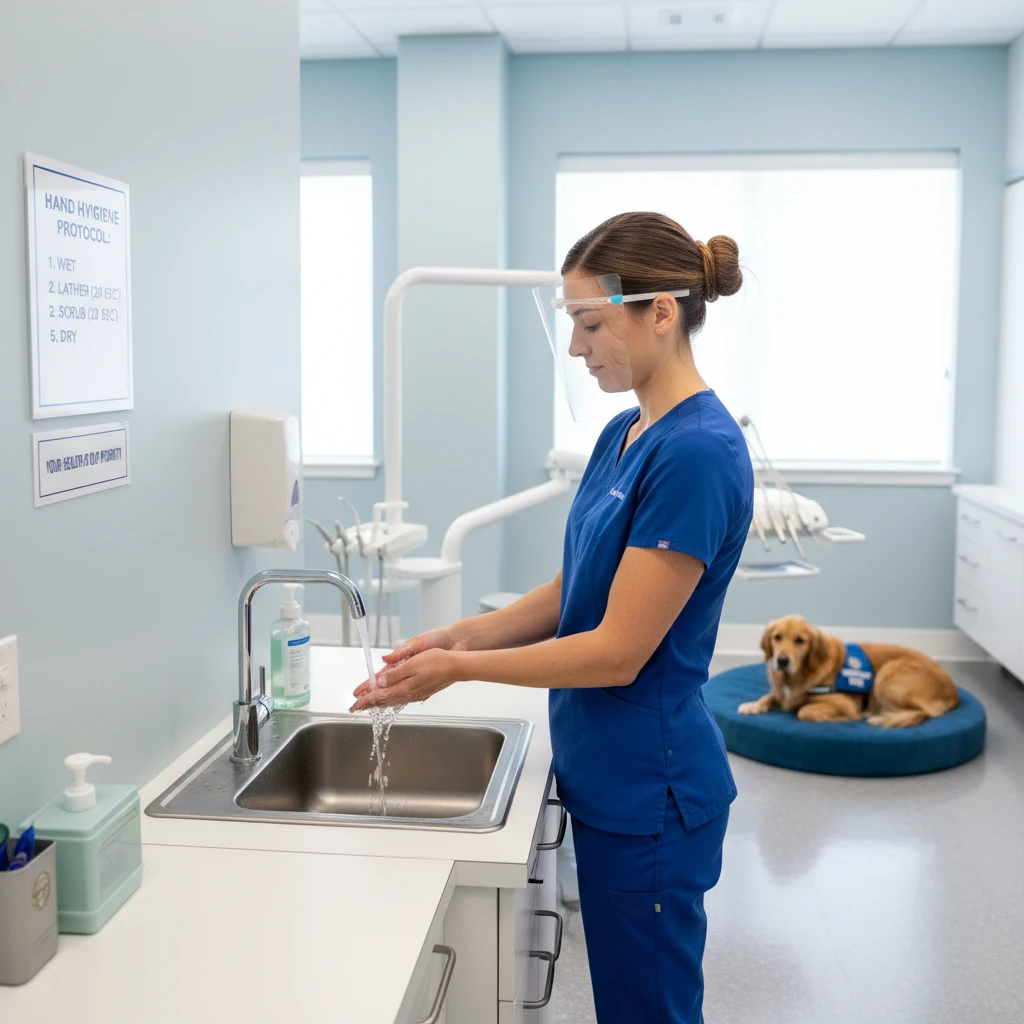
Infection Control Measures:
To maintain clinical sterility, the following protocols are essential:
- Hand Hygiene: Both staff and patients must sanitize their hands immediately after touching the animal and before any clinical interaction.
- Drapes and Barriers: If a dog is allowed on a patient’s lap (common with small breeds), a disposable, impermeable barrier drape must be placed over the patient’s clothing to prevent hair or dander transfer.
- Regular Grooming: The therapy dog must be groomed regularly to minimize shedding and dander. They should be bathed and brushed before entering the clinic.
- Vaccinations and Health Checks: The dog must be fully vaccinated, wormed, and free of ectoparasites (fleas/ticks). Records should be kept on-site for inspection.
Allergy Management:
Clinics must have a protocol for patients with dog allergies. This includes high-efficiency particulate air (HEPA) filters running continuously to remove allergens from the air, and a system to flag patient files so the dog can be removed from the area well before an allergic patient arrives.
Case Studies: The impact on pediatric dentistry
Pediatric dentistry presents unique challenges, as children often lack the emotional regulation skills to handle fear. Refusal behavior in children—crying, clamping the mouth shut, or physical resistance—can make treatment impossible. Therapy dogs have shown remarkable success in these scenarios.
Consider the case of “dental acclimatization.” For a child’s first visit, the goal is often just to count teeth and clean them. A therapy dog can be used to model good behavior. The dentist might “check” the dog’s teeth first (using a toy mirror), showing the child that the process is painless. This observational learning reduces the fear of the unknown.

Behavioral Interruption:
In instances where a child begins to panic, the dog can serve as a behavioral interrupter. The tactile sensation of stroking soft fur grounds the child. Dentists can use the dog as a reward system: “If we can finish cleaning these two teeth, you can give Barnaby a treat.” This shifts the focus from the unpleasant procedure to the positive reward.
Parents in New Zealand are increasingly seeking out “fear-free” certified clinics. A clinic that successfully treats a child who was previously kicked out of other practices for non-compliance gains immense loyalty. The dog becomes the primary reason the child is willing to return, transforming a traumatic biannual event into a visit to see a friend.
Marketing your anxiety-free clinic
In a competitive dental market, having a therapy dog is a powerful Unique Selling Proposition (USP). It signals to potential patients that your practice prioritizes comfort and mental well-being, not just clinical outcomes.
Visual Storytelling:
Content featuring animals performs exceptionally well on social media platforms. Sharing photos of your therapy dog “working” (wearing a bandana, sitting by the reception desk, comforting a patient) humanizes the brand. It softens the clinical image of dentistry. Instagram Reels or TikToks showing the dog’s morning routine at the clinic can garner significant local engagement.
Targeting the Phobic Niche:
Your marketing copy should specifically target keywords related to dental anxiety. Phrases like “gentle dentistry,” “anxiety-free dental care,” and “therapy dog available” should be prominent on your website. Create a dedicated landing page explaining the benefits of the therapy dog, introducing the dog by name and bio, and explaining their training credentials. This builds trust before the patient even calls to book.

Community Engagement:
Bring your therapy dog to local schools or community events to talk about oral health. This not only educates the community but also introduces the dog to children in a neutral, non-threatening environment. When those children eventually need a dentist, they will ask to go to the place with the dog they met.
Implementing Animal-Assisted Therapy in NZ
For New Zealand dental practices looking to implement this, the path involves more than just bringing a pet to work. It requires formal assessment and insurance alignment.
Training and Certification
While NZ does not have a single governing body for therapy dogs in private practice, utilizing organizations like Therapy Dogs New Zealand or St John (though typically for hospitals/rest homes) for temperament testing is advisable. A “Canine Good Citizen” certificate is a minimum baseline. The dog must be desensitized to high-pitched noises (drills), strong smells (antiseptics), and sudden movements.
Insurance and Liability
You must notify your public liability insurer. Most insurers will require a risk management plan that details how interactions are supervised. You may need an addendum to your policy to cover animal-inflicted injuries (however minor, like a scratch) or slips/trips caused by the animal.
Staff Training
The entire dental team must be on board. Staff need training on canine body language to recognize if the dog is becoming stressed or tired. A tired dog is less tolerant, so mandatory rest periods and a “safe space” crate or room where the dog can retreat are vital for the animal’s welfare.
People Also Ask
Can therapy dogs go into the actual dental surgery room?
Yes, therapy dogs can enter dental surgery rooms, but they are typically restricted from the sterile field. They often sit on a designated mat or chair away from instruments. Strict hygiene protocols, such as using barrier drapes and air purifiers, are enforced to maintain a clean environment.
What happens if a patient is allergic to the dental therapy dog?
Dental clinics with therapy dogs usually have strict protocols for allergies. This includes using HEPA air filters, rigorous cleaning schedules, and ensuring the dog is removed from common areas well before an allergic patient arrives. Patients are typically asked about allergies during booking.
Are therapy dogs in dental clinics sanitary?
Yes, when managed correctly. Therapy dogs in medical settings undergo strict grooming and health checks (vaccinations, parasite control). Staff and patients are required to sanitize hands after contact, and the clinical environment is cleaned with hospital-grade disinfectants to prevent cross-contamination.
What breed of dog is best for a dental clinic?
Hypoallergenic breeds like Poodles, Labradoodles, or Goldendoodles are popular due to reduced shedding. However, temperament is more important than breed. Golden Retrievers and Labradors are often chosen for their calm, patient, and friendly nature, which is essential for therapy work.
Do I have to pay extra to have a therapy dog at my appointment?
Generally, no. Most dental clinics view the therapy dog as a value-added service to improve patient comfort and retention. It is considered part of the clinic’s unique approach to customer care rather than a billable line item.
How do therapy dogs help with the fear of needles?
Therapy dogs provide a powerful distraction known as “tactile grounding.” By petting the dog during the injection, the patient’s brain focuses on the sensation of the fur rather than the needle. The release of oxytocin also helps lower the pain threshold and reduce the panic response.