
Family therapy with dogs NZ, often referred to as canine-assisted family counseling, integrates trained therapy dogs into systemic psychotherapy to support Taha Whānau (family well-being). These therapy dogs act as non-judgmental emotional buffers, helping family members lower defense mechanisms, regulate anxiety, and facilitate difficult communication, ultimately fostering safer connections and resolving inter-generational conflict.
The Taha Whānau Approach to Animal Assisted Therapy
In Aotearoa New Zealand, the concept of Taha Whānau (family health) is a cornerstone of the Te Whare Tapa Whā model of health. It emphasizes that an individual’s well-being is intrinsically linked to the strength and harmony of their family unit. However, modern stressors, trauma, and communication breakdowns can fracture these essential bonds. This is where family therapy with dogs NZ offers a unique, restorative pathway.
Traditional talk therapy can sometimes feel intimidating, particularly for children, teenagers, or reluctant partners. The clinical setting may inadvertently create a sense of pressure. Incorporating a therapy dog changes the atmosphere instantly. The dog does not care about who is “right” or “wrong” in an argument; they care about safety and connection. By focusing on Taha Whānau through the lens of Animal Assisted Therapy (AAT), clinicians can bypass intellectual defenses and work directly with the emotional core of the family unit.
Why Involve the Whole Family?
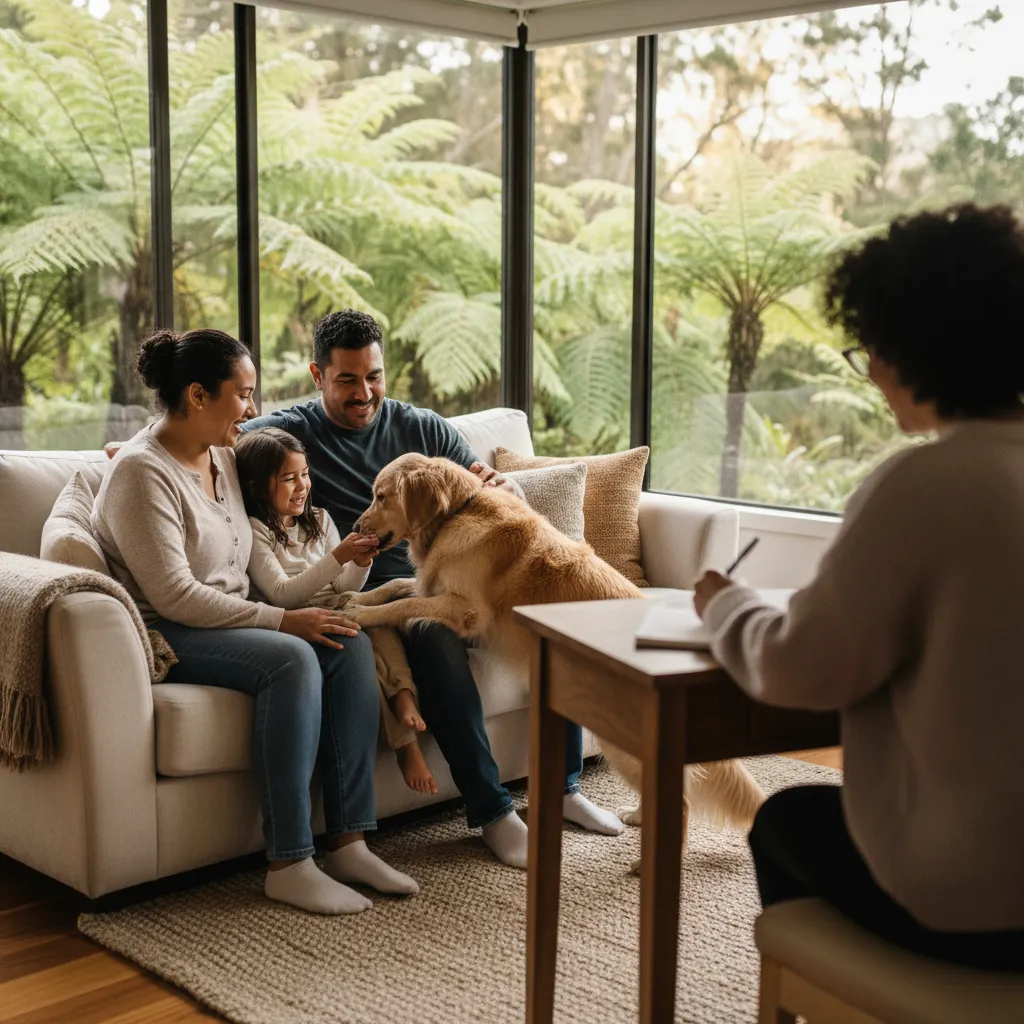
Systemic therapy operates on the belief that a family is an interconnected organism. If one member is struggling, the whole system feels the vibration. Bringing the entire whānau into the room allows the therapist to observe dynamics in real-time. When a dog is introduced, these dynamics often shift:
- The Identifier Patient Shift: Often, one child is seen as the “problem.” A dog distributes attention equally, removing the spotlight from the struggling individual and normalizing the environment.
- Shared Positive Experience: Families in crisis often lack recent positive shared memories. Interacting with a playful or calm dog creates an immediate, shared moment of joy, rebuilding the foundation of Taha Whānau.
- Non-Verbal Communication: Families learn to read the dog’s body language, which often mirrors the emotional state of the room, teaching them to become more attuned to each other’s non-verbal cues.
How Dogs Act as Social Bridges in Therapy
One of the primary barriers in family counseling is the “wall of silence” or defensive argumentation. Therapy dogs serve as powerful social bridges (also known as social lubricants) that span the gap between estranged family members.
The Triangulation Effect
In psychology, triangulation is usually negative (e.g., two parents putting a child in the middle). However, in AAT, we utilize therapeutic triangulation. Instead of a direct, confrontational line of communication between a parent and a teenager, the communication flows through the dog. For example, a teenager might find it impossible to look their father in the eye and say, “I feel hurt.” However, they might be able to pet the dog and say, “It’s scary when there is yelling, isn’t it, Rover?”
This indirect method allows difficult truths to be spoken without the immediate threat of rejection or counter-argument. The dog absorbs the emotional intensity, allowing the listening family member to hear the message rather than the tone.
Breaking the Ice and Reducing Stigma
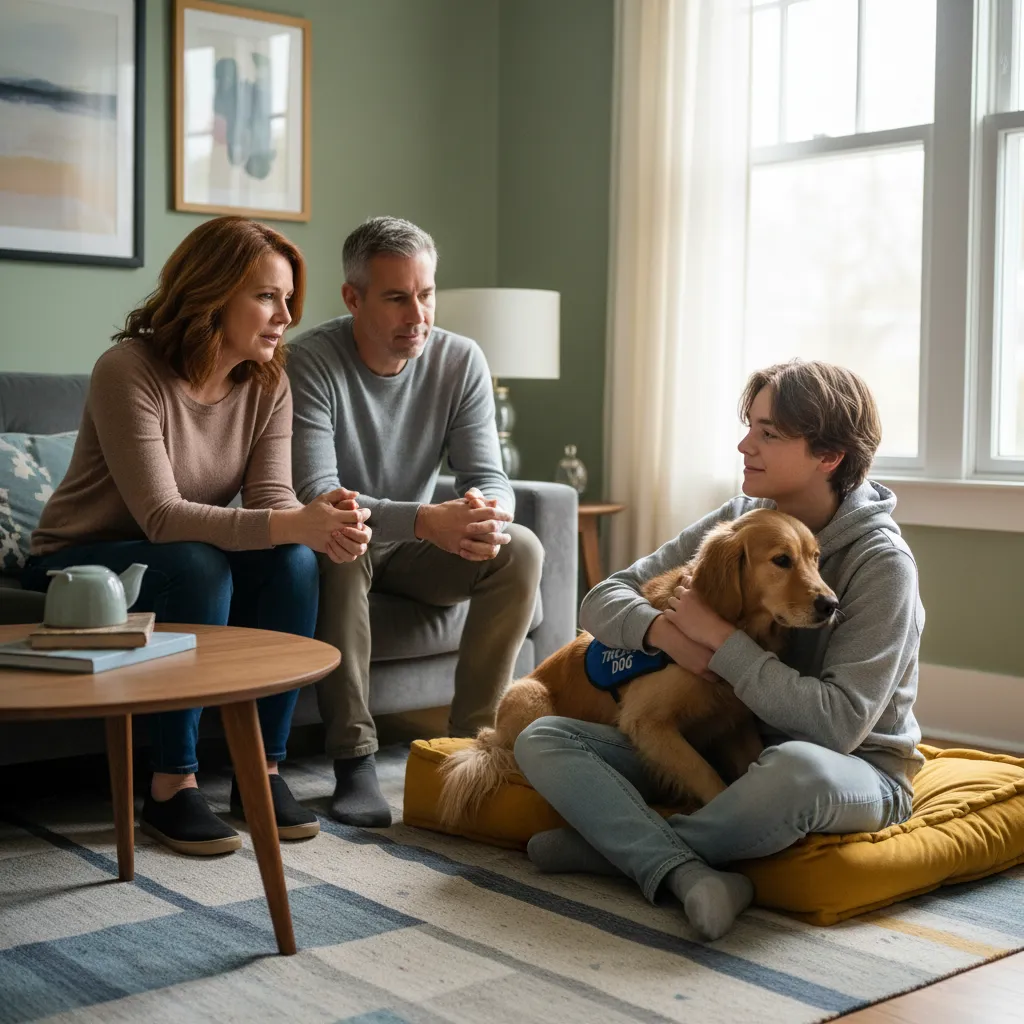
For many Kiwi men and youth, the idea of “therapy” carries a stigma of weakness. Family therapy with dogs NZ reframes the experience. It becomes less about “fixing what is broken” and more about an interaction. The presence of a dog normalizes the environment, making it feel more like a living room visit than a clinical procedure. This reduction in initial resistance is critical for the success of short-term interventions.
Resolving Conflict Through Animal Mediation
High-conflict families often suffer from dysregulation. When cortisol levels (stress hormones) are high, the prefrontal cortex—the part of the brain responsible for logic and empathy—shuts down. Constructive dialogue becomes impossible. Therapy dogs are experts at co-regulation.
De-escalation Techniques
Therapists utilizing dogs in New Zealand are trained to use the animal’s presence to de-escalate rising tensions. If voices are raised, a therapy dog may display displacement behaviors (yawning, shaking off) or seek comfort. The therapist can pause the session and ask, “Look at how the dog is reacting to the energy in the room right now. What is he telling us?”
This externalizes the conflict. The family stops fighting each other and starts collaborating to make the environment safe for the dog. In doing so, they inadvertently make the environment safe for themselves. This creates a physiological reset, allowing the family to return to the conversation from a place of calm rather than aggression.
Modeling Empathy and Boundaries
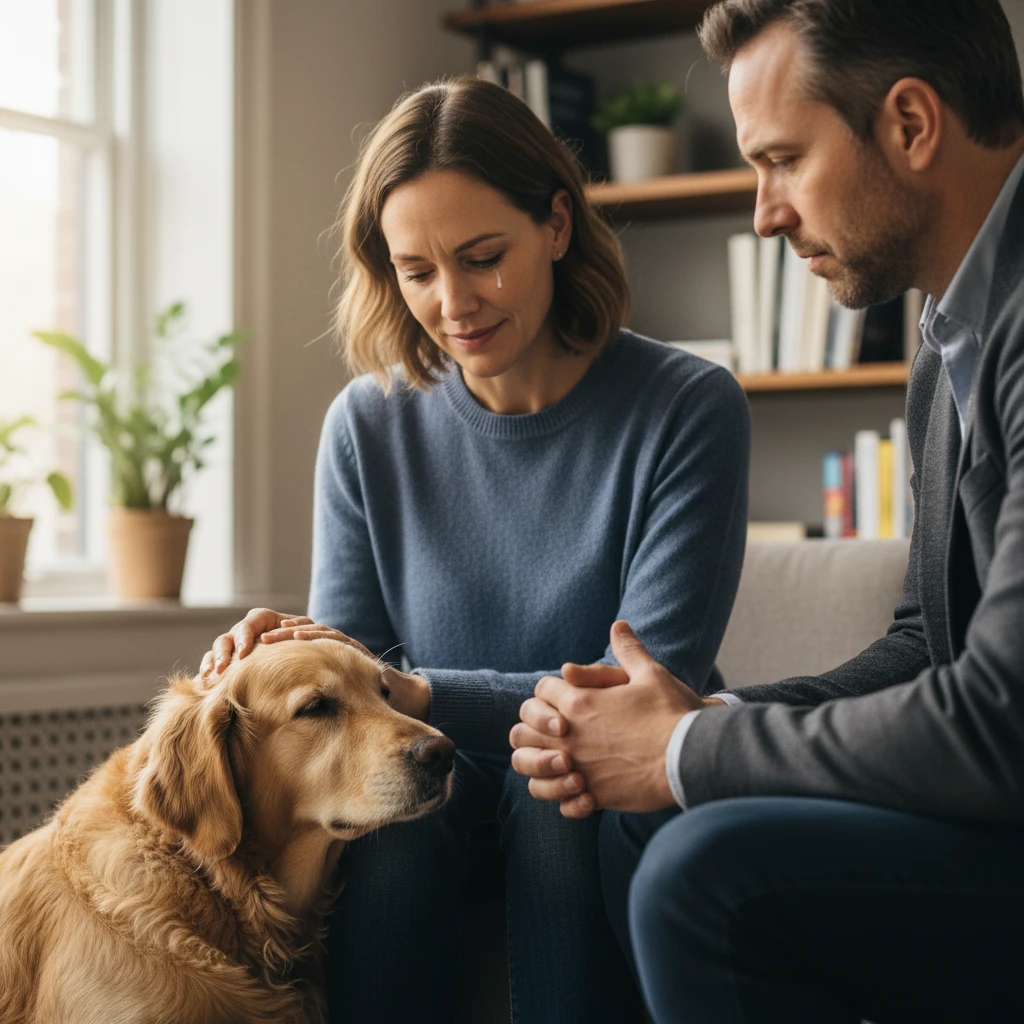
Dogs are excellent teachers of boundaries. If a family member is too rough or loud, the dog withdraws. If they are calm and inviting, the dog approaches. This provides immediate, unbiased feedback on behavior. For children with behavioral challenges or parents with anger management issues, this bio-feedback is often more effective than a therapist’s verbal correction. It teaches that calmness yields connection.
The Science: Oxytocin and Family Systems
The efficacy of family therapy with dogs NZ is not just anecdotal; it is rooted in neurobiology. Interactions with friendly animals trigger the release of oxytocin, often called the “love hormone” or “bonding hormone.”
When a family pets a dog during a session, several physiological changes occur simultaneously:
- Cortisol Reduction: Stress levels drop, lowering blood pressure and heart rate.
- Oxytocin Release: Promotes feelings of trust and psychological safety.
- Dopamine and Serotonin: Neurotransmitters associated with mood elevation are stimulated.
In a family system context, this chemical shift is vital. It creates a “window of tolerance.” Topics that would usually trigger a fight-or-flight response can be discussed because the nervous systems of the participants are being soothed by the tactile presence of the animal. This is particularly effective for families dealing with trauma, grief, or the aftermath of separation.
Booking Your Family Session: What to Expect
If you believe your whānau could benefit from this modality, finding the right provider is the next step. The market for Animal Assisted Therapy New Zealand is growing, but it is essential to ensure you are working with qualified professionals.
Qualities of a Professional Provider
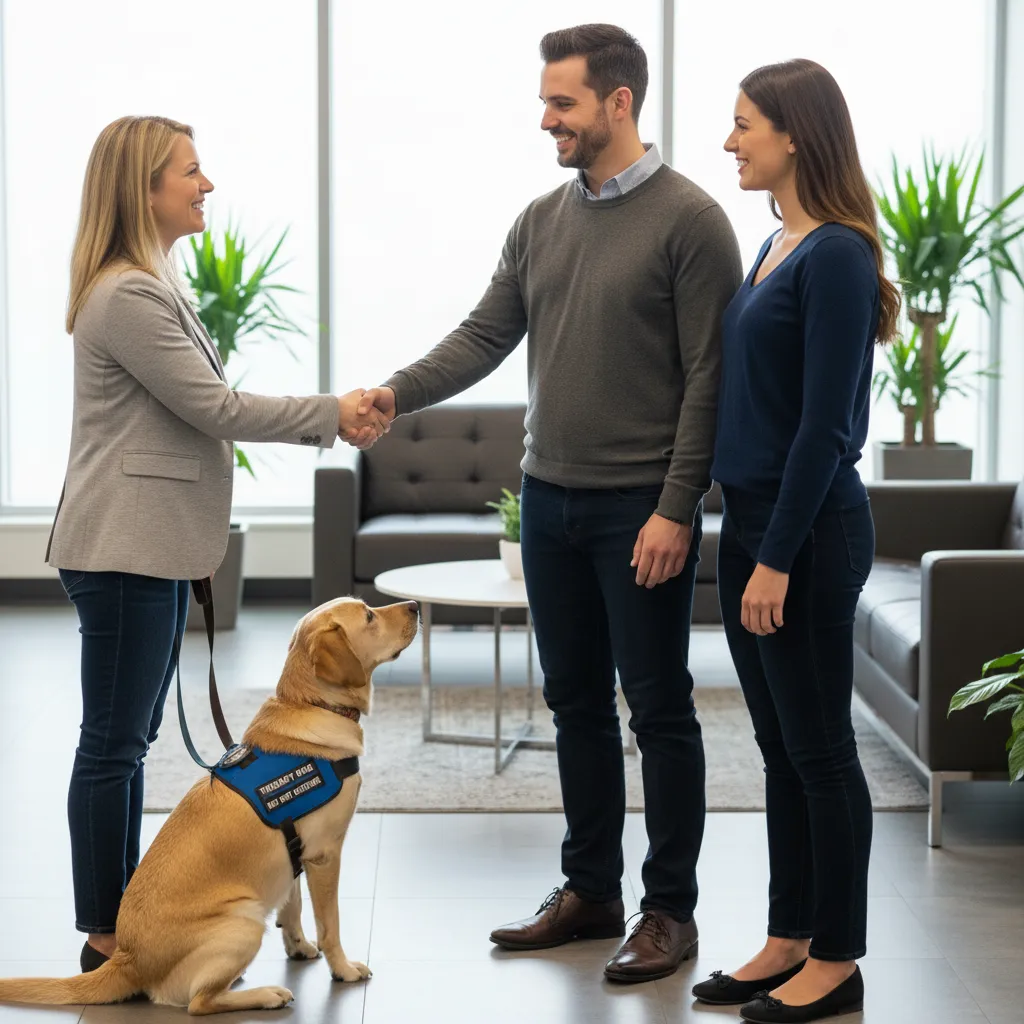
Ensure your therapist is a registered health professional (counselor, psychologist, social worker, or psychotherapist) with specific training in AAT. The dog should also be assessed and certified for therapy work, ensuring they have the temperament to handle emotional intensity safely.
The Intake Process
Before the dog enters the room, a standard intake usually occurs. This ensures that:
- There are no severe allergies or phobias within the family.
- The specific goals of the family align with what AAT can provide.
- Safety protocols are established for both the family and the animal.
Investment in Your Family’s Future
Investing in family therapy is an investment in the legacy of your whānau. By integrating the healing power of dogs, you are not just resolving current conflicts; you are teaching your family a new language of empathy, regulation, and love. Whether you are in Auckland, Wellington, or Christchurch, seeking out a provider who specializes in this niche can be the turning point for a happier home.
People Also Ask
How much does family therapy with dogs cost in NZ?
The cost for family therapy with dogs in NZ typically ranges from $140 to $220 per hour, depending on the therapist’s qualifications (e.g., Psychologist vs. Counselor) and location. Some providers may offer subsidized rates through PHOs or WINZ if applicable, though AAT is often a private specialist service.
Is animal-assisted therapy covered by insurance in New Zealand?
Generally, private health insurance in New Zealand covers the service provider (e.g., a registered psychologist or psychiatrist) rather than the specific modality. If your policy covers psychological services, the fact that a dog is present usually does not negate coverage, but it is best to check with your insurer regarding “Animal Assisted Therapy” specifically.
What breeds are used for family therapy in NZ?
There is no single breed used for therapy, but common breeds in NZ include Labradors, Golden Retrievers, and Poodles (due to their hypoallergenic coats). The most important factor is not the breed, but the individual dog’s temperament, training, and ability to remain calm in high-emotion environments.
Can we bring our own dog to family therapy?
Usually, no. Professional Animal Assisted Therapy utilizes a dog that has been specifically trained and assessed to work alongside a clinician. However, some systemic family therapists may allow you to bring a family pet if the focus of the session is specifically on the family’s dynamic with that pet, but this is less common than using a certified therapy dog.
Is therapy with dogs safe for children with fear of animals?
Yes, it can be. Therapists are trained to manage cynophobia (fear of dogs). The process is often gradual, starting with the dog on a leash at a distance or even just in the room. Over time, the therapy can actually help cure the phobia while addressing family issues, provided the therapist is aware of the fear beforehand.
How do I find a registered animal-assisted therapist in NZ?
You can search through the Psychology Council of New Zealand or the New Zealand Association of Counsellors (NZAC) directories using keywords like “Animal Assisted Therapy” or “Canine Assisted.” Additionally, organizations like Therapy Dogs New Zealand may have lists of affiliated health professionals.