
Animal therapy aligns with Te Whare Tapa Whā by holistically supporting all four cornerstones of Māori health. Therapy animals enhance Taha Wairua through unconditional spiritual connection, strengthen Taha Whānau by facilitating social bonds, improve Taha Hinengaro via emotional regulation, and support Taha Tinana through physical interaction and movement.
What is the Te Whare Tapa Whā Model?
Developed by Tā (Sir) Mason Durie in 1984, Te Whare Tapa Whā is the preeminent model of health and well-being in Aotearoa New Zealand. It visualizes hauora (health) as a wharenui (meeting house) with four strong walls. For the house to stand strong, all four walls must be balanced and maintained. If one wall is weak, the entire structure becomes unstable.
In the context of Animal Assisted Therapy (AAT), this model provides a culturally responsive framework for understanding how animals contribute to human wellness beyond simple companionship. Rather than viewing health merely as the absence of disease, this holistic approach considers the interplay between the physical, spiritual, family, and mental dimensions.

When asking how does animal therapy align with Te Whare Tapa Whā, we must examine the specific mechanisms through which animals interact with each of these four dimensions. The integration of AAT into this framework offers a powerful, culturally aligned therapeutic modality that resonates deeply within the New Zealand healthcare landscape.
Animals and Taha Wairua (Spiritual Health)
Taha Wairua explores the relationship with the environment, people, and heritage. It is often considered the most essential requirement for health. Unlike Western definitions of spirituality which may focus on religion, Taha Wairua is about the life force (mauri) and the unseen energies that connect us to the universe.
How do animals enhance spiritual well-being?
Animals possess a unique capacity to connect with humans on a level that transcends language and logic. This connection is deeply rooted in Taha Wairua. Therapy animals offer a non-judgmental presence that allows individuals to feel accepted and grounded.
- Connection to Nature: Animals serve as a direct link to the natural world. Interacting with an animal can ground a person, reminding them of their place within the wider ecosystem, a concept central to Māori worldview.
- Unconditional Acceptance: The spiritual distress often caused by shame, guilt, or trauma can be alleviated by the unconditional positive regard provided by a therapy animal. This silent acceptance nurtures the spirit.
- Mauri (Life Force): Sharing space with an animal involves an exchange of mauri. The vitality and energy of a therapy dog or horse can help revitalize the depleted mauri of a patient suffering from depression or illness.
In therapeutic settings, the presence of an animal can create a “tapu” or sacred space where healing can occur, allowing clients to access their spiritual selves without the barriers of verbal defense mechanisms.
Animals and Taha Whānau (Family and Social Health)
Taha Whānau is about who you are, where you belong, and who you are connected to. It acknowledges that an individual’s health is intrinsically linked to the health of their family and community. In Māori culture, the concept of whānau extends beyond immediate biological family to include extended family, community, and even close friends.
Can animals strengthen family and social bonds?
Absolutely. In the context of AAT, animals often act as social lubricants and bridges, facilitating connections that might otherwise be difficult to form.
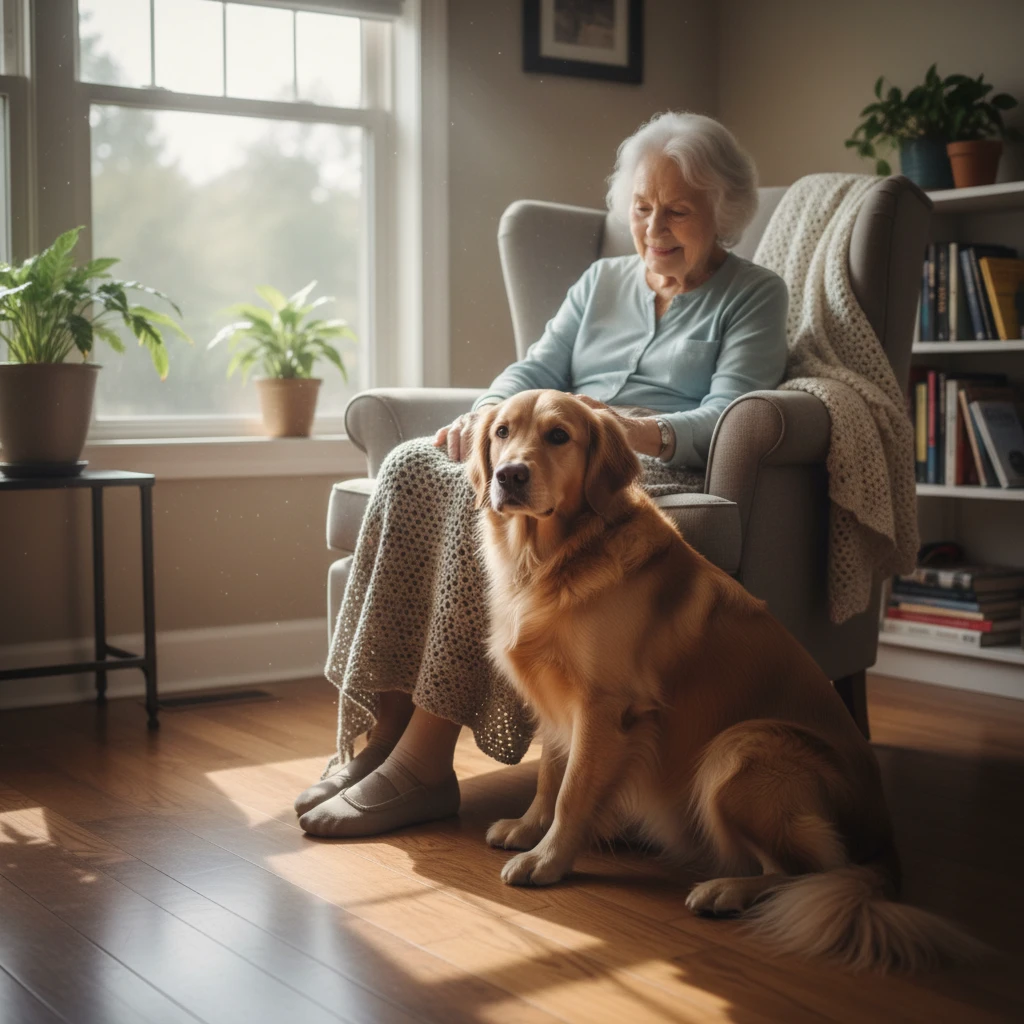
The Animal as Whānau: For many, pets and therapy animals are considered part of the whānau. Acknowledging this bond validates the client’s support network. When a therapy animal enters a room, they often change the social dynamic instantly:
- Breaking Isolation: Social isolation is a significant risk factor for poor health. Therapy animals provide companionship that mitigates loneliness, helping individuals feel part of a unit.
- Facilitating Communication: In family therapy sessions, an animal can be a neutral focal point. Family members may find it easier to talk to the animal or talk about the animal, which opens pathways for human-to-human communication.
- Building Trust: For individuals who have experienced trauma or betrayal, trusting humans can be difficult. Developing a trusting relationship with an animal can be the first step toward rebuilding trust with the wider whānau.
Furthermore, in residential care facilities in New Zealand, therapy animals often become the “shared whānau” for residents, creating a sense of community and shared responsibility among people who may otherwise remain strangers.
Animals and Taha Hinengaro (Mental and Emotional Health)
Taha Hinengaro refers to psychological health—the capacity to communicate, to think, and to feel. It acknowledges that the mind and body are inseparable and that thoughts and feelings significantly impact physical health.
How does animal therapy support mental health?
The alignment between animal therapy and Taha Hinengaro is perhaps the most documented in scientific literature. The physiological and psychological shifts that occur during human-animal interaction are profound.
Neurochemical Regulation: Interactions with friendly animals have been shown to increase levels of oxytocin (the bonding hormone) and dopamine, while simultaneously lowering cortisol (the stress hormone). This biological response directly supports Taha Hinengaro by reducing anxiety and creating a physiological state conducive to therapy.
Emotional Regulation and Mindfulness:
Animals live entirely in the present moment. Working with a therapy animal requires the client to also be present. This mindfulness aspect helps individuals who struggle with rumination (dwelling on the past) or anxiety (worrying about the future). By focusing on the texture of a dog’s fur or the rhythm of a horse’s gait, a client grounds their Taha Hinengaro in the “now.”
Animals and Taha Tinana (Physical Health)
Taha Tinana refers to physical growth and development. It is the physical manifestation of our well-being. Good physical health is required for optimal development, while physical illness can impact the other three walls of the whare.
What are the physical benefits of animal therapy?
Animal Assisted Therapy is not just a sedentary activity. It often requires movement, touch, and physical exertion, which directly supports Taha Tinana.
- Motor Skills and Rehabilitation: In occupational therapy, activities such as brushing a dog, throwing a ball, or buckling a collar are used to improve fine motor skills.
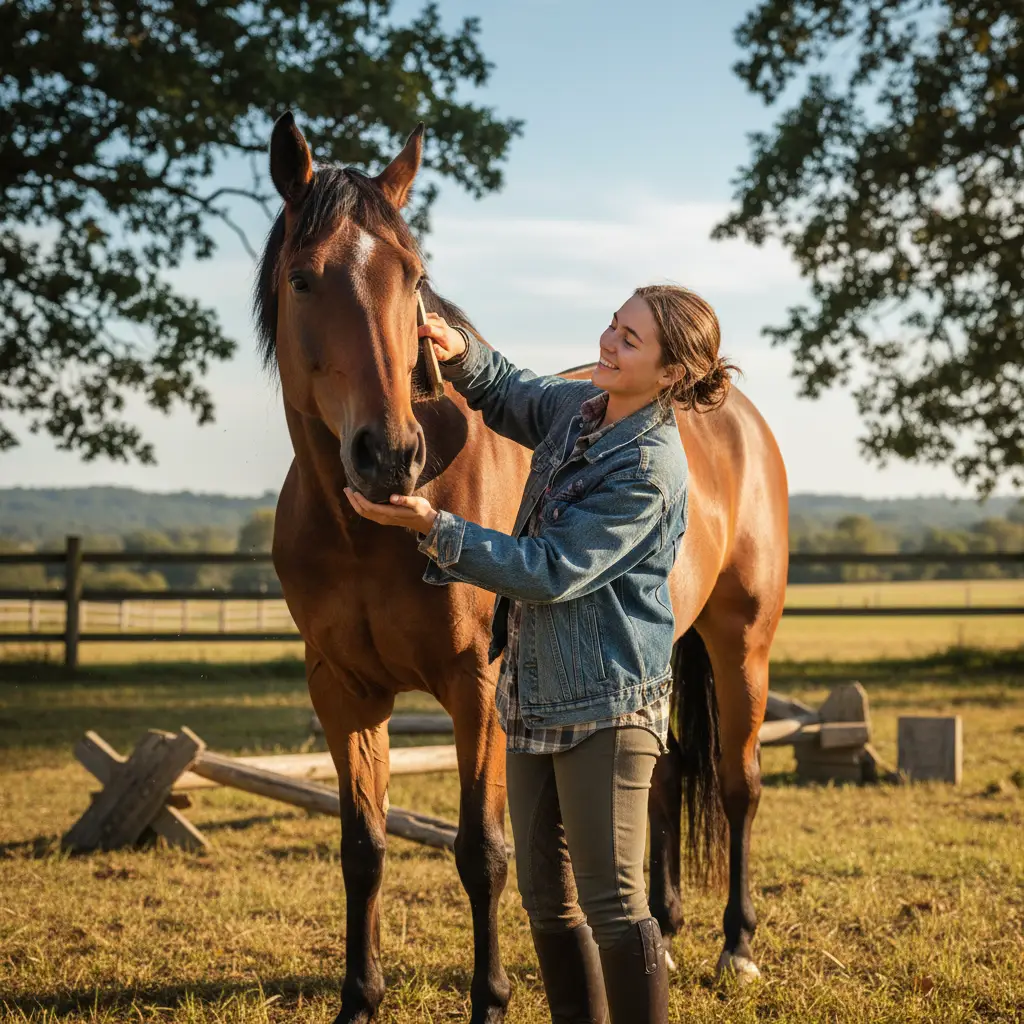
- Mobility and Balance: Equine-assisted therapy (hippotherapy) is renowned for improving core strength, balance, and posture. The movement of the horse mimics the human walking gait, providing physical input that is difficult to replicate with machines.
- Cardiovascular Health: The simple act of petting an animal has been shown to lower blood pressure and heart rate. Furthermore, walking a therapy dog encourages physical activity and cardiovascular exercise.
Case Studies of Successful Integration in Aotearoa
To truly understand how animal therapy aligns with Te Whare Tapa Whā, it is valuable to look at practical applications within New Zealand.
Case Study 1: Youth Justice and Korowai Manaaki
In youth justice residences, the introduction of therapy dogs has been utilized to address behavioral and emotional issues. By caring for an animal, rangatahi (youth) learn responsibility (Taha Tinana/Whānau) and empathy (Taha Hinengaro). The non-threatening bond allows them to explore their own vulnerability (Taha Wairua) in an environment where they usually keep their guards up.
Case Study 2: Aged Care and St John Therapy Pets
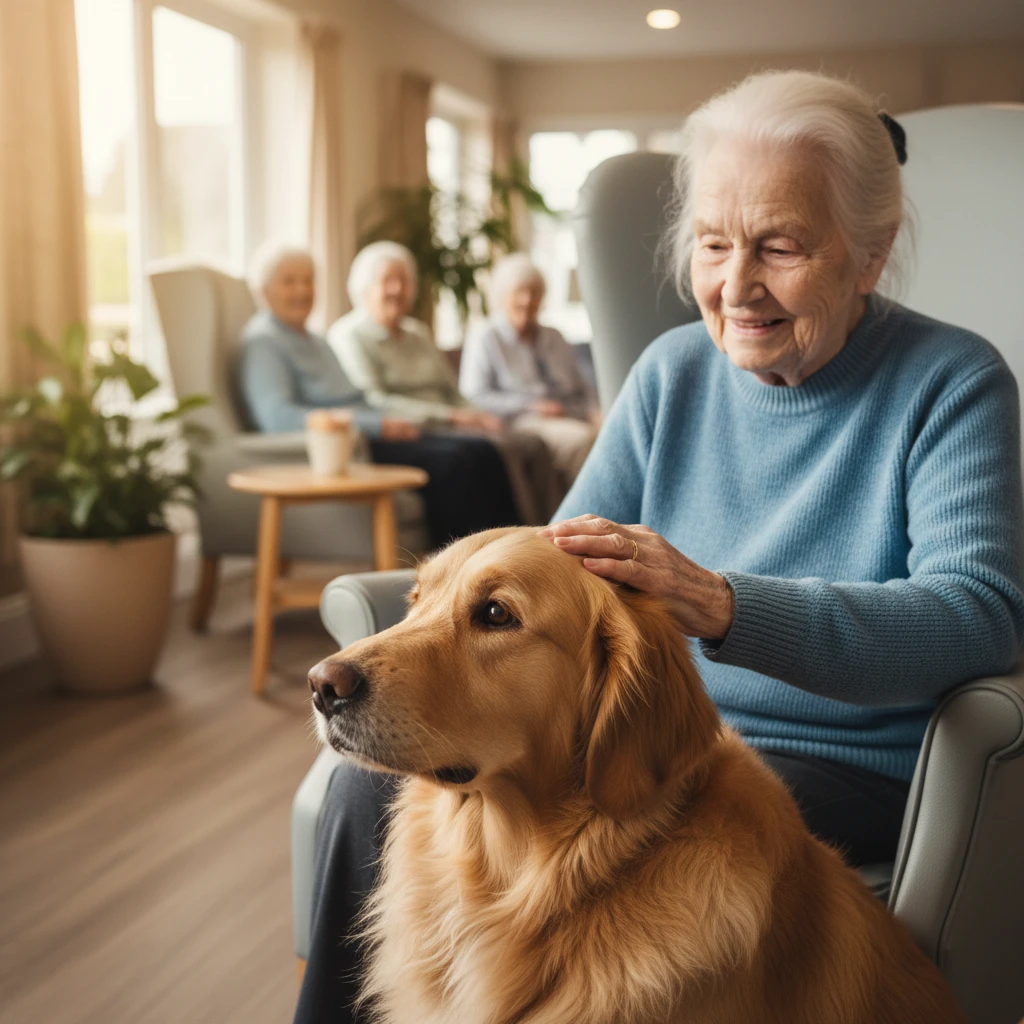
The St John Therapy Pets program visits rest homes across New Zealand. For kaumatua (elders), these visits are often the highlight of the week. The physical touch of the dog (Tinana), the reminiscence of past pets (Wairua), the joy and laughter shared with other residents during the visit (Hinengaro), and the connection with the volunteers (Whānau) demonstrate a perfect integration of the model.
Cultural Safety and Tikanga
While the alignment is strong, practitioners must exercise cultural safety. Not all whānau will view animals in the same way. In some contexts, dogs may be viewed as utilitarian or, in some cases, tapu depending on the specific iwi beliefs or the location (e.g., urupā or food preparation areas).
Best Practices for Integration:
- Whakawhanaungatanga: Take time to build relationships with the client and their whānau before introducing the animal.
- Consent: Always ensure that the presence of the animal is explicitly agreed upon.
- Hygiene and Boundaries: Respect the separation of food and animals, aligning with tikanga regarding hygiene and the separation of tapu and noa.
By respecting these protocols, Animal Assisted Therapy becomes a powerful tool that honors the holistic view of Māori health.
Frequently Asked Questions
How does Te Whare Tapa Whā relate to animal therapy?
It relates by providing a holistic framework where animals support the four dimensions of health: spiritual connection (Wairua), social bonding (Whānau), mental regulation (Hinengaro), and physical activity (Tinana).
What is the role of animals in Taha Wairua?
Animals support Taha Wairua by providing unconditional love, a connection to nature, and a non-judgmental presence that nurtures the spirit and life force (mauri) of an individual.
Can therapy animals help with Taha Whānau?
Yes, therapy animals act as social bridges, reducing isolation and facilitating communication between family members and the wider community, thereby strengthening social health.
Is animal therapy culturally safe for Māori?
Generally, yes, when practitioners follow proper tikanga (protocols). It is important to respect individual iwi beliefs and ensure whakawhanaungatanga (relationship building) occurs first.
What types of animals are used in NZ therapy?
The most common are dogs (via organizations like St John) and horses (Riding for the Disabled), though cats, rabbits, and other domestic animals are also utilized in specific settings.
Does petting a dog improve physical health?
Yes, it supports Taha Tinana by lowering blood pressure, reducing heart rate, and releasing relaxation hormones, alongside the physical movement involved in care and play.