
Taha Wairua and animals refers to the integration of spiritual well-being within Animal-Assisted Therapy (AAT), particularly through the lens of the Māori health model, Te Whare Tapa Whā. This connection acknowledges that animals possess their own mauri (life force), acting as non-judgmental conduits that help clients reconnect with their identity, ancestry, and the natural world to restore spiritual balance.
Understanding Taha Wairua in the Context of AAT
To fully grasp the impact of animal-assisted therapy in New Zealand, one must first understand the indigenous framework of health: Te Whare Tapa Whā. Developed by Sir Mason Durie, this model compares health to the four walls of a house. All four walls are necessary to ensure strength and symmetry, and if one side is missing, the house may fall. These walls represent physical health (taha tinana), mental health (taha hinengaro), family health (taha whānau), and spiritual health (taha wairua).
Taha wairua is often the most misunderstood pillar in Western clinical settings. It is not strictly religious; rather, it is about the capacity for faith and wider communication. It relates to the unseen and unspoken energies, the connection to the environment (Te Taiao), and the link to heritage and ancestors. For many clients, particularly within Māori communities, health cannot exist without spiritual integrity.
Why Animals are Vital to Spiritual Health
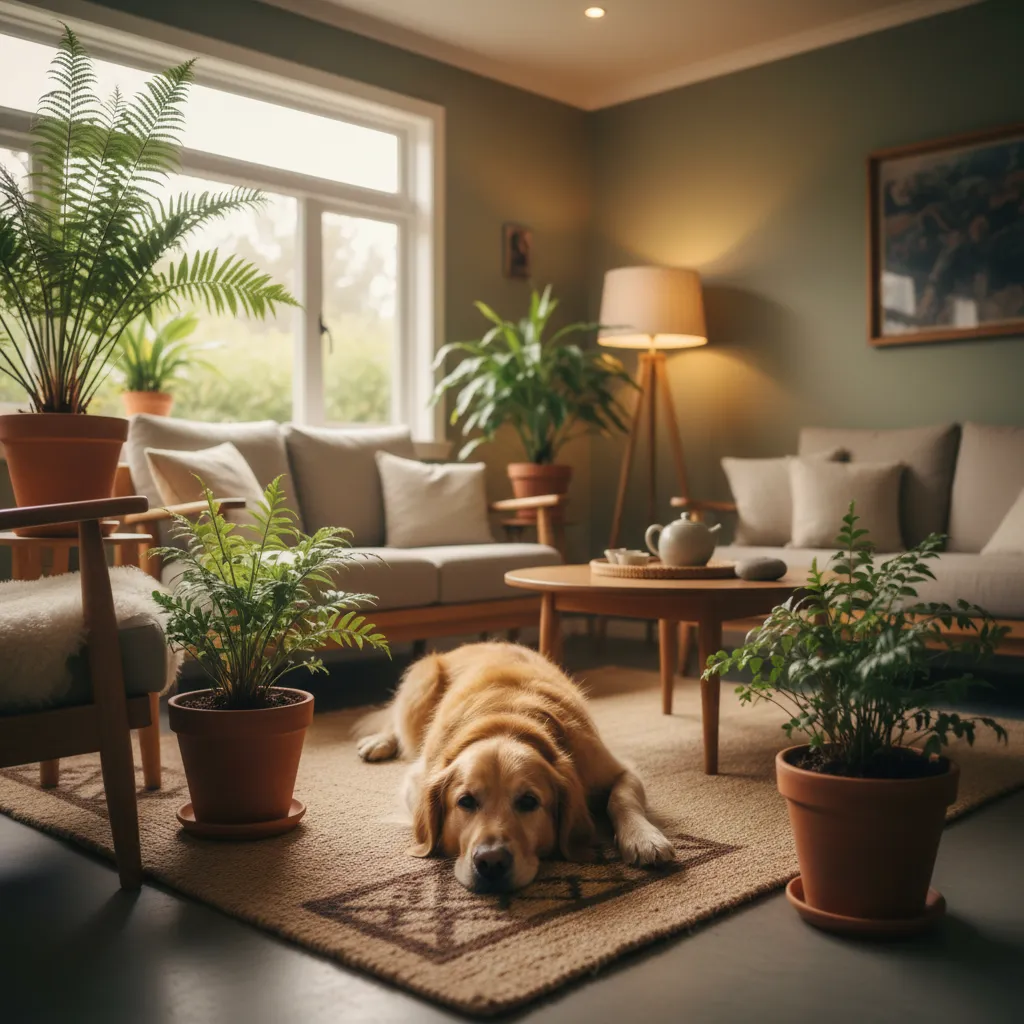
In the realm of taha wairua and animals, therapy animals serve as more than just tools for behavioral activation; they are spiritual anchors. Animals exist entirely in the present moment, a state of being that many spiritual traditions strive to achieve. By interacting with an animal, a client is often pulled out of the anxiety of the future or the trauma of the past and grounded in the ‘now.’ This grounding is a spiritual experience, allowing the wairua to settle and find peace.
Furthermore, animals are part of the natural world. In a clinical setting that can often feel sterile or disconnected from nature, an animal brings the outside in. They bridge the gap between the human intellect and the primal, spiritual self, facilitating a flow of energy that talk therapy alone sometimes fails to unlock.
The Bond Between Human and Animal Spirit
The connection between humans and animals is ancient, but in the context of taha wairua, it goes deeper than companionship. It involves the concept of Mauri.
The Role of Mauri (Life Force)
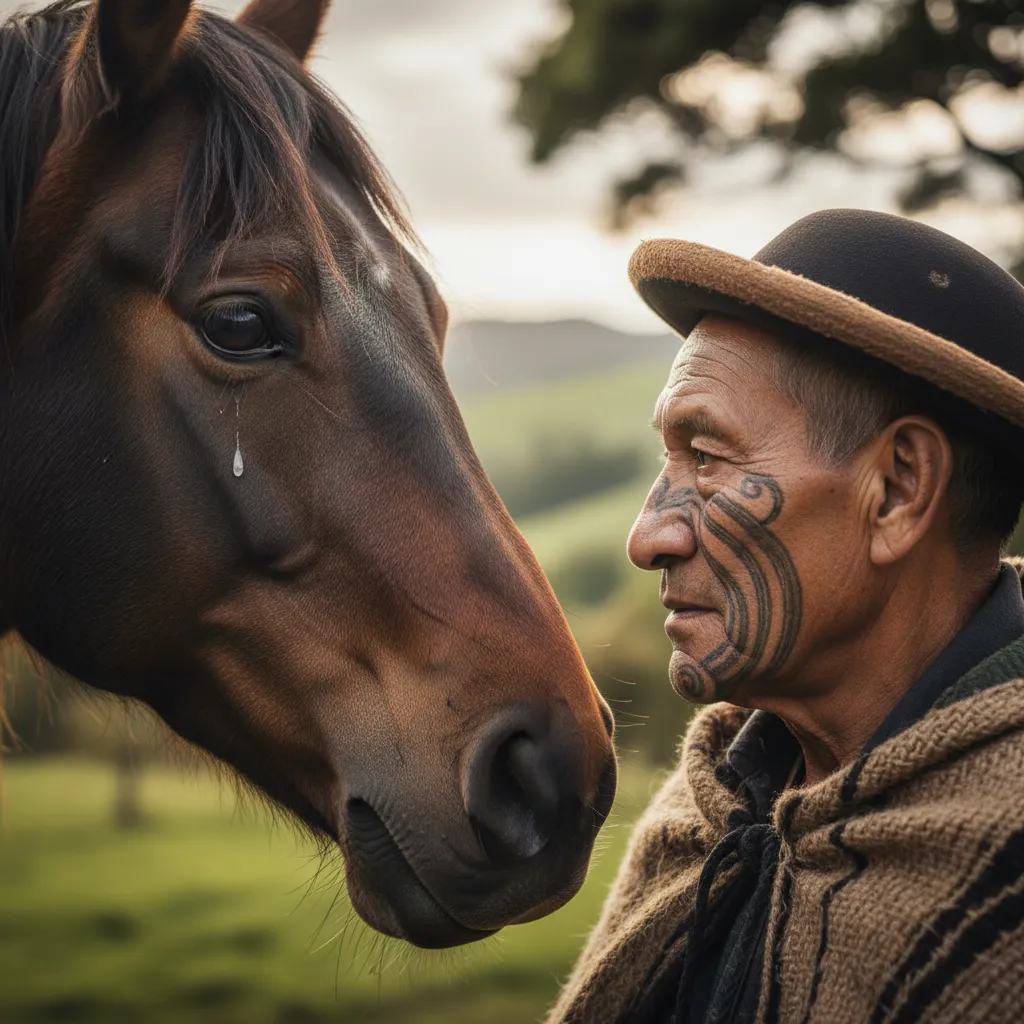
Mauri is the life force or essence that binds and animates all things in the physical world. Both humans and animals possess mauri. When a client interacts with a therapy animal, there is an exchange of mauri. A calm, balanced therapy animal can share their settled mauri with a client whose life force may be agitated or diminished due to trauma or illness.
This exchange explains why silent moments with an animal can be so profound. Words are not needed because the communication is happening at the level of wairua and mauri. The animal accepts the client’s spirit without the conditions or social contracts that complicate human relationships.
Animals as Spiritual Conduits
In many indigenous worldviews, including Te Ao Māori, animals are seen as tuakana (older siblings) to humans in the order of creation. They are closer to Papatūānuku (Earth Mother). In therapy, recognizing this hierarchy shifts the dynamic from “using” an animal to “collaborating” with one. The animal acts as a conduit, helping the client reconnect with their own intuition and spiritual center. This is particularly potent when addressing taha wairua and animals in grief counseling, where the animal provides a safe vessel for emotions that are too heavy to articulate.
Therapeutic Benefits for Māori Clients
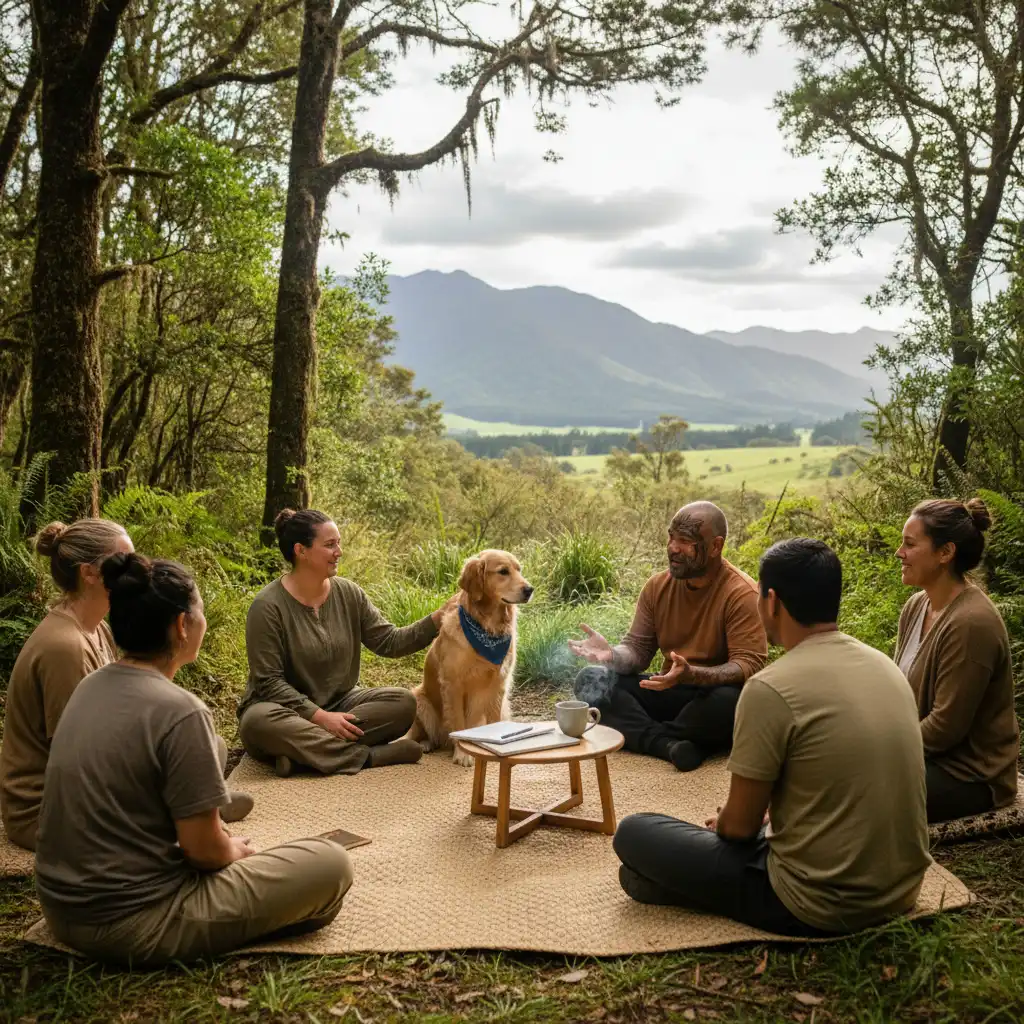
When incorporating Animal-Assisted Therapy (AAT) for Māori whānau, the inclusion of animals can significantly enhance cultural safety and engagement. Standard clinical approaches can sometimes feel alienating or overly clinical. The presence of an animal changes the atmosphere of the room (the mauri of the space), making it warmer and more welcoming (whakawhanaungatanga).
Reconnecting with Identity and Whakapapa
For Māori, identity is inextricably linked to the natural world. A therapy session that involves animals acknowledges this worldview. It validates the client’s cultural knowledge that nature is healing.
- Non-Verbal Communication: Much of Māori communication is non-verbal. Animals are masters of this, aligning with cultural preferences for sensing and feeling over constant talking.
- Removing Hierarchy: The therapist-client power dynamic can be a barrier. An animal introduces a third element that neutralizes this hierarchy, creating a more communal, whānau-centric dynamic.
- Guardianship (Kaitiakitanga): Caring for the therapy animal during a session allows the client to practice kaitiakitanga. This role reversal—from patient to caretaker—empowers the wairua and restores mana (dignity/prestige).
Respecting Tapu and Noa in Therapy
To practice AAT safely and effectively in New Zealand, therapists must navigate the concepts of Tapu (sacred/restricted) and Noa (common/unrestricted/neutral). These concepts govern social and spiritual interactions.
Navigating Sacred Spaces
The head is considered the most tapu part of the body. In a therapy setting, care must be taken regarding how an animal interacts with a client. For example, a large dog jumping up near a client’s head might be seen as a violation of tapu. Conversely, animals can help transition a state of tapu (such as the intense heaviness of trauma) to noa (a state of safety and normalcy).
Key Considerations for Therapists:
- Food and Water: Food is noa (removes tapu). Do not place animal food dishes on tables used for human food or medication. Keep animal feeding areas separate to respect hygiene and spiritual boundaries.
- Bodily Fluids: Animal waste must be managed discreetly and immediately. The presence of bodily fluids can affect the spiritual safety of a space.
- Entering Spaces: Allow the animal to be invited into the personal space of the client. This respects the client’s personal tapu and autonomy.
Integrating Tikanga into Clinical Practice
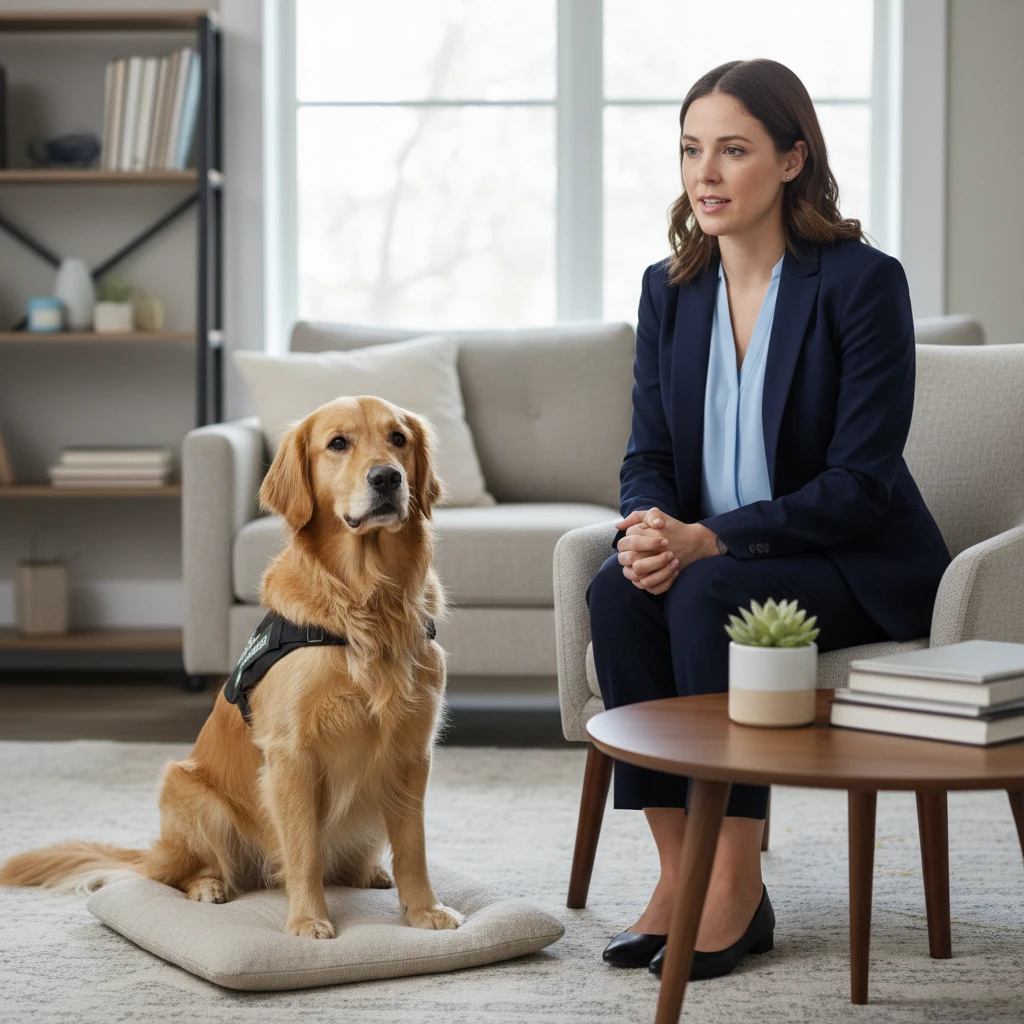
Integrating taha wairua and animals requires more than just bringing a dog into the office. It requires a commitment to Tikanga (correct procedure/custom).
Karakia (Prayer/Incantation)
Starting and ending a session with Karakia helps to settle the wairua of everyone present, including the animal. It sets the intention and clears the space. The animal often learns this routine, understanding that the Karakia signals the beginning of “work” and a shift in energy.
Whakawhanaungatanga (Building Relationships)
Allow time for the client to establish a relationship with the animal before diving into clinical work. Ask the client, “How does this animal’s wairua feel to you today?” This question validates their spiritual perception and centers the session on their holistic experience.
People Also Ask
What is Taha Wairua in simple terms?
Taha Wairua is the spiritual dimension of health in the Māori model Te Whare Tapa Whā. It refers to your internal spirit, your connection to the universe, nature, and your ancestors, rather than just religious belief. It is the “glue” that holds the other aspects of health together.
How do animals support spiritual health?
Animals support spiritual health by providing unconditional love, grounding individuals in the present moment, and acting as a bridge to the natural world. Their presence can soothe the spirit, reduce feelings of isolation, and facilitate a deep, non-verbal connection that restores inner peace.
What is the role of animals in Te Whare Tapa Whā?
While not explicitly a “wall” in the model, animals support all four pillars. They encourage physical movement (Taha Tinana), provide mental comfort (Taha Hinengaro), become part of the family unit (Taha Whānau), and connect humans to the life force of nature (Taha Wairua).
Can dogs sense wairua?
Many practitioners and cultures believe dogs and other animals are highly sensitive to energy and wairua. They often react to a person’s emotional state or intent before words are spoken, sensing changes in mauri (life force) that humans might miss.
What is the difference between wairua and mauri?
Mauri is the life force or spark that keeps us alive and binds the physical and spiritual together; it is active and immediate. Wairua is the spirit or soul, which is immortal and continues beyond physical life. Animals interact with both, often calming the mauri to soothe the wairua.
How is Animal Assisted Therapy used in New Zealand healthcare?
In New Zealand, AAT is used in hospitals, counseling centers, schools, and corrections. It is increasingly integrated with bicultural practices, recognizing the value of animals in holistic healing models like Te Whare Tapa Whā to treat trauma, anxiety, and social disconnection.