
To hire a therapy dog team in Wellington, organizations engage certified handlers and temperament-tested canines to visit workplaces, schools, or healthcare facilities. These professional visits are designed to lower stress, boost morale, and improve mental well-being through structured animal-assisted interactions tailored specifically for corporate, government, and educational environments throughout the capital region.
Workplace wellness has evolved significantly in New Zealand, and the demand to hire a therapy dog team in Wellington is at an all-time high. Whether you are a government ministry looking to support staff during high-pressure periods or a corporate office seeking to improve company culture, animal-assisted therapy offers a tangible, scientifically backed solution to reduce anxiety and foster connection.
Why Hire a Therapy Dog Team in Wellington?
Wellington, as the political and administrative heart of New Zealand, is home to a unique workforce. From public servants in the Beehive to tech innovators in the CBD, the pressure to perform can be intense. Hiring a professional therapy dog team is more than just a novelty; it is a strategic investment in human resources and occupational health.
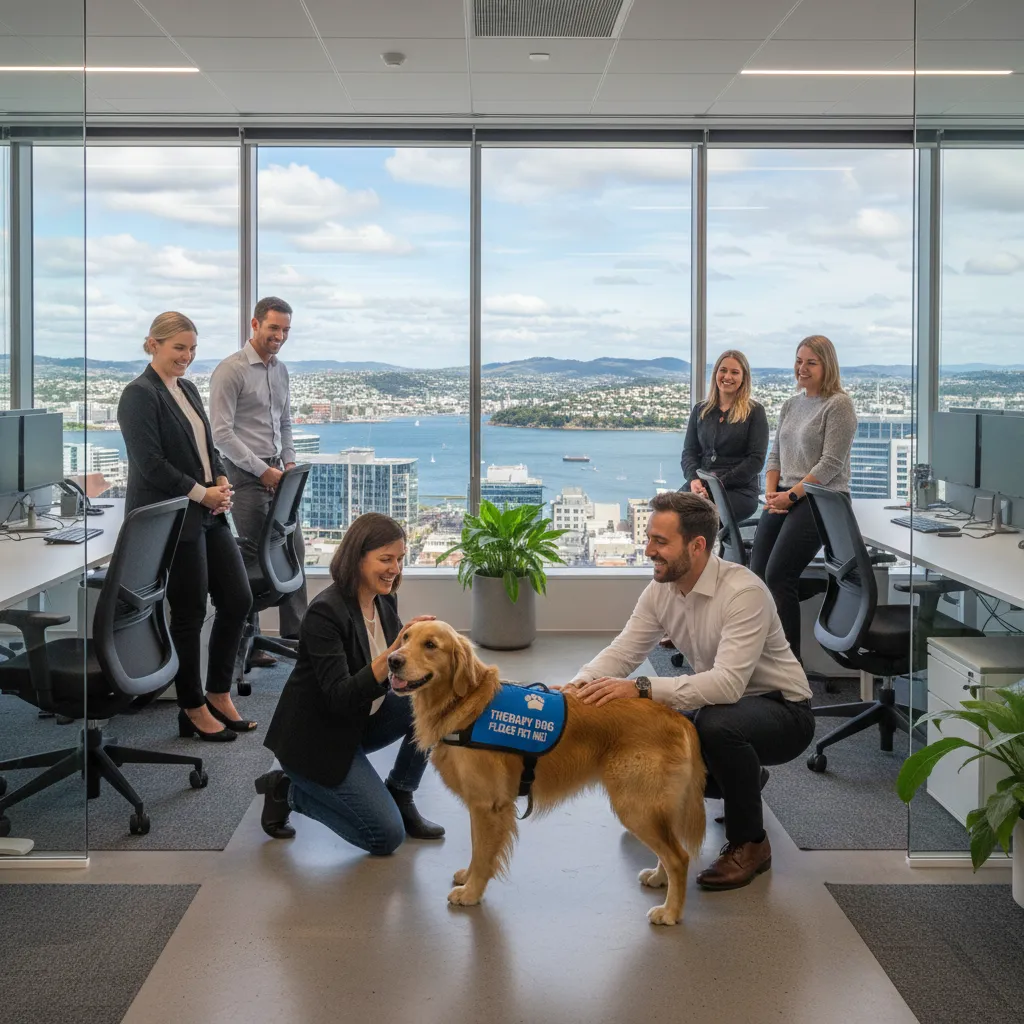
When you bring a therapy dog into a high-stress environment, the atmosphere shifts almost immediately. The rigid professionalism of a boardroom softens, communication barriers break down, and cortisol levels drop. For organizations based in Wellington, where burnout is a genuine risk, these visits provide a necessary “mental break” that allows employees to reset and return to their tasks with renewed focus.
Packages for Government and Corporate Offices
We understand that every organization has different needs, security protocols, and schedules. Our therapy dog teams offer flexible packages designed specifically for the Wellington market, catering to everything from small startups to large government departments.
The “De-Stress” Event Package
This is our most popular option for large organizations. It is ideal for mental health awareness weeks, project completion celebrations, or during particularly busy legislative periods.
- Duration: 2–4 hours.
- Format: A designated “wellness zone” is set up where staff can come and go to interact with the dogs.
- Capacity: Suitable for teams of 50+ employees.
- Inclusions: Multiple dog teams to ensure no animal is overwhelmed, handler supervision, and hygiene stations.
The “Lunch and Learn” Wellness Session
For a more educational approach, this package combines animal interaction with mental health education.
- Duration: 1 hour.
- Format: A 20-minute presentation on the benefits of animal-assisted therapy followed by 40 minutes of interaction.
- Focus: Stress management techniques and the biology of the human-animal bond.
Recurring Wellness Residencies
Many Wellington agencies are now opting for recurring visits to maintain morale consistency.
- Frequency: Weekly, fortnightly, or monthly.
- Benefit: Builds a long-term bond between the staff and the therapy dog, creating a predictable source of comfort.
- Customization: Tailored to fit within lunch hours or specific break times.
What to Expect During a Visit
If this is your first time looking to hire a therapy dog team in Wellington, you may be wondering how the logistics work. A professional visit is highly structured to ensure safety, cleanliness, and maximum benefit.
Arrival and Setup
The handler and dog will arrive 15–20 minutes early to acclimate to the space. They will require a quiet area initially to settle before engaging with staff. The handler will ensure the dog is groomed, wearing a clear identification vest, and on a leash at all times.
The Interaction
Interactions are led by the handler. They will guide staff on how to approach the dog, where the dog likes to be petted, and facilitate the engagement. This is not a “free-for-all”; it is a managed therapeutic session. Staff members often sit on the floor or in chairs arranged in a circle. The dog will move from person to person, offering physical contact such as leaning against legs or placing a head on a lap.

Departure
Visits are strictly timed to prevent canine fatigue. Once the session concludes, the handler will quietly exit the premises. We recommend gathering feedback from staff immediately after the visit to measure the impact on mood and productivity.
Handler Qualifications and Safety Standards
Safety is paramount when introducing animals into a workplace. When you hire a reputable therapy dog team in Wellington, you are paying for professional accreditation and insurance, not just a pet owner with a friendly dog.
Certification and Temperament Testing
All therapy dogs must undergo rigorous temperament testing. In New Zealand, reputable teams are often affiliated with organizations like St John, Canine Friends Pet Therapy, or have international accreditation. The testing ensures the dog remains calm in new environments, is not startled by loud noises (like elevators or fire alarms), and shows zero aggression.
Handler Training
The human half of the team is just as important. Handlers are trained in:
- Canine Body Language: Recognizing signs of stress in the dog to prevent incidents.
- Infection Control: Managing hygiene, including the use of hand sanitizers before and after interactions.
- Confidentiality: especially important for government visits, handlers are vetted and understand privacy protocols.
- First Aid: Both human and canine first aid knowledge is standard.
Insurance and Liability
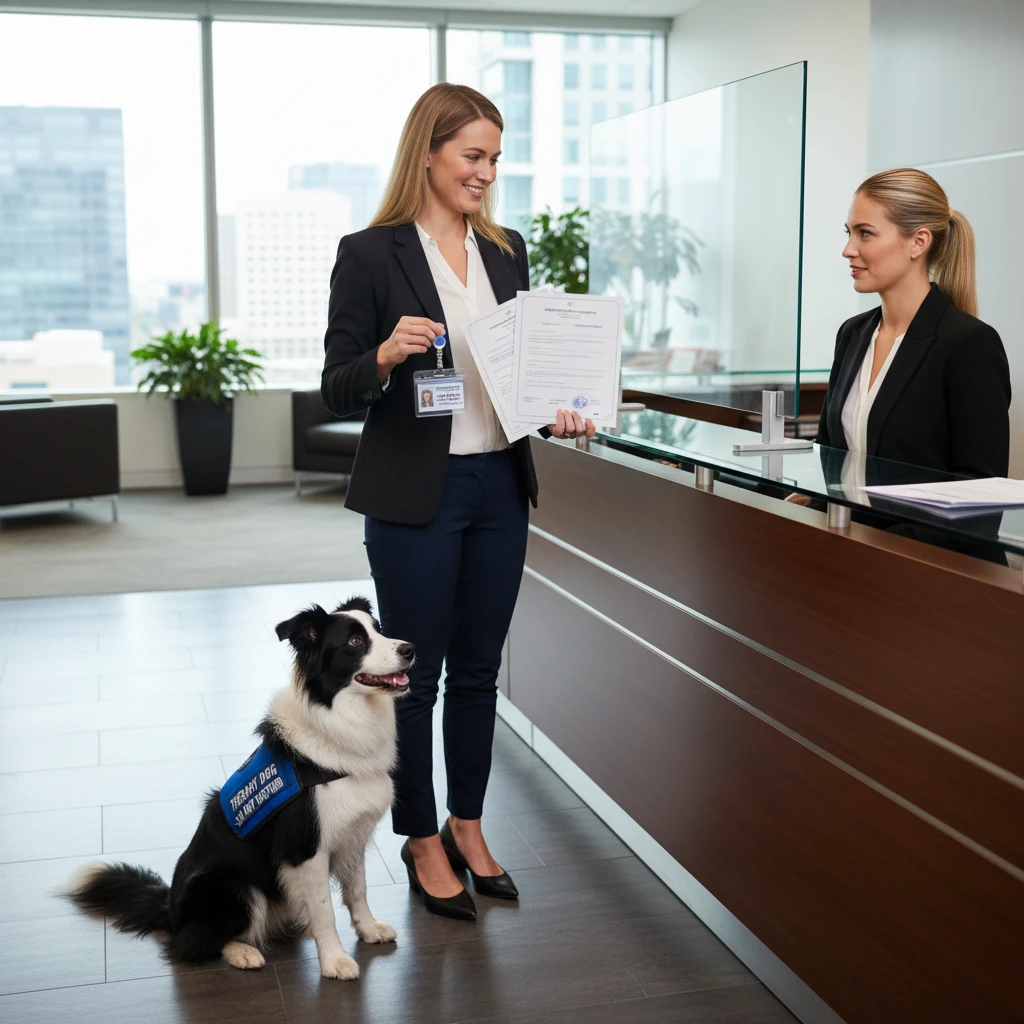
Professional providers carry public liability insurance. This protects your organization in the unlikely event of property damage or injury. Do not hire a team that cannot provide proof of current insurance policies valid in New Zealand.
The Science of Animal-Assisted Therapy
The decision to hire a therapy dog team should be backed by data. The physiological and psychological benefits of interacting with therapy dogs are well-documented in scientific literature.
The Oxytocin Effect
Research shows that just 15 minutes of interaction with a friendly dog releases oxytocin (the bonding hormone) in the brain. Simultaneously, it reduces cortisol (the stress hormone) and lowers blood pressure. This biological reaction creates an immediate sense of calm and well-being.
Social Lubrication
In a corporate setting, dogs act as “social lubricants.” They provide a neutral, positive topic of conversation that bridges hierarchy gaps. A junior analyst and a senior executive can share a moment over a dog, fostering a sense of community and breaking down silos within the organization.
Preparing Your Wellington Workplace
To ensure a successful visit, some preparation is required on your end.
Check for Allergies and Phobias
Before booking, survey your staff. While therapy dogs are groomed to minimize dander, severe allergies must be accounted for. Designate the visit to a specific room (like a meeting room or breakout area) rather than roaming the open-plan floor, so that those with allergies or fears can opt out without disruption.
Security Clearance
For government clients in the Wellington CBD, security clearance for external contractors is often required. Please advise us of your building’s security protocols (e.g., visitor badges, escort requirements) at the time of booking so we can prepare the necessary documentation for the handler.
Booking Process and Availability in Wellington
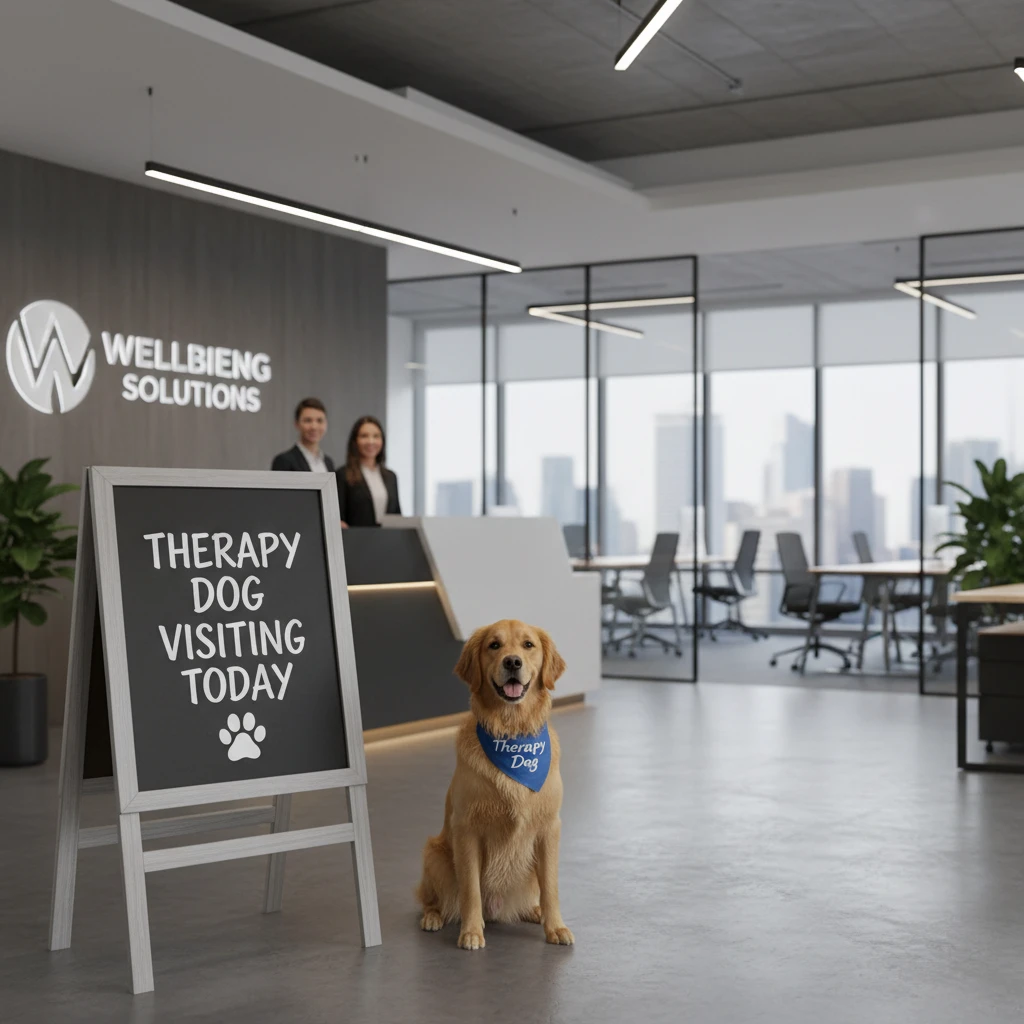
Ready to boost your team’s morale? The booking process is streamlined to ensure you get the right team for your specific environment.
Step 1: Inquiry and Needs Assessment
Contact us with your preferred dates, location (e.g., Wellington CBD, Lower Hutt, Porirua), and the estimated number of participants. We will discuss your specific goals—whether it’s general wellness, trauma support, or a celebration.
Step 2: Team Matching
We match your environment with the appropriate dog. For example, a high-energy startup might enjoy a playful Spaniel, while a quiet library or law firm might prefer a sedate Greyhound or Golden Retriever.
Step 3: Confirmation and Logistics
We send a confirmation pack including the handler’s profile, the dog’s bio, insurance certificates, and a risk assessment form (RAMS) often required by NZ businesses.
Availability
Due to high demand in the Wellington region, we recommend booking at least 2 to 3 weeks in advance. For peak times, such as Mental Health Awareness Week or pre-Christmas periods, booking 1–2 months ahead is advisable to secure your preferred slot.
People Also Ask
How much does it cost to hire a therapy dog team in Wellington?
Costs vary depending on the duration and nature of the visit. Generally, corporate sessions range from $200 to $500+ GST per hour. This fee covers the handler’s time, the dog’s specialized training maintenance, insurance, and travel within the Wellington region. Non-profits and schools may be eligible for discounted rates.
What is the difference between a therapy dog and a service dog?
A service dog is trained to perform specific tasks for one individual with a disability (e.g., a guide dog for the blind) and has full public access rights. A therapy dog is trained to provide comfort and affection to many people in various settings but does not have the same public access rights as service dogs. You are hiring a therapy dog for group wellness, not a service dog for individual assistance.
Are therapy dogs allowed in government buildings?
Yes, therapy dogs are generally allowed in government buildings when invited for specific wellness events. However, this requires prior approval from the building’s facilities management and security teams. Professional handlers are accustomed to navigating these protocols and providing necessary documentation.
Can we feed the therapy dogs during the visit?
Generally, no. To maintain the dog’s health and training discipline, staff should not feed the dogs. Some handlers may bring specific treats that staff can offer the dog under strict supervision as part of the interaction, but human food is strictly prohibited to prevent illness.
What happens if a staff member is afraid of dogs?
We respect all comfort levels. Therapy dog visits are usually held in a designated area (like a meeting room) rather than forcing interaction at desks. This allows staff who are fearful or allergic to avoid the area completely without their workday being impacted. Participation is always voluntary.
How long can a therapy dog work for?
Therapy work is mentally tiring for dogs. A typical session lasts between 60 to 90 minutes. For events longer than this, we arrange for multiple teams to rotate or schedule mandatory rest breaks for the animal to ensure their welfare remains a priority.