
A school dog policy in New Zealand establishes the legal and safety framework for introducing therapy animals into educational environments. It outlines strict protocols for hygiene, risk management, handler responsibilities, and animal welfare to ensure compliance with the Health and Safety at Work Act 2015 and Ministry of Education guidelines.
Implementing a therapy dog program can transform a school’s culture, offering immense benefits for student well-being, reading confidence, and emotional regulation. However, without a robust school dog policy template nz specific to your institution, you expose your Board of Trustees, staff, and students to significant liability. This guide provides the essential architecture for a watertight policy.
The Legal Framework: NZ Context
Before drafting your policy, it is crucial to understand the regulatory environment in New Zealand. A school dog is not merely a pet; it is a working animal operating within a public sector workplace. Your policy must bridge the gap between educational benefits and strict health and safety compliance.
The primary legislation governing this area is the Health and Safety at Work Act 2015 (HSWA). Under this act, the Board of Trustees (as the PCBU – Person Conducting a Business or Undertaking) must take all reasonably practicable steps to ensure the safety of workers, students, and visitors. Introducing an animal introduces a new hazard that must be eliminated or minimized.
Additionally, your policy must align with the Dog Control Act 1996, which dictates the obligations of dog owners regarding registration and control. While the Ministry of Education does not have a singular “dog policy,” they require schools to have procedures that manage hazards effectively. Therefore, your policy serves as the primary risk mitigation tool.
Essential Clauses for Safety and Liability
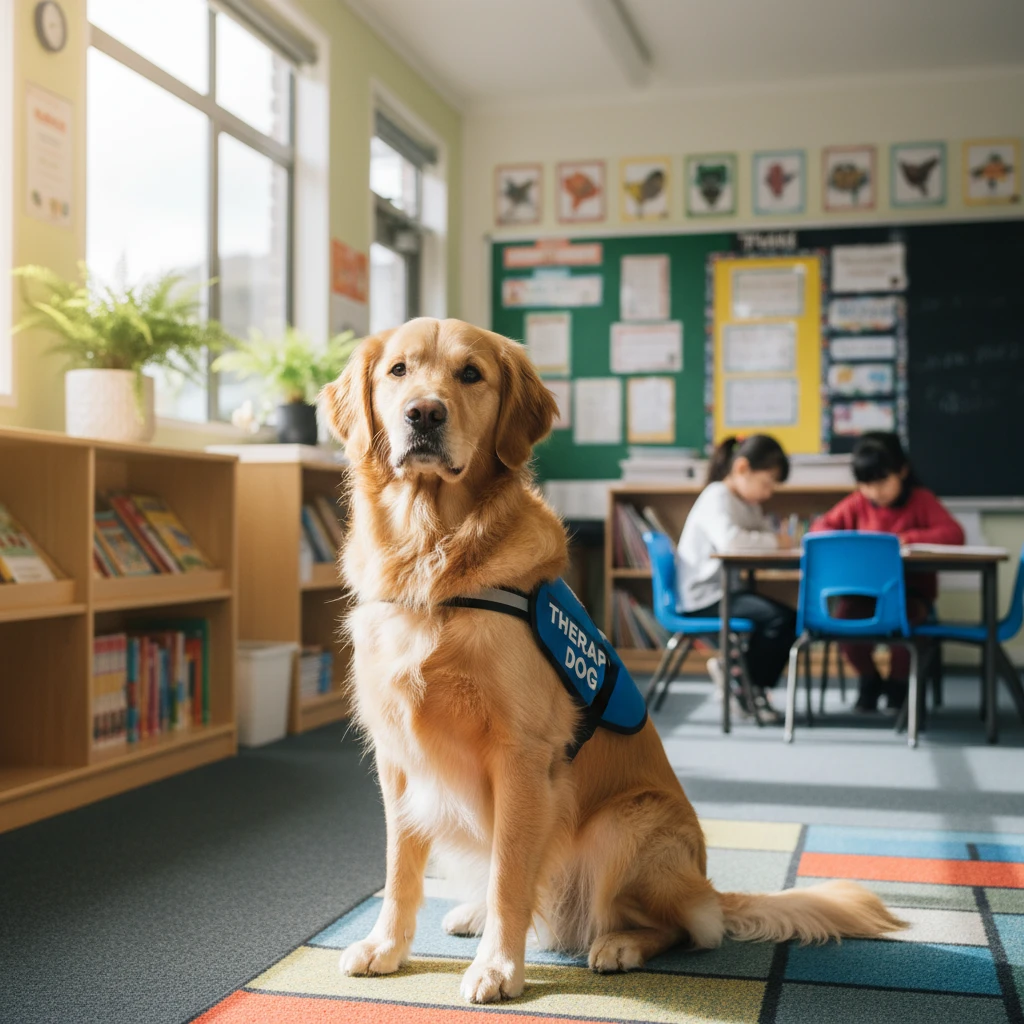
When customizing a school dog policy template nz, specific clauses are non-negotiable. These sections protect the school from liability and ensure the smooth operation of the therapy dog program.
1. Intent and Purpose
Define clearly why the dog is on site. Is this for a reading program, general counseling, or special education support? This limits the scope of the dog’s activities and prevents “scope creep” where the dog might be used inappropriately.
2. Risk Assessment and Management
Your policy must reference a separate, dynamic Risk Assessment document. Key clauses should include:
- Supervision: The dog must never be left unsupervised with students.
- Restricted Areas: clearly defined zones where the dog is not permitted (e.g., food technology rooms, canteens, chemical laboratories).
- Entry and Exit: Protocols for how the dog enters the school grounds to avoid peak traffic times or conflict with other animals.
3. Insurance and Liability
It is imperative to state that the dog’s owner (usually a staff member) must hold third-party liability insurance that specifically covers the dog’s activities within a school environment. The school’s own public liability insurance should also be checked to ensure it covers animal-related incidents.
4. Health and Hygiene
To prevent zoonotic diseases, the policy must mandate:
- Vaccinations: Proof of up-to-date vaccinations (Distemper, Hepatitis, Parvovirus, and Kennel Cough) verified annually.
- Parasite Control: Regular flea and worming treatments.
- Grooming: The dog must be clean and groomed to minimize dander and allergens.
- Cleanup: Strict protocols for the immediate removal and disposal of animal waste in external bins.
Managing Student Allergies and Phobias
One of the most common hurdles in getting Board approval is the concern regarding students with allergies or cynophobia (fear of dogs). A robust policy addresses these inclusion issues head-on.
The Opt-Out Protocol
Your policy must include a clause requiring parental consent. This is not just a “notification” but an active permission slip.
“No student will be required to interact with the school dog. Parents must sign a consent form permitting their child to be in the same room as the therapy dog. A register of students with dog allergies or phobias will be maintained and shared with the dog handler.”
Hygiene Barriers
To mitigate allergy risks, include the following operational rules:
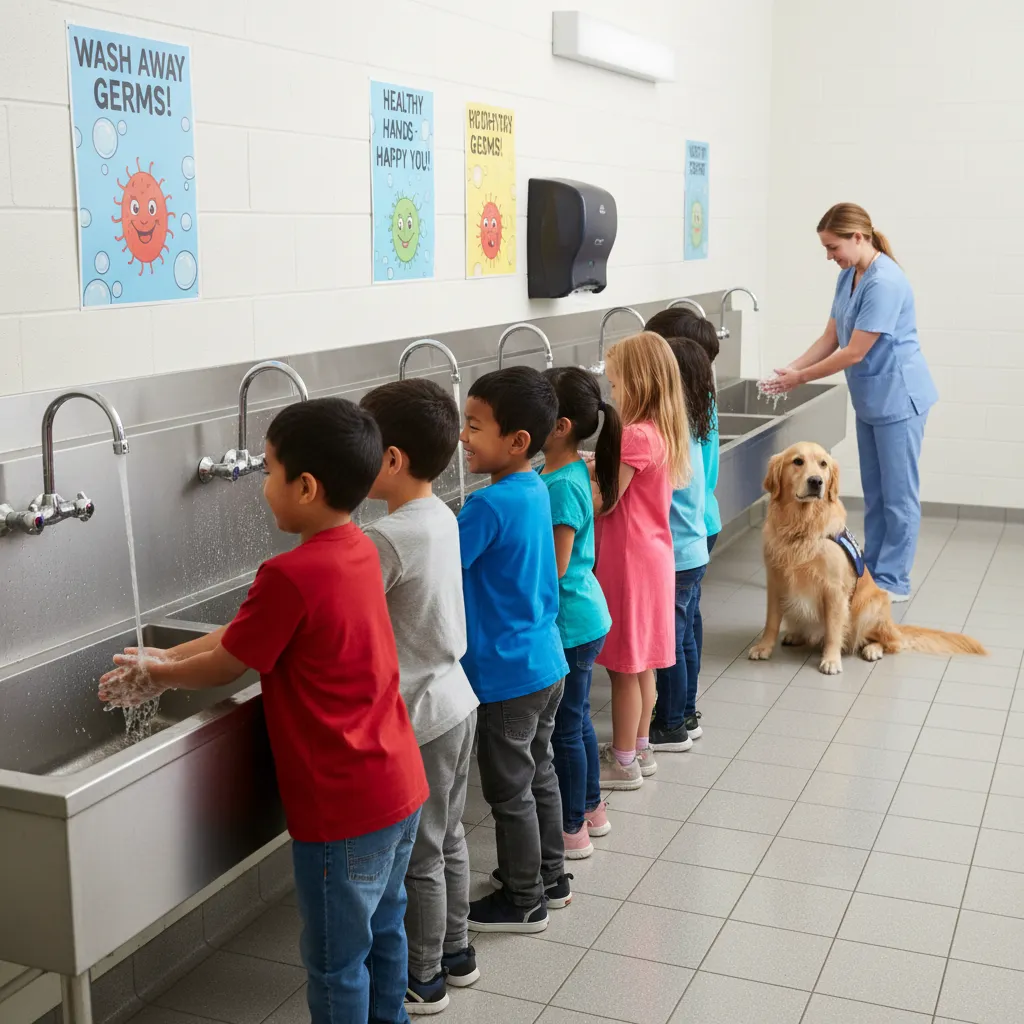
- Hand Washing: Mandatory hand washing or sanitizing before and after interacting with the dog.
- Clothing: Use of lint rollers or designated protective clothing if close contact (like reading on the floor) is occurred.
- Zone Control: The dog should not be allowed on carpeted areas where allergic students might sit later, or specific ‘dog-free’ zones must be maintained for highly sensitive students.
Code of Conduct for Handlers
The success of the program relies heavily on the handler. In most NZ schools, the handler is a teacher or a counselor who owns the dog. The policy must clearly separate their role as an educator from their role as a handler.
Training and Certification
Do not rely on self-assessment. The policy should require external validation of the dog’s temperament. In New Zealand, recognized standards include:
- Canine Good Citizen (CGC): Administered by Dogs New Zealand, this is often the minimum baseline.
- Therapy Dog Training: Certification from organizations like St John or specific animal-assisted therapy providers.
Control Measures
The handler must agree to:
- Keep the dog on a lead at all times when moving through common areas.
- Never allow the dog to disrupt the learning environment of other classes.
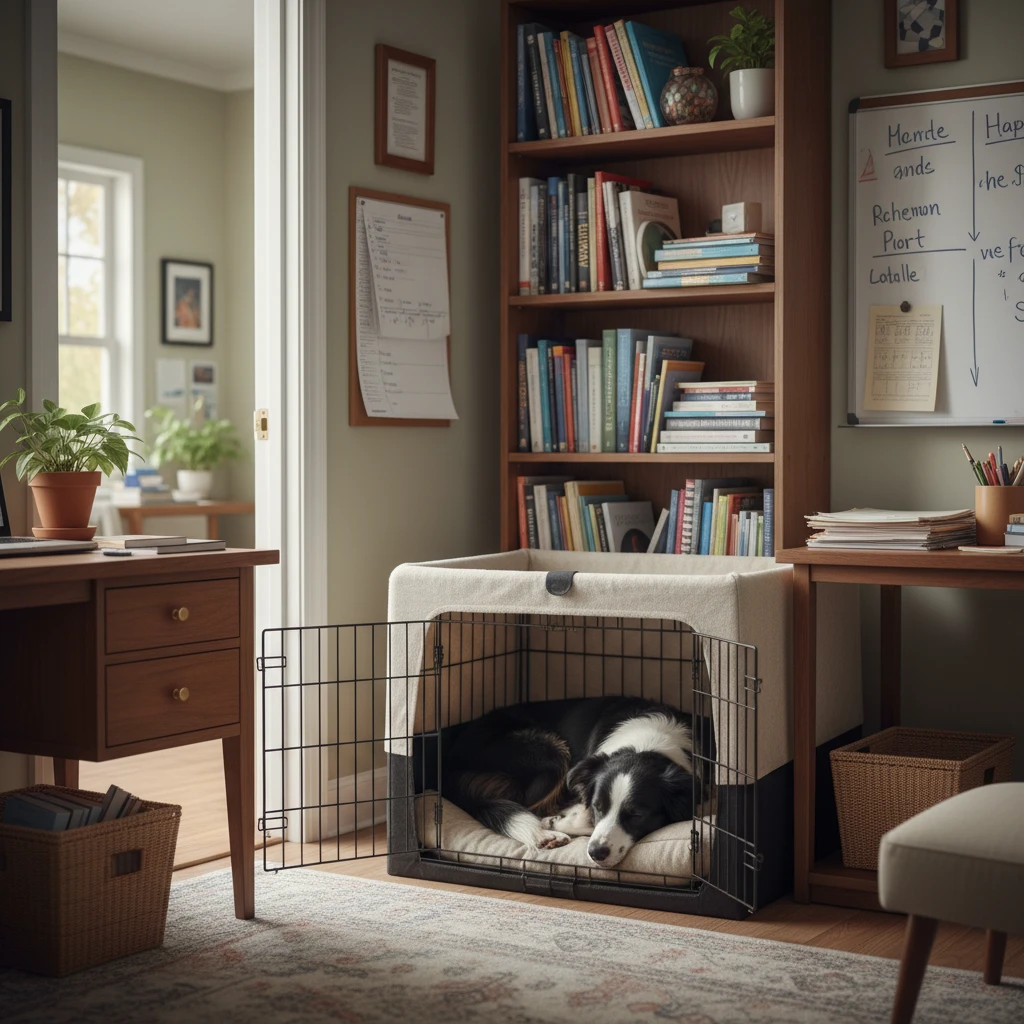
- Secure the dog in a crate or office if the handler is teaching a class where the dog cannot be actively supervised.
Animal Welfare Standards
A school can be a high-stress environment for a dog. To model empathy and responsibility to students, your policy must prioritize the dog’s welfare. This aligns with the Animal Welfare Act 1999.
The “Two-Hour” Rule
Many experts suggest that therapy dogs should not work full school days. Consider clauses such as:
- Rest Periods: The dog must have a quiet, dark place to rest away from students for at least 20 minutes every two hours.
- Water Access: Fresh water must be available at all times.
- Right of Refusal: The handler has the absolute right to remove the dog from a situation if the dog shows signs of stress (panting, lip licking, cowering), regardless of the scheduled activity.
Board of Trustees Approval Guide
Getting your school dog policy template nz approved by the Board of Trustees (BoT) requires a professional presentation. The Board’s primary concern is risk.
The Proposal Package
Do not just present the policy. Present a full proposal package containing:
- The Policy Draft: The full legal text.
- The Risk Assessment Matrix: A detailed Excel sheet listing potential hazards (bites, allergies, fleas, tripping) and the control measures.
- Evidence of Benefit: Research or case studies from other NZ schools showing positive outcomes.
- The “Trial Period” Clause: Suggest a 6-week trial period after which the Board can review the program’s impact before permanent ratification.
Consultation
Under the Health and Safety at Work Act, you must consult with staff regarding hazards. Include survey results from staff and the community in your Board packet. Showing that 90% of the community supports the initiative makes it difficult for the Board to refuse based on personal preference.
Incident Response Protocols
Even with the best training, animals can be unpredictable. Your policy must have a clear flowchart for incidents.
What happens if a scratch or bite occurs?
- Immediate Action: Remove the dog from the area immediately and secure it.
- Medical Attention: First aid administered to the student/staff member.
- Notification: Parents notified immediately.
- Reporting: Incident logged in the school’s Health & Safety register (e.g., in the SMS or hazard register).
- Review: The dog is suspended from duty pending a review of the incident.
Having this protocol written down demonstrates to the Board and parents that you are prepared for the worst-case scenario, which paradoxically increases their confidence in the program.

People Also Ask (PAA)
Do schools in NZ need a specific license to have a therapy dog?
No, there is no specific government license required for a school to have a therapy dog in New Zealand. However, the school must comply with the Health and Safety at Work Act 2015 and the Dog Control Act 1996. While not a legal requirement, obtaining certification like the Canine Good Citizen award is highly recommended to demonstrate due diligence.
How do I write a risk assessment for a school dog?
To write a risk assessment, identify potential hazards (e.g., bites, allergies, tripping, fleas). For each hazard, determine the likelihood and severity of harm. Then, list control measures (e.g., supervision, hygiene protocols, insurance). Finally, assign a person responsible for monitoring these controls. This document should be reviewed termly.
Can a student bring their own dog to school in NZ?
Generally, no. Most school policies strictly prohibit students from bringing pets to school due to health and safety risks. Exceptions are made for certified Disability Assist Dogs, which have legal access rights under the Human Rights Act 1993 and the Dog Control Act 1996.
What insurance is needed for a school therapy dog?
The dog’s owner should hold third-party public liability insurance that covers the dog’s work activities. The school should also verify with their own insurance provider that their public liability cover extends to animal-assisted therapy activities on school grounds.
What are the best breeds for school therapy dogs?
While temperament is more important than breed, breeds known for patience and low reactivity are preferred. Golden Retrievers, Labradors, and Poodles (often chosen for their hypoallergenic coats) are popular choices in NZ schools. Working breeds with high energy or guarding instincts are generally less suitable.
How do schools handle cultural objections to dogs?
Schools must be culturally responsive. Some cultures or religions view dogs as unclean or dangerous. A robust policy includes a consultation process and ensures that no student is forced to interact with the dog. Designated “dog-free” zones allow students to move through the school without fear of contact.