
Palmerston North visiting dogs are professionally assessed therapy animals providing animal-assisted interventions across the Manawatu region. These specialized canine teams visit hospitals, schools, universities like Massey, and aged care facilities to lower stress levels, improve mental well-being, and offer non-judgmental companionship through structured community outreach programs.
The Impact of Visiting Dogs in the Manawatu Region
The concept of animal-assisted therapy has evolved significantly over the past decade, moving from a niche activity to a cornerstone of holistic community wellness. In Palmerston North, visiting dogs serve as a vital bridge between clinical therapy and social support. These programs are not merely about bringing a pet into a room; they are structured interactions designed to achieve specific physical, social, cognitive, and emotional goals.
Service providers in the Manawatu region operate with a distinct understanding of the local demographic. With a unique blend of a large student population, a thriving retirement community, and a bustling hospital sector, the demand for Palmerston North visiting dogs has never been higher. These canine ambassadors are trained to navigate diverse environments, from the quiet corridors of the Palmerston North Hospital to the energetic atmosphere of primary school classrooms.
Coverage Across the Region
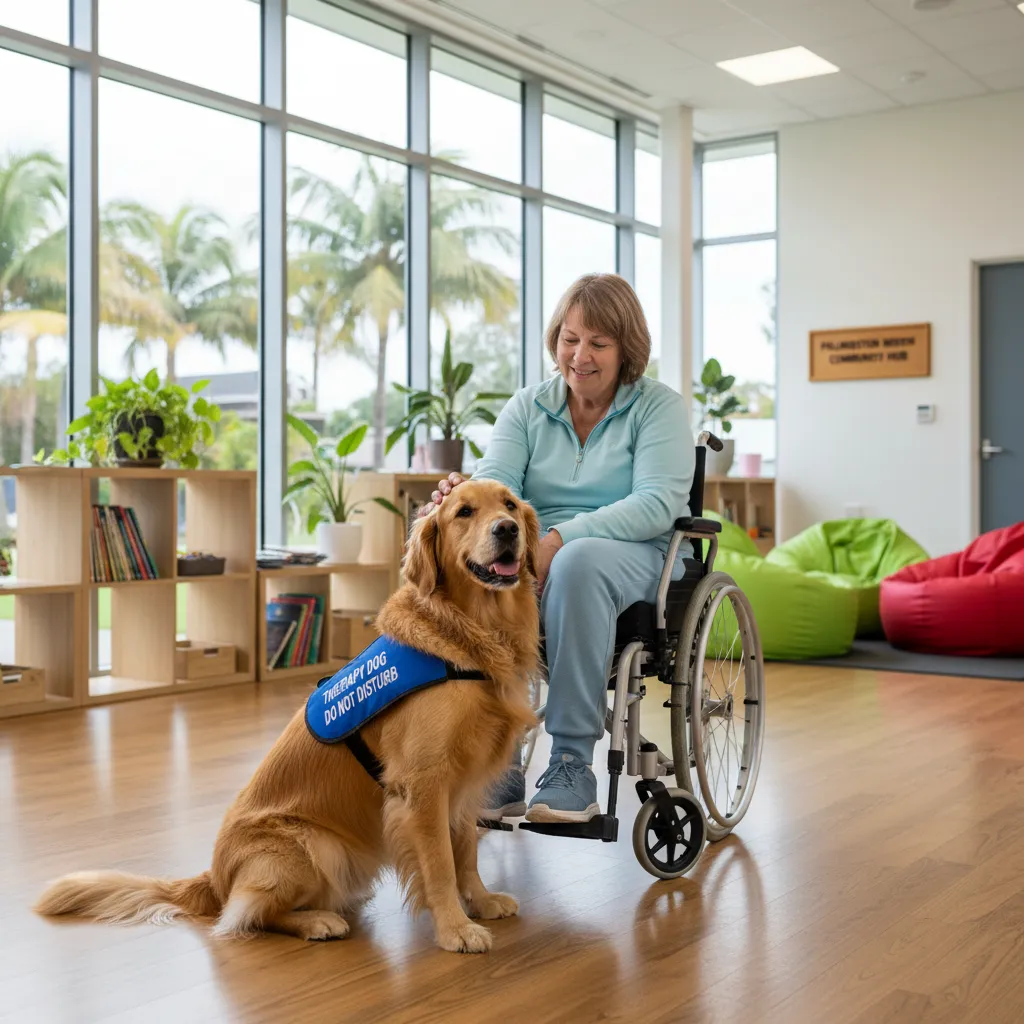
While the city center remains a hub for activity, visiting dog programs extend their reach well beyond the Square. Mobile therapy teams frequently service surrounding townships including Feilding, Ashhurst, and Bunnythorpe. This regional coverage ensures that rural schools and isolated aged care facilities receive the same level of emotional support as their urban counterparts.
The versatility of these visiting dogs allows them to adapt to the specific needs of each location. In rest homes, the focus is often on memory stimulation and combating loneliness. In contrast, corporate wellness visits in the CBD focus on stress reduction and team building, proving that the utility of visiting dogs spans every sector of the economy.
Massey University Wellness and Student Support
One of the most prominent applications of visiting dogs in Palmerston North occurs within the tertiary education sector. Massey University, with its rigorous academic environment, has recognized the profound impact of canine companionship on student mental health. Wellness events featuring visiting dogs have become a staple of the academic calendar, particularly during high-stress periods.
Exam Stress Relief Initiatives
During exam weeks, cortisol levels among students skyrocket. “Destress with Dogs” events provide a physiological reset. Research indicates that just 10 to 15 minutes of interaction with a friendly dog can significantly lower heart rate and blood pressure. These events are strategically organized by student associations and wellness centers, bringing certified visiting dogs onto campus to create a sanctuary of calm amidst the academic storm.

International Student Support
For international students residing in Palmerston North, homesickness can be a formidable challenge. Many have left their own family pets behind. Visiting dog programs facilitate a sense of belonging and comfort that transcends language barriers. The non-verbal communication shared with a dog provides emotional grounding, helping students integrate better into the Manawatu community and reducing improved retention rates for the university.
Community Outreach: Beyond the Campus
The scope of Palmerston North visiting dogs extends deep into the fabric of the broader community. Outreach programs are tailored to address specific societal challenges, utilizing the human-animal bond to foster literacy, rehabilitation, and social inclusion.
Canine Reading Buddies in Libraries
Several libraries in the Palmerston North area host “Read to a Dog” programs. These initiatives are designed for children who struggle with reading aloud due to anxiety or learning difficulties. A dog is a non-judgmental listener; it does not correct pronunciation or sigh at a slow pace. This creates a safe environment where children can build confidence in their literacy skills. The presence of the dog transforms reading from a chore into a reward, encouraging consistent practice.
Hospital and Rehabilitation Visits
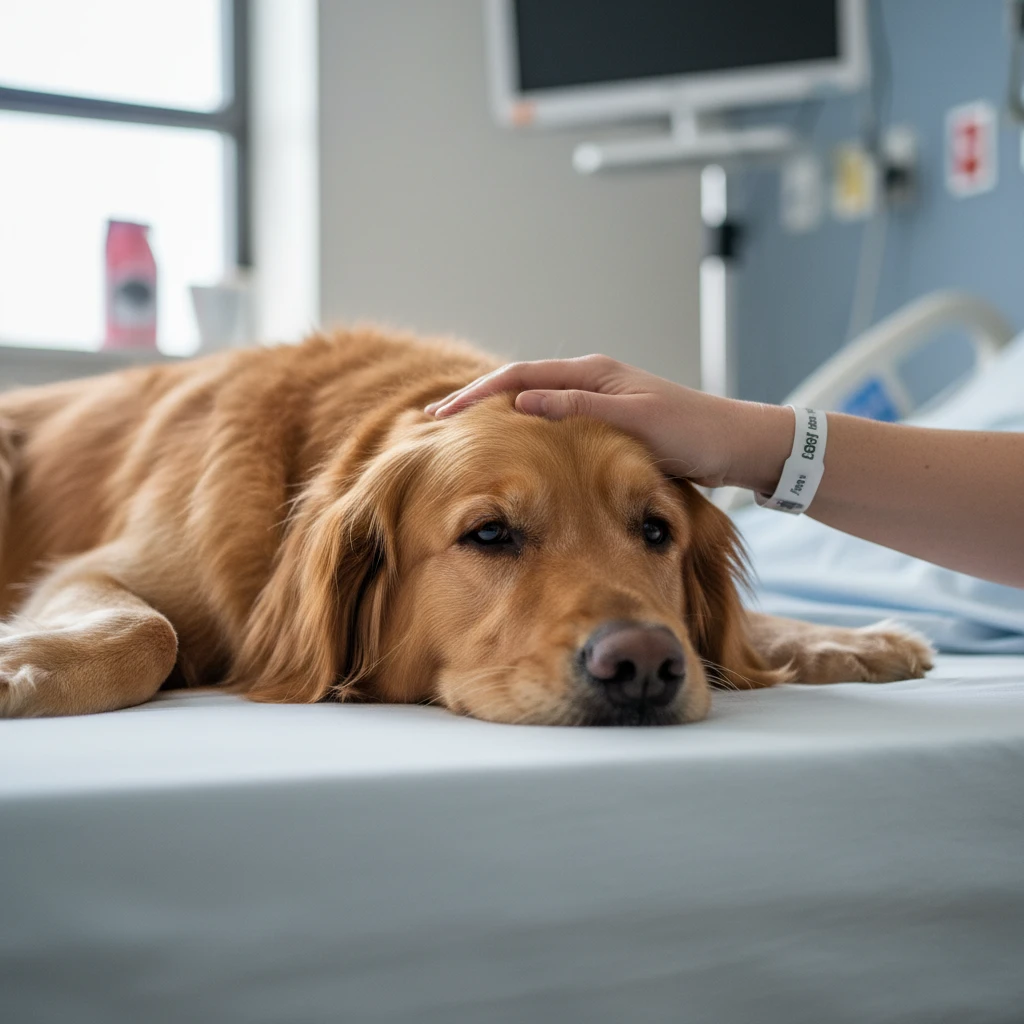
In clinical settings, visiting dogs are often part of a multidisciplinary approach to recovery. At Palmerston North Hospital and local rehabilitation centers, these dogs motivate patients to move. Brushing a dog, throwing a ball, or simply walking alongside a therapy animal can serve as disguised physical therapy, improving fine motor skills and mobility. Furthermore, the oxytocin release associated with petting a dog can act as a natural pain reliever, complementing traditional medical treatments.
The Science of Animal-Assisted Therapy
To understand the commercial value of hiring visiting dogs, it is essential to look at the underlying science. Organizations investing in these services are not just paying for a “feel-good” moment; they are investing in physiological and psychological health interventions.
Physiological Benefits:
- Cortisol Reduction: Interaction with dogs lowers the primary stress hormone, leading to a calmer state of mind.
- Oxytocin Release: Often called the “love hormone,” oxytocin increases trust and empathy while reducing fear.
- Cardiovascular Health: Regular interactions can lower blood pressure and improve cardiovascular recovery rates.
Psychological Benefits:
- Anxiety Management: Dogs provide a focal point that grounds individuals suffering from anxiety or panic attacks.
- Social Lubrication: In corporate or group settings, dogs act as icebreakers, facilitating conversation and improving team dynamics.
- Mood Enhancement: The simple act of petting a dog stimulates the production of serotonin and dopamine.
How to Request a Visit in Palmy
For businesses, schools, and healthcare providers looking to engage Palmerston North visiting dogs, the process involves several key steps to ensure safety and suitability. Because this is a specialized service involving live animals, it is not as simple as booking a venue.
Step 1: Identify Your Needs
Before making a request, define the objective of the visit. Are you looking for a one-off stress relief event for staff? A recurring reading program for a school? Or regular bedside visits for a hospice? The nature of the request will dictate which organization and which specific dogs are suitable. Some dogs are high-energy and suited for large groups, while others are calm and suited for one-on-one clinical interactions.
Step 2: Contact Accredited Organizations
In New Zealand, and specifically the Manawatu, several organizations manage therapy dog teams. Prominent groups include Canine Friends Pet Therapy and St John Therapy Pets. When contacting them, be prepared to provide:
- The proposed date and time of the visit.
- The expected number of participants.
- The physical environment (indoor/outdoor, noise levels, accessibility).
- Any specific allergens or phobias among the participants.
Step 3: Site Assessment and Safety
Reputable providers may require a site assessment prior to the first visit. This ensures the environment is safe for the dog (e.g., no toxic plants, secure boundaries, safe flooring). It also establishes protocols for hygiene and interaction. For commercial entities, you may need to sign a Memorandum of Understanding (MoU) regarding liability and code of conduct.

Safety Standards and Certification
Not every friendly dog can be a visiting dog. The animals operating in Palmerston North undergo rigorous testing to ensure they possess the correct temperament for therapy work. This distinction is crucial for liability and effectiveness.
Temperament Testing
Dogs are assessed on their reaction to sudden noises, clumsy handling, medical equipment (like wheelchairs and crutches), and other dogs. They must remain calm, controllable, and eager to interact without jumping or barking. Handlers are also tested on their ability to read their dog’s body language and advocate for the animal’s welfare.
Hygiene and Health Protocols
Visiting dogs must meet strict veterinary standards. This includes up-to-date vaccinations, regular flea and worm treatments, and general grooming standards. When visiting sterile environments like hospitals, additional hygiene protocols, such as using paw sanitizers or wearing protective booties, may be enforced. By adhering to these strict standards, providers ensure that the benefits of animal-assisted therapy are delivered without compromising the health or safety of the clients.
Frequently Asked Questions
How much does it cost to have visiting dogs attend an event in Palmerston North?
Most visiting dog organizations in New Zealand, such as St John or Canine Friends Pet Therapy, operate on a volunteer basis. However, for corporate events or private functions, a donation to the organization is typically expected to cover administrative costs, uniforming, and training expenses. It is best to discuss the donation structure directly with the local coordinator.
Can I volunteer my own dog for visiting programs in the Manawatu?
Yes, if your dog has a calm temperament and enjoys meeting new people. You will need to apply through an accredited organization like Canine Friends Pet Therapy. The process involves a formal assessment of your dog’s behavior, a police vet check for the handler, and an orientation period.
Are visiting dogs allowed in Palmerston North hospitals?
Yes, visiting dogs are allowed in specific wards of Palmerston North Hospital, provided they are part of an accredited program and have prior approval. They are generally restricted from high-risk areas like Intensive Care Units (ICU) or sterile surgical theaters.
What is the difference between a service dog and a visiting therapy dog?
A service dog is trained to perform specific tasks for one person with a disability and has public access rights. A visiting therapy dog is a pet trained to provide comfort to many people and only has access to facilities where they are invited; they do not have the same legal public access rights as service dogs.
How long does a typical therapy dog visit last?
To ensure the welfare of the animal, visits are usually limited to between 45 minutes and one hour. Dogs can absorb a lot of emotional energy and tire quickly. Handlers monitor their dogs closely for signs of stress or fatigue.
Can schools in Palmerston North book regular dog visits?
Absolutely. Many schools in the Manawatu region have ongoing arrangements for reading programs or wellness support. Schools must ensure they have parental consent protocols in place regarding allergies or children with a fear of dogs.