
Therapy dog training in Hamilton involves specialized courses designed to prepare canine-handler teams for Animal Assisted Therapy (AAT) work. These programs focus on advanced obedience, temperament stability, and desensitization to medical environments, ensuring dogs can safely interact with vulnerable populations in Waikato hospitals, schools, and care facilities.
Course Overview: Becoming a Therapy Team
Entering the world of Animal Assisted Therapy (AAT) is a transformative journey for both the handler and the dog. In Hamilton and the wider Waikato region, the demand for qualified therapy dog teams has surged. Facilities ranging from Waikato Hospital to local primary schools and aged care residences are actively seeking certified teams to provide comfort, reduce anxiety, and assist in therapeutic interventions.
However, a friendly dog does not automatically equate to a therapy dog. Professional therapy dog training in Hamilton bridges the gap between a well-loved pet and a working professional capable of navigating complex environments. The training is rigorous, focusing not just on the dog’s obedience, but on the handler’s ability to advocate for their animal and manage interactions safely.
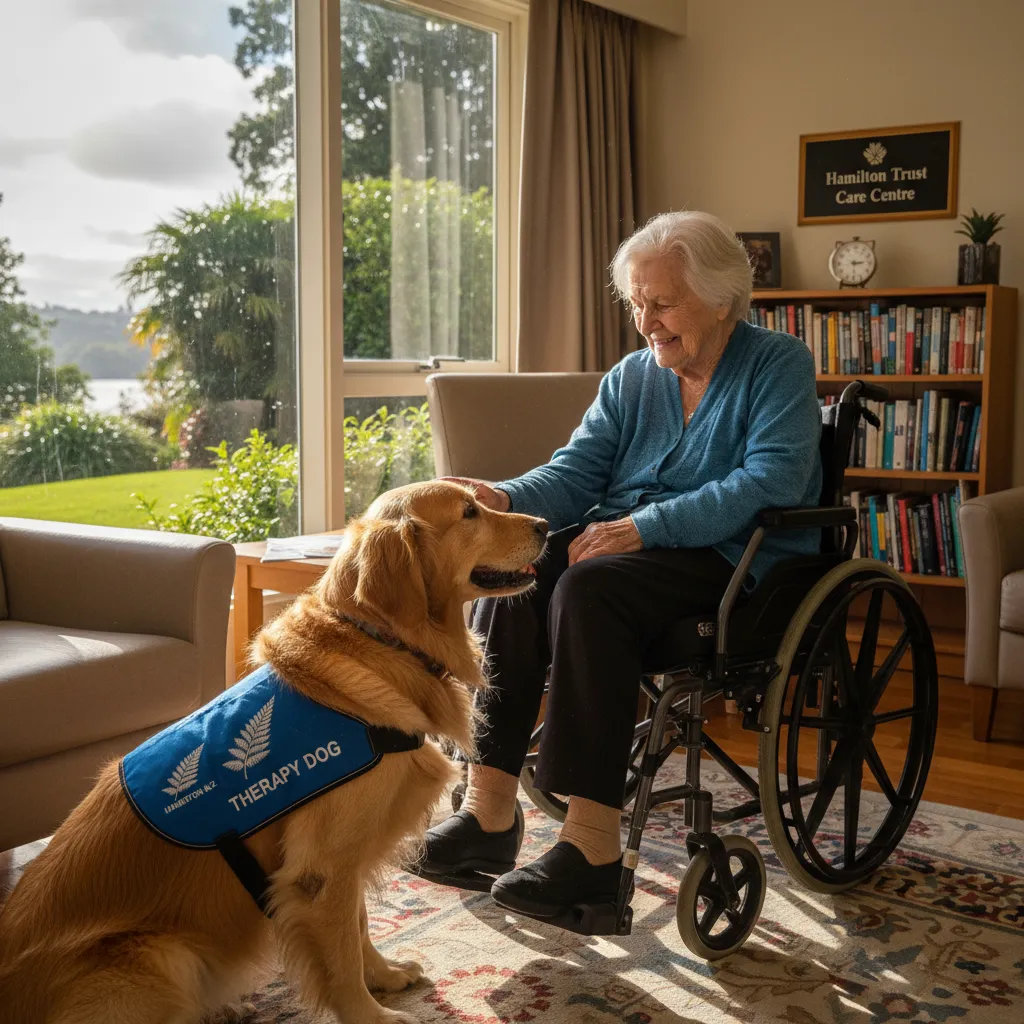
Our training programs are structured to meet the high standards required by national bodies and insurance providers. We emphasize positive reinforcement techniques that build a bond of trust, ensuring that the dog enjoys the work as much as the recipients of their affection do. By the end of this course, you will understand the nuances of canine body language, infection control protocols, and the ethics of animal-assisted intervention.
Course Dates and Locations in Waikato
Accessibility is key to our training model. We utilize various venues across Hamilton to simulate real-world environments, ensuring your dog is adaptable to different floor textures, acoustic levels, and visual stimuli. Below are the upcoming intakes for the current training season.
Upcoming Intake Dates
- Autumn Intake: Starts March 15th (Running for 8 weeks).
- Winter Intake: Starts June 10th (Running for 8 weeks).
- Spring Intake: Starts September 5th (Running for 8 weeks).
- Intensive Weekend Workshop: November 12th-14th (Fast-track for advanced handlers).
Primary Training Venues
To ensure a comprehensive training experience, we rotate locations throughout the Waikato region:
- The Hamilton Gardens Pavilion: Used for high-distraction training and public socialization exercises.
- Frankton Community Hall: Our primary indoor facility for obedience drills and theory sessions.
- Rototuna Sports Park: Utilized for outdoor control, long-line work, and recall under distraction.
- Simulated Ward Environments: We have partnered with select private care facilities to provide “mock visits” in a controlled medical setting during weeks 6 and 7.
Curriculum Overview
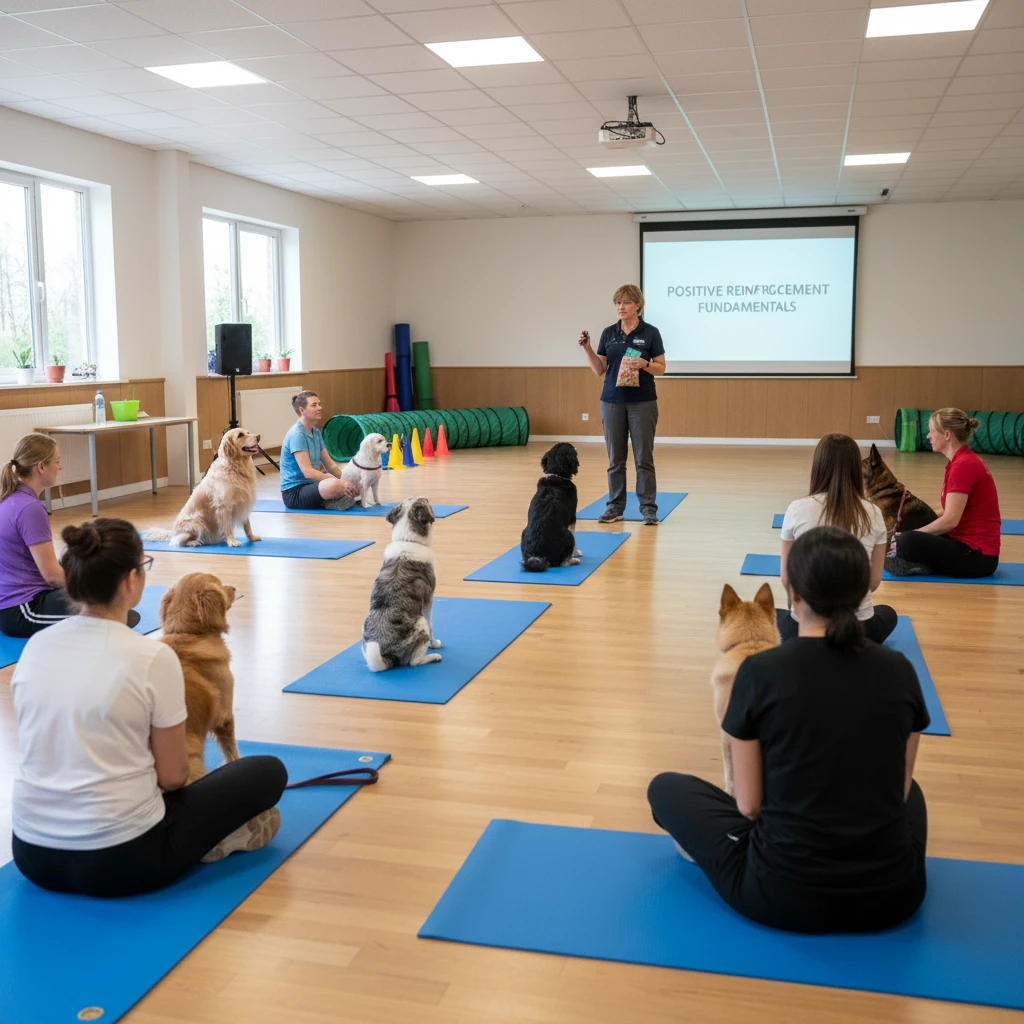
Our therapy dog training Hamilton curriculum is designed using an inverted pyramid approach, starting with critical safety foundations and moving toward complex therapeutic scenarios. The course is split into theoretical knowledge and practical application.
Module 1: Advanced Obedience & Control
Before a dog can enter a facility, their obedience must be impeccable. This module goes beyond “sit” and “stay.” We focus on:
- Loose Leash Walking: Navigating tight corridors without pulling, regardless of distractions.
- The “Leave It” Command: Crucial for hospitals where dropped medication or food could be fatal.
- Four-on-the-Floor: Eliminating all jumping behaviors to protect frail patients and children.
- Wait at Thresholds: Ensuring the dog never rushes through a door or elevator.
Module 2: Environmental Desensitization
Therapy dogs must remain calm amidst the chaos of a working environment. This section of the course exposes the dogs to:
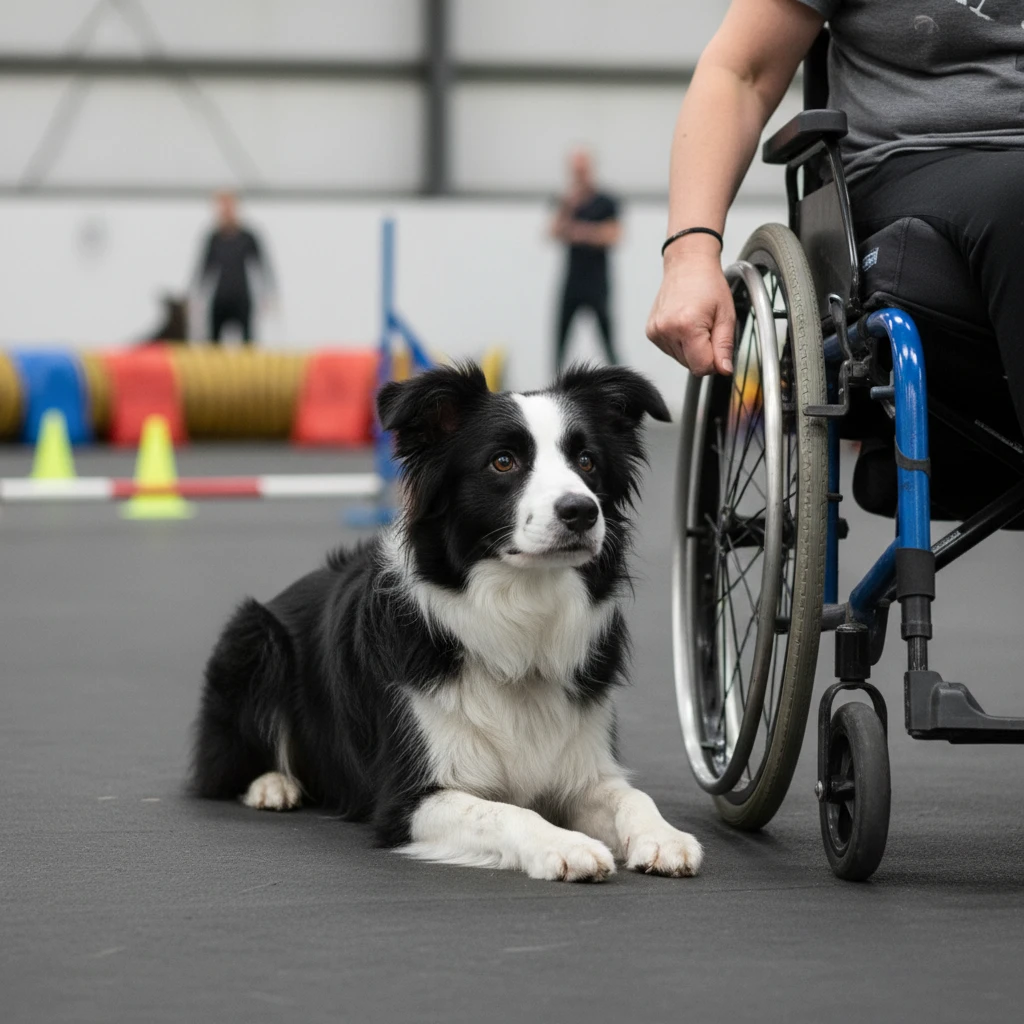
- Medical Equipment: Interaction with wheelchairs, walkers, crutches, and IV poles.
- Auditory Stimuli: Sirens, dropped metal trays, loud speakers, and shouting.
- Tactile Tolerance: Being touched clumsily, having ears or tails gently tugged (simulating child interaction), and awkward hugging.
Module 3: Handler Skills & Ethics
The human half of the team is just as important. We teach you:
- Canine Body Language: Recognizing signs of stress (lip licking, whale eye) to prevent burnout.
- Infection Control: Grooming standards, paw cleaning protocols, and hygiene in clinical settings.
- Patient Confidentiality: Understanding privacy laws within NZ healthcare systems.
- Advocacy: How to politely decline an interaction if your dog is tired or the situation is unsafe.
Assessment Requirements
To graduate from our therapy dog training Hamilton program, teams must pass a rigorous multi-stage assessment. This ensures that only safe, reliable teams are deployed into the community. The assessment aligns with international standards for Animal Assisted Intervention.
The Temperament Test
This is the initial barrier to entry. Dogs are evaluated on their innate personality. We look for dogs that are affiliative (seek out human connection), recovering quickly from startling noises, and show no signs of aggression or excessive shyness. A dog that is merely tolerant is not a therapy dog; they must actively enjoy the social interaction.
The Practical Skills Exam
Modeled after the Canine Good Citizen Gold standard but adapted for therapy work, this exam includes:
- Supervised Separation: The handler leaves the room for 3 minutes; the dog must remain calm with a stranger.
- Crowd Navigation: Walking through a busy group of people without shying away or becoming over-excited.
- Reaction to Distraction: A loud noise is produced; the dog may startle but must recover instantly and not show aggression.
- Gentle Acceptance of Treats: taking food without nipping fingers.
The Observed Visit
The final step is a probationary visit to a partner facility in Hamilton. An evaluator shadows the team during a real-world interaction. The evaluator assesses the handler’s proactive management and the dog’s comfort level. Success here leads to full certification.
Registration Form
Ready to begin your journey? Spaces in our Hamilton courses are limited to ensure a low student-to-instructor ratio. Please review the prerequisites before submitting your registration.
Prerequisites
- Dog must be at least 12 months old.
- Proof of current vaccination (C5) and registration with Hamilton City Council.
- No history of aggression towards humans or other dogs.
- Completion of a basic obedience course is highly recommended.

Enrollment Steps
To secure your spot in the next intake, please follow these steps:
- Download the Application: Visit our portal to download the PDF intake form.
- Vet Clearance: Have your veterinarian sign the health clearance section.
- Submit Video Submission: Upload a 2-minute video of your dog performing basic commands (Sit, Down, Stay) to our secure server.
- Payment: A deposit of $150 NZD is required to hold your booking. The full course fee is $450 NZD.
Contact our Hamilton Coordinator:
Email: training@waikatotherapydogs.co.nz
Phone: 07-839-XXXX
People Also Ask
What breeds make the best therapy dogs?
There is no specific breed required for therapy work. While Golden Retrievers and Labradors are common due to their gentle nature, any breed from Poodles to Greyhounds can be therapy dogs if they possess the right temperament. The key is a calm, confident, and people-oriented personality.
What is the difference between a therapy dog and a service dog?
This is a critical distinction. A service dog (or assistance dog) is trained to perform specific tasks for one person with a disability and has public access rights. A therapy dog is trained to provide comfort to many people in facilities and does not have public access rights in places like supermarkets or restaurants.
How much does therapy dog training cost in Hamilton?
Costs vary by provider, but generally, a comprehensive 8-week course ranges from $350 to $600 NZD. This usually includes the assessment fee, training materials, and sometimes the therapy vest upon graduation.
How long does it take to certify a therapy dog?
The process typically takes 3 to 6 months. This includes the 8-week training course, practice time, and the final assessments. However, if a dog requires more foundational obedience work, it may take longer.
Where can I volunteer with my therapy dog in Waikato?
Once certified, you can volunteer with organizations like St John, Canine Friends Pet Therapy, or directly with facilities such as Waikato Hospital, local hospices, retirement villages, and schools participating in reading programs.
Is my certification recognized throughout New Zealand?
Most reputable courses in Hamilton align their standards with national organizations. However, some national bodies (like St John) have their own specific assessment. Our training prepares you to pass these external assessments with ease.