
Clinical animal assisted therapy in New Zealand involves goal-directed interventions where a qualified health professional uses a trained animal to assist in patient treatment. Unlike casual visitation, these sessions are documented and structured to meet specific therapeutic goals in allied health fields like physiotherapy, speech therapy, and dentistry.
What is Clinical Animal Assisted Therapy in NZ?
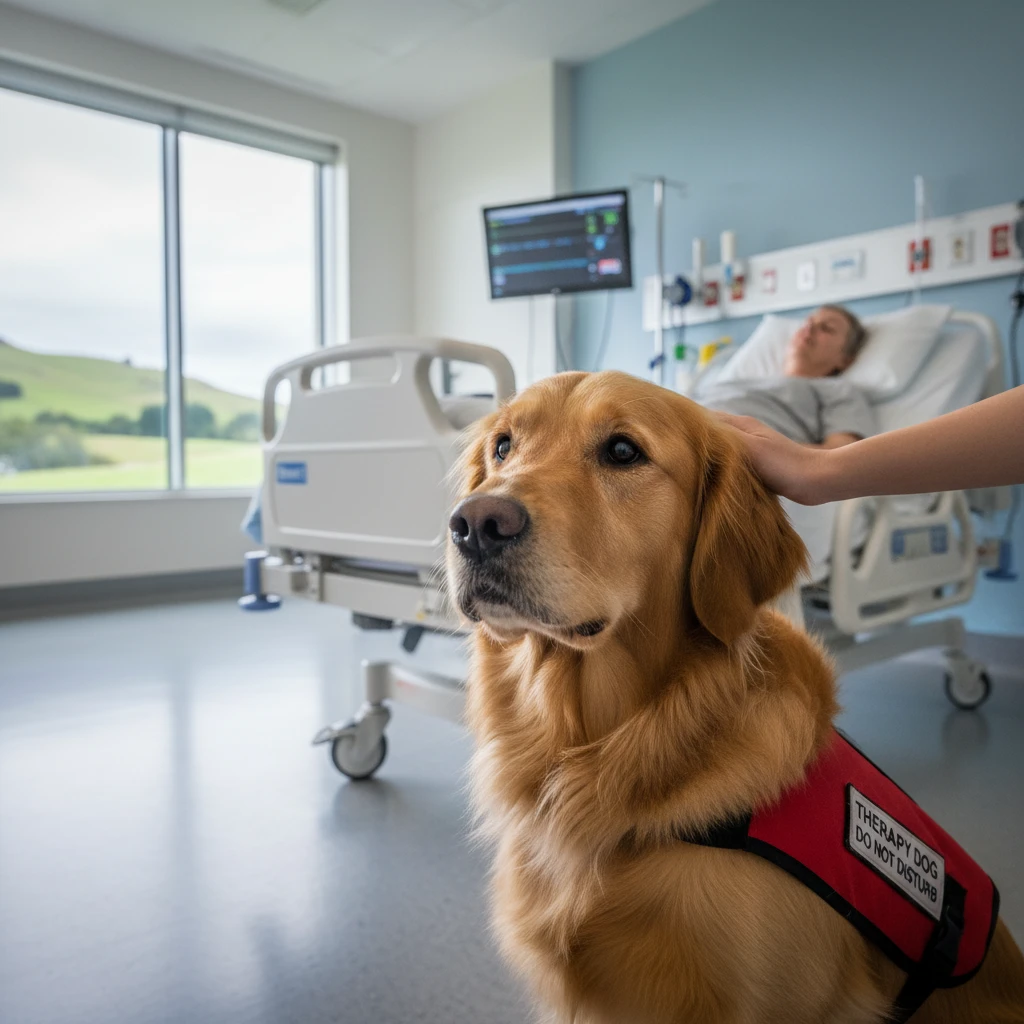
In the evolving landscape of New Zealand healthcare, Clinical Animal Assisted Therapy (AAT) has emerged as a sophisticated modality within the broader spectrum of Animal Assisted Interventions (AAI). Unlike Animal Assisted Activities (AAA), which are generally casual “meet and greet” sessions often seen in rest homes or university campuses to lower stress, clinical AAT is a formal therapeutic process.
In a clinical setting, the animal—most commonly a dog, though sometimes cats or rabbits—functions as a therapeutic tool under the direct supervision of a licensed healthcare professional. This professional could be a physiotherapist, occupational therapist, speech-language therapist, psychologist, or dentist. The intervention is characterized by specific criteria:
- Goal-Oriented: Every interaction has a specific clinical objective (e.g., improving range of motion, reducing dental anxiety, or increasing vocal volume).
- Documented: Progress is tracked in patient notes just like any other medical intervention.
- Professional Oversight: The handler is usually the clinician or works in a tight dyad with the clinician.
New Zealand’s healthcare sector is increasingly recognizing the biopsychosocial benefits of AAT. From private practices in Auckland to rehabilitation centers in Christchurch, the integration of therapy animals is moving from a novelty to an evidence-based practice.
Specialized Interventions for Allied Health
The versatility of AAT allows it to be adapted across various allied health disciplines. Each discipline utilizes the animal’s presence and interaction capabilities to target specific rehabilitative or therapeutic mechanisms.
Speech-Language Therapy (SLT)
In the realm of speech-language therapy, animals serve as non-judgmental listeners, which is particularly vital for children with speech impediments or adults recovering from a stroke (aphasia). The anxiety of performance is significantly reduced when the recipient of the communication is a dog rather than a human.
Clinical Applications in SLT:
- Prepositions and Commands: Patients practice giving commands like “sit,” “stay,” or “under,” which reinforces understanding of prepositions and verbs.
- Oral-Motor Exercises: While less direct, the motivation to articulate clearly to get a response from the animal can drive improvements in oral-motor control.
- Social Pragmatics: For clients with autism spectrum disorder (ASD), the animal acts as a social lubricant, bridging the gap between the client and the therapist, fostering joint attention.
Physiotherapy and Occupational Therapy
Physiotherapists in New Zealand are utilizing dogs to encourage movement in patients who might otherwise be resistant to painful or repetitive exercises. The dog transforms the context of the therapy from “exercise” to “play” or “care.”
Clinical Applications in Physio/OT:
- Gross Motor Skills: Throwing a ball involves range of motion, balance, and coordination. Walking a dog (even with a dual lead) encourages gait training and endurance.
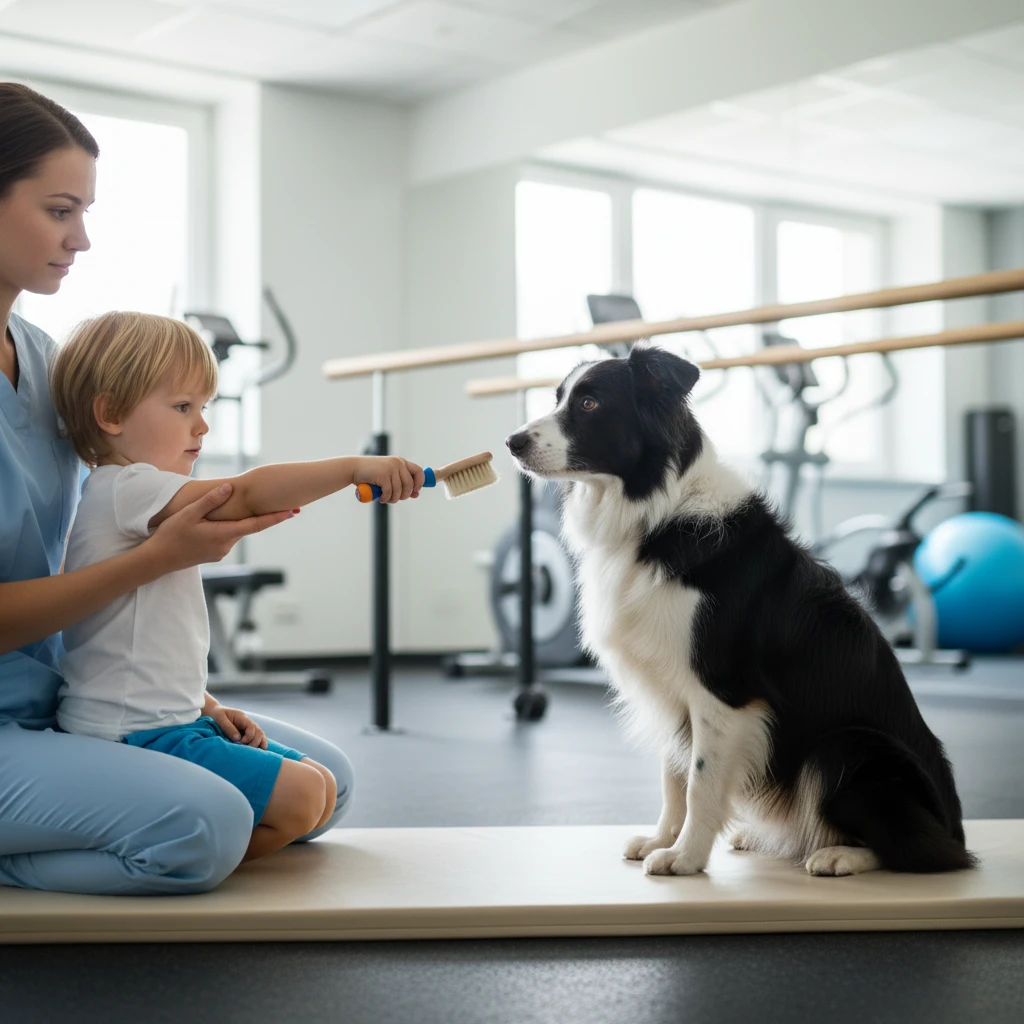
- Fine Motor Skills: Fastening a leash, grooming the animal (brushing), or opening a treat pouch requires dexterity and finger strength.
- Balance and Core Stability: Patients may be asked to stand while grooming a dog placed on a raised table, engaging core muscles to maintain stability without relying on handrails.
Dental Interventions
Dental anxiety is a significant barrier to oral health in New Zealand. Clinical AAT in dental practices is becoming a premium service offering. The presence of a calm dog can trigger a parasympathetic nervous system response, countering the “fight or flight” sympathetic response associated with dental phobia.
In these settings, a dog may sit on the patient’s lap (if small) or lie by the chair. The rhythmic breathing and warmth of the animal provide a tactile anchor, distracting the patient from the sensory overload of dental drills and instruments.
The Science of Compliance: Improving Patient Outcomes
One of the most profound impacts of clinical animal assisted therapy NZ wide is the improvement in patient compliance and motivation. In rehabilitation, the repetition of exercises is key to recovery, yet boredom and pain often lead to poor adherence. Animals change the neurochemical environment of the therapy session.
The Oxytocin Effect
Interaction with a friendly animal has been scientifically proven to release oxytocin—the “bonding hormone”—in both the human and the animal. Concurrently, it reduces cortisol (stress hormone) levels. This biochemical shift creates a state of physiological relaxation and trust.
Motivation and Distraction
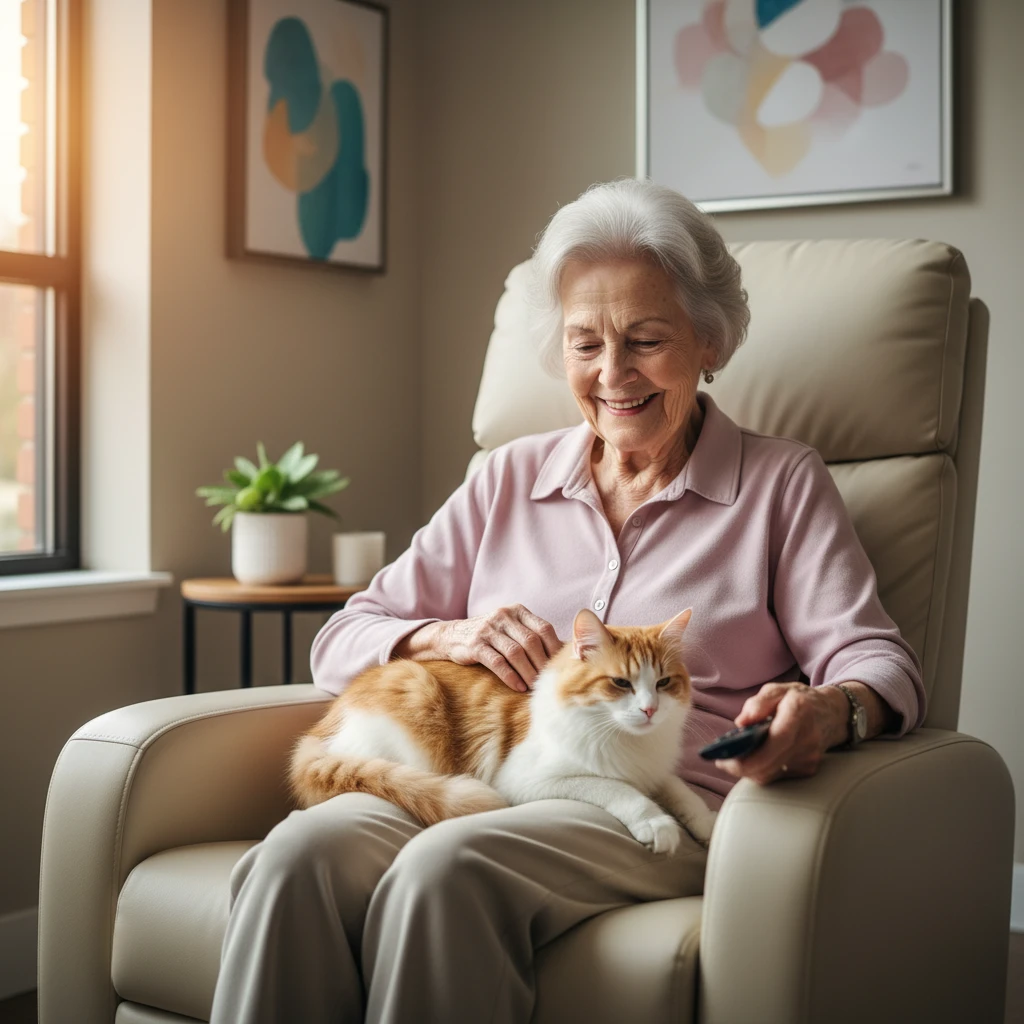
Pain perception is subjective and can be modulated by attention. When a patient is focused on an animal, their perception of pain often diminishes, allowing them to push further in physical therapy than they would in isolation. This is particularly effective in pediatric units and geriatric care, where motivation can be difficult to sustain.
For example, a stroke survivor might struggle to lift their arm 10 times for a therapist. However, if asked to brush a dog 10 times, the focus shifts from the limitations of the arm to the care of the animal, resulting in higher compliance and better functional outcomes.
Hygiene, Infection Control, and Safety Protocols
Implementing animal assisted therapy in clinical settings requires rigorous adherence to safety and hygiene standards. In New Zealand, healthcare providers must navigate the Health and Disability Services Standards (NZS 8134:2021) and ensure that the introduction of animals does not compromise infection prevention and control (IPC).
Zoonotic Disease Mitigation
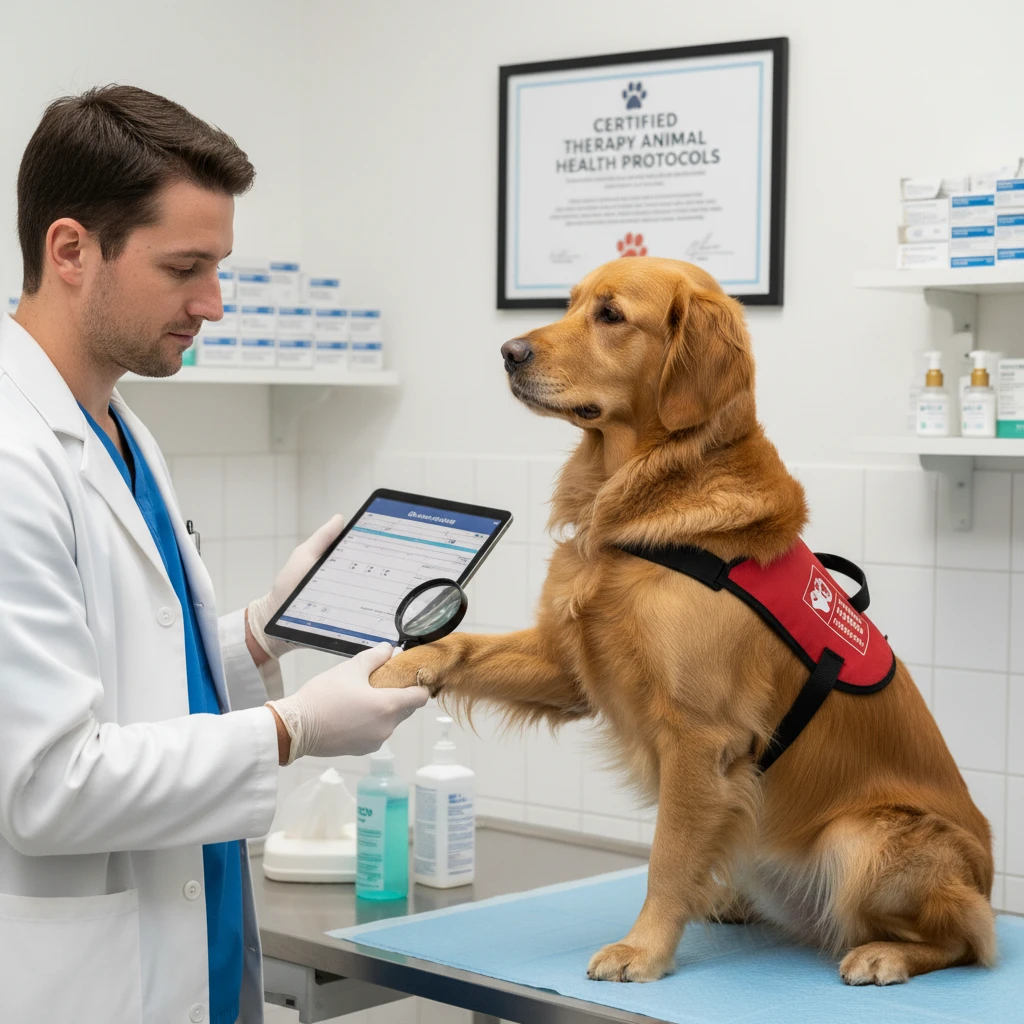
The primary concern in clinical environments is zoonosis—the transfer of disease from animal to human. To mitigate this, clinical AAT programs must enforce strict veterinary protocols:
- Vaccinations: Animals must be fully vaccinated according to NZ veterinary standards (e.g., DHPP, Leptospirosis, Kennel Cough).
- Parasite Control: Rigorous flea, tick, and worming schedules must be documented.
- Health Clearances: Regular veterinary checks to ensure the animal is free of skin conditions (like ringworm) or other communicable issues.
Clinical Hygiene Protocols
Within the clinic, the “One Health” approach is utilized to ensure safety for all parties:
- Hand Hygiene: Patients must wash hands or use alcohol-based sanitizer before and after interacting with the animal.
- Barriers: If a dog is on a hospital bed, a dedicated barrier sheet must be used to prevent contact between the animal’s fur and the patient’s bedding.
- Exclusion Zones: Animals are strictly prohibited from sterile zones, operating theatres, and food preparation areas.
- Grooming: Animals must be groomed within 24 hours of a clinical visit to reduce dander and allergens. Nails must be trimmed to prevent accidental scratches.
Hiring and Training Professional Clinical Teams
For New Zealand healthcare facilities looking to implement AAT, hiring or contracting the right team is crucial. It is not sufficient for a staff member to simply bring their pet to work. Clinical AAT requires a “Therapy Team”—a handler and an animal who have been evaluated and certified together.
Certification and Accreditation
In New Zealand, organizations such as Therapy Dogs New Zealand, St John, or Canine Friends Pet Therapy provide assessments, though clinical-level work often requires higher-level certification than standard visitation. Facilities should look for teams that have passed:
- Temperament Testing: The animal must remain calm in high-stress environments, tolerate clumsy handling, and ignore dropped food or medical equipment noises.
- Handler Training: The human half of the team must be trained in reading canine body language to prevent stress in the animal, ensuring the welfare of the therapy partner.
Liability and Insurance
Before commencing a program, clinics must address liability. While the Accident Compensation Corporation (ACC) covers personal injury treatment in NZ, private businesses still require public liability insurance that specifically includes animal activities. Professional AAT providers usually carry their own insurance, but facilities should verify this coverage.
Staff Training
Finally, the wider clinical team needs education. Nurses, receptionists, and other therapists need to know the protocols: how to approach the dog, when not to disturb a session, and how to manage patients who may be allergic or fearful of dogs. A successful program relies on the buy-in and understanding of the entire staff.
People Also Ask
What qualifications do therapy dogs need in NZ?
Therapy dogs in NZ typically require certification from recognized bodies like Therapy Dogs New Zealand or St John. This involves passing a rigorous temperament test to ensure they are calm, obedient, and safe in public settings. For clinical work, advanced obedience and desensitization to medical equipment (wheelchairs, crutches) are often required.
Is animal assisted therapy covered by ACC?
Animal assisted therapy itself is not usually a standalone line item covered by ACC. However, if the therapy is part of a treatment plan delivered by a registered provider (like a physiotherapist or psychologist) for a covered injury, the session is funded as part of that standard clinical care.
Can any dog be a clinical therapy dog?
No. While many breeds can be suitable, the individual dog’s temperament is the deciding factor. Clinical therapy dogs must have a low arousal threshold, be highly sociable yet calm, and be able to recover quickly from startling noises or sudden movements. They must also be impeccably toilet trained and clean.
What are the risks of animal assisted therapy?
The primary risks include zoonotic diseases (transmission of illness), allergies, phobias among patients, and the potential for scratches or bites (though extremely rare with certified dogs). These risks are managed through strict hygiene protocols, insurance, and professional handling.
How does AAT differ from a service dog?
A service dog (or assistance dog) is trained to perform specific tasks for one person with a disability (e.g., a guide dog for the blind). A therapy dog is trained to provide comfort and affection to many different people in a clinical or community setting. Therapy dogs do not have the same public access rights as service dogs under NZ law.
How much does clinical animal assisted therapy cost in NZ?
Costs vary significantly. Some non-profits provide volunteer visitation for free. However, for clinical interventions led by health professionals (like a psychologist using a dog), the cost is typically the standard hourly rate of that professional. Private specialized AAT sessions can range from $100 to $200 per hour depending on the clinician’s expertise.