
Marae-based animal therapy involves the culturally safe integration of trained therapy animals into Māori community spaces to enhance physical, emotional, and spiritual well-being. This practice requires strict adherence to tikanga (customs), extensive community consultation, and elder approval to ensure the sanctity of the marae is maintained while delivering therapeutic benefits.
What is Marae-Based Animal Therapy?
Marae-based animal therapy represents a unique intersection between clinical Animal Assisted Intervention (AAI) and Te Ao Māori (the Māori world). In New Zealand, the therapeutic use of animals is gaining recognition as a potent tool for Hauora (holistic health), particularly within indigenous communities where Western clinical models may sometimes face resistance or cultural barriers.
At its core, this practice is not merely about bringing a therapy dog to a location; it is about weaving the presence of the animal into the fabric of the community. The marae is the tūrangawaewae (standing place) for Māori, a space rich in history, spirituality, and protocol. Therefore, introducing an animal into this environment requires a deep understanding of the distinction between tapu (sacred/restricted) and noa (common/unrestricted).
Therapy animals in this context act as a bridge. They facilitate whakawhanaungatanga (building relationships) and offer non-judgmental support that aligns with the Māori model of health, Te Whare Tapa Whā, specifically addressing Taha Wairua (spiritual health) and Taha Hinengaro (mental health). However, unlike standard therapy visits in hospitals or schools, marae visits are governed by the specific kawa (protocols) of the local iwi or hapū.
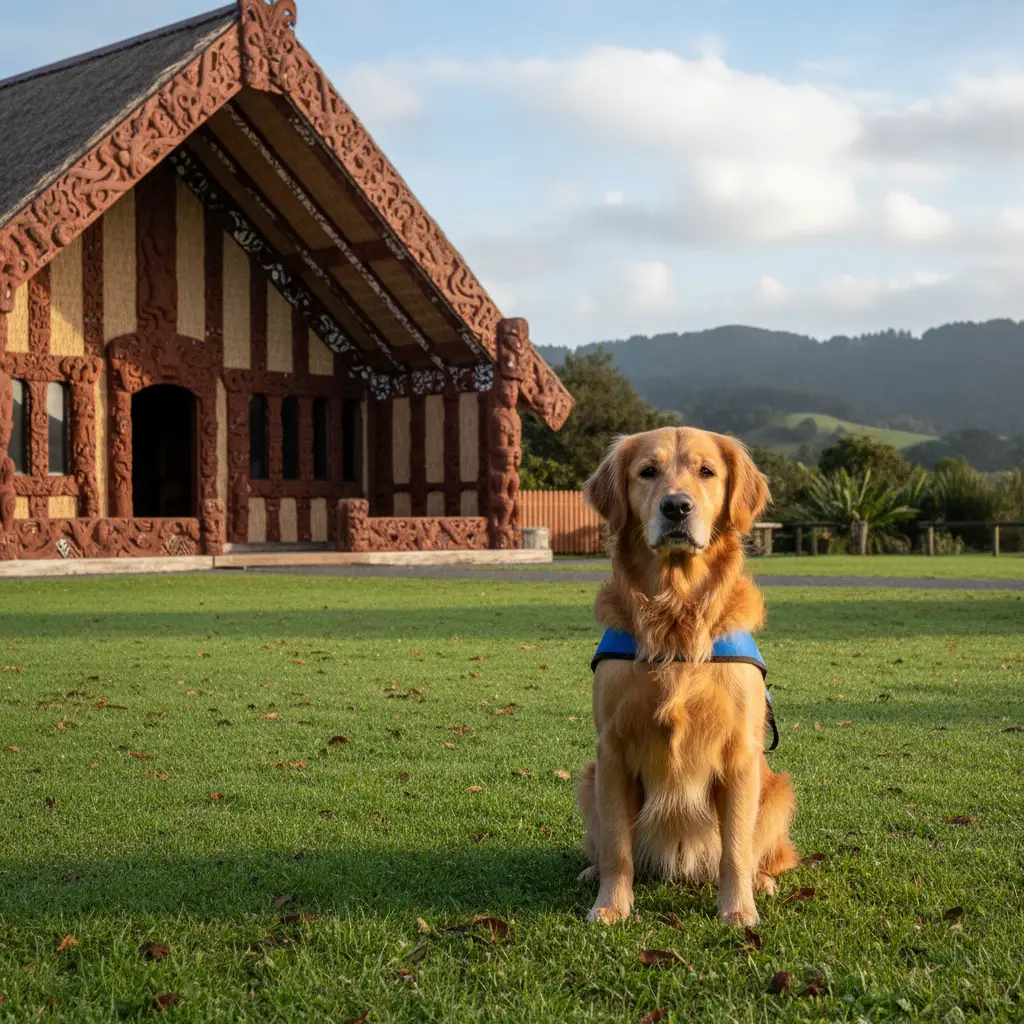
Protocols for Bringing Animals onto Marae
Understanding and adhering to protocols is the single most critical factor in the success of animal therapy on marae. Failure to respect these boundaries can cause spiritual offence and damage relationships between therapy organizations and the community.
The Concepts of Tapu and Noa
In traditional Māori society, dogs (kurī) held a complex status. While they were companions and useful for hunting, they could also be viewed as noa (common) or, in some contexts, associated with specific spiritual functions. In modern marae settings, the Wharenui (meeting house) and Wharekai (dining hall) are often treated with specific restrictions regarding animals.
Generally, animals are rarely permitted inside the Wharenui, which represents the body of the ancestor. However, protocols are evolving. Service dogs (such as guide dogs) are legally permitted, but therapy dogs fall into a grey area that requires negotiation. The handler must always assume the dog is not allowed inside until explicitly invited by the Tangata Whenua (people of the land).
Hygiene and Physical Boundaries
Handlers must ensure rigorous hygiene standards before arriving. A therapy animal must be impeccably clean to ensure they do not introduce dirt or parasites into the marae complex. Key protocols often include:
- Toileting Zones: Establishing a designated area far from the Wharenui and Wharekai for the animal to relieve itself. This must be done immediately upon arrival, prior to the pōwhiri (welcome ceremony).
- The Atea: During the formal welcome, the animal should generally remain on the Atea (courtyard) or a designated sideline area, depending on the wishes of the elders.
- Leash Control: The animal must remain on a leash at all times unless a specific therapeutic activity in a contained area has been approved.
The Community Consultation Process
You cannot simply book a marae visit like you would a school hall. The process involves a series of engagements to ensure the hapū (sub-tribe) is comfortable with the presence of the animal.
Initial Outreach and Hui
The first step is often an informal conversation with a marae committee member or a community liaison. This is followed by a formal proposal presented at a marae committee hui (meeting). In this proposal, the therapy provider must articulate:
- The specific purpose of the visit (e.g., youth mental health, elder companionship).
- The certification and temperament of the animal.
- The insurance and liability coverage.
- How the handler will manage cultural safety.
Transparency is key. If the animal sheds, drools, or barks, this must be disclosed. The committee needs to weigh the benefits of the therapy against the logistical and cultural maintenance of their space.
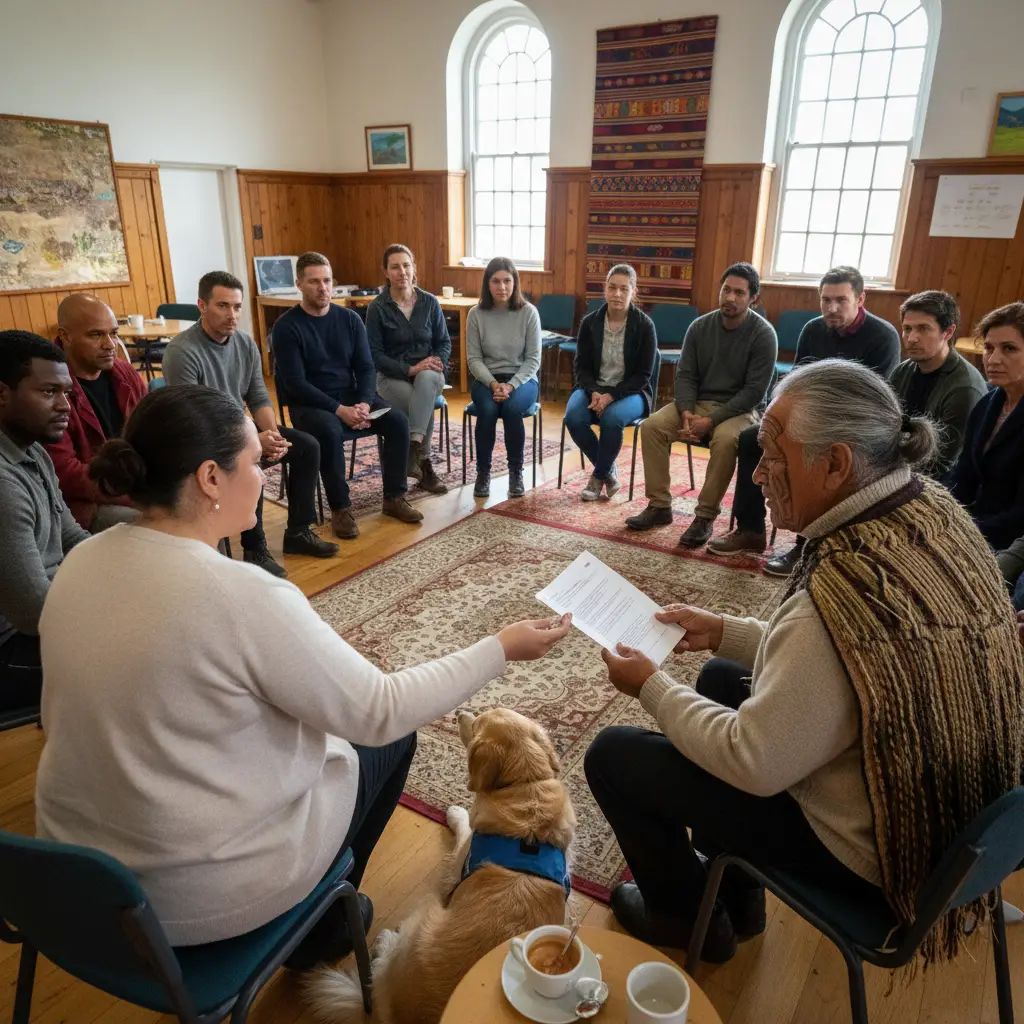
Engaging with Kaumātua (Elders)
Kaumātua are the guardians of tikanga and the ultimate decision-makers regarding what occurs on the marae. Engaging them requires humility and respect.
Seeking Permission and Guidance
When proposing animal therapy, it is customary to approach the Kaumātua first, or ensure they are well-briefed before a general committee meeting. Their primary concern is the spiritual safety of the marae and the people. Handlers should ask questions such as:
- “Is there a specific area where the dog should not go?”
- “Are there specific members of the whānau who have a fear of dogs that we need to be aware of?”
- “How can we best respect the tikanga of this marae while delivering this service?”
Often, if a Kaumātua gives their blessing, the wider community will accept the presence of the animal. Conversely, if an elder expresses discomfort, the project should be paused or adapted immediately. In some cases, Kaumātua may share stories of kurī from their own history, establishing a connection that validates the animal’s presence.
Success Stories from Rural NZ
Despite the complexities of protocol, animal therapy on marae is flourishing in various parts of New Zealand, particularly in rural areas where access to mental health services is limited.
Rangatahi (Youth) Engagement in Northland
In a rural marae in Northland, a pilot program introduced therapy dogs to a group of rangatahi who were disengaged from the education system. The program utilized the dogs to teach responsibility, empathy, and non-verbal communication. The marae atea became a training ground where the youth learned to handle the dogs.
The success was attributed to the ‘neutrality’ of the dogs. The animals did not care about the youths’ academic records or past behavioral issues. This acceptance allowed the rangatahi to open up to counselors present during the sessions. The Kaumātua noted that the laughter and energy brought to the marae by the dogs and children revitalized the space.
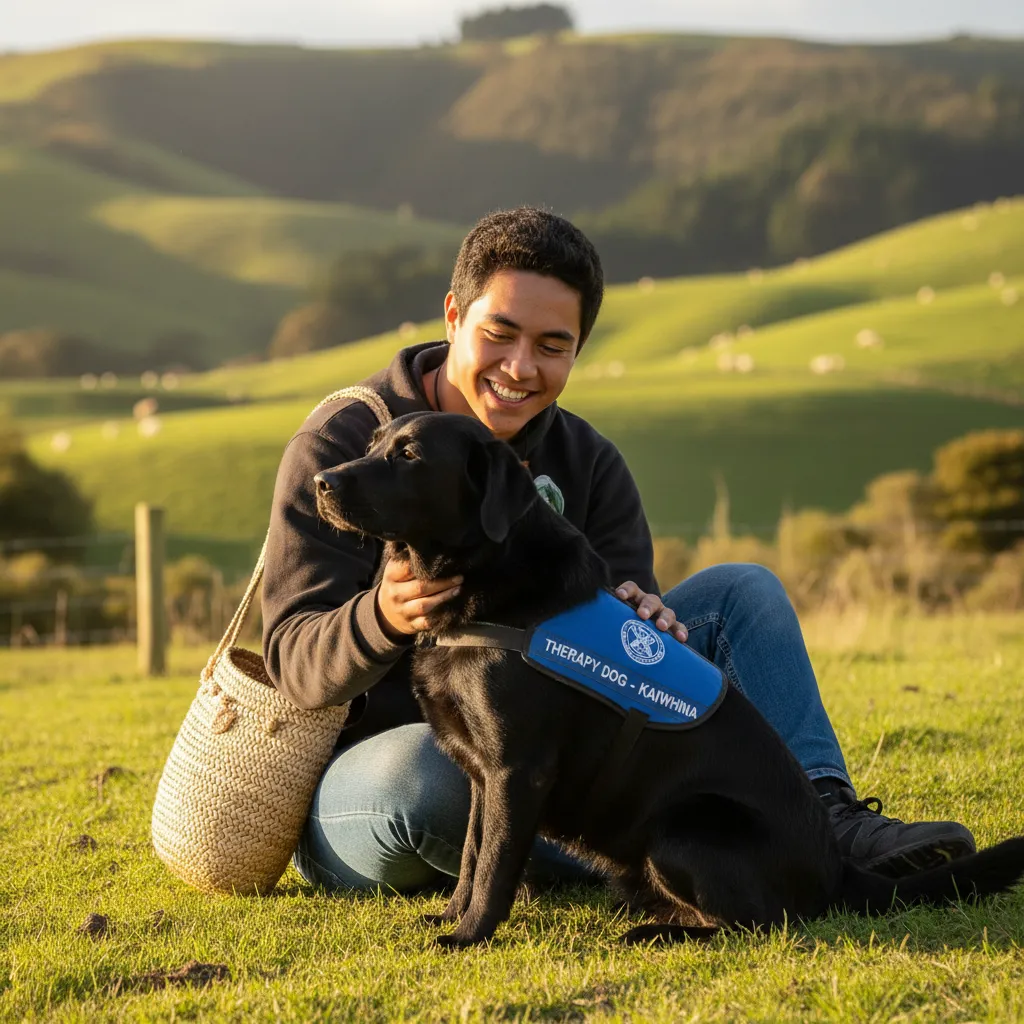
Kaumātua Support Days in the Bay of Plenty
Another success story comes from the Bay of Plenty, where a ‘Paws and Kōrero’ initiative was launched for elderly community members. Many Kaumātua living in rural isolation miss the working dogs they grew up with but can no longer physically manage a pet.
Therapy dogs were brought to the marae dining hall (wharekai) verandah during community lunches. The tactile stimulation of stroking the dogs helped lower blood pressure and anxiety among the elders. More importantly, the dogs acted as triggers for memory recall, prompting the elders to share stories of their past, which is a vital part of preserving oral history.
Training and Cultural Competency
For a handler to operate successfully in this niche, standard therapy dog certification is the baseline, not the ceiling. Organizations like St John and Therapy Dogs New Zealand provide excellent behavioral assessments, but cultural competency is an additional layer of necessary training.
The Dual-Skillset Handler
A handler working on a marae must possess:
- Canine Handling Skills: Ability to read the dog’s stress signals instantly. A marae can be a high-stimulus environment with singing (waiata), formal speech-making (whaikōrero), and large crowds (hui). The dog must remain calm throughout.
- Cultural Intelligence (CQ): Understanding basic Te Reo Māori greetings, knowing when to stand and sit during a pōwhiri, and understanding the cues for prayer (karakia).
Handlers should undergo workshops on the Treaty of Waitangi and Tikanga Māori. This demonstrates a commitment to partnership and protection, the core principles of the Treaty. When a handler shows effort to pronounce names correctly and follow protocol, the reception from the marae is invariably warmer and more open.
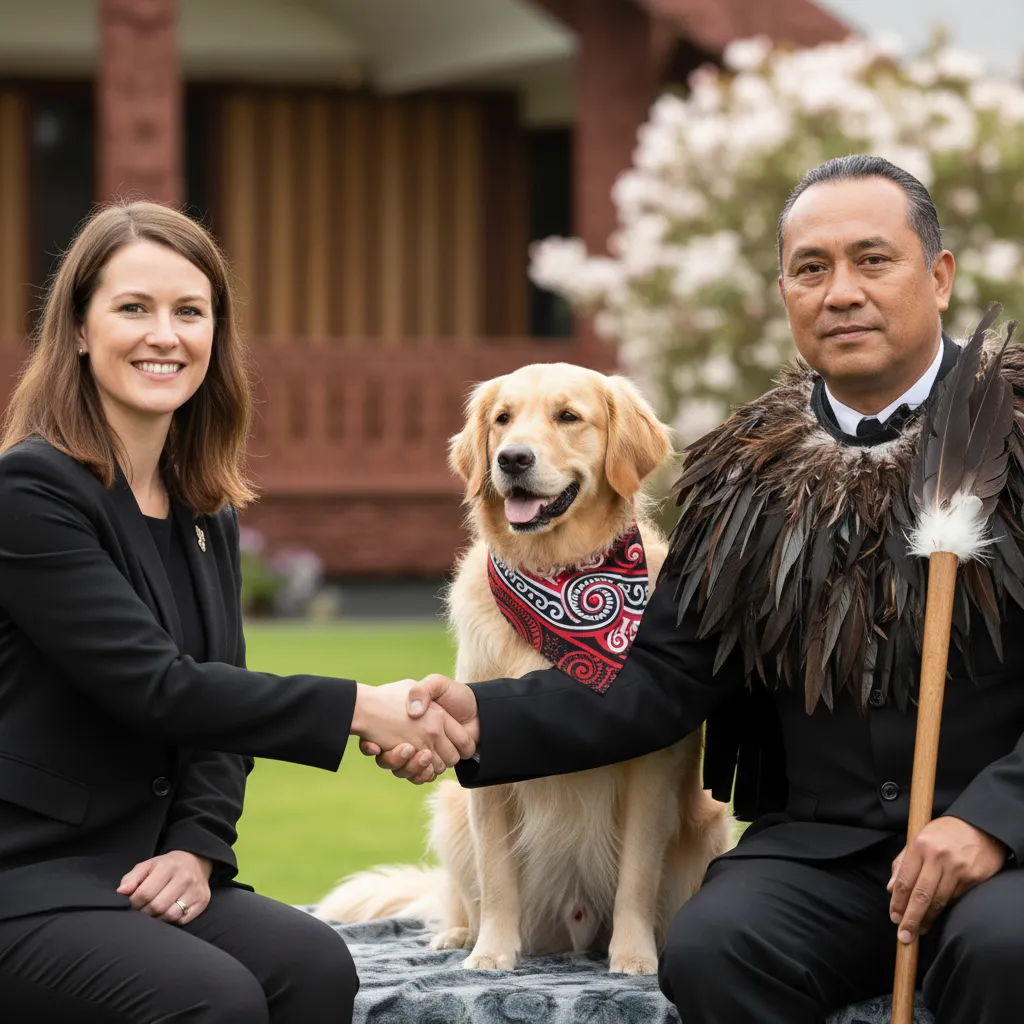
Conclusion
Animal therapy on marae is a powerful modality that respects the holistic nature of Māori health. It requires a delicate balance of clinical professionalism and cultural humility. By prioritizing the consultation process, engaging respectfully with Kaumātua, and strictly adhering to protocols regarding tapu and noa, therapy providers can unlock immense benefits for whānau. As the sector grows, these partnerships between animal therapy organizations and marae committees will likely become a standard model for community-based mental health support in Aotearoa.
Are dogs allowed inside the Wharenui (Meeting House)?
Traditionally, dogs are not allowed inside the Wharenui as it is considered a tapu (sacred) space representing the ancestor. However, exceptions are legally made for disability assist dogs. For therapy dogs, it is entirely at the discretion of the Kaumātua and Marae Committee; permission must be explicitly granted, and handlers should generally assume they will work outside or in auxiliary buildings.
How do I ask permission to bring a therapy animal to a marae?
Start by contacting the Marae Committee secretary or a known community liaison. Request a time to speak at a hui (meeting) to present a proposal. Do not just show up with the animal. Your proposal should outline the benefits, safety measures, and insurance details.
What is the difference between a service dog and a therapy dog on a marae?
A service dog (e.g., Guide Dog) has legal access rights under NZ law to almost all public spaces, including marae, to assist a specific person with a disability. A therapy dog is a visiting animal intended to provide comfort to many people and does not have the same automatic legal access rights; their presence is by invitation and agreement only.
What happens if a therapy dog has an accident (toileting) on the marae?
This is a significant breach of protocol, particularly if it occurs near the Wharenui or Wharekai. Prevention is key: exercise the dog well away from the complex before entering. If it happens, clean it immediately, sanitize the area thoroughly, and apologize profusely to the elders. It may be viewed as a spiritual slight, so handling it with immense respect is crucial.
Can therapy animals attend tangi (funerals) on a marae?
Generally, this is discouraged unless specifically requested by the bereaved family. Tangi are highly emotional and tapu events. A dog’s presence could be seen as a distraction or culturally inappropriate. However, in some cases, if the deceased was a dog handler or lover, the family might request it.
Do handlers need to speak Māori to visit a marae?
Fluency is not required, but effort is highly appreciated. Learning basic greetings (mihi), understanding the structure of a pōwhiri, and knowing a simple waiata (song) to support your introduction shows respect and cultural safety.