
Taha Hinengaro represents the psychological and emotional dimension of the Te Whare Tapa Whā health model, encompassing thoughts, feelings, and conscience. Therapy dogs support Taha Hinengaro by offering non-judgmental companionship that significantly lowers cortisol levels, facilitates emotional regulation, and provides the grounding connection necessary for mental resilience and healing.
What is the Connection Between Taha Hinengaro and Therapy Dogs?
In Aotearoa New Zealand, the holistic health model known as Te Whare Tapa Whā outlines four cornerstones of well-being. Taha Hinengaro is the wall representing mental and emotional health. It is the capacity to communicate, to think, and to feel. When this dimension is strong, an individual can better navigate the stresses of life. However, when Taha Hinengaro is compromised, it can lead to anxiety, depression, and a sense of isolation.
The integration of dogs into mental health strategies—specifically through Animal Assisted Therapy (AAT)—creates a bridge to restoration that human intervention alone sometimes cannot achieve. The bond between humans and dogs is not merely sentimental; it is physiological and psychological. For many, the presence of a dog bypasses the intellectual barriers we erect around our emotions, allowing for a direct route to the heart of Taha Hinengaro.
Therapy dogs act as catalysts for mental well-being by providing a consistent, stable presence. In the context of Taha Hinengaro, they help to quiet the “internal noise” of negative self-talk. The simple act of petting a dog releases oxytocin (the bonding hormone) and reduces cortisol (the stress hormone), physically shifting the body from a state of fight-or-flight to a state of rest-and-digest. This physiological shift is the foundation upon which mental health can be rebuilt.

Reducing Anxiety Through Connection and Whanaungatanga
Anxiety is often fueled by a sense of disconnection or the fear of future events. In the Māori worldview, Whanaungatanga refers to the sense of relationship and connection—not just with people, but with the environment and the living world. Therapy dogs play a crucial role in restoring this sense of connection for individuals suffering from anxiety.
When an individual interacts with a therapy dog, they are engaging in a form of cross-species Whanaungatanga. This connection is immediate and grounding. Anxiety often pulls the mind into hypothetical future scenarios (“What if…?”), whereas a dog exists entirely in the present moment. By engaging with a dog, a person is anchored back to the “now,” effectively disrupting the cycle of anxious rumination.
The Biology of Canine Connection
The reduction of anxiety through this connection is supported by robust science. Interactions with dogs have been shown to lower blood pressure and heart rate. For those with compromised Taha Hinengaro, the physical symptoms of anxiety—racing heart, shallow breathing, muscle tension—can be debilitating. The rhythmic action of stroking a dog’s fur acts as a sensory anchor, signaling to the nervous system that the immediate environment is safe.
Furthermore, dogs provide a “secure base” for exploration. In therapy settings, clients are often more willing to discuss traumatic or anxiety-inducing topics when a dog is present. The dog serves as a buffer, making the vulnerability required for therapy feel less threatening. This is particularly vital in New Zealand’s mental health landscape, where barriers to seeking help can be high.
The Power of Non-Judgmental Listening Support
One of the most significant barriers to healing Taha Hinengaro is the fear of judgment. Individuals struggling with mental health often conceal their true thoughts and feelings to avoid stigma or burdening others. This is where the “taha hinengaro mental health dogs” dynamic becomes transformative.
Dogs offer unconditional positive regard. They do not critique, they do not offer unsolicited advice, and they do not judge based on appearance, socioeconomic status, or past mistakes. They simply listen and be. This non-judgmental listening support creates a unique psychological safety net.

Breaking the Silence
For many, voicing their internal struggles aloud is the first step toward healing. Talking to a dog allows individuals to externalize their thoughts without the cognitive load of navigating complex human social dynamics. There is no need to read facial expressions for approval or worry about phrasing things “correctly.”
In therapeutic settings, such as counseling sessions or reading programs in libraries, the dog acts as a non-threatening audience. This is particularly effective for those with social anxiety or speech difficulties. The dog’s presence validates the individual’s existence and feelings without requiring anything in return, filling the emotional tank and strengthening Taha Hinengaro.
Emotional Regulation Techniques Using Canine Companions
Emotional regulation is the ability to manage and respond to an emotional experience in a healthy way. When Taha Hinengaro is unbalanced, emotions can feel overwhelming and uncontrollable. Dogs are master co-regulators. Just as a calm parent can soothe a distressed infant, a calm dog can help regulate a distressed human.
Co-Regulation and Mirroring
Dogs are highly attuned to human emotional states. They often mirror the energy of their handlers or seek to comfort those in distress. In Animal Assisted Therapy, practitioners use this trait to teach emotional regulation techniques. For example, a client might be asked to observe the dog’s breathing or body language.
If a client is agitated, the therapy dog might exhibit signs of alertness. The therapist can use this as biofeedback: “Look at how Rover is reacting. Let’s try to take some deep breaths together and see if he settles down.” As the client calms their own physiology to help the dog, they inadvertently learn to regulate their own emotions.
Sensory Grounding
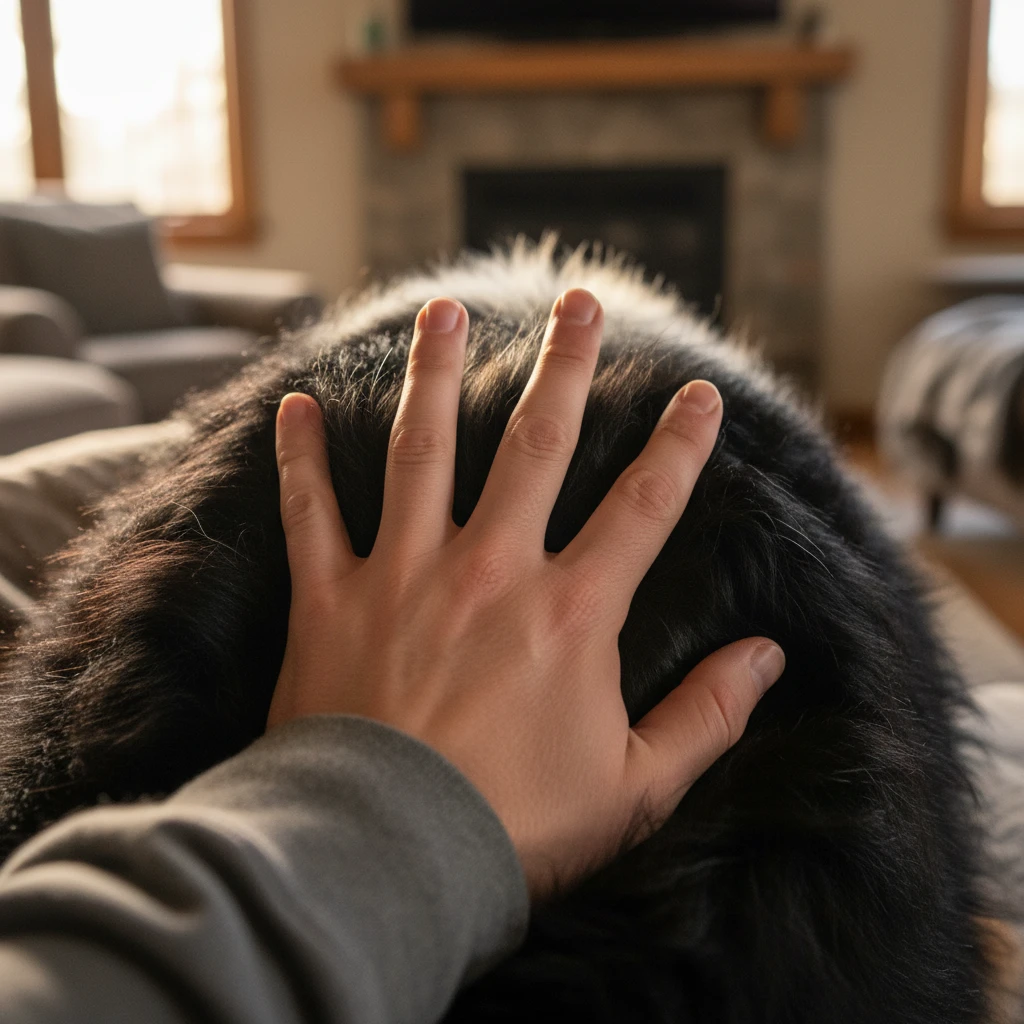
Taha Hinengaro is deeply linked to the physical body (Taha Tinana). Emotional dysregulation often results in a dissociation from the body. Dogs provide intense sensory input that brings awareness back to the physical self.
- Touch: The texture of fur (soft, coarse, fluffy) provides tactile stimulation.
- Pressure: Deep Pressure Therapy (DPT), where a dog leans against or lies across a person, provides proprioceptive input that calms the nervous system.
- Sound: The rhythmic sound of a dog breathing or the thump of a tail wagging can be meditative.
Supporting Rangatahi Mental Health in Aotearoa
Rangatahi (youth) in New Zealand face unique mental health challenges, with high rates of anxiety and depression reported in recent years. Supporting the Taha Hinengaro of rangatahi requires innovative, culturally responsive approaches that move beyond traditional clinical settings. Therapy dogs are increasingly becoming a vital tool in schools and youth organizations across Aotearoa.
Overcoming Stigma for Youth
Traditional therapy can feel clinical and intimidating to a teenager. Entering a room with a psychologist can feel like “something is wrong with me.” However, entering a room to “hang out with a dog” reframes the experience entirely. The dog becomes the primary focus, reducing the stigma associated with seeking help.
Programs like ‘Canine Friends Pet Therapy’ in schools or specialized AAT providers are seeing success in engaging rangatahi who were previously unreachable. The dog acts as a social lubricant, breaking down walls and allowing youth workers and counselors to build rapport much faster.
Building Empathy and Responsibility
Caring for a dog, even temporarily during a session, fosters a sense of responsibility and empathy—key components of a healthy Taha Hinengaro. For rangatahi who may feel powerless in other areas of their lives, the ability to command, care for, and bond with a dog provides a sense of agency and competence (mana).
Furthermore, interpreting a dog’s body language teaches emotional intelligence. Recognizing that a dog is stressed, happy, or tired helps rangatahi better identify and articulate these emotions within themselves and their peers.

Integrating Animal Assisted Therapy into Te Whare Tapa Whā
To truly honor the concept of Taha Hinengaro, we must view the inclusion of dogs through the lens of the entire Whare Tapa Whā model. A therapy dog does not just support the mind; they support the whole house.
- Taha Tinana (Physical Health): Dogs require walking and play, encouraging physical movement which is inextricably linked to mental health.
- Taha Wairua (Spiritual Health): The bond with an animal touches on the spiritual connection to nature and the life force (mauri) of living things.
- Taha Whānau (Family Health): Dogs are often considered family members, strengthening the family unit and providing a shared focus of affection.
When seeking to improve Taha Hinengaro mental health with dogs, it is important to distinguish between a family pet and a certified therapy dog. While family pets provide immense emotional support, certified therapy dogs and their handlers are trained to navigate complex mental health environments safely. For those with severe mental health challenges, working with a registered Animal Assisted Therapy provider ensures that the intervention is goal-oriented and safe for both the human and the animal.
In conclusion, the inclusion of dogs in the care of Taha Hinengaro offers a profound, accessible, and deeply effective pathway to wellness. By leveraging the ancient bond between human and canine, we can foster a mental health environment in New Zealand that is more connected, less clinical, and full of unconditional aroha.
Frequently Asked Questions
What is Taha Hinengaro in the context of mental health?
Taha Hinengaro is one of the four pillars of the Te Whare Tapa Whā Māori health model. It specifically refers to psychological and emotional health, involving the capacity to communicate, to think, and to feel. It acknowledges that the mind and body are inseparable.
How do therapy dogs specifically help with Taha Hinengaro?
Therapy dogs help by reducing cortisol (stress) and increasing oxytocin (bonding), which physically calms the body and mind. They provide non-judgmental support, reduce loneliness, and act as a grounding presence to help regulate intense emotions.
Is there a difference between a therapy dog and an emotional support animal?
Yes. A therapy dog is trained to provide affection and comfort to people in hospitals, retirement homes, and schools, usually handled by their owner. An emotional support animal (ESA) provides comfort to their owner specifically. In New Zealand, ESAs do not have the same public access rights as Disability Assist Dogs.
Can dogs help rangatahi (youth) with depression?
Yes, dogs can be very effective for rangatahi. They provide a non-threatening way to engage in therapy, reduce the stigma of seeking help, and offer unconditional acceptance which is crucial during adolescence.
What breeds are best for Taha Hinengaro support?
While any breed can be supportive, breeds known for their calm temperament and desire for human connection are often used in therapy. Labradors, Golden Retrievers, and Cavalier King Charles Spaniels are common, but the individual dog’s temperament is more important than the breed.
How can I access Animal Assisted Therapy in New Zealand?
You can contact organizations such as Canine Friends Pet Therapy, or look for private counselors and psychologists who list Animal Assisted Therapy (AAT) as part of their services. Always verify that the practitioner is qualified.