
Taha tinana animal interventions refer to the integration of therapeutic animals into physical health strategies to strengthen physical well-being. Within the Te Whare Tapa Whā model, these interventions utilize the human-animal bond to motivate movement, improve motor skills, and combat sedentary lifestyles through active rehabilitation and outdoor engagement in New Zealand’s unique environment.
The Intersection of Taha Tinana and Animal Assisted Therapy
In the landscape of New Zealand healthcare, the Te Whare Tapa Whā model is paramount, representing health as a meeting house with four walls. Taha Tinana represents the physical wall—our bodily health and capacity for growth and development. Without physical well-being, the house cannot stand strong. Taha tinana animal interventions bridge the gap between clinical physical therapy and holistic wellness by introducing a biological, motivating factor: the animal.
Physical health in this context is not merely the absence of disease; it is the capacity of the body to move, interact, and sustain life. Animal-Assisted Therapy (AAT) and Animal-Assisted Activities (AAA) have emerged as powerful modalities to enhance Taha Tinana. The presence of an animal changes the physiological state of a patient. Research indicates that interacting with animals can lower blood pressure, reduce cortisol levels, and release oxytocin. However, beyond these passive benefits, animals serve as active catalysts for movement.
For many patients in Aotearoa, traditional gym-based rehabilitation can be monotonous or intimidating. Introducing an animal shifts the focus from the pain or difficulty of the exercise to the care and interaction with the creature. This external focus is crucial for extending the duration of physical activity and increasing the intensity of rehabilitation efforts without the patient perceiving the increased exertion.
Active Rehabilitation Strategies
Active rehabilitation involves voluntary physical activity to improve function, and animals are uniquely suited to facilitate this. Taha tinana animal interventions are designed to target specific motor skills, balance, coordination, and strength.
Hippotherapy and Equine-Assisted Physiotherapy
One of the most profound forms of active rehabilitation is hippotherapy. This utilizes the movement of a horse to influence the patient’s neuromuscular development. The horse’s gait mimics the human pelvis’s movement while walking, providing sensory input that is impossible to replicate with mechanical devices. For patients with cerebral palsy, multiple sclerosis, or those recovering from strokes, the horse provides a dynamic base of support.
In a New Zealand context, where access to paddocks and rural spaces is common, equine interventions are a growing sector of physical health therapy. The rider must constantly adjust their posture to maintain balance, engaging deep core muscles. This strengthening of the core supports the spine and improves overall Taha Tinana, allowing for better function in daily life.
Canine-Assisted Occupational Therapy
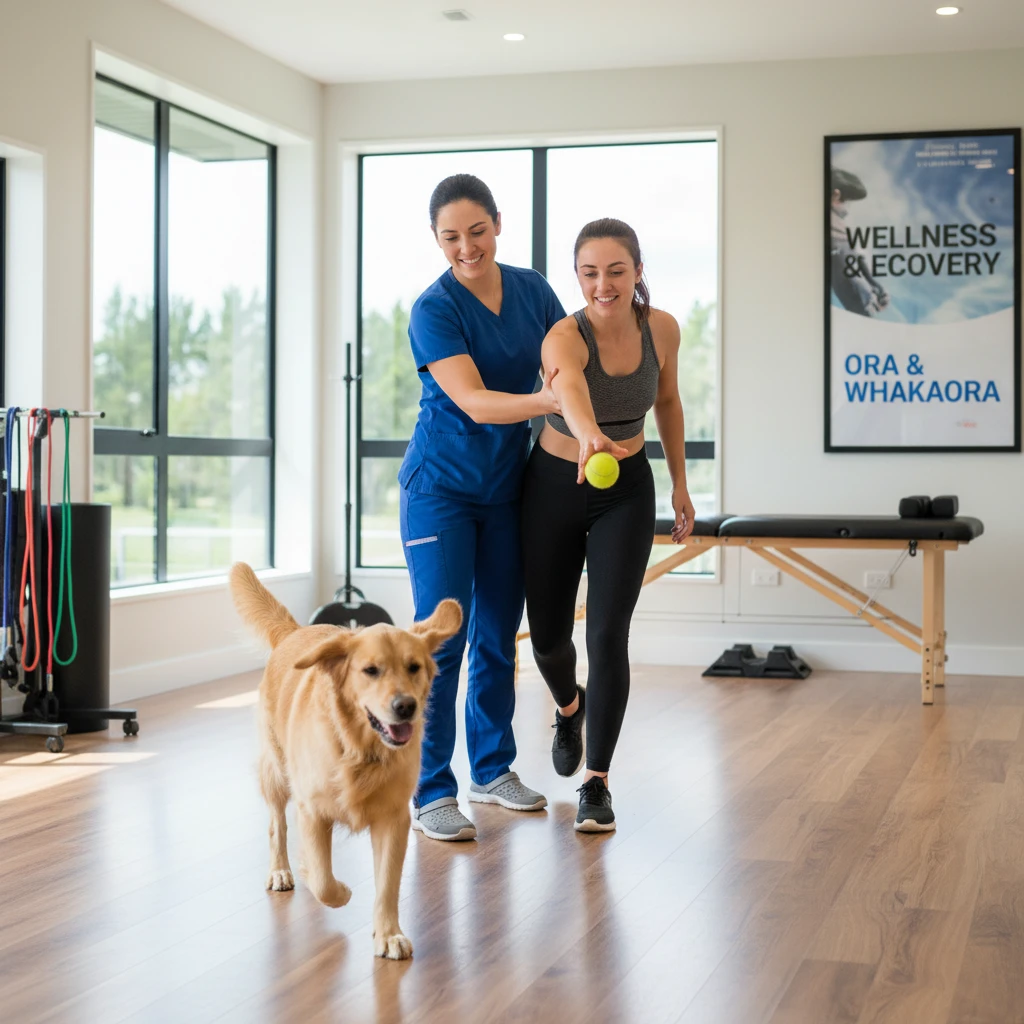
Dogs are frequently employed to assist with fine and gross motor skills. In occupational therapy settings, a patient might be tasked with grooming a dog. This seemingly simple activity requires grip strength, range of motion in the shoulder and elbow, and bilateral coordination. Fastening a collar or manipulating a leash clip requires fine motor dexterity.
For gross motor skills, throwing a ball, walking a dog through an obstacle course, or playing tug-of-war engages larger muscle groups. The dog provides immediate feedback; if the throw is successful, the dog chases it. If the command is clear, the dog obeys. This biofeedback loop encourages the patient to refine their physical movements to achieve the desired outcome, turning rehabilitation into a rewarding game rather than a chore.
Dog Walking Groups for Physical Health
Cardiovascular health is a cornerstone of Taha Tinana. Regular aerobic exercise is essential for heart health, weight management, and metabolic stability. Dog walking groups have emerged as a highly effective intervention for promoting sustained physical activity within communities.
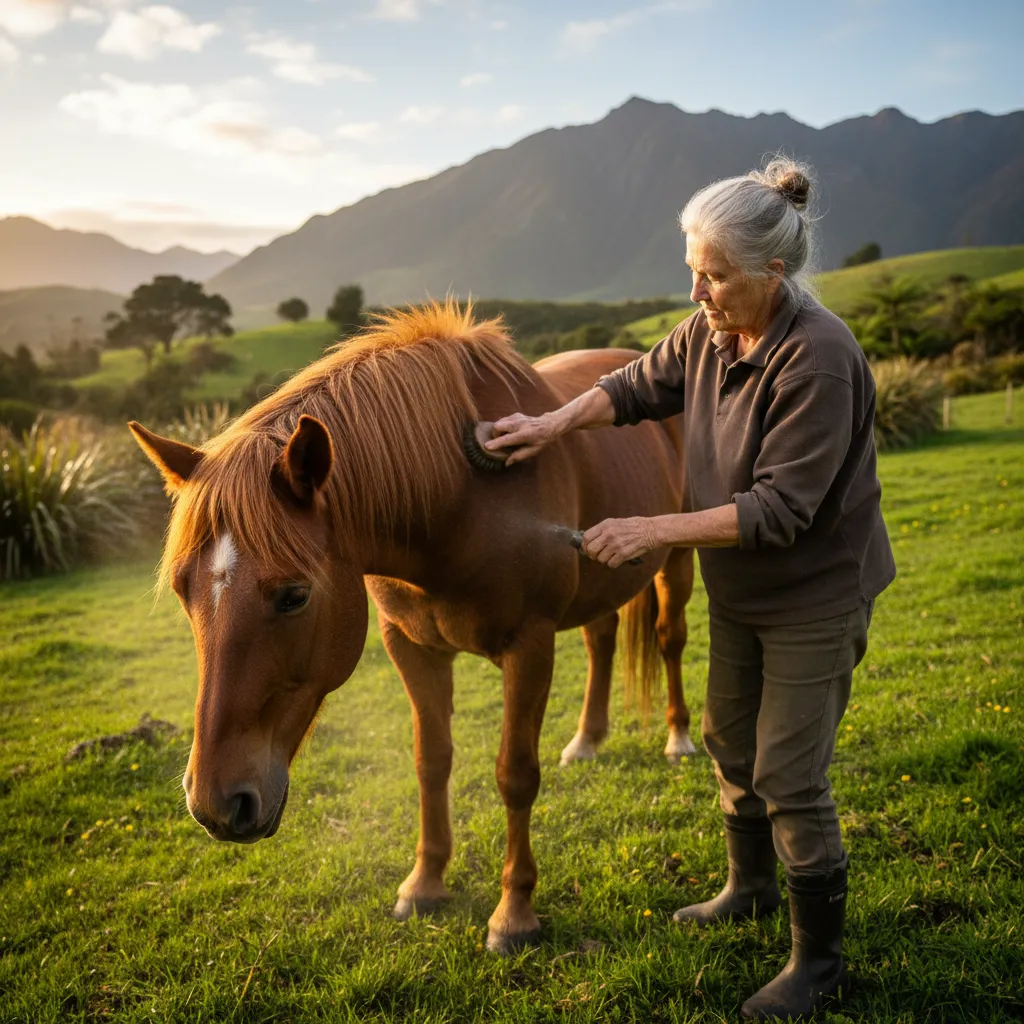
The “pet effect” suggests that dog owners are more likely to meet recommended physical activity guidelines than non-owners. However, organized dog walking groups amplify this benefit by adding a social dimension (Taha Whānau) to the physical activity. In New Zealand, community-led dog walking initiatives often utilize local parks and beaches, encouraging participants to walk further and more frequently than they might alone.
The mechanism here is accountability. The dog requires exercise, creating a routine that the owner must adhere to, regardless of their personal motivation levels on a given day. This external motivation is critical for individuals struggling with self-discipline regarding exercise. Furthermore, the pace of walking with a dog is often variable, including intervals of brisk walking and stopping, which can be beneficial for cardiovascular conditioning.
For the elderly or those recovering from cardiac events, these groups provide a safe environment to exercise. The presence of others ensures safety, while the dogs provide a social lubricant, reducing the isolation often associated with health recovery. This holistic approach strengthens Taha Tinana by embedding physical exertion into a pleasurable, social routine.
Combating Sedentary Lifestyles
New Zealand, like many developed nations, faces an epidemic of sedentary behavior and associated health risks such as obesity, type 2 diabetes, and cardiovascular disease. Taha tinana animal interventions are frontline tools in the battle against inactivity.
Sedentary behavior is characterized by low energy expenditure while sitting or lying down. Modern lifestyles facilitate this, but animal companionship disrupts it. A dog does not understand the concept of a “lazy Sunday” in the same way a human does; they have biological needs for elimination and exploration that force the owner to rise and move.
Interventions targeting youth obesity often incorporate animals to make movement fun. Programs where children train shelter dogs or participate in agility training require the child to run, squat, turn, and sprint. The focus shifts from “exercise for weight loss”—which can carry stigma and psychological weight—to “training the dog.” This shift in perspective is vital for long-term adherence to an active lifestyle.
Furthermore, the responsibility of animal care extends beyond walking. Feeding, cleaning, and general husbandry require movement. For individuals with severe sedentary habits, these micro-movements contribute to Non-Exercise Activity Thermogenesis (NEAT), which creates a cumulative caloric burn throughout the day, contributing to better Taha Tinana.
Outdoor Therapy in the NZ Environment
Aotearoa New Zealand offers a unique landscape for Taha Tinana animal interventions. The concept of exercising outdoors, often called “Green Exercise,” yields greater mental and physical health benefits than indoor exercise. When combined with animals, this becomes a potent therapeutic tool.
Connecting with Whenua through Animal Interaction
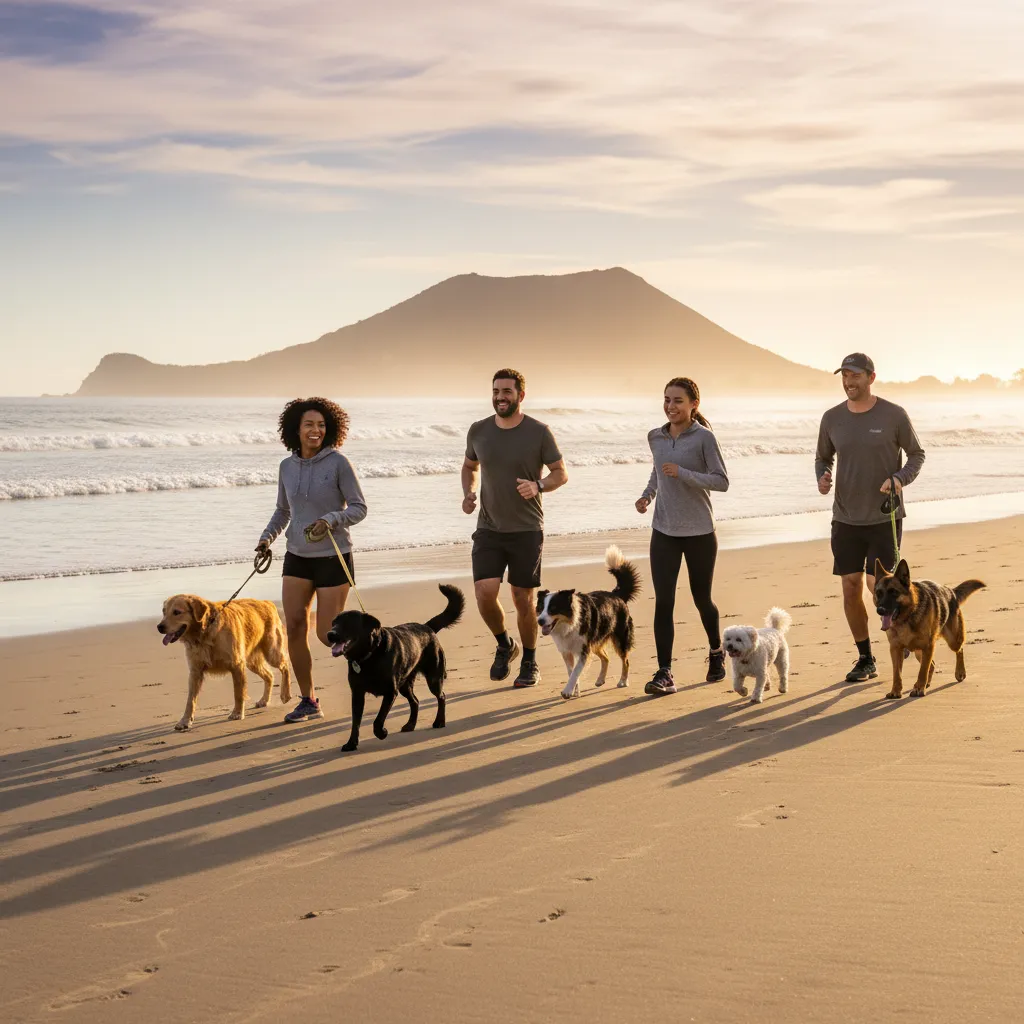
In Māori health models, connection to the land (Whenua) is intrinsic to health. Animals serve as a bridge to the outdoors. A therapy session conducted in a sterile clinic room is vastly different from one conducted on a bush walk or a beach. The uneven terrain of a nature trail challenges proprioception (the body’s ability to sense movement, action, and location) and balance more than a flat gym floor.
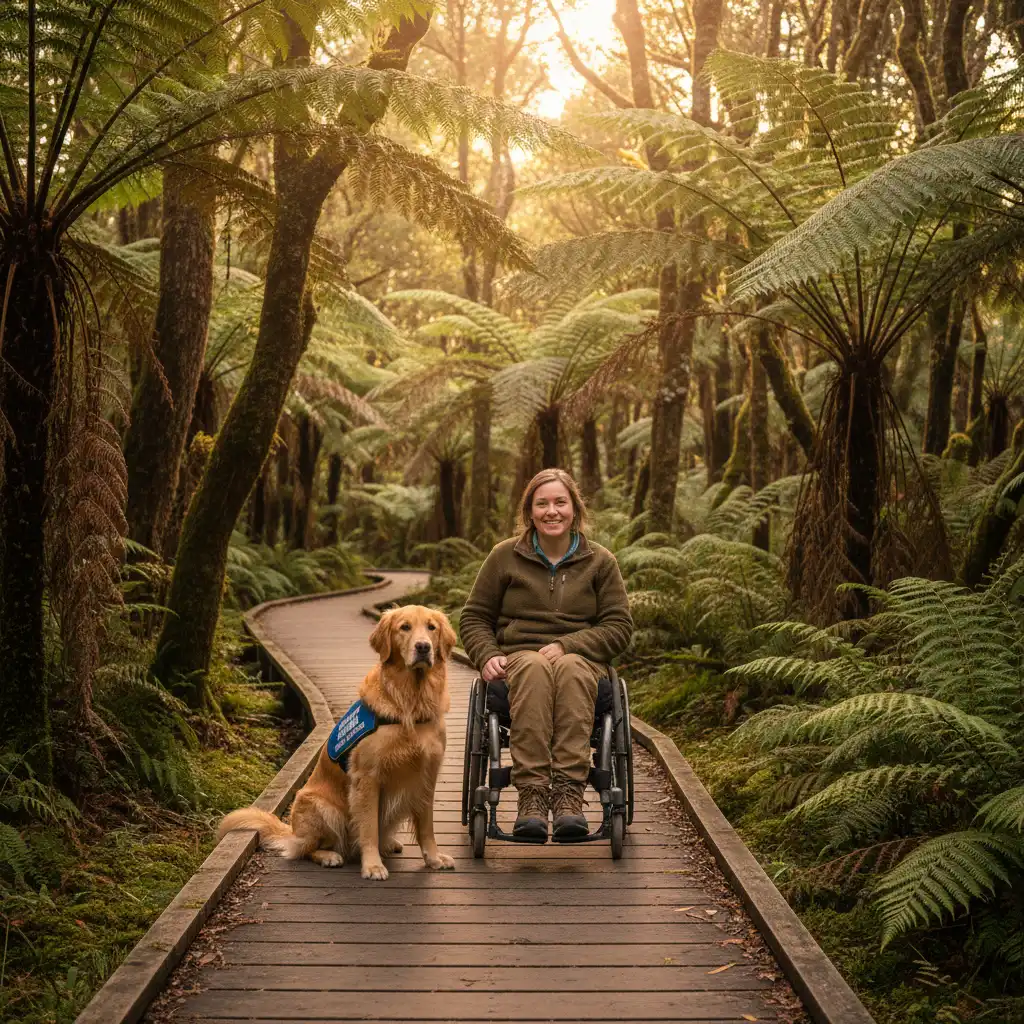
Walking a dog or riding a horse in the New Zealand bush exposes the individual to fresh air, sunlight (Vitamin D), and the calming effects of nature. This multisensory environment stimulates the nervous system and reinvigorates the body. For individuals with physical disabilities, adaptive equipment allows them to access these environments with animals, ensuring they are not excluded from the healing power of the Whenua.
Moreover, the immune system benefits from exposure to the diverse microbiome found in natural environments and on animals. There is growing evidence that the “old friends” hypothesis—exposure to harmless microorganisms in soil and animals—can help regulate the immune system and reduce inflammation, a key component of long-term physical health.
Frequently Asked Questions
What is Taha Tinana in simple terms?
Taha Tinana translates to “physical health” or the “physical side” in Māori. It is one of the four pillars of the Te Whare Tapa Whā health model. It refers to the capacity of the body to grow, develop, move, and care for itself. It emphasizes that good physical health is required for personal development and overall well-being.
How do animals help with physical rehabilitation?
Animals help with physical rehabilitation by providing motivation, distraction from pain, and companionship. They encourage active movement, such as walking, throwing, or grooming, which improves fine and gross motor skills. The rhythmic movement of horses (hippotherapy) is specifically used to improve balance, posture, and core strength in patients with mobility issues.
Is animal-assisted therapy funded in New Zealand?
Funding for Animal-Assisted Therapy in New Zealand varies. It is not universally covered by the public health system, but specific interventions may be funded through ACC (Accident Compensation Corporation) if part of a rehabilitation plan, or through disability support funding. Many providers operate privately or through charitable trusts.
What animals are used for physical therapy?
The most common animals used for physical therapy are dogs and horses. Dogs are versatile for mobility assistance, walking programs, and motor skill games. Horses are used for hippotherapy due to their gait. However, cats, rabbits, and farm animals like alpacas are sometimes used for lower-intensity interactions involving grooming and feeding to encourage gentle movement.
How does walking a dog improve mental and physical health?
Walking a dog improves physical health by increasing cardiovascular activity, lowering blood pressure, and managing weight. Mentally, it reduces stress through the release of oxytocin and dopamine, alleviates loneliness by providing companionship, and encourages social interaction with other dog walkers, thereby addressing both Taha Tinana and Taha Hinengaro (mental health).
Can taha tinana be strengthened without exercise?
While exercise is a primary component, Taha Tinana also encompasses nutrition, sleep, hygiene, and freedom from pain. However, movement is essential for the body’s function. Animal interventions can help those who cannot “exercise” in the traditional sense by encouraging small, functional movements and reducing sedentary time, which contributes to strengthening Taha Tinana relative to the individual’s capacity.