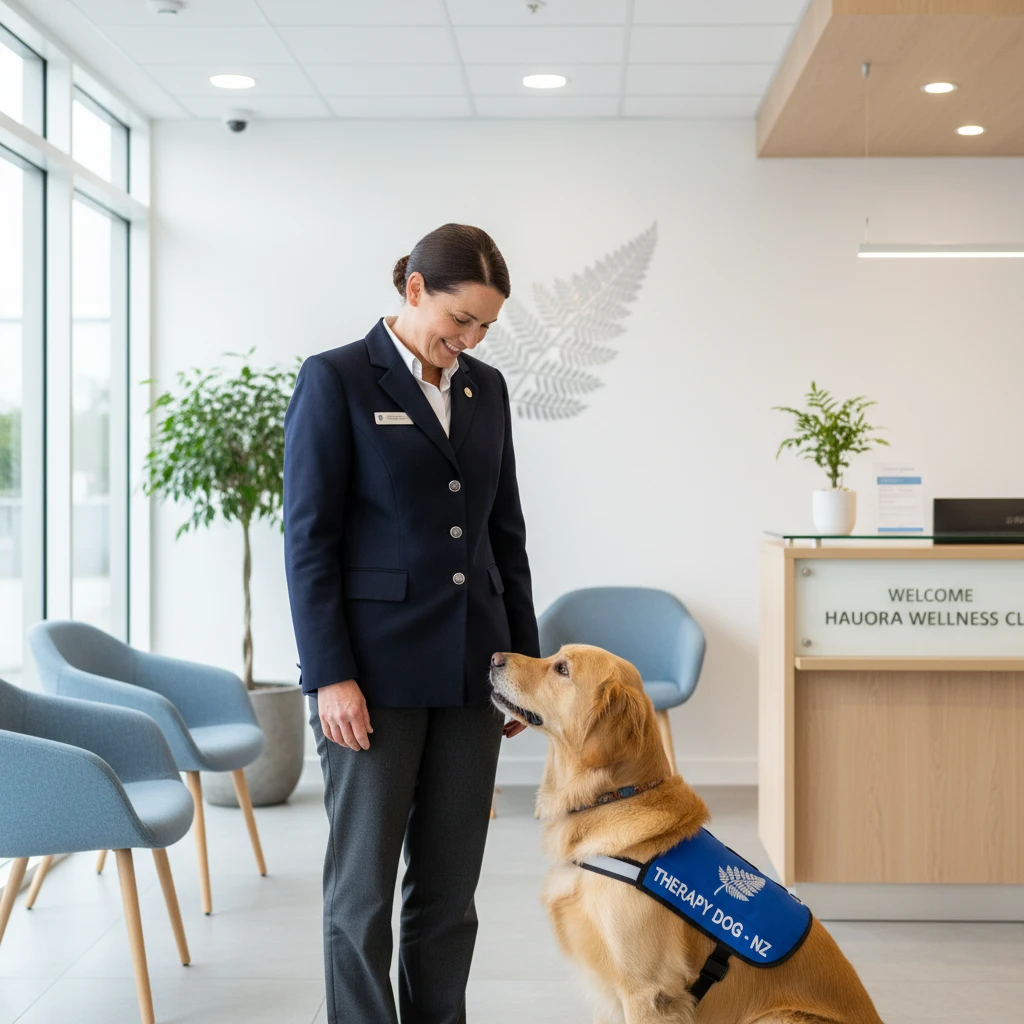
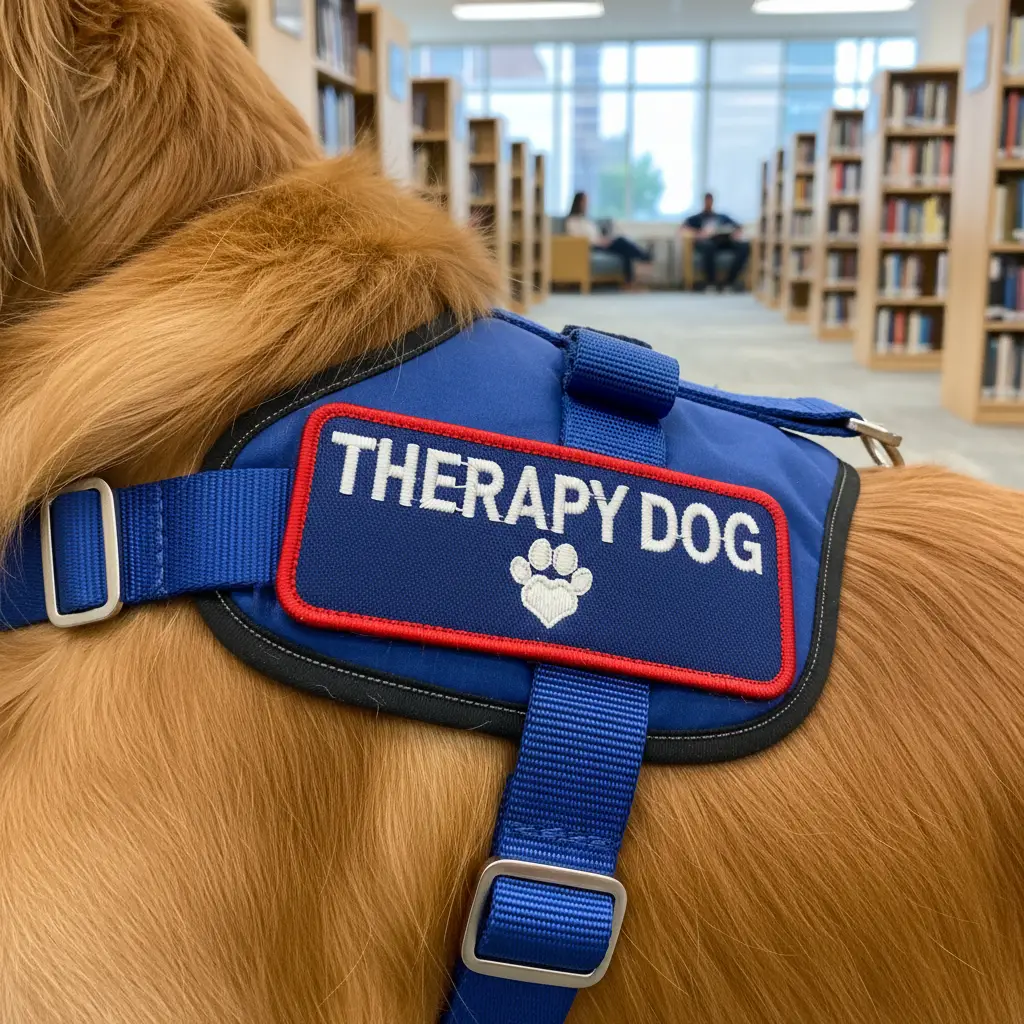
Transporting therapy dogs in NZ requires strict adherence to NZTA regulations and the Animal Welfare Act 1999 to ensure safety and compliance. Professional handlers must utilize secured, crash-tested crates or approved harnesses to prevent driver distraction and injury, while maintaining specific commercial insurance coverage for working animals during transit.
Safe Vehicle Setups for Professional Handlers
When operating a therapy dog business in New Zealand, the vehicle setup is not merely a means of conveyance; it is a mobile workspace that demands high safety standards. Unlike transporting a family pet, transporting therapy dogs involves moving a valuable business asset and a sentient co-worker whose temperament must remain stable upon arrival. A chaotic or unsafe journey can spike a dog’s cortisol levels, rendering them less effective in therapy sessions immediately post-travel.
Selecting the Right Containment System
The primary debate in professional circles is often between harnessing and crating. For working dogs, specifically therapy dogs that may be transported in groups or require a dedicated “safe space” between sessions, crating is the superior professional standard.
Crash-Tested Crates: Professional handlers should invest in crates that have passed rigorous crash testing (such as the MIMSafe or Variocage models available through specialized NZ distributors). These crates are designed to absorb impact energy, protecting both the animal and the vehicle occupants. A standard wire crate often collapses under the force of a collision, becoming a hazard rather than a safety feature.
Fixed Barriers and Dividers: If you are utilizing a station wagon or SUV without individual crates, a heavy-duty, bolted-in cargo barrier is non-negotiable. This prevents the dog from becoming a projectile in the event of sudden braking. However, barriers do not protect the dog from being thrown around the cargo area; they only protect the human occupants. Therefore, barriers should be used in conjunction with a secure harness system attached to the vehicle’s chassis anchors.

Climate Control and Ventilation
New Zealand’s climate can be deceptive. Even on mild days, the temperature inside a vehicle can escalate rapidly. For professional transport:
- Rear Air Conditioning: Ensure your vehicle has dedicated vents for the rear cargo area. Many standard vans lack this, requiring aftermarket installation or rotary vents on the roof.
- Temperature Monitoring: Install a remote temperature sensor in the crate area that feeds data to the dashboard. This alerts the driver immediately if the AC fails or if the rear becomes too hot.
- Solar Reflective Film: Tinting rear windows with high-grade UV and heat-rejecting film significantly reduces solar gain, keeping the working dogs cooler during transit.
NZTA Regulations and Legal Obligations
Understanding the legal framework is critical for any business transporting therapy dogs NZ wide. Ignorance of the law is not a defense, especially when commercial liability is involved.
What are the NZTA requirements for animals in vehicles?
Waka Kotahi (NZTA) stipulates that drivers must ensure the vehicle is safe to operate and that the load (in this case, the dog) is secure. While the Road Code does not explicitly state “dogs must be crated,” it does state that everything in your vehicle must be secured so it does not distract the driver or injure anyone.
Under the Land Transport (Road User) Rule 2004, you can be fined for driving with an insecure load. If a therapy dog is loose in the cabin and interferes with the driver’s control of the vehicle, or if the dog falls out of a window, the driver faces significant penalties and potential disqualification.
The Animal Welfare Act 1999
Beyond traffic laws, you are bound by the Animal Welfare Act. This legislation mandates that animals being transported must be:
- Protected from unreasonable or unnecessary pain or distress.
- Provided with proper ventilation.
- Secured in a way that prevents them from falling or being injured.
The Code of Welfare: Transport within New Zealand provides minimum standards. Failure to meet these standards can result in prosecution by the SPCA or MPI. For a business, a conviction under this act would be catastrophic, likely resulting in the loss of insurance and reputation. Specifically, leaving a dog in a hot vehicle is a direct violation of this Act and carries heavy fines.
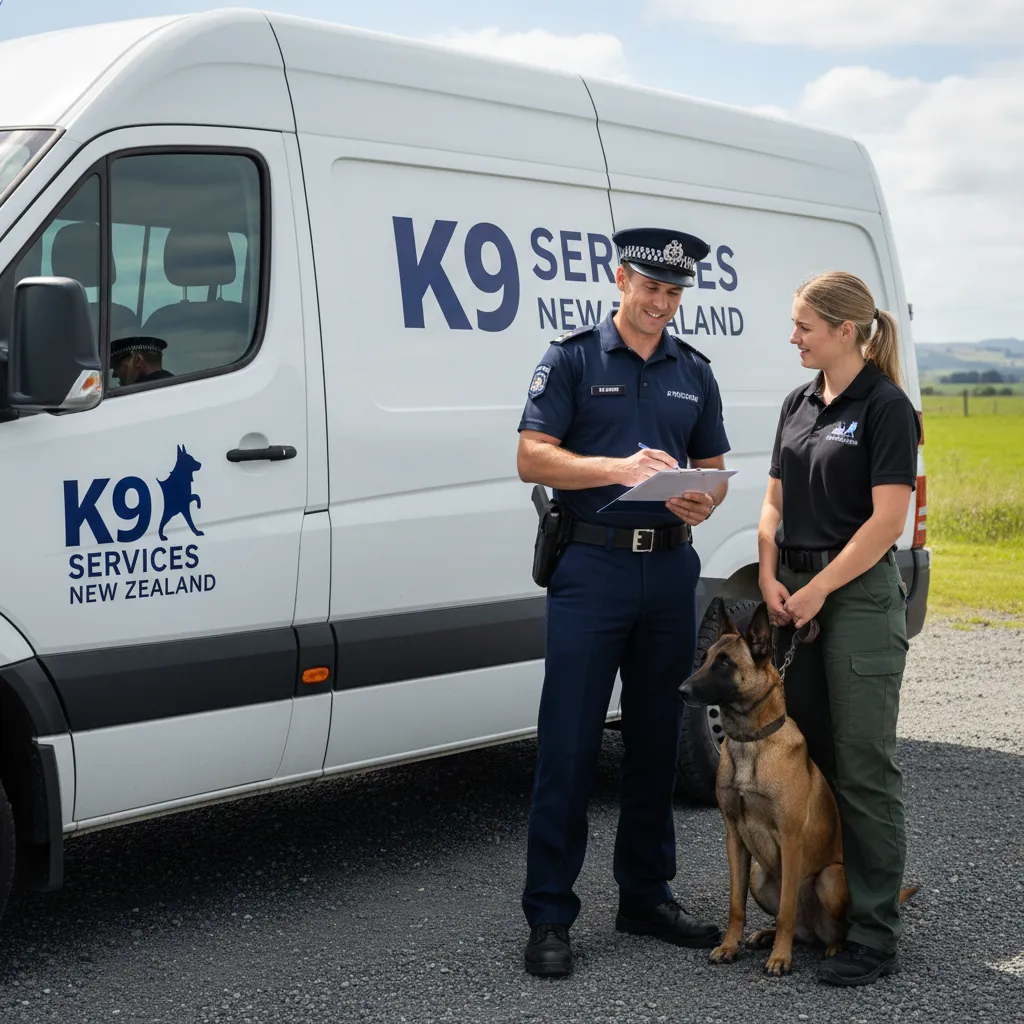
Long-Distance Travel Logistics in New Zealand
Transporting therapy dogs across New Zealand presents unique challenges due to the winding nature of the roads and varying terrain. A trip from Auckland to Wellington or Christchurch to Queenstown is physically demanding for animals.
Route Planning and Rest Stops
Professional logistics require accounting for “dog time.” A journey that takes a human four hours should be budgeted for five hours when transporting working dogs.
- Frequency of Stops: Plan to stop every 2 to 3 hours. This allows the dog to hydrate, relieve themselves, and stretch. This prevents stiffness, which is crucial for therapy dogs that may need to be mobile and interactive shortly after arrival.
- Location Selection: Avoid busy highway shoulders. Utilize designated rest areas or parks away from heavy traffic to minimize stress. Apps like CamperMate or specific council websites can identify dog-friendly reserves along your route.
Inter-Island Transport (Cook Strait Ferries)
If your operations cover both the North and South Islands, you will encounter the Cook Strait ferries (Interislander or Bluebridge). Both operators have specific policies for dogs.
For professional handlers, booking a kennel on the ferry is an option, but many prefer to leave the dog in the vehicle if the weather permits and the sea state is calm. However, you generally cannot stay with the dog on the vehicle deck. This separation can be stressful. To mitigate this:
- Ensure the dog has been exercised vigorously before boarding.
- Provide a familiar blanket or chew toy in the crate.
- Check the ferry operator’s current policy on “top deck” access, as some sailings allow dogs in designated areas on passenger decks, which is preferable for monitoring their welfare.
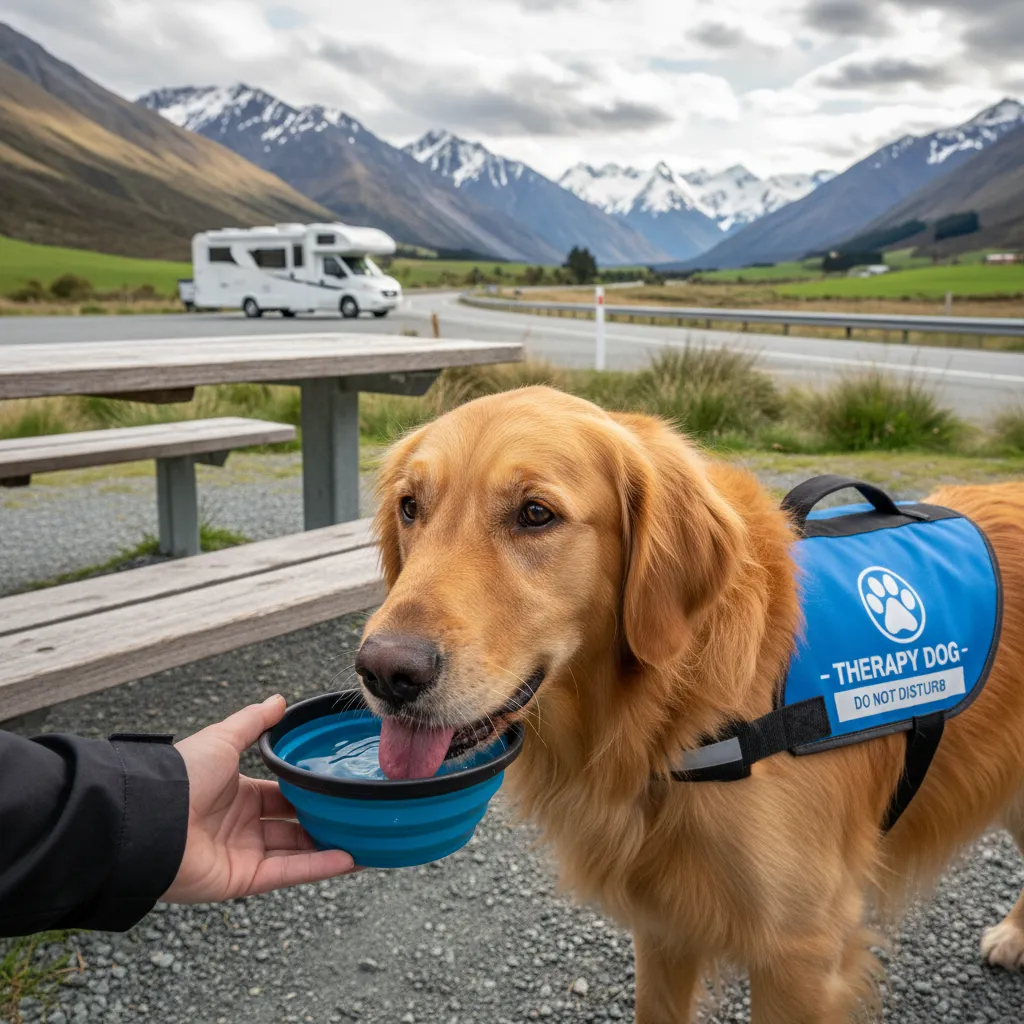
Insurance Implications for Therapy Dog Transport
Standard vehicle insurance or pet insurance often falls short when applied to a commercial therapy dog operation. When you are transporting therapy dogs NZ wide for business purposes, you enter a different tier of liability.
Commercial Vehicle vs. Private Use
If your vehicle is used primarily for your therapy dog business, it must be insured for commercial use. If you have an accident while transporting dogs for a paid engagement and only have private car insurance, your claim could be declined. You must disclose the nature of the goods being carried—in this case, live animals.
Care, Custody, and Control (CCC)
For businesses that transport dogs belonging to others (e.g., a therapy dog training center dropping off dogs to handlers), you need “Care, Custody, and Control” coverage. This protects you if an animal is injured, lost, or dies while in your charge. Standard public liability usually excludes damage to property (dogs are legally property) that is in your physical control.
Transit Insurance
Consider specific transit insurance for the value of the highly trained animals. A fully trained therapy dog represents a significant investment of time and money (often upwards of $20,000 NZD). If a collision occurs and the dog is injured, veterinary bills can be astronomical. Ensure your policy covers veterinary expenses resulting from a vehicle accident explicitly.
Maintaining Working Dog Welfare on the Road
The goal of transporting therapy dogs is to arrive with the dog in a “work-ready” state. A dog that is nauseous, dehydrated, or anxious cannot perform their duties effectively.
Mitigating Motion Sickness and Anxiety
Even experienced working dogs can suffer from motion sickness on winding NZ roads. To prevent this:
- Feeding Schedule: Avoid feeding a large meal less than two hours before travel. A light snack is preferable.
- Visual Horizon: If possible, position crates so the dog cannot see the rapid movement of side scenery, which can trigger nausea. Forward-facing views or covered crates often help.
- Pheromones: Use synthetic pheromone sprays (like Adaptil) on the bedding inside the vehicle 15 minutes before loading the dog to promote calmness.
Hygiene and Biosecurity
When transporting therapy dogs to sensitive environments like hospitals or rest homes, hygiene is paramount. The vehicle must be kept immaculately clean to prevent the transfer of pathogens. Use easy-to-clean crate liners and carry a grooming kit to freshen the dog after the journey and before entering the facility. Muddy paws from a rest stop are unprofessional and potentially a health risk in clinical settings.
People Also Ask
Is it illegal to have a dog loose in a car in NZ?
While not explicitly illegal to have a dog loose, it is illegal to operate a vehicle with an insecure load. If the police determine the dog is a distraction or a hazard to vehicle operation, you can be fined for driving with an insecure load. In the event of an accident, a loose dog can void insurance.
Can therapy dogs travel in the front seat?
It is strongly discouraged. If a therapy dog must travel in the front, the passenger airbag must be disabled, and the dog must be secured with a crash-tested harness. An active airbag can kill a dog instantly during a collision.
How often should I stop on a road trip with a dog?
For working dogs, it is recommended to stop every 2 to 3 hours. This frequency maintains their hydration levels and mental well-being, ensuring they are ready to work upon arrival at their destination.
What are the crate requirements for working dogs?
Crates must be large enough for the dog to stand, turn around, and lie down in a natural position. They should be well-ventilated and securely anchored to the vehicle. For professional use, crash-tested steel or aluminum crates are the industry standard.
Do I need special insurance for transporting therapy dogs?
Yes. You likely need commercial vehicle insurance and liability cover that includes “Care, Custody, and Control” if you are transporting dogs for business purposes. Personal pet insurance typically does not cover commercial activities.
What is the fine for an unrestrained dog in NZ?
If deemed an insecure load or a hazard, fines can range significantly. Furthermore, under the Animal Welfare Act, if an animal suffers due to improper transport (e.g., heat stress or injury from being thrown), fines can escalate into the thousands, along with potential prosecution.