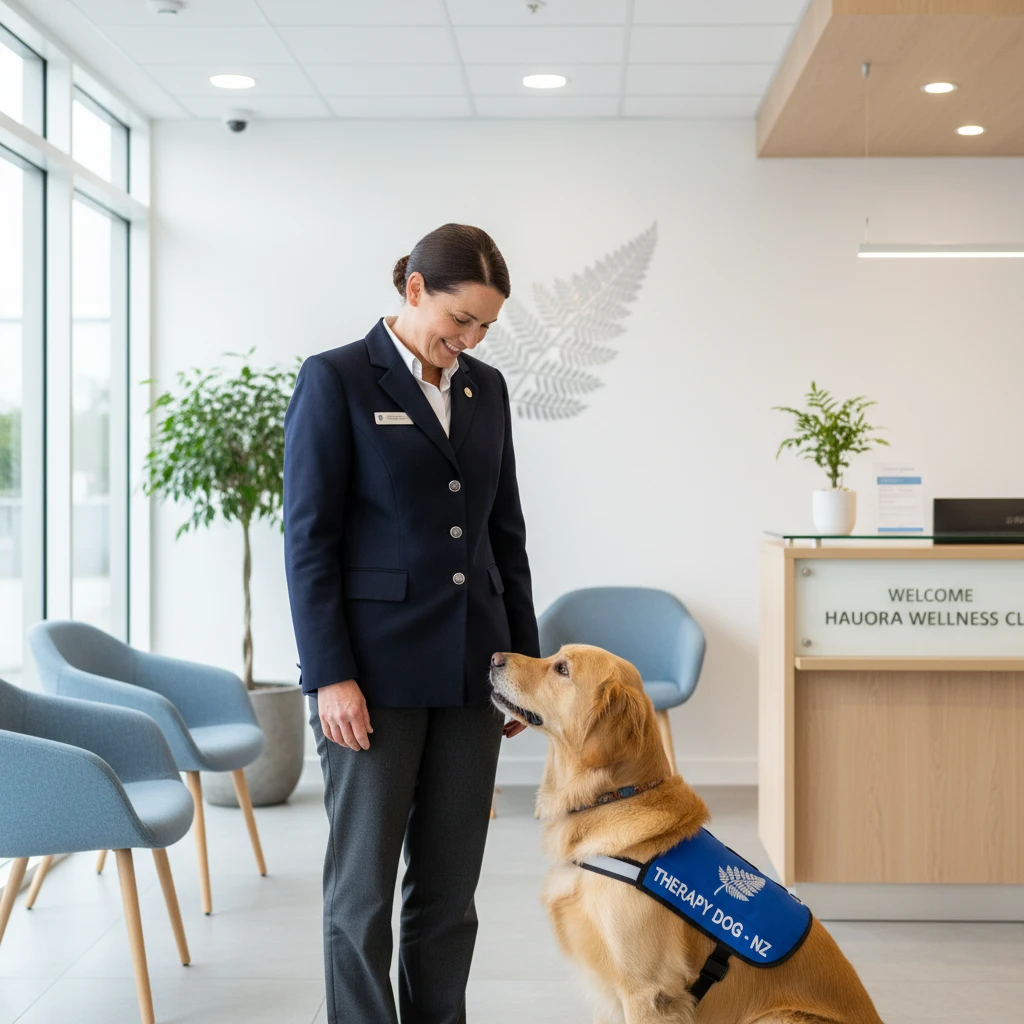
To buy therapy dog patches in New Zealand, you should source from specialized canine equipment suppliers such as Julius-K9 NZ, dedicated embroidery services, or safety gear retailers. Ensure you select high-visibility, durable materials like PVC or embroidered nylon with hook-and-loop backing for versatility. Always verify your organization’s specific identification standards before purchasing to ensure compliance with NZ regulations.
Sourcing High-Visibility Patches for Vests
When you are looking to buy therapy dog patches NZ, the primary consideration must be visibility and legibility. A therapy dog operating in environments such as hospitals, schools, rest homes, or airports serves a distinct function that requires immediate visual identification. The patch acts as a primary communication tool between the handler and the public, signaling that the animal is working and often indicating whether interaction is invited or restricted.
In the New Zealand market, high-visibility patches are generally categorized by their reflective capabilities and contrast. Standard patches often feature white text on a black background, but for low-light environments or high-traffic areas, reflective silver lettering or fluorescent backgrounds (neon yellow or orange) are superior choices. These are particularly important for therapy dogs that may be working in evening settings or outdoors during the winter months.
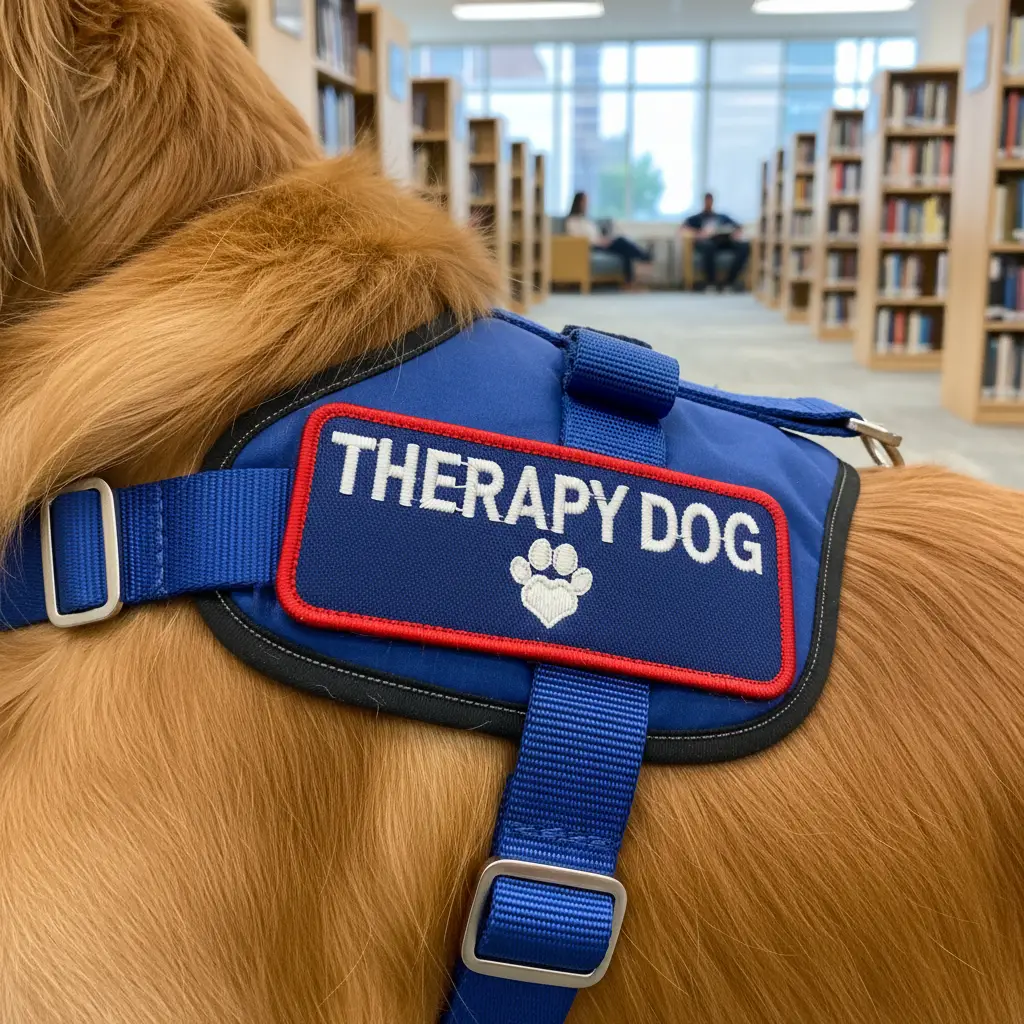
Sourcing these items locally reduces shipping times and ensures that the terminology matches New Zealand English conventions (e.g., avoiding Americanized terms if specific local terminology is preferred by the certifying body). High-quality sourcing involves looking for patches that utilize industrial-grade hook-and-loop (Velcro) backing. This allows for the modular exchange of patches depending on the specific role the dog is performing at that moment (e.g., switching from “In Training” to “Therapy Dog”).
The Importance of Contrast and Font
When selecting a supplier, examine the font weight used in their products. Thin, serif fonts are difficult to read from a distance. The industry standard for professional working dogs is a bold, sans-serif font (often Arial or Impact style). This ensures that the public can identify the dog’s role from at least 5 to 10 meters away, preventing unwanted approaches or confusion regarding the dog’s access rights.
Custom Embroidery Services in NZ
While generic “Therapy Dog” patches are widely available, many organizations and independent handlers require custom solutions. This is where the New Zealand textile and embroidery market plays a crucial role. Custom embroidery allows for the inclusion of specific organization names, logos, or handler instructions (e.g., “Ask to Pet” or “Do Not Distract”).
Local NZ embroidery shops often offer “digitizing” services, where they convert a digital logo file into a stitch path for embroidery machines. This is essential for organizations like St John or independent therapy groups wanting to maintain brand consistency across their canine fleet. When commissioning custom patches, consider the following specifications:
- Thread Quality: Ensure the embroiderer uses polyester or rayon threads that are colorfast and resistant to UV fading, as therapy dogs often spend time in the sun.
- Stitch Density: Higher stitch density results in a cleaner, more professional look that is less likely to snag on obstacles.
- Edging: Request a “merrowed” border (a heavy overlock stitch) around the edge of the patch. This prevents fraying and significantly extends the lifespan of the patch.
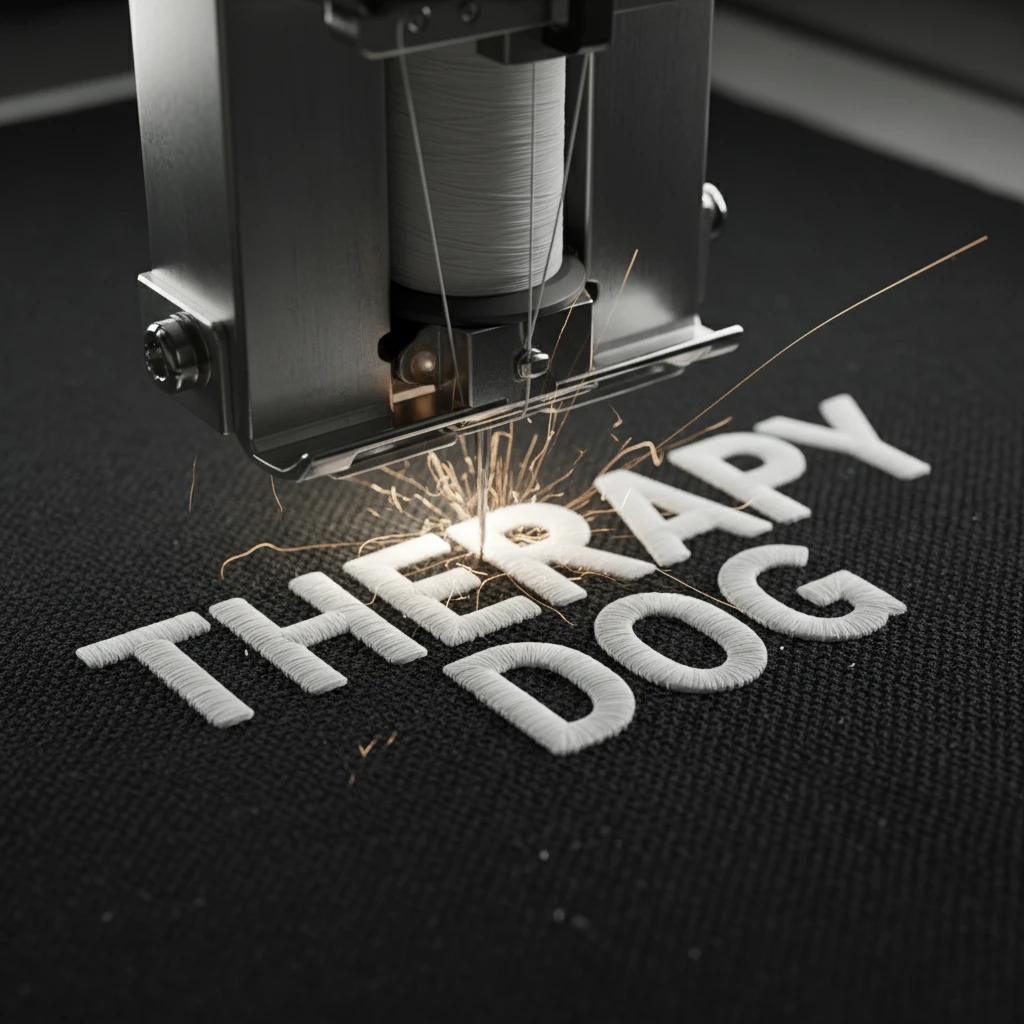
Several promotional branding companies in Auckland, Wellington, and Christchurch cater to small-batch orders, making it feasible for individual handlers to order a set of custom patches without needing to purchase hundreds at a time.
Legal Requirements for Patch Wording
One of the most critical aspects of buying therapy dog patches in NZ is understanding the legal distinction between a Therapy Dog, an Assistance Dog (Service Dog), and an Emotional Support Animal. Misrepresenting a dog’s status through incorrect patch wording is unethical and can undermine the rights of legitimate assistance dog users.
Therapy Dog vs. Assistance Dog Identification
In New Zealand, under the Dog Control Act 1996 and ensuring Human Rights Act compliance, “Assistance Dogs” (Guide Dogs, Hearing Dogs, Mobility Dogs) have full public access rights. “Therapy Dogs” generally do not. Therapy dogs are trained to provide comfort and affection to people in institutions (hospitals, schools) and usually only have access to these facilities by invitation.
Therefore, when you buy therapy dog patches NZ, you must avoid patches that say “Service Dog” or “Full Access” unless the dog is a certified Assistance Dog. The correct wording should be:
- Therapy Dog
- Visiting Therapy Dog
- Comfort Dog
- In Training (if applicable)
Using a patch that implies legal access rights (like “Service Dog”) for a dog that is merely a visiting therapy animal can lead to confusion for business owners and potential legal repercussions if the dog behaves inappropriately in a public space.
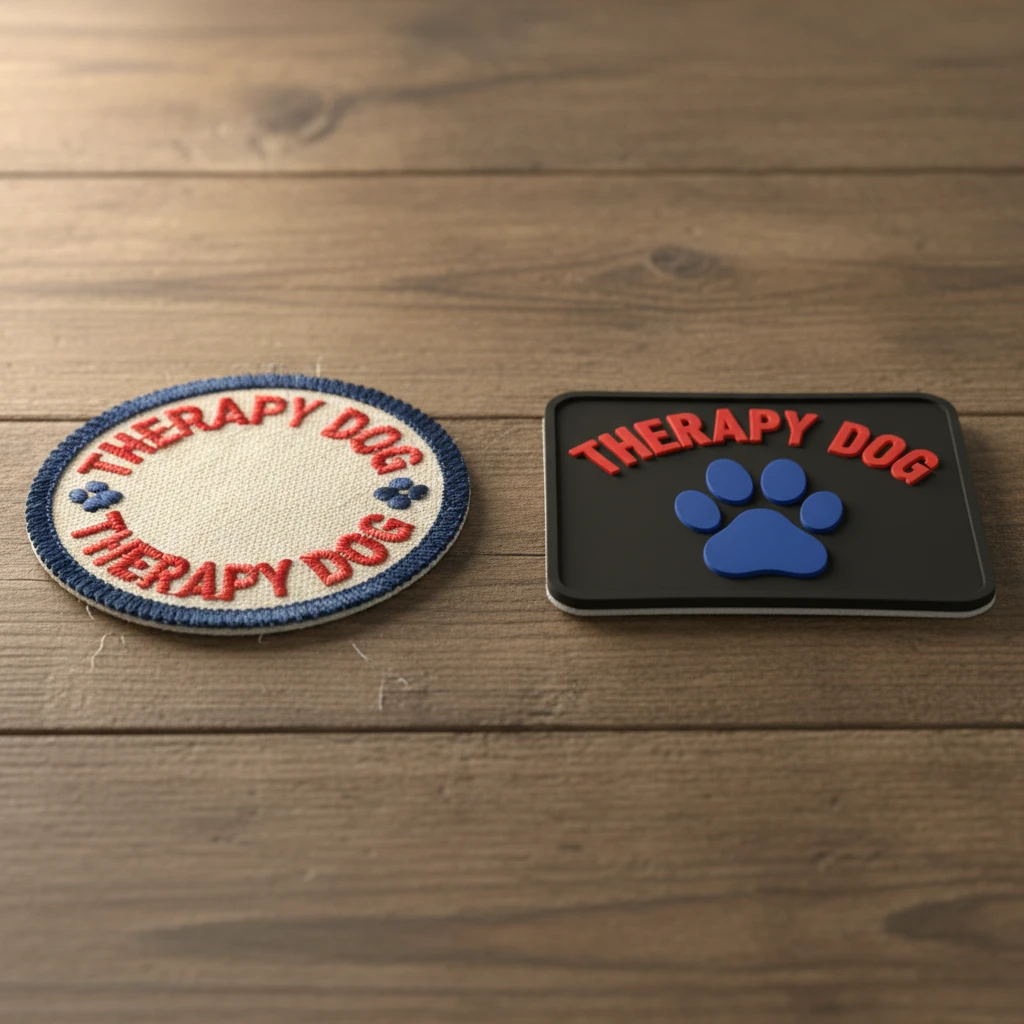
Material Selection: PVC vs. Embroidery
When browsing suppliers, you will typically encounter two main material types. Understanding the difference is vital for longevity and maintenance.
Embroidered Patches
These are the traditional standard. They offer a classic, professional aesthetic and are generally more flexible, conforming well to the curve of a dog’s vest. However, embroidery can absorb water and dirt. In the muddy NZ winter, an embroidered patch might stain if the dog is active outdoors. They require occasional washing to maintain their brightness.
PVC (Rubber) Patches
PVC patches are becoming the preferred choice for modern working dog gear. They are made from soft, durable rubber molded into 2D or 3D designs.
- Waterproof: They do not absorb water or odors.
- Easy Clean: Mud and dirt wipe off instantly with a damp cloth.
- Durability: They do not fray or snag like thread.
- Visibility: The matte finish of PVC often provides excellent contrast without glare.
Where to Buy: Top NZ Suppliers
To secure high-quality gear, it is recommended to purchase from established New Zealand retailers rather than generic overseas drop-shippers. This ensures consumer protection under the CGA (Consumer Guarantees Act) and faster delivery.
Specialized Working Dog Retailers
Companies that specialize in police, security, and Schutzhund gear are excellent sources. They stock gear meant for heavy use. Look for suppliers stocking brands like Julius-K9, which is the gold standard for working dog harnesses in NZ. Their patches are interchangeable and standardized.
Local Online Marketplaces
Platforms like TradeMe often have listings from local makers who create bespoke gear. When buying here, verify the seller’s feedback regarding the quality of the velcro backing. Cheap backing wears out quickly, causing the patch to fall off during visits.
Major Pet Retailers
Large chains (e.g., Animates, Pet.co.nz) occasionally stock “In Training” or generic patches, but their selection for specific “Therapy Dog” designation may be limited compared to specialist safety gear providers.
Bulk Ordering for Organizations
For therapy dog organizations operating across New Zealand, bulk ordering is a logistical necessity to ensure uniformity among volunteers. When a volunteer enters a facility, the uniform (vest and patch) acts as the credential.
Establishing Trade Accounts
If you represent an organization, contact suppliers directly to establish a trade account. Many NZ embroidery and safety gear firms offer significant volume discounts (often 10-20%) for orders exceeding 50 units. This also allows you to lock in a specific design template, ensuring that a patch ordered in Dunedin looks identical to one ordered in Auckland.
Inventory Management
It is advisable to order a surplus of common patches (e.g., “Therapy Dog”) and a smaller stock of specialized ones (e.g., “Head Shy” or “No Dogs”). Patches are consumable items; they get lost, chewed, or worn out. Having a central inventory prevents delays in deploying new volunteer teams.
Ensuring Vest and Harness Compatibility
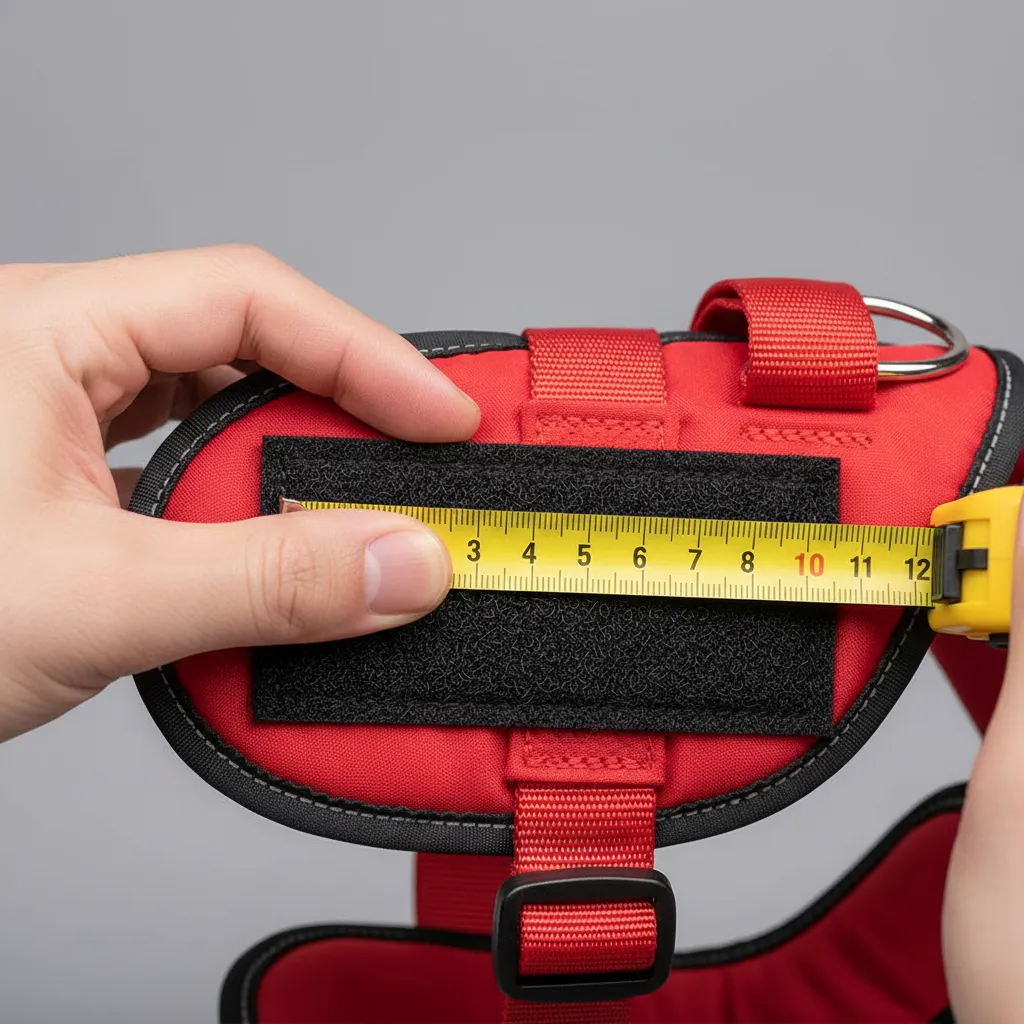
A patch is only as good as the surface it attaches to. Before you buy therapy dog patches NZ, measure the loop-field (the soft Velcro side) on your dog’s current harness. The most common sizes in the industry are:
- Small/Medium: 110mm x 30mm (Common for Julius-K9 sizes Baby 1 to Size 0)
- Large: 160mm x 50mm (Common for Size 1 to Size 4)
Buying a patch that is too large for the velcro field looks unprofessional and creates snag points where the patch can be ripped off. Conversely, a patch that is too small leaves exposed velcro which collects lint and hair.
Maintenance and Care for Gear
To maintain a professional appearance, patches must be kept clean. A dirty patch reflects poorly on the hygiene standards of the handler, which is critical when visiting sterile environments like hospitals.
Cleaning Embroidered Patches: Hand wash with mild detergent and warm water. Do not use bleach, as it can fade the high-visibility thread. Air dry flat.
Cleaning PVC Patches: Wipe down with an antibacterial wipe or soap and water. Avoid harsh solvents that could degrade the rubber.
Velcro Maintenance: Periodically use a fine-tooth comb or a dedicated velcro cleaning brush to remove dog hair and lint from the hook side of the patch and the loop side of the vest. This ensures a strong bond and prevents the patch from curling at the corners.
Conclusion
Equipping your therapy dog with clear, professional identification is a vital step in your volunteering journey. By sourcing high-quality patches from reputable New Zealand suppliers, adhering to legal wording conventions, and selecting the right materials for your environment, you ensure that your dog is recognized and respected as a working professional. Whether you opt for a custom embroidered piece or a durable PVC standard patch, the investment in quality gear enhances safety and communication for both the handler and the public.
People Also Ask
Can I put a service dog vest on my therapy dog in NZ?
No, you should not put a service dog vest on a therapy dog. In New Zealand, “Service Dogs” (Assistance Dogs) have legal public access rights under the Dog Control Act and Human Rights Act, whereas Therapy Dogs do not. Misrepresenting a therapy dog as a service dog is unethical and can cause confusion or access issues for legitimate assistance dog teams.
Where can I get custom dog patches made in NZ?
You can get custom dog patches made at local embroidery shops, promotional branding companies, or through specialized online retailers like EmbroidMe or local sellers on TradeMe. Many suppliers that handle corporate uniforms or sports team branding also offer custom embroidery services suitable for dog vests.
What is the difference between a therapy dog and an assistance dog in NZ?
An Assistance Dog (Service Dog) is trained to perform specific tasks to assist a disabled person and has legal rights to enter public places (cafes, shops, planes). A Therapy Dog is trained to provide comfort and affection to people in clinical or educational settings (hospitals, schools) but does not have automatic public access rights and only visits by invitation.
Do therapy dogs need to wear a vest in New Zealand?
While there is no strict law mandating a vest for therapy dogs, it is industry standard and highly recommended. A vest with clear patches identifies the dog as a working animal, signals to the public that the dog is on duty, and helps maintain hygiene and professionalism during facility visits.
How much do custom therapy dog patches cost?
Standard pre-made patches typically cost between $10 and $20 NZD per pair. Custom embroidered patches can range from $20 to $40 NZD depending on the complexity of the design, the stitch count, and whether a setup fee (digitizing fee) is required for the logo.
Can I make my own therapy dog patches?
Yes, if you have the equipment. You can use a heavy-duty sewing machine or an embroidery machine to create patches. However, homemade patches must look professional and legible. Using iron-on transfers is generally discouraged as they peel off quickly; sewing or using velcro backing is preferred for durability.