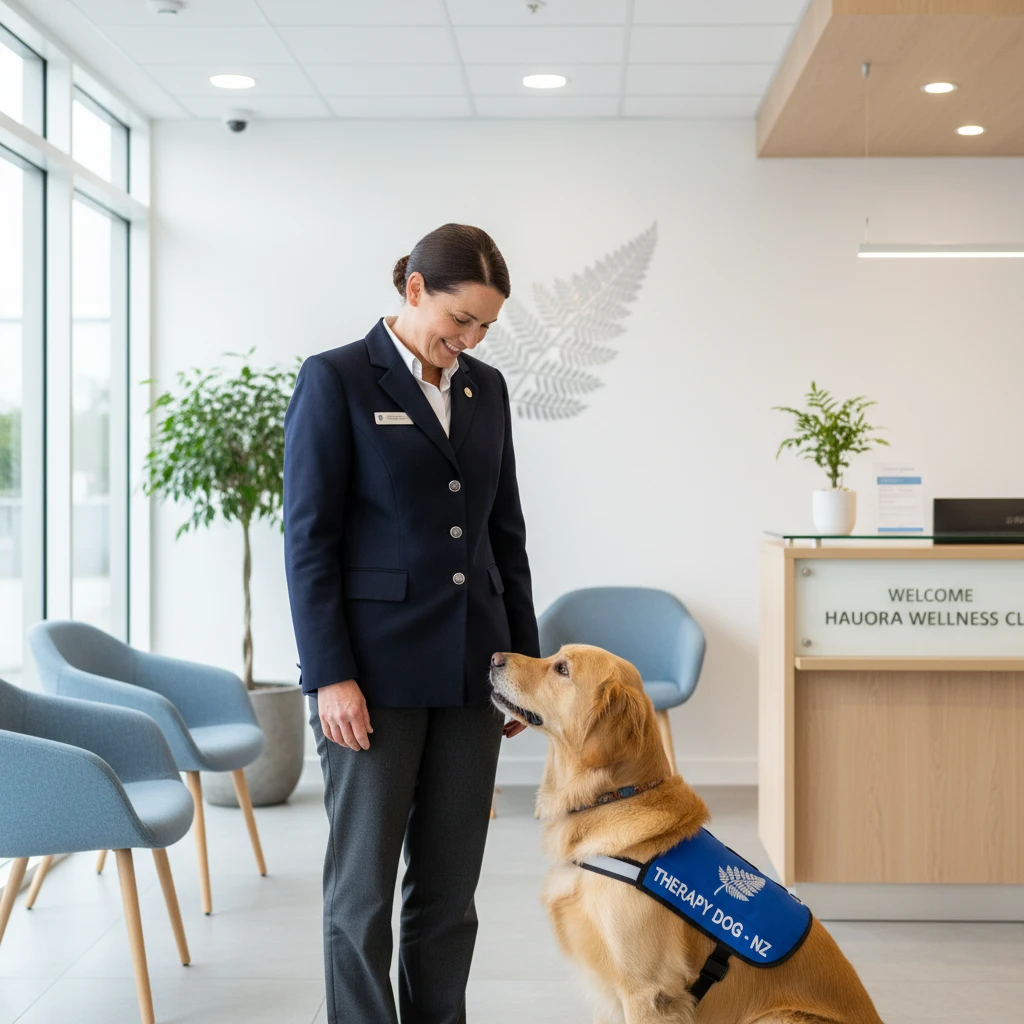
The best therapy dog insurance in NZ typically requires a combination of comprehensive pet health cover and a specialized public liability policy. While providers like Southern Cross and PD Insurance offer excellent veterinary coverage, therapy dogs differ from standard pets and require commercial liability protection to safeguard against third-party injury or property damage claims that occur during professional visits.
Navigating the insurance landscape for therapy dogs in New Zealand is significantly more complex than insuring a family pet. Because a therapy dog is often viewed as a working asset or part of a business operation, standard household pet policies may contain exclusions regarding “commercial use” or “professional services.” This guide provides a deep dive into securing the correct coverage to protect your canine partner and your business assets.
Comparing Pet Insurance vs. Working Dog Insurance
One of the most common mistakes New Zealand therapy dog handlers make is assuming a standard pet insurance policy covers all their needs. Understanding the distinction between personal pet insurance and commercial/working dog insurance is fundamental to financial safety.
What Standard Pet Insurance Covers
Standard policies, such as those offered by general insurers, are designed to cover the health of the animal. This includes:
- Veterinary Fees: Costs associated with illness and accidental injury.
- Surgery and Medication: Ongoing treatments for chronic conditions (depending on the policy).
- Third-Party Liability (Limited): Some comprehensive pet policies include personal liability, but this often strictly excludes incidents related to business activities, trade, or profession.
What Therapy Dog Insurance Requires
A therapy dog is technically “at work” when visiting a hospital, school, or rest home. Therefore, the insurance needs shift from purely health-based to risk-management based. Working dog coverage (or a business endorsement) focuses on:
- Commercial General Liability: Protection if your dog knocks over an elderly patient or nips a child during a session.
- Loss of Use: Compensation if the dog can no longer work due to injury (rare in standard policies, common in working dog policies).
- Business Interruption: If your therapy dog business cannot operate because the dog is sick.

Key Coverage Features for Therapy Dogs
When analyzing policy documents, prioritize these specific features to ensure your therapy dog is adequately protected in a New Zealand context.
1. Comprehensive Medical and Surgical
Therapy dogs are high-value assets. The investment in their training is significant, and their health is paramount to their ability to work. Look for policies with high annual limits (e.g., $15,000+) to cover major surgeries like cruciate ligament repair or foreign object removal.
2. Third-Party Property Damage
If your therapy dog is in a school and accidentally knocks over an expensive projector or damages facility equipment, you are liable. Standard pet policies usually exclude property damage that occurs while the animal is being used for “professional purposes.” Ensure your policy explicitly covers this scenario.
3. Personal Injury to Others
Even the most gentle therapy dog can accidentally cause injury. A tail wag could trip a frail patient, or a paw could scratch thin skin. In a litigious environment, or simply to cover the medical excess of the injured party, this coverage is non-negotiable.
4. Car and Transport Coverage
Therapy dogs travel frequently. Ensure your policy covers the dog for injuries sustained during transit to and from work locations. Some policies have specific clauses regarding restraining dogs in vehicles.
Top NZ Providers: Southern Cross, PD Insurance, and More
While few insurers in NZ offer a dedicated “Therapy Dog” product, several major providers offer flexible terms or specific working dog categories. Here is an analysis of the market leaders.
Southern Cross Pet Insurance
Pros: Southern Cross is a market leader with a reputation for reliable payouts. They offer substantial annual limits on their PetCare Plus plans.
Cons: You must read the fine print regarding “working dogs.” Generally, Southern Cross excludes dogs used for security or racing, but therapy dogs may be covered under standard plans if the liability component is sourced elsewhere.
Verdict: Excellent for the dog’s health, but you will likely need a separate business liability policy.
PD Insurance
Pros: PD Insurance is known for its “soft” approach to exclusions and fast claims processing. They offer a month-to-month payment structure which helps with cash flow for small therapy businesses.
Cons: Like others, their third-party liability section often excludes incidents arising from a business or trade.
Verdict: A strong contender for health coverage due to competitive pricing and high limits.
Petcover (formerly Petplan)
Pros: Petcover is one of the few global insurers that understands the “working dog” distinction deeply. They often have more specialized clauses and higher liability limits.
Verdict: Highly recommended to contact them directly to request a “working dog” endorsement on the policy.
Crombie Lockwood / Gallagher
Pros: As insurance brokers rather than direct issuers, they can package a “Business Liability” policy that specifically names your therapy dog.
Verdict: The best route for full commercial protection. You would buy pet health insurance separately and use a broker for the public liability aspect.
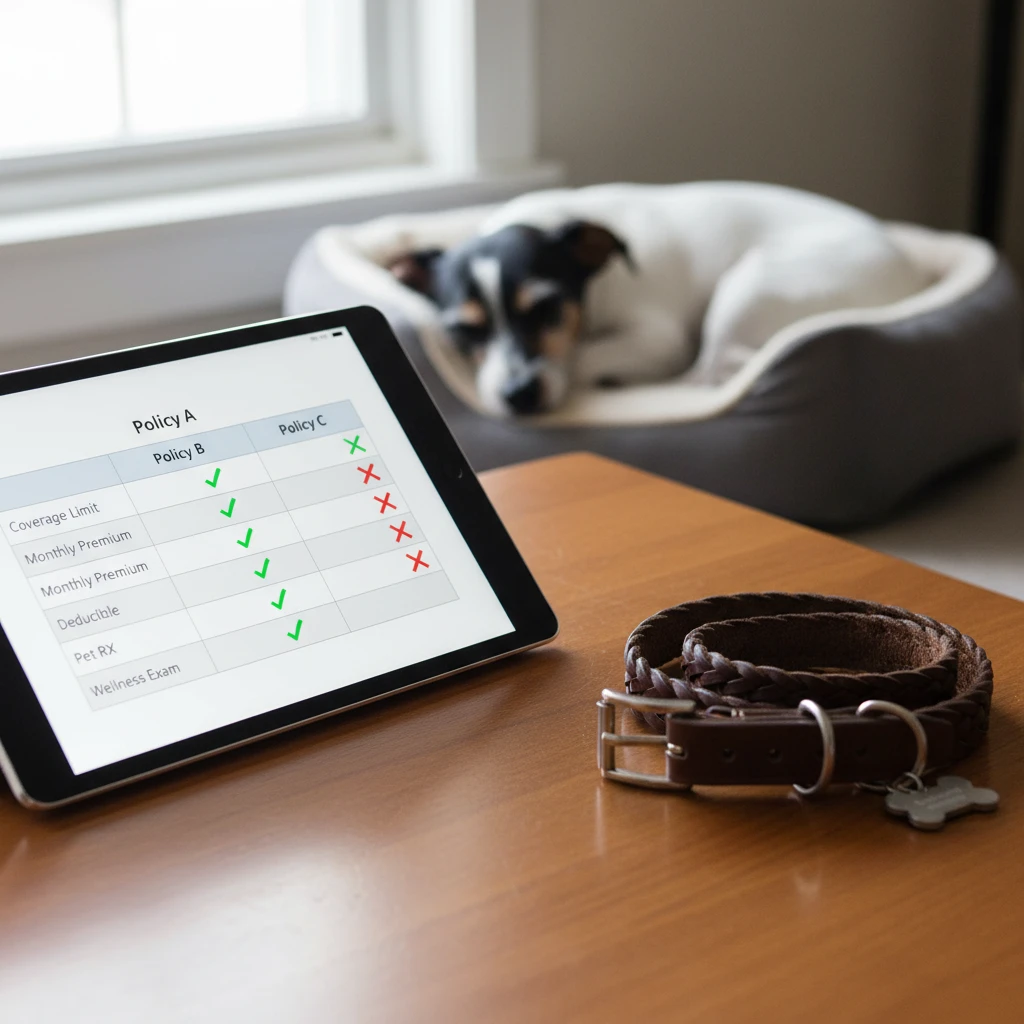
The Critical Importance of Public Liability
Why is Public Liability (PL) the most critical component for a therapy dog? Because the Accident Compensation Corporation (ACC) in New Zealand covers personal injury, but it does not cover everything, and it certainly does not cover property damage or civil lawsuits related to negligence.
If you are operating as a sole trader or a business providing therapy dog services, you need General Liability Insurance. This is separate from the dog’s health insurance.
Scenario: You take your dog to a corporate stress-relief event. The dog gets excited and knocks a laptop off a table, destroying it. ACC does not cover this. Your standard pet insurance likely excludes it because you were being paid (or operating professionally) at the time. Only General Liability insurance covers this cost.
Policy Exclusions to Watch Out For
When reviewing the Product Disclosure Statement (PDS) of any NZ insurer, search for these specific exclusion terms:
1. The “Professional Services” Clause
Most consumer pet policies state: “We will not pay for any liability arising from your pet being used for any business, trade, profession, or occupation.” If you see this, you must get written confirmation from the insurer that voluntary or paid therapy work is exempted, or you are not covered.
2. Pre-existing Conditions
This applies to all pet insurance. If your therapy dog has a history of hip dysplasia or anxiety before the policy starts, these conditions will be permanently excluded. It is vital to insure therapy dogs as puppies or as soon as they are acquired.
3. Behavioral Issues
If a dog shows signs of aggression, they should not be therapy dogs. However, insurers may exclude claims related to behavioral issues if the dog has not been professionally certified. Holding a certification from a recognized body (like St John or Therapy Dogs NZ) can sometimes help in disputes.

Cost Factors and Premium Estimates
The cost of insuring a therapy dog in New Zealand varies based on breed, age, and the level of liability cover required.
Health Insurance Costs
For a standard Golden Retriever or Labrador (common therapy breeds) aged 2 years:
Basic Accident Only: $20 – $35 per month.
Comprehensive (Accident & Illness): $60 – $110 per month.
Liability Insurance Costs
For a standalone business liability policy covering a therapy animal:
Estimated Cost: $250 – $500 per year (approx. $20-$40 monthly).
Total Investment: Expect to budget between $100 and $150 per month for total peace of mind (Health + Liability).
How to Apply for Therapy Dog Coverage
Securing the right insurance involves a strategic approach. Do not simply click “buy” on a website without due diligence.
- Step 1: Certify Your Dog. Ensure your dog has passed the Canine Good Citizen test or equivalent therapy dog assessments. This proves to insurers that the dog is low-risk.
- Step 2: Purchase Health Cover. Select a top-tier provider (Southern Cross, PD, Petcover) for the medical side. Declare the dog as a companion animal unless the form specifically asks about work.
- Step 3: Contact for Liability. Call the insurer or a business broker (like BizCover) and ask: “I take my dog into schools for therapy work. Does my policy cover liability in this setting?”
- Step 4: Get it in Writing. If an insurer says yes over the phone, request an email confirmation or a policy endorsement noting the therapy work.

Conclusion
Finding the best therapy dog insurance in NZ requires a two-pronged approach. Prioritize your dog’s health with a robust comprehensive policy from a provider like Southern Cross or PD Insurance, but do not assume this covers your legal risks. For true protection, pair your health policy with a commercial general liability policy that specifically acknowledges your dog’s role as a working therapy animal. This ensures that whether your dog needs surgery or you face a legal claim, your focus can remain on the important work of providing comfort to those who need it.
People Also Ask
Does standard pet insurance cover therapy work in NZ?
Generally, no. Most standard pet insurance policies in NZ exclude liability coverage for dogs involved in business, trade, or professional services. While they will cover the dog’s health (illness/injury), they won’t cover third-party damage caused while working unless specifically endorsed.
Is public liability insurance mandatory for therapy dogs?
It is not a legal requirement by NZ government law for ownership, but most facilities (hospitals, schools, nursing homes) will contractually require you to hold public liability insurance before allowing you and your therapy dog on the premises.
What is the difference between service dog and therapy dog insurance?
Service dogs (like guide dogs) assist a single person with a disability and have specific legal protections. Therapy dogs assist multiple people in clinical settings. Insurance for service dogs is often subsidized or specialized, whereas therapy dogs usually require commercial liability insurance paid by the handler.
Does Southern Cross Pet Insurance cover working dogs?
Southern Cross typically excludes dogs used for security, racing, or commercial guarding. Therapy dogs may be eligible for health cover, but you must contact them to clarify if the “professional use” exclusion applies to your specific therapy activities regarding liability.
How much does therapy dog insurance cost per month in NZ?
You should budget between $100 and $150 per month total. This includes approximately $70-$90 for comprehensive health insurance and an additional $20-$40 equivalent for a business liability policy.
Can I claim tax deductions on therapy dog insurance?
If your therapy dog is part of a registered business (e.g., you are a private counselor using the dog in sessions), the insurance premiums are generally tax-deductible as a valid business expense in New Zealand.