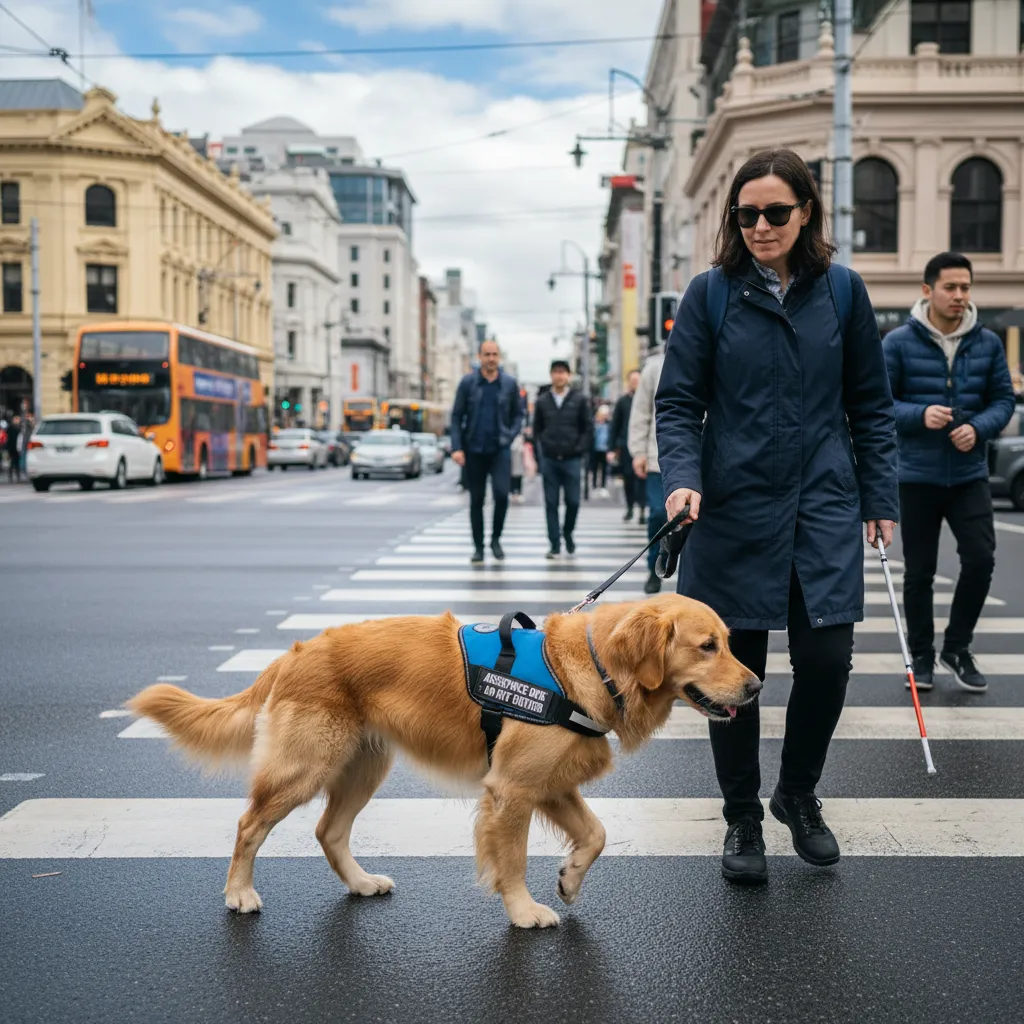
School-based therapy dog training involves specialized behavior modification and desensitization techniques designed to prepare canines for the high-stimulation environment of educational settings. For educators in Wellington, registering for a certified course ensures your dog meets the rigorous safety and temperament standards required to support student well-being effectively.
Why Schools Require Specialized Training?
Bringing a dog into a school environment requires preparation that goes far beyond basic obedience. Schools are dynamic, high-stimulation environments filled with sudden noises, unpredictable movements from children, and a variety of smells and distractions. A standard pet dog, no matter how friendly, may become stressed or reactive without specific conditioning.
Specialized training focuses on environmental neutrality. This means the dog learns to remain calm and focused on their handler regardless of the chaos occurring around them. In a Wellington school setting, this might involve desensitization to school bells, the sound of chairs scraping on floors, or large groups of students moving through corridors during break times.

Furthermore, impulse control is paramount. A school therapy dog must ignore dropped food in the cafeteria and refrain from jumping on students, even when excitedly greeted. The training curriculum specifically targets these scenarios, simulating classroom interruptions and playground energy to ensure the dog’s reactions are safe and predictable. When you look to register for therapy dog training course Wellington, prioritizing a curriculum that simulates these specific environmental stressors is essential for long-term success and safety.
What Are the Certification Requirements for School-Owned Dogs?
In New Zealand, there is no single government body that regulates therapy dogs, but schools have a duty of care under the Health and Safety at Work Act. Therefore, rigorous certification from a reputable organization is virtually mandatory to mitigate liability and ensure the safety of students and staff.
The Assessment Process
Certification usually begins with a foundational assessment, often aligned with the Canine Good Citizen (CGC) standards or similar benchmarks. However, for therapy work, the bar is set higher. Evaluators look for:
- High tolerance for handling: The dog must tolerate clumsy petting, tail pulling (simulated), and being crowded by strangers.
- Recovery from startle: If a loud book drops, the dog can be startled but must recover instantly without aggression or excessive fear.
- Separation confidence: The dog should be comfortable being held by a teacher while the primary handler steps out of the room briefly.
Passing these assessments grants the certification required to operate within the school grounds. It serves as proof to the Board of Trustees and parents that the animal has been professionally vetted. Without this formal validation, a school risks significant legal exposure should an incident occur.

How to Register for Therapy Dog Training Course Wellington?
Ready to take the next step? Registering for a course in the Wellington region involves a systematic approach to ensure you and your canine partner are eligible. The process is transactional but requires preparation before you pay your deposit.
Step 1: Pre-Requisite Assessment
Most reputable Wellington providers will not allow immediate entry into a therapy-specific course without a pre-assessment. You must demonstrate that your dog has mastered basic obedience (sit, stay, recall, loose-leash walking). Contact local trainers to schedule a behavioral assessment.
Step 2: Veterinary Clearance
Before you can register, you will need a signed health certificate from your vet. This ensures the dog is up to date on vaccinations, free of parasites, and physically capable of performing therapy work. Schools are sensitive environments, and zoonotic disease prevention is a priority.
Step 3: Enrollment and Documentation
Once prerequisites are met, you can formally register. This usually involves submitting your dog’s history, your goals for the school program, and payment of course fees. In Wellington, courses often fill up quickly due to the rising popularity of animal-assisted education, so early registration is advised.

Wellington-Based Training Providers for Educators
When searching to register for therapy dog training course Wellington, it is crucial to distinguish between general obedience trainers and specialists in Animal-Assisted Interventions (AAI). For educators, you need a provider who understands the school context.
Look for providers who offer:
- On-Site Visits: Trainers who are willing to visit your specific school to assess the environment and identify potential hazards.
- Handler Training: A significant portion of the course should focus on training you (the educator). You need to learn to read your dog’s subtle stress signals to prevent burnout.
- Public Access Tests: While therapy dogs do not have the same public access rights as service dogs (like Guide Dogs), training in public spaces like Wellington CBD or busy parks helps generalize their calm behavior.
Top-tier providers in the Wellington region will often have partnerships with organizations like Therapy Dogs New Zealand or similar accrediting bodies. Always ask for references from other local schools they have worked with.
Ongoing Assessment and Skill Maintenance
Training does not end with certification. To maintain a safe program, ongoing assessment is critical. A dog’s temperament can change as they age or if they experience a negative event. Professional standards recommend annual recertification.
Maintenance Training
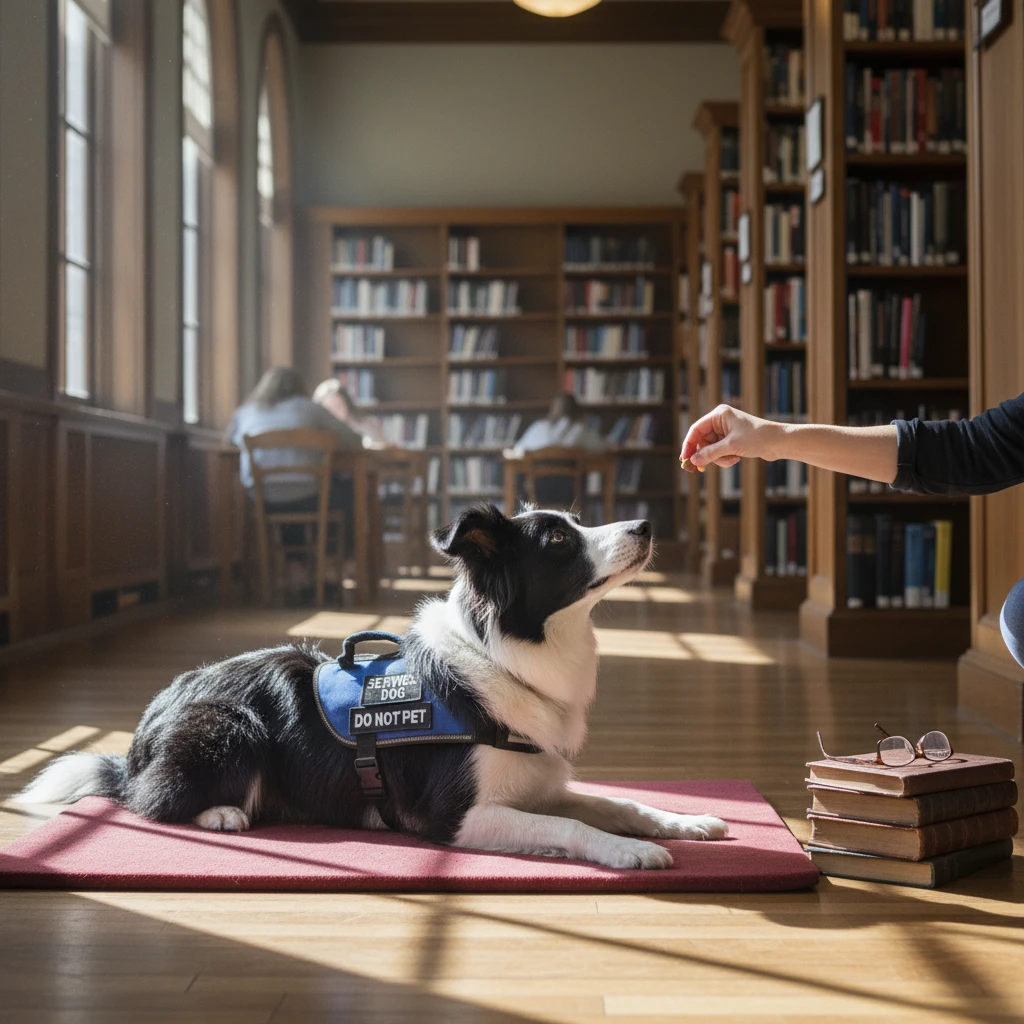
Regular “tune-up” sessions are necessary to keep the dog’s skills sharp. This might involve practicing “leave it” with high-value treats or reinforcing the “place” command where the dog must stay on their mat while the teacher moves around the classroom. Wellington providers often offer alumni classes for this specific purpose.
Monitoring for Stress
School-based dogs are prone to burnout. Educators must be vigilant in monitoring for signs of chronic stress, such as panting when not hot, avoidance behaviors, or lip licking. Part of the advanced training curriculum involves teaching staff how to advocate for the dog, ensuring they have designated rest times and “dog-free” zones within the school.
Frequently Asked Questions
How much does therapy dog training cost in Wellington?
Costs vary depending on the provider and the level of training required. Generally, a comprehensive therapy dog course in Wellington can range from $500 to $2,000 NZD, which often includes assessment fees and handler workshops.
Can any breed be a school therapy dog?
While temperament is more important than breed, certain breeds are often more successful due to their biddable nature, such as Golden Retrievers and Labradors. However, any breed, including mixed breeds, can be certified if they pass the rigorous temperament and obedience assessments.
How long does it take to certify a therapy dog?
The timeline depends on the dog’s starting point. For a puppy, the process can take 12 to 18 months to reach full maturity and certification. For an adult dog with existing obedience skills, the specific therapy training module might take 3 to 6 months.
Do schools need insurance for therapy dogs?
Yes. Most schools will require public liability insurance that specifically covers the activities of the therapy dog. Many reputable therapy dog organizations provide this insurance as part of their membership package for certified teams.
What is the difference between a service dog and a therapy dog?
A service dog is trained to perform specific tasks for one individual with a disability and has public access rights. A therapy dog is trained to provide comfort and affection to many people (like students) and does not have public access rights outside of the facility they are visiting.
How do I register for therapy dog training course Wellington?
Start by researching accredited local trainers who specialize in Animal-Assisted Intervention. Contact them to schedule an initial temperament assessment, ensure your dog’s vaccinations are current, and then complete their enrollment forms and pay the course deposit.