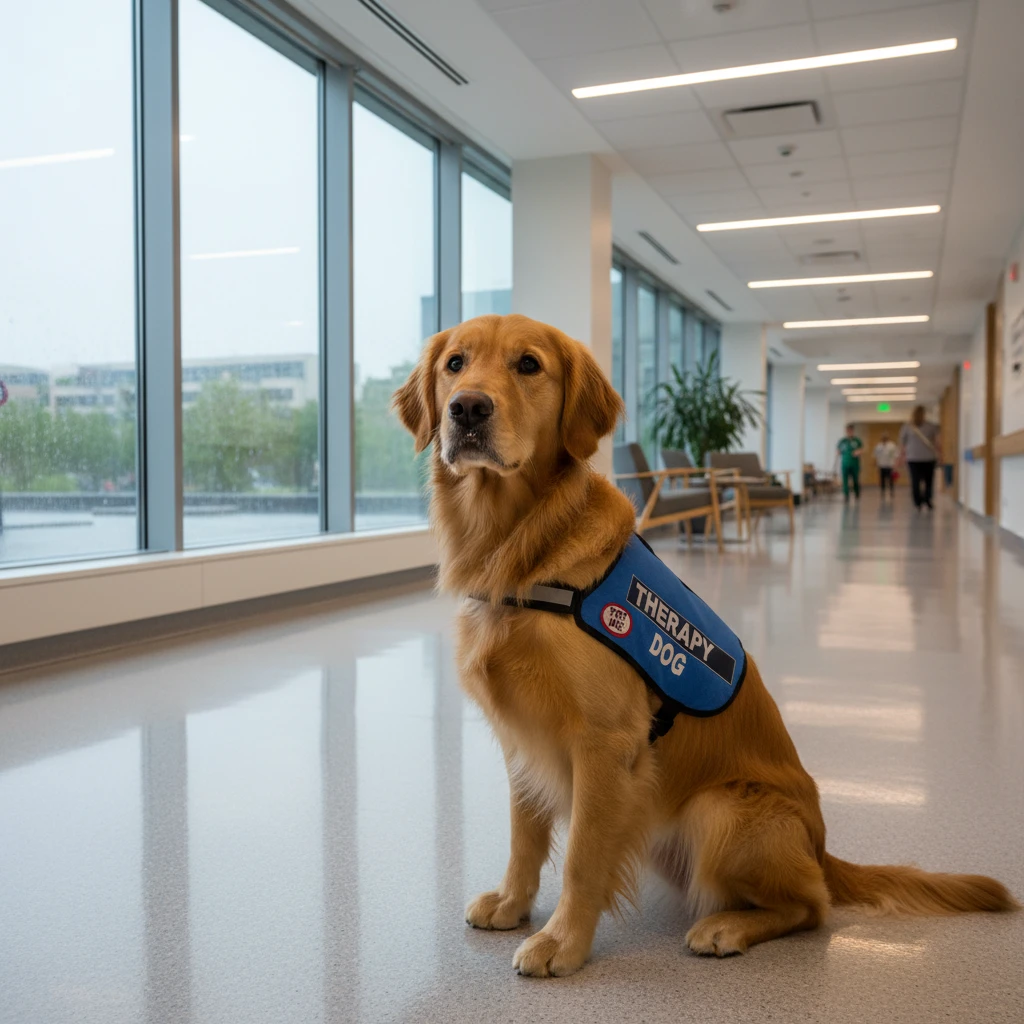
Animal welfare standards for therapy dogs in New Zealand are guided by the Animal Welfare Act 1999 and the Five Domains Model. These standards prioritize the physical health, environmental comfort, and positive mental state of working canines, ensuring they voluntarily participate in clinical settings without experiencing chronic stress or burnout.
The Five Domains of Animal Welfare in AAT
In the context of New Zealand’s animal management and veterinary sectors, the paradigm has shifted from the historical “Five Freedoms” to the more comprehensive “Five Domains Model.” For businesses operating in the Animal Assisted Therapy (AAT) niche, understanding this model is not merely an academic exercise; it is the foundation of ethical practice and risk management.
The Five Domains Model allows handlers and organizations to assess the quality of life of a therapy dog by examining four physical/functional domains which cumulatively influence the fifth domain: the animal’s mental state. In a clinical setting, where dogs are often asked to suppress natural behaviors to accommodate human needs, adhering to these domains is critical.
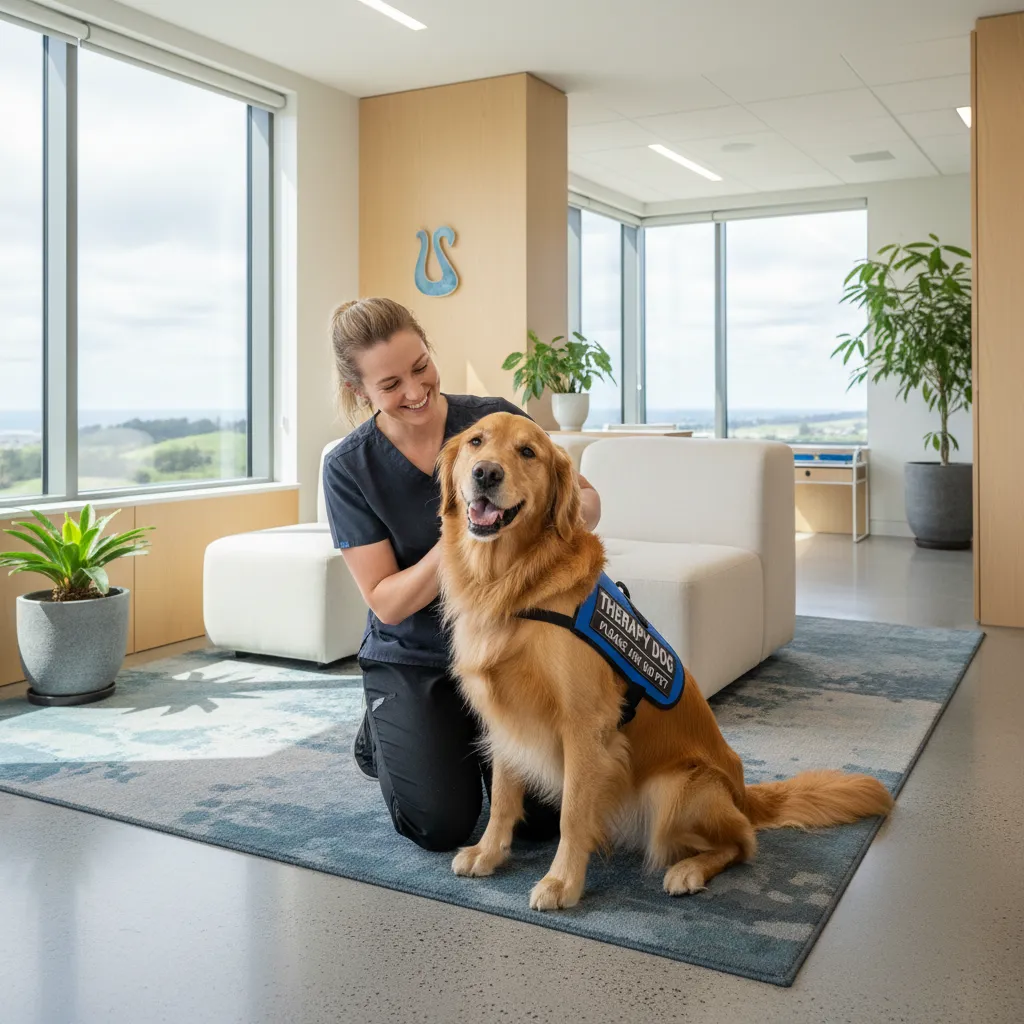
1. Nutrition and Hydration
For a working therapy dog, nutrition goes beyond basic survival. The metabolic demands of cognitive processing—navigating complex social cues, regulating emotions, and obeying commands—require high-quality fuel. In New Zealand, standards dictate that therapy dogs must have access to fresh water at all times, including during sessions. Handlers must ensure that high-value treats used for positive reinforcement during work do not lead to obesity, a common welfare issue in therapy dogs. A body condition score (BCS) of 4 or 5 out of 9 should be maintained to ensure the dog is physically capable of performing its duties without fatigue.
2. Physical Environment
The clinical environment (hospitals, schools, counseling offices) is often unnatural for a canine. Welfare standards require that the physical environment includes a safe retreat—a crate or a specific mat—where the dog is strictly “off-limits” to clients. Temperature regulation is also vital; many institutional buildings in NZ have fluctuating temperatures. A therapy dog must never be forced to work on slippery floor surfaces that could cause orthopedic strain or fear. Providing traction mats or rugs is a standard logistical requirement for ethical practice.
3. Health and Functional Status
This domain covers general fitness and the absence of disease. However, for therapy dogs, it extends to zoonotic disease control. Regular veterinary checks are mandatory to ensure the dog is not carrying pathogens that could harm immunocompromised clients, and conversely, that the dog is protected from hospital-acquired infections. This includes up-to-date vaccinations (Leptospirosis, Parvovirus, Distemper, Hepatitis, and Kennel Cough) and rigorous parasite control.
4. Behavioral Interactions
This domain focuses on the dog’s agency. Does the dog have the opportunity to express natural behaviors? In a work context, this means the dog must have “decompression time” to sniff, run, and play as a dog, not a worker. Crucially, ethical standards in NZ AAT emphasize “consent testing.” The dog must be free to disengage from an interaction. If a dog moves away, that choice must be respected. Forcing a dog to stay in a hug or petting session violates this domain.
5. Mental State
The final domain is the cumulative result of the previous four. A therapy dog should not just be “coping”; they should be thriving. The goal is a positive mental state characterized by engagement, curiosity, and calmness. If the physical domains are compromised (e.g., the dog is thirsty, on a slippery floor, or tired), the mental state deteriorates into anxiety, frustration, or exhaustion. Ethical businesses measure success not by the number of client interactions, but by the sustained positive mental state of the working animal.
NZ Veterinary Association Recommendations
The New Zealand Veterinary Association (NZVA) provides the gold standard for animal welfare. For therapy dogs, their recommendations bridge the gap between a household pet and a working professional.
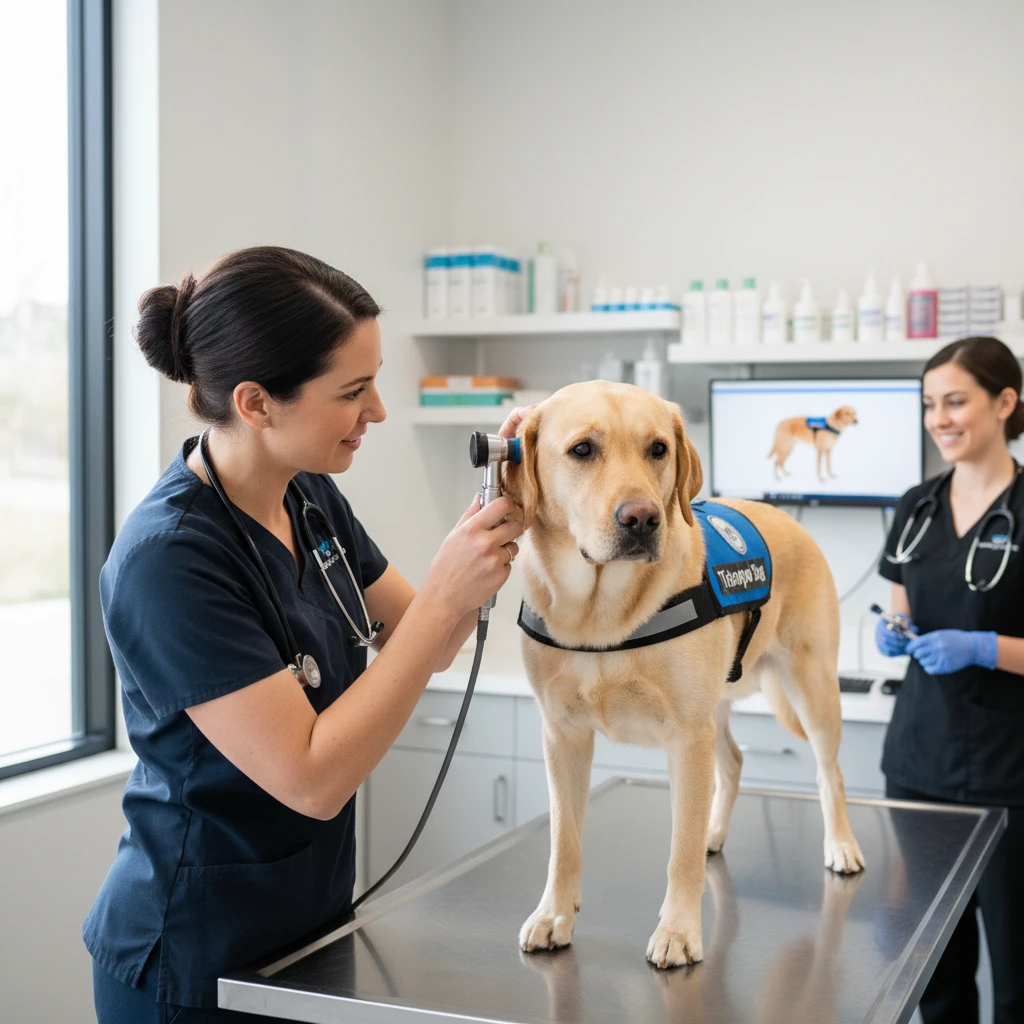
The NZVA emphasizes that the welfare of the animal is paramount and supersedes the therapeutic goals of the human client. This is a critical distinction for businesses: if a session is going well for the human but the dog is showing subtle signs of stress, the session must end. The NZVA recommends a specific “suitability assessment” by a veterinarian before a dog begins work. This assessment looks for pain that might be exacerbated by handling (such as arthritis or hip dysplasia) and temperament issues.
Sanitization and Zoonosis Protocols
According to veterinary standards, therapy dogs working in high-risk environments (like oncology wards or rest homes) require stricter hygiene protocols. This includes grooming within 24 hours of a visit to reduce dander and allergens, and wiping paws with chlorhexidine or appropriate veterinary-grade wipes before entering sterile areas. The NZVA also advises against feeding raw meat diets to therapy dogs due to the increased risk of shedding Salmonella or E. coli, which poses a severe risk to immunocompromised clients.
Recognizing Burnout and Stress in Therapy Dogs
Burnout in therapy dogs is a silent business risk. A burnt-out dog is not only an ethical failure but also a liability; stress is the precursor to a bite incident. Unlike a service dog that performs specific tasks, a therapy dog’s work is emotional labor. Being the recipient of intense human emotion for hours is exhausting.
The Subtleties of Canine Stress
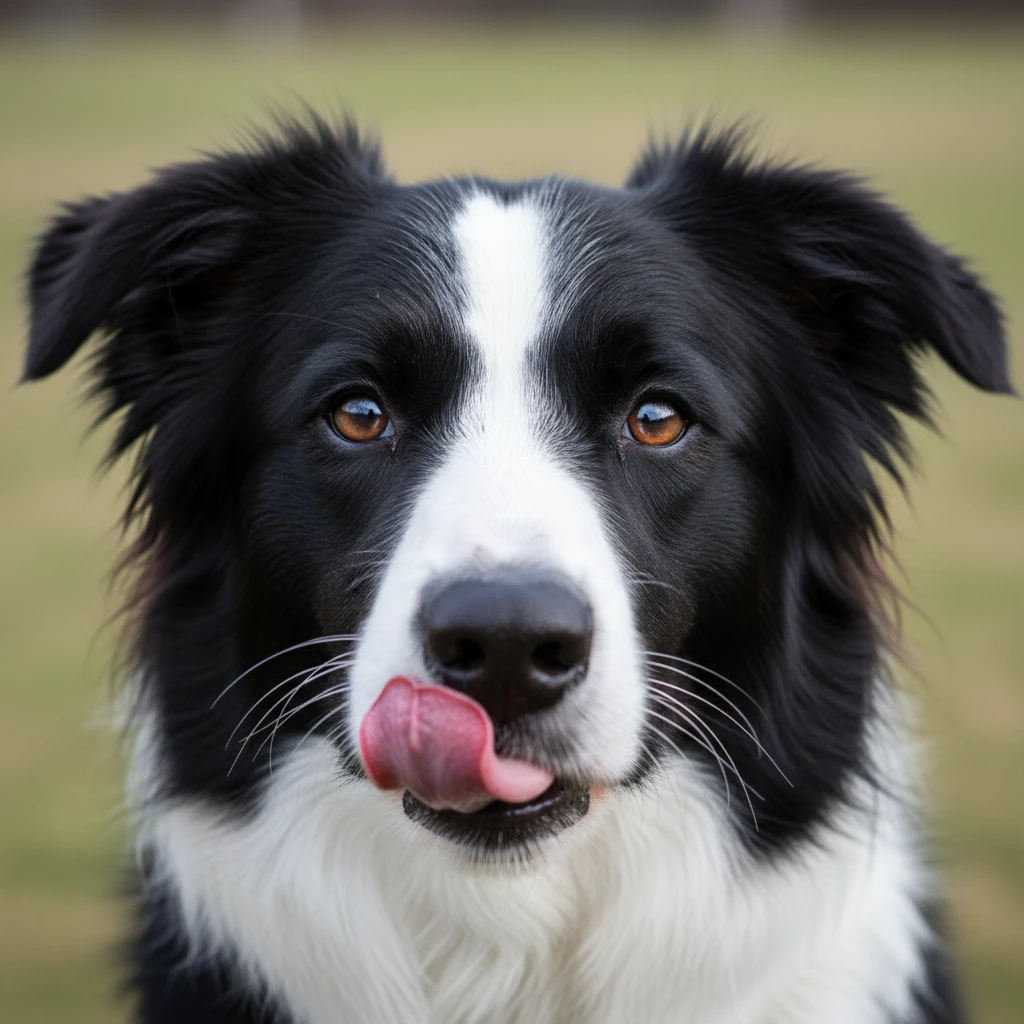
Handlers must be experts in reading canine body language. Obvious signs like growling or snapping are the final stage of distress; ethical standards require intervention long before that point. Early warning signs of stress (calming signals) include:
- Lip Licking and Yawning: Often dismissed as tiredness, these are primary indicators of anxiety in social settings.
- Whale Eye: Showing the whites of the eyes indicates the dog is uncomfortable with the proximity of a person.
- Avoidance Behaviors: Turning the head away, sniffing the ground excessively, or hiding behind the handler.
- Panting: Specifically, “spatulate” tongue (tongue wide at the bottom) or heavy panting when not physically hot.
- Hyper-vigilance: Inability to settle, constantly scanning the room.
If a dog exhibits these behaviors, the ethical standard is immediate removal from the stressor. “Pushing through” is never acceptable.
Operational Logistics: Session Limits and Handling
To maintain high welfare standards, businesses must implement strict logistical rules regarding work hours. A therapy dog is not a machine and cannot work an 8-hour day like a human employee.
Time Constraints
Current best practices in New Zealand suggest that a therapy dog should not work more than 2 hours per day, with frequent breaks. These breaks must be “dog-centric,” meaning the dog is taken outside, allowed to sniff, and is not being touched or commanded. For intense settings, such as crisis intervention or acute mental health wards, work time should be reduced to 45-60 minutes.
The Handler’s Responsibility
The handler is the dog’s advocate. In a therapy setting, the client often lacks the knowledge to interact safely with a dog. They may hug too tight, stare directly into the dog’s eyes, or crowd the dog. The handler’s primary job is to manage the environment, not just the dog. This involves gently coaching clients on how to touch the dog and intervening immediately if the dog’s consent is withdrawn.
Retirement Planning for Clinical Animals
Ethical stewardship of a working animal includes a dignified retirement plan. Unlike pet ownership, where the animal is a companion for life, a working dog has a career trajectory. Planning for the end of this career is a logistical necessity.
Determining the Right Time
Retirement should be proactive, not reactive. Waiting until a dog is limping or visibly intolerant of work is waiting too long. Regular assessments (every 6 months for dogs over 8 years old) should evaluate the dog’s enthusiasm. Does the dog still rush to the door when the work vest comes out? If hesitation appears, it is time to scale back or retire.
The Transition Process
Retirement can be jarring for high-drive dogs who derive purpose from their work. A sudden cessation of activity can lead to depression. The standard approach is a “phased retirement,” reducing hours gradually over 6-12 months. Post-retirement, the dog must be provided with enrichment activities that replace the cognitive stimulation of work, such as scent work or puzzle toys, without the pressure of clinical interaction.

Legal Obligations for NZ Businesses
While there is no single “Therapy Dog Act” in New Zealand, businesses are bound by the Animal Welfare Act 1999. Under this Act, persons in charge of animals have a legal obligation to meet their physical, health, and behavioral needs and to alleviate pain or distress.
Failure to recognize burnout or forcing a sick dog to work could be construed as a breach of the Act, specifically regarding the obligation to prevent unnecessary suffering. Furthermore, under Health and Safety at Work Act 2015, businesses must manage risks. A stressed dog is a safety hazard. Therefore, maintaining strict animal welfare standards is also a compliance requirement for human safety.
People Also Ask
How long can a therapy dog work per day in NZ?
Best practice guidelines suggest a maximum of 2 hours of active work per day for therapy dogs, with mandatory breaks every 30-45 minutes. In high-stress environments like hospitals or crisis centers, this time should be reduced to prevent cortisol buildup and burnout.
What are the 5 domains for therapy dogs?
The 5 Domains are Nutrition, Environment, Health, Behavior, and Mental State. Unlike the older “5 Freedoms,” this model emphasizes not just the absence of negative experiences (like hunger or pain) but the presence of positive experiences and a thriving mental state.
Do therapy dogs need special insurance in NZ?
Yes. Standard pet insurance typically excludes commercial use. Therapy dogs require public liability insurance to cover any potential damage or injury caused during a session, as well as comprehensive health insurance to cover their own medical needs.
How do I certify a therapy dog in NZ?
Certification is usually handled by organizations like St John, Canine Friends Pet Therapy, or independent training bodies. The process involves obedience testing, temperament assessment, and health checks to ensure the dog is safe and enjoys the work.
What happens when a therapy dog retires?
When a therapy dog retires, they usually transition to being a full-time family pet, often staying with their handler. The transition should be gradual to help the dog adjust to the lack of work-related stimulation.
Can any breed be a therapy dog in NZ?
Yes, any breed can be a therapy dog provided they have the correct temperament. They must be calm, confident, people-oriented, and resilient to strange noises and smells. However, breeds with high prey drive or aggression are generally unsuitable.