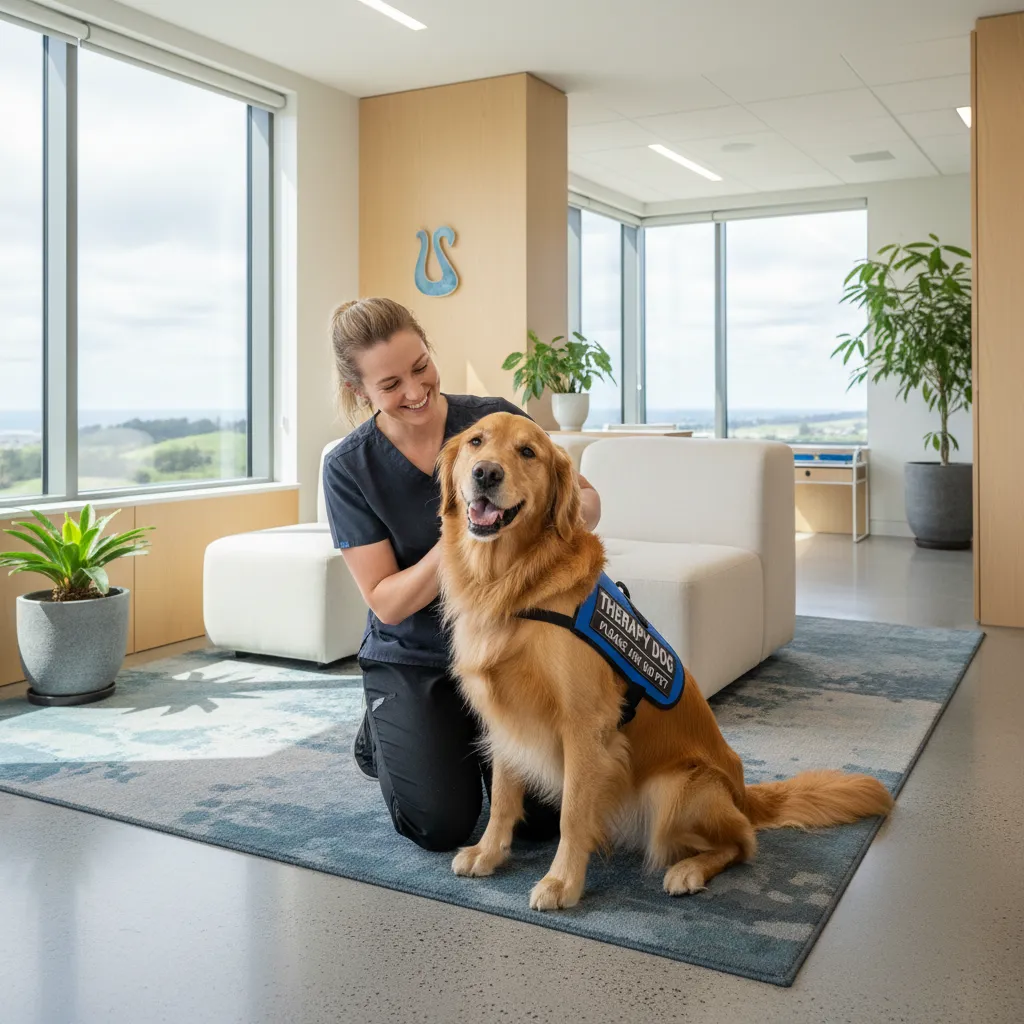
Indoor enrichment for therapy dogs refers to structured cognitive and sensory activities designed to maintain a working dog’s mental acuity and physical conditioning within confined environments. During New Zealand winters, these low-impact protocols ensure dogs remain stimulated, hygienic, and professionally focused in care facilities, mitigating the limitations of wet weather and restricted outdoor access.
Introduction
July in New Zealand presents a unique set of challenges for therapy dog handlers. With shorter days, frequent rainfall, and lower temperatures, the standard outdoor routines that keep working dogs physically satisfied and mentally sharp are often disrupted. However, the demand for therapy services in rest homes, hospitals, and schools does not decrease with the temperature. In fact, the need for the comfort and connection a therapy dog provides often increases during the gloomy winter months.
For businesses and logistics managers in the therapy dog sector, maintaining service continuity requires a pivot in strategy. We must move from outdoor reliance to mastering indoor enrichment for therapy dogs. This is not merely about keeping a dog entertained; it is about ensuring the animal retains the cognitive focus required for high-level interaction while adhering to the strict hygiene and safety standards of clinical environments.
This guide explores professional strategies for adapting to indoor environments, ensuring that your therapy team remains effective, safe, and enriched throughout the winter season.
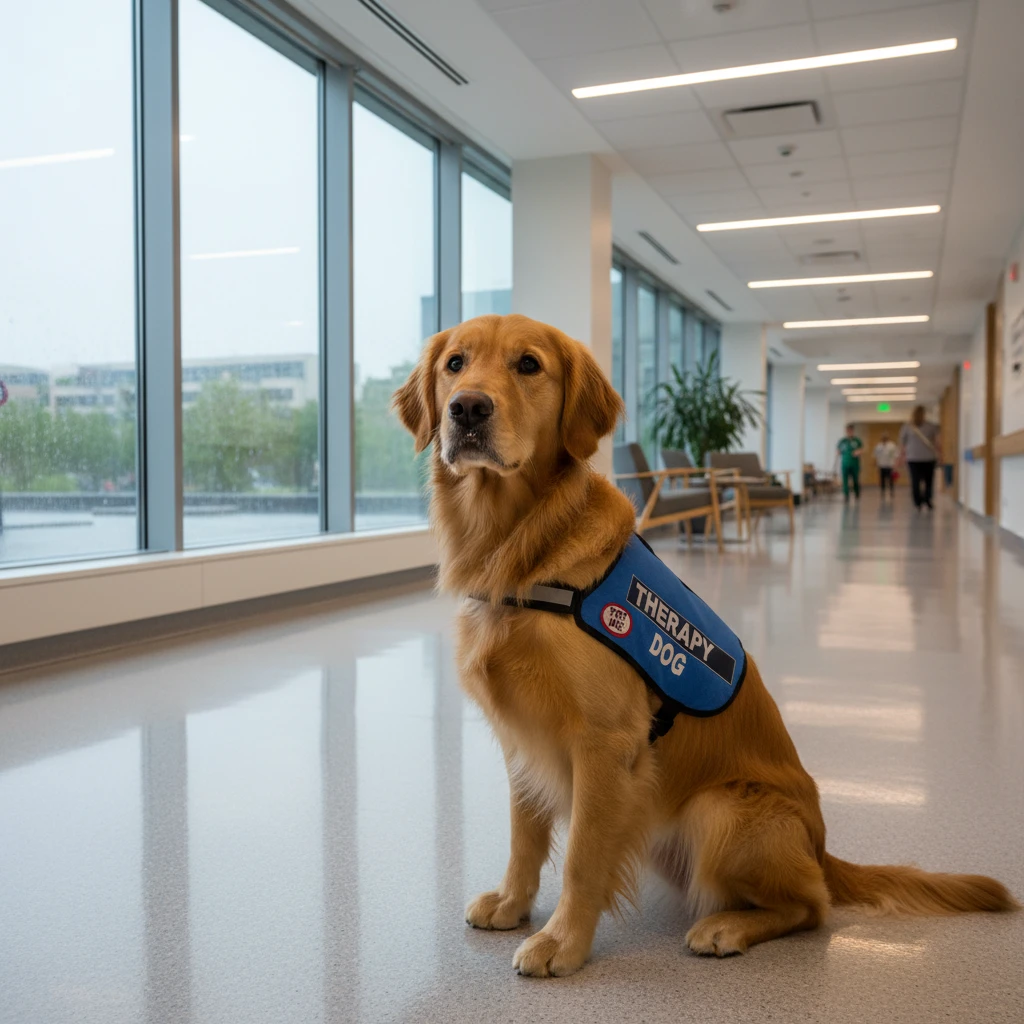
Adapting Therapy Sessions for Indoor Winter Use
When the weather prohibits outdoor interaction or even the standard “meet and greet” in a facility courtyard, handlers must adapt their logistical approach to indoor sessions. The primary goal is to provide high-value interaction without compromising the safety of the clients or the dog.
Space Management and Risk Assessment
Indoor environments in July are often cluttered with heating appliances, drying racks, and wet floor signs. A crucial part of indoor enrichment is navigating these hazards with precision. Enrichment in this context involves proprioception training—teaching the dog to be hyper-aware of their rear end and paw placement.
Handlers should incorporate “under” and “tuck” commands into their visits. Asking a therapy dog to tuck themselves under a chair or table during a session is not just a management tool; it is a mental workout. It requires impulse control and body awareness, satisfying the dog’s need for work while keeping walkways clear for staff.
The “Place” Command as Mental Work
In a bustling indoor setting, the “place” command is invaluable. Prolonged duration on a specific mat or bed requires significant mental stamina from a dog. To turn this into enrichment:
- Vary the Criteria: Change the texture of the “place” target (e.g., a cooling mat vs. a fleece blanket).
- Distance Work: Practice the command from different distances within the room.
- Distraction Proofing: Reward the dog for maintaining the position despite the noise of rain on the roof or indoor activities.
Low-Impact Activities for Rest Home Lounges
Rest homes are a primary market for therapy dog services in NZ. However, lounge areas can be crowded, and resident mobility is often limited. High-energy tricks are unsafe here. Instead, we focus on low-impact indoor enrichment for therapy dogs that facilitates connection.
Targeting and Touch
Hand targeting is one of the most effective low-impact games. It allows residents to interact with the dog without needing to bend down or bear weight.
Implementation:
Instruct the resident to hold out a flat palm. The handler cues the dog to “touch” or “nose” the hand. This simple action bridges the gap between the dog and the human. It is mentally stimulating for the dog because they must identify the target and gently make contact. It provides tactile feedback to the resident and can be performed while the dog is standing or sitting.
The “Chin” Rest
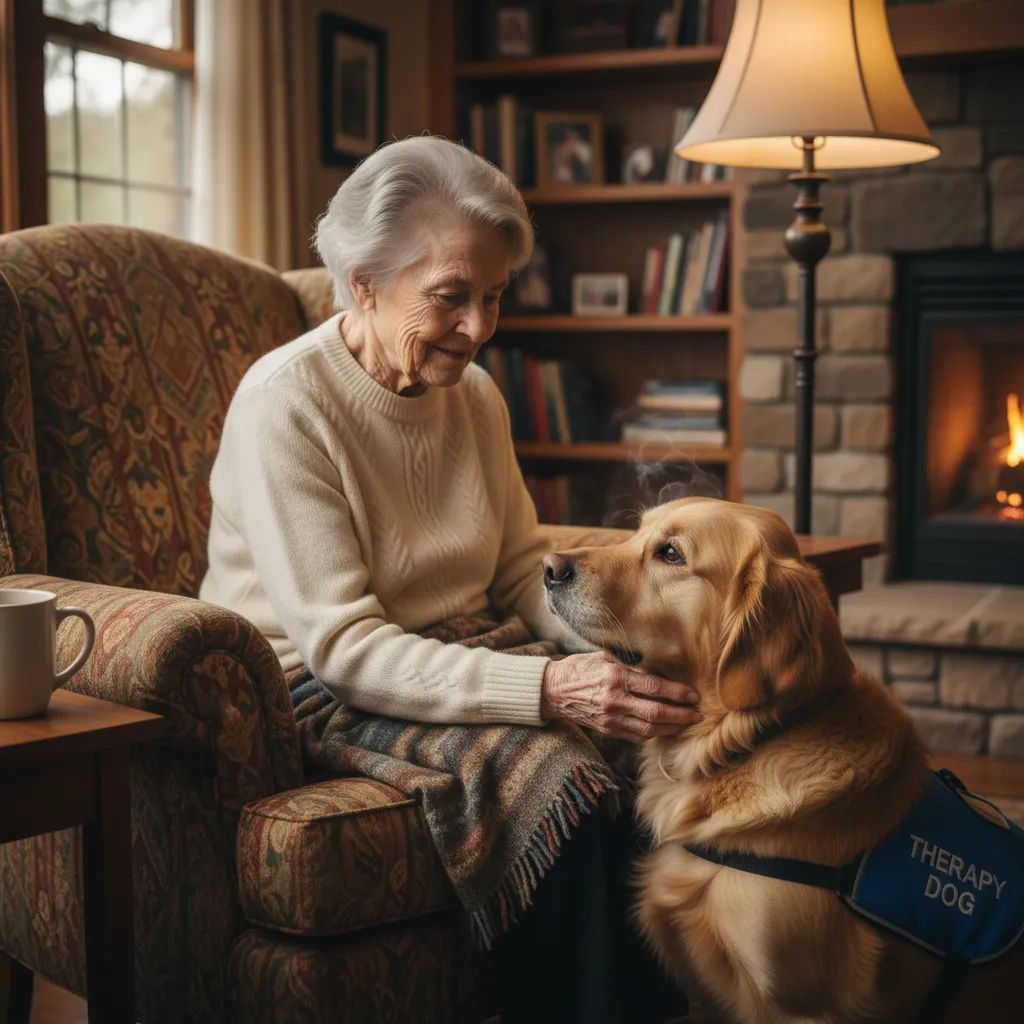
Perhaps the most endearing behavior for indoor settings is the chin rest. Teaching a dog to rest their chin on a resident’s knee or the arm of a wheelchair is a powerful form of engagement.
From an enrichment perspective, this is an isometric exercise. The dog must hold a static position, often while being petted. This requires patience and core stability. It is physically low-impact but emotionally high-reward, making it perfect for the winter months when outdoor romps are unavailable.
Interactive Storytelling
For cognitive enrichment in group settings, integrate the dog into storytelling or bingo games. For example, if a bingo number is called, the dog can be sent to “mark” the winner by sitting next to them. This requires the dog to listen for cues and navigate the room carefully, providing a job that feels purposeful.
Mental Stimulation Tools for Wet Weather
When the therapy vest comes off, the dog still needs to burn energy. In July, when a 5km walk is unappealing due to horizontal rain, mechanical and scent-based tools become essential for maintaining a dog’s wellbeing. A bored therapy dog is a stressed therapy dog, and stress impacts work performance.
Scent Work and Snuffle Mats
A dog’s olfactory bulb is powerful. 15 minutes of intense sniffing can be equivalent to an hour of physical walking in terms of caloric burn and serotonin release.
For Logistics Managers: Equip your team with portable snuffle mats. These can be used in a staff room or a quiet corner of a facility during a break. It allows the dog to “reset” their brain. Hiding dry kibble or high-value treats in the fabric folds forces the dog to hunt, engaging their primal instincts in a controlled manner.
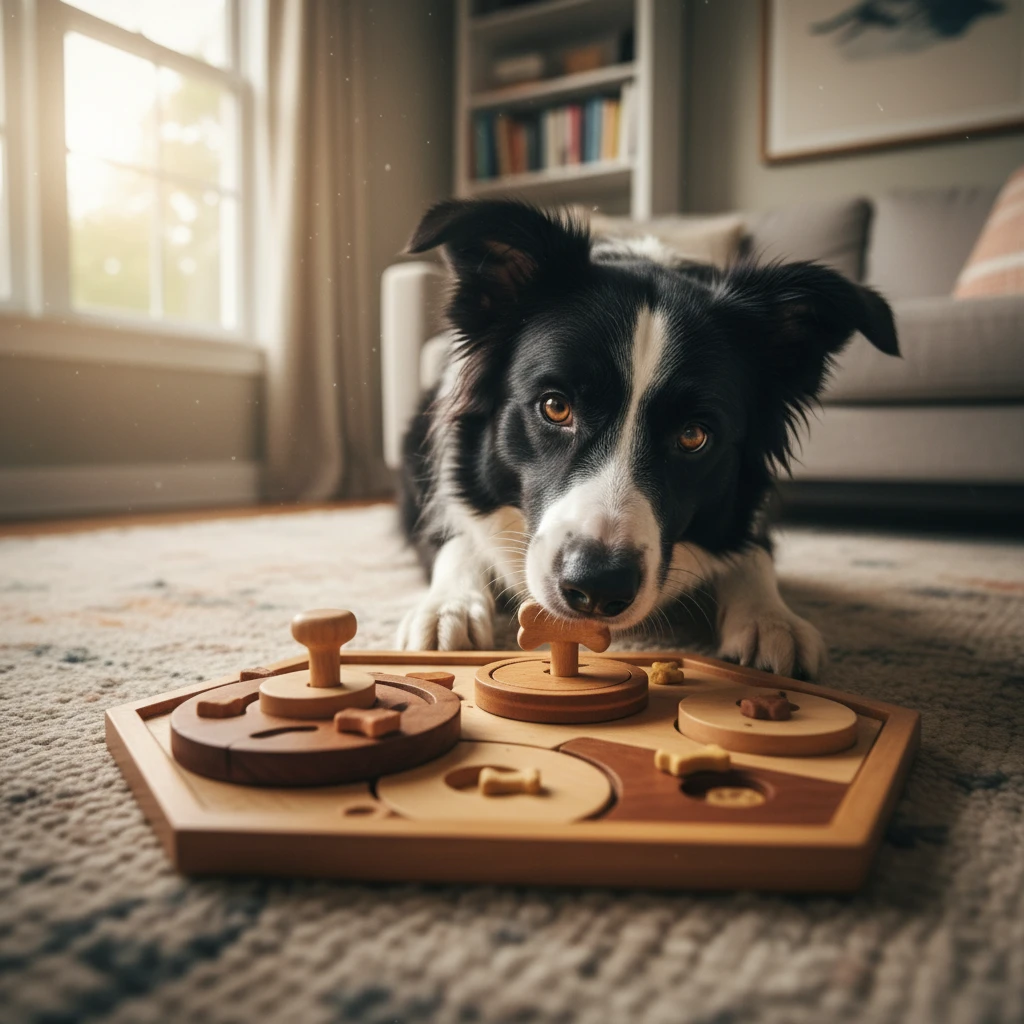
Puzzle Toys and Cognitive Feeders
Utilizing puzzle toys is a standard recommendation, but for therapy dogs, we select specific types that encourage calmness rather than frustration. Licking mats (LickiMats) spread with dog-safe peanut butter or yogurt are superior to rolling balls for indoor environments. Licking releases endorphins and soothes the nervous system, acting as a perfect decompression tool after a high-stimulus shift in a hospital.
Indoor Agility (Proprioception)
You do not need full agility equipment to provide physical enrichment indoors. Use what is available:
- Cavaletti Rails: Use broom handles or rolled-up towels spaced out on the floor. Walking the dog slowly over these obstacles forces them to lift their legs and pay attention to foot placement.
- Wobble Cushions: If available (often found in physio departments), having the dog balance on a wobble cushion engages their core muscles without high impact.
Maintaining Hygiene During the NZ Winter Season
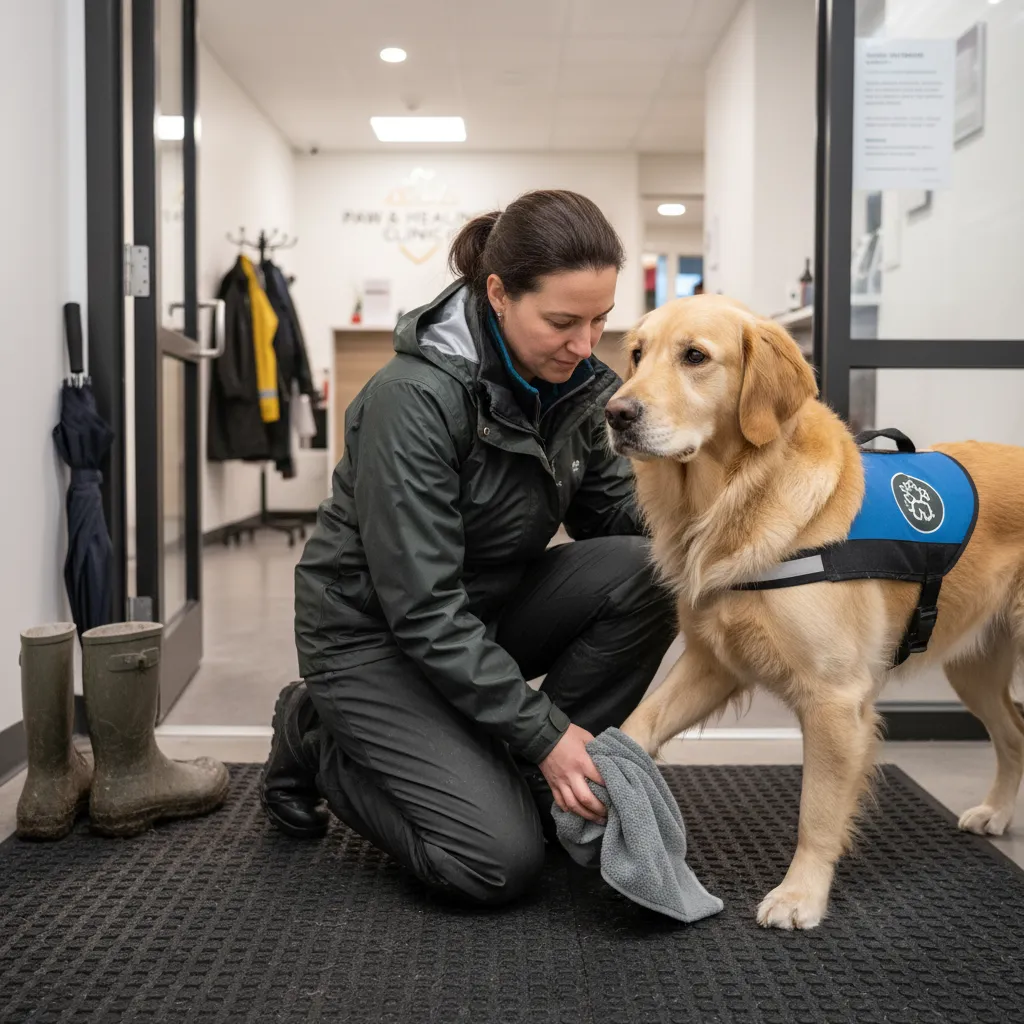
In the “Therapy Dogs NZ Business & Logistics” niche, hygiene is the single most critical factor during winter. A wet, muddy dog cannot enter a sterile environment. The logistics of indoor enrichment for therapy dogs includes the preparation and cleanup required to make the indoor work possible.
The “Wet Dog Smell” Mitigation Protocol
Facilities are sensitive to odors. The “wet dog smell” is caused by bacteria and yeast on the skin reacting with moisture. To prevent this:
- Rain Coats are Mandatory: Invest in full-coverage rain suits that cover the legs and underbelly, not just the back. This minimizes the surface area that gets wet during transport.
- High-Velocity Dryers: For professional handlers, a towel is rarely enough. A portable high-velocity dryer can blast moisture from the undercoat in minutes. If this isn’t feasible, microfibre drying coats are essential for the car ride to the facility.
- Waterless Shampoo: Keep a bottle of high-quality, hypoallergenic waterless shampoo in the kit. Foam it into the coat and towel off immediately upon arrival to neutralize damp odors.
Paw Biosecurity
Mud carries bacteria, including potential pathogens that are dangerous in immunocompromised wards.
The Protocol:
Before the dog crosses the threshold of the facility, paws must be cleaned. Baby wipes are often insufficient for mud. A portable paw washer (plunger style) with a drop of chlorhexidine (if approved by the facility) or simple saline solution is more effective. Follow this with a thorough drying. This process itself can be turned into a training routine—”give paw” for cleaning—reinforcing cooperative care.
Preventing Burnout: The Role of Decompression
Working indoors under artificial lights, surrounded by heating systems and confined spaces, can lead to faster cognitive fatigue than outdoor work. Handlers must recognize the signs of burnout.
The Art of Doing Nothing
One of the most valuable skills for a therapy dog is the ability to switch off. This is often called “capturing calmness.” When not actively working or engaging in enrichment, the dog should be encouraged to sleep. In the winter months, when walks are shorter, there is a temptation to over-entertain the dog indoors. Avoid this. Balance the mental stimulation of puzzles and training with dedicated quiet time.
Massage and TTouch
Learning basic canine massage or Tellington TTouch techniques provides a dual benefit. It creates a bonding experience and helps release muscle tension caused by the cold weather or the physical restraint of walking on slippery indoor floors. This is a passive form of enrichment that restores the dog’s physical baseline.
Conclusion
Successfully navigating the New Zealand winter requires a shift in mindset for therapy dog handlers. By focusing on indoor enrichment for therapy dogs, we transform logistical challenges into opportunities for training and deeper connection. Whether it is through precise trick training in a rest home lounge, utilizing scent work for mental fatigue, or adhering to strict hygiene protocols to ensure access, the goal remains the same: to provide a safe, high-quality service. With the right tools and strategies, the winter months can be just as productive and rewarding as the summer season.
People Also Ask (PAA)
How do you entertain a therapy dog indoors?
Entertaining a therapy dog indoors involves a mix of cognitive games, scent work, and calm obedience training. Utilize snuffle mats, puzzle feeders, and low-impact trick training (like “chin rests” or “touch”) to tire their brain without requiring large physical spaces. Rotate toys to keep interest high.
What are low-impact games for dogs?
Low-impact games include “Hide and Seek” with treats, hand targeting, balancing on wobble cushions, and scent discrimination tasks. These activities engage the dog’s mind and core muscles without putting stress on their joints, making them ideal for indoor environments or senior dogs.
How does winter affect therapy dogs?
Winter can lead to reduced physical activity, potential weight gain, and “cabin fever” or boredom. The cold can also stiffen joints in older dogs. Furthermore, the logistics of keeping a dog clean and dry for sterile environments becomes significantly harder due to rain and mud.
Best indoor mental stimulation for dogs?
Scent work is widely considered the best indoor mental stimulation. Hiding a specific scent or high-value treat for the dog to locate engages their natural hunting instincts and is mentally exhausting. Other excellent options include shaping new behaviors using a clicker and complex puzzle toys.
Hygiene tips for therapy dogs in rain?
Use full-body rain suits to minimize wet fur. Carry a portable high-velocity dryer or microfiber drying coats. Use a paw plunger or washer before entering facilities to remove mud and bacteria. Waterless shampoo can help neutralize the “wet dog” odor instantly.
Can therapy dogs work while wet?
Generally, no. Therapy dogs should be dry before interacting with clients. Wet fur can harbor bacteria, smell unpleasant, and dampen the clothes or bedding of patients. It is unprofessional and potentially unhygienic. Proper drying protocols are essential for winter work.