Lottery Community Grants in New Zealand provide essential funding to registered non-profit organizations, including therapy dog providers, to support services that enhance community well-being. Administered by the Department of Internal Affairs, these grants cover operational costs, volunteer expenses, and project-specific needs for charities delivering animal-assisted interventions to vulnerable populations.
For organizations operating within the therapy dog sector in New Zealand, securing sustainable funding is often the most significant hurdle to growth and service delivery. While the demand for animal-assisted therapy in schools, hospitals, and aged-care facilities continues to rise, the logistical costs associated with training, insurance, and volunteer management increase concurrently. The New Zealand Lottery Grants Board (LGB) stands as a primary pillar of support for the community sector, distributing profits from state lotteries to benefit the community.
Understanding the nuances of the Lottery Community fund is critical for therapy dog organizations. Unlike general donations or corporate sponsorships, these grants are governed by strict legislative criteria and committee priorities. This guide serves as a comprehensive resource for navigating the lottery community grants ecosystem specifically for the niche of therapy dog business and logistics.
What Are Lottery Community Grants?
The Lottery Community sector provides funding for ongoing operational costs and projects that help improve the quality of people’s lives in their communities. For therapy dog providers, this is the most relevant fund within the Lottery Grants Board portfolio. The funds are distributed by Local Distribution Committees (LDCs) based on geographic regions. This means that a therapy dog group operating in Canterbury will apply to the Canterbury/Kaikōura committee, while a national body may apply to the National Community Committee.
These grants are not loans; they do not need to be repaid provided the funds are used for the purpose stated in the application. However, they are highly competitive. The board looks for applications that demonstrate a clear “community benefit”—a metric that therapy dog organizations are uniquely positioned to fulfill given their impact on mental health and social inclusion.
Eligibility for Non-Profit Therapy Dog Providers
Before spending hours on an application, it is vital to confirm that your organization meets the strict eligibility criteria set by the Department of Internal Affairs (DIA). The Lottery Grants Board does not fund individuals or commercial businesses.
Legal Entity Status
To access lottery community grants nz dogs funding, your therapy dog organization must be a legal entity with a not-for-profit purpose. Acceptable structures include:
- Registered Charitable Trusts: Organizations registered with Charities Services.
- Incorporated Societies: Common for club-based structures.
- Marae or Iwi organizations: If providing community services.
If your therapy dog operation is a Limited Liability Company (LLC) or a sole trader business, you are not eligible for this specific funding, regardless of the good work you do. Many commercial providers partner with non-profits or set up a charitable arm to access these funds, but the separation must be distinct and legally sound.
Operational Capacity
The committee will assess your organization’s ability to manage public funds. This involves reviewing your financial statements (audited or reviewed depending on your size), your governance structure (board members), and your track record. For a therapy dog provider, this also means demonstrating that you have the appropriate insurance (public liability) and health and safety protocols in place for animal interactions.

Priority Areas for Lottery Community Funding
Simply being a charity is not enough. Your application must align with the specific priorities of the Lottery Community sector. Fortunately, the nature of therapy dog work aligns well with several key priorities.
Enhancing Capability and Resilience
Funding is often prioritized for organizations that support volunteers. Since most therapy dog handlers are volunteers, you can apply for costs associated with:
- Volunteer Training: Specialized training for handlers to manage dogs in complex environments (hospitals, schools).
- Volunteer Reimbursement: Petrol vouchers or travel costs for volunteers visiting facilities.
- Volunteer Management: Wages for a coordinator who schedules visits and vets new dog teams.
Supporting Vulnerable Populations
The Lottery Grants Board prioritizes projects that support disadvantaged or marginalized groups. When writing your application, focus on the beneficiaries of the therapy, not just the dogs. Highlight how your program supports:
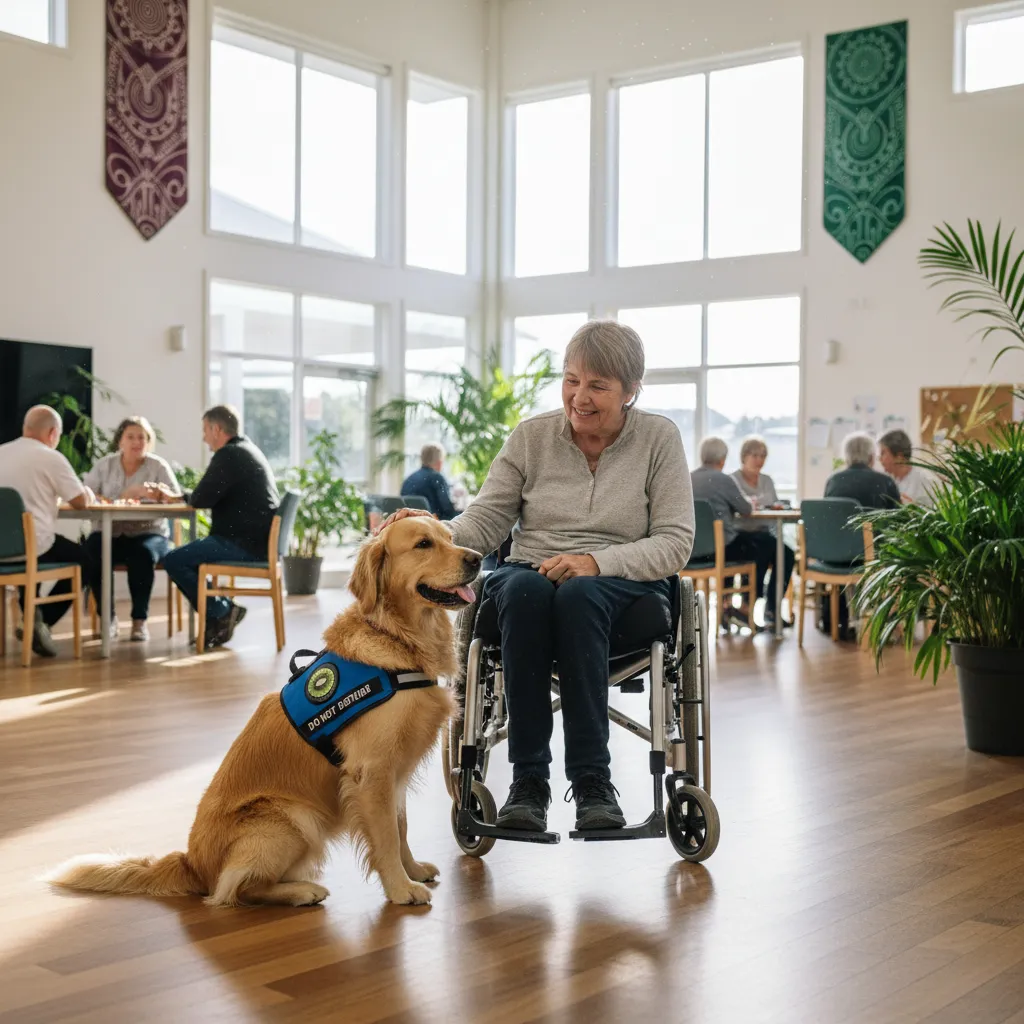
- The Elderly: Reducing isolation in aged care facilities.
- Youth at Risk: Animal-assisted education programs in alternative education centers.
- People with Disabilities: Therapy dogs assisting with physical or cognitive rehabilitation.
Connected Communities
Projects that facilitate social connection are highly valued. If your organization runs “Paws for Reading” programs in libraries or community group therapy sessions, emphasize how these initiatives bring people together and foster social inclusion.
The Application Process Explained
All applications for lottery community grants nz dogs funding are handled through the online grant management system, “Community Matters.” This system requires a RealMe login.
Step 1: Create an Organization Profile
Before applying, your organization profile must be up to date. This includes uploading your bank deposit slip, constitution, and latest financial accounts. Do this well in advance of the deadline.
Step 2: Select the Correct Committee
The system will generally guide you, but you must ensure you are applying to the correct Local Distribution Committee (LDC) based on where your services are delivered. If you operate nationwide, you apply to the National Committee. Note that National Committee funds are often tighter and have higher scrutiny regarding the “national significance” of the project.
Step 3: The Narrative
This is the core of your application. You will need to answer specific questions about:
- The Need: Why is therapy dog intervention needed in your area? Use statistics (e.g., rising anxiety rates in local schools).
- The Solution: How exactly will the grant money solve this problem? Be specific. Instead of saying “We will visit schools,” say “We will deliver 150 therapy sessions to 3 local primary schools aimed at reducing truancy.”
- Community Support: Letters of support are crucial. Get letters from the nursing homes, schools, or hospitals you visit testifying to the impact of your dogs.

Annual Application Deadlines
Missing a deadline by even a minute usually results in the application being rejected automatically. Lottery Community rounds generally open and close at specific times of the year, and these dates can vary slightly by region.
Typical Funding Rounds
Most Local Distribution Committees meet once or twice a year.
- Round 1: Often opens mid-year (June/July) for decisions in September/October.
- Round 2: Often opens late year or early the following year.
Critical Rule: You cannot apply for costs retrospectively. If your insurance bill is due in August, and the committee meets in October, they will not fund that bill. You must apply for costs that occur after the decision date. Plan your budget 6-12 months in advance.
Reporting Requirements for Grant Recipients
Securing the grant is only half the battle; keeping it requires diligent reporting. The Lottery Grants Board requires an Accountability Report (or Grant Report) to be submitted once the funds are spent or the project is complete.
Financial Accountability
You must prove that every dollar was spent on the line items approved in the grant letter. If you were granted $5,000 for volunteer travel reimbursement, you cannot spend that money on buying a new therapy dog or office rent.
- Keep all receipts.
- Track grant expenditure in your accounting software (e.g., Xero) using a tracking category.
- If you have leftover funds, they usually must be returned unless you get written permission to repurpose them.
Outcome Reporting
Beyond the money, the DIA wants to know the social return on investment. For therapy dog providers, this means tracking metrics such as:
- Number of visits conducted.
- Number of individuals engaged.
- Qualitative feedback (stories of change, testimonials from facility managers).
Failure to submit a report on time will block your organization from receiving any future funding from the DIA, potentially crippling your operations.

Common Mistakes to Avoid
The rejection rate for grants can be high. To maximize your chances of securing lottery community grants nz dogs funding, avoid these common pitfalls:
1. Double Dipping
You cannot receive funding from the Lottery Grants Board and another government source (like COGS – Community Organisation Grants Scheme) for the exact same receipt. You can apply to both, but they must fund different parts of your operation (e.g., Lottery pays for the coordinator’s wages, COGS pays for rent).
2. Lack of Community Focus
If your application focuses too much on the “dogs” (breeding, grooming, showing) rather than the “community” (therapy, mental health support, education), it will likely be declined. The fund is for people; the dogs are the mechanism of support.
3. Holding Too Much Cash
If your organization has significant cash reserves in the bank (without them being “tagged” for a specific future building project or liability), the committee may decline your application on the basis that you do not have a financial need. You must explain why you need public funds if you already have money in the bank.
Frequently Asked Questions
Can individuals apply for a grant to train their own therapy dog?
No. Lottery Community Grants are only available to legal entities with non-profit status, such as Charitable Trusts or Incorporated Societies. Individuals seeking funding for personal therapy dogs should look into disability allowances or private crowdfunding.
What is the maximum amount a therapy dog group can apply for?
There is no fixed cap, but the amount granted depends on the pool of money available in your region and the number of applicants. Most local grants range from $2,000 to $20,000. National grants can be higher but are more competitive.
Does the grant cover dog food and veterinary costs?
It can, provided the dogs are owned by the organization or the costs are essential for the delivery of the service. However, operational costs like volunteer coordination and travel are often viewed more favorably than consumable assets.
How long does the decision process take?
The process typically takes 3 to 4 months from the closing date of the application round to the notification of the decision. You must ensure your project start date is after the decision date.
Can we apply for a vehicle to transport therapy dogs?
Yes, capital expenditure (like a van) is eligible. However, you must provide a strong business case proving that the vehicle will be used exclusively for community purposes and explain how you will cover the ongoing running costs (fuel, insurance, rego).
Is Lottery Community the only government grant available?
No. Therapy dog groups should also look into COGS (Community Organisation Grants Scheme), local council community grants, and philanthropic trusts like the Rata Foundation or Foundation North, depending on your location.