In New Zealand, a working dog tax deduction is permissible if a direct nexus exists between the dog’s activity and the generation of assessable income. While farm dogs often qualify for 100% deductions, therapy dogs typically require an apportionment calculation, allowing business owners to claim expenses such as food, vet bills, and insurance based on the percentage of professional usage versus private enjoyment.
Is Your Therapy Dog Considered a Business Asset?
For business owners in the mental health, education, and healthcare sectors, the integration of a therapy dog is not merely a stylistic choice; it is often a clinical tool used to facilitate patient outcomes and, consequently, generate income. However, the Inland Revenue Department (IRD) views the tax deductibility of animals with a high degree of scrutiny. To claim a working dog tax deduction NZ, you must move beyond the emotional value of the animal and establish its status as a tangible business asset.
Unlike farm dogs, which are explicitly defined under the Dog Control Act and generally accepted as essential tools of trade for farmers, therapy dogs occupy a complex grey area in New Zealand tax law. The primary test the IRD applies is the “nexus to income.” You must demonstrate that the dog is necessary for the operation of your business and that without the dog, your ability to generate revenue would be diminished or the nature of your service would be fundamentally altered.

The Distinction Between Pets and Working Dogs
The most critical distinction to make is between a “workplace pet” and a “working dog.” A dog that simply accompanies you to the office to boost morale or provide company is generally considered a private asset, and expenses related to it are private in nature. The IRD considers these costs as having a “private or domestic” character, which renders them non-deductible.
Conversely, a true therapy dog is trained to perform specific tasks that aid in professional service delivery. For example, a dog used by an occupational therapist to help children improve motor skills, or a dog used by a counsellor to facilitate trauma recovery, performs an active function. In these scenarios, the dog is an asset. To solidify this position, business owners should have:
- Formal inclusion of the dog in business plans and marketing materials.
- Specific insurance policies covering the dog’s professional interactions.
- Documented training certifications relevant to the clinical environment.
Allowable Deductions: Food, Vet Bills, and Training
Once you have established that your therapy dog serves a business purpose, the next challenge is identifying which expenses are deductible. It is rare for a therapy dog to be 100% deductible in the same manner as a farm dog kept in kennels, as therapy dogs usually live in the family home. Therefore, understanding what you can claim is vital for compliance and cash flow optimization.
Food and Nutrition
Claiming dog food is one of the most contentious areas of working dog tax deduction NZ. The IRD often argues that a dog needs to eat regardless of whether it works, making food a private expense. However, there is a counter-argument for working dogs. If your therapy dog requires a specialized high-performance diet to maintain the health and temperament required for work, or if the dog consumes treats specifically during client sessions as part of positive reinforcement therapy, these costs may be claimed.
Best practice suggests claiming a proportion of the food bill that corresponds to the “working energy” required, or strictly claiming treats and food used during billable hours.
Veterinary Expenses
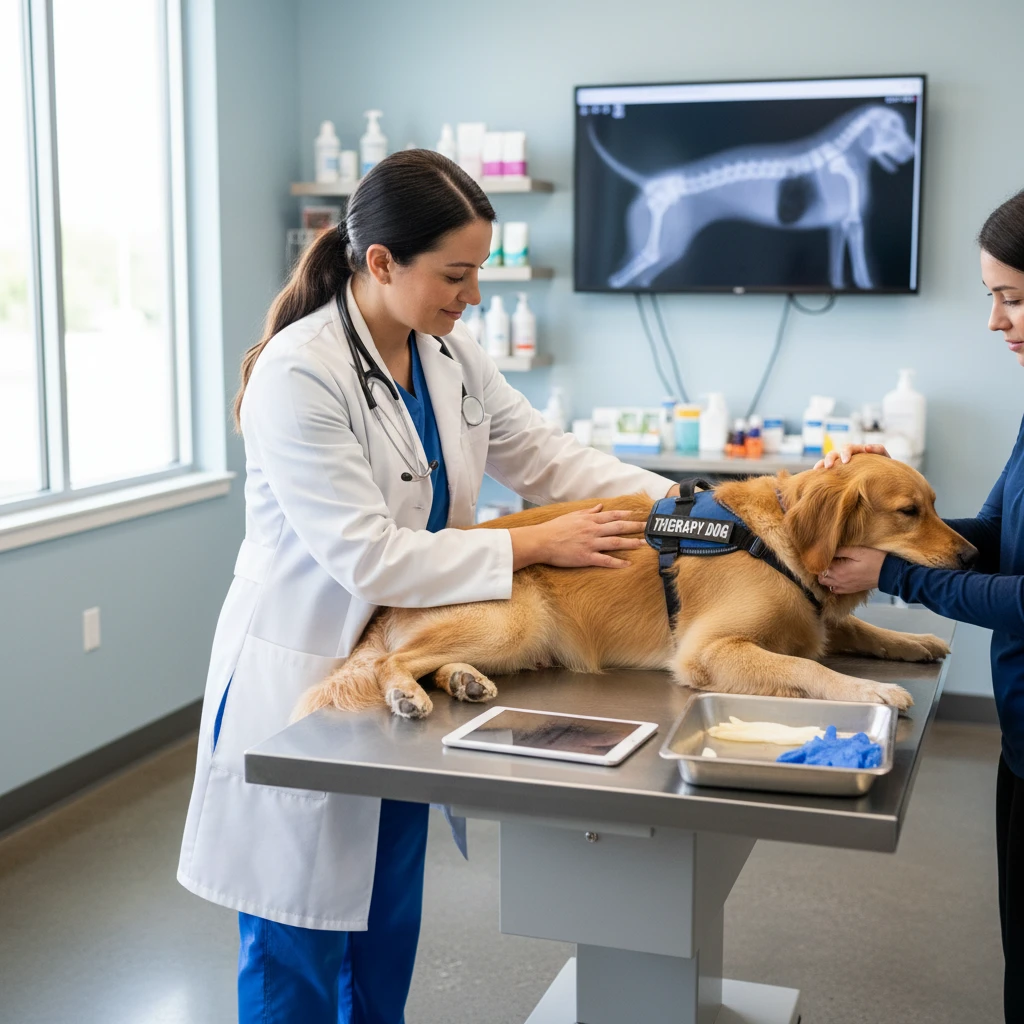
Veterinary costs can be significant. Deductibility here often hinges on the cause of the treatment. Routine vaccinations and check-ups required to maintain the dog’s certification for work are generally viewed as deductible business expenses. If a facility (like a hospital or school) requires a “clean bill of health” for the dog to enter, the cost of obtaining that proof is directly linked to income generation.
Furthermore, if the dog suffers an injury while “on the job”—for example, straining a muscle during a physical therapy session—the treatment costs are a direct business expense.
Training and Certification
Training expenses fall into two categories: capital and revenue. Initial training to qualify the dog as a therapy animal (establishing the asset) is often considered a capital cost (see the depreciation section below). However, ongoing maintenance training to keep the dog’s skills sharp, or recertification fees required by therapy dog organizations, are deductible operating expenses. This is similar to a professional completing Continuing Professional Development (CPD) to maintain their license.
IRD Rules: Navigating Private vs. Professional Use
The concept of apportionment is the cornerstone of tax compliance for therapy dogs in New Zealand. Unless the dog lives at your business premises 24/7 (which is rare for therapy animals), the IRD assumes there is a private benefit to owning the dog. You cannot claim 100% of the expenses if the dog is also your family pet on weekends and evenings.
Calculating the Apportionment Percentage
To safely claim a working dog tax deduction NZ, you must calculate a reasonable percentage of business use. There is no single fixed rate, but you must be able to justify your figure to the IRD. Common methods include:
- Time-based apportionment: Calculate the number of hours the dog is actively working with clients versus the total hours in a week. For example, if the dog works 30 hours a week and lives with you the rest of the time, you might claim a percentage based on that ratio.
- Session-based apportionment: If the dog is only used for specific clients, track the revenue generated from those sessions compared to total revenue, or simply track the direct hours of usage.
It is crucial to be conservative. Claiming 100% deduction for a dog that sleeps in your bed at night and goes on family holidays is a red flag for tax auditors. A split of 50/50 or an apportionment based strictly on working hours is far more defensible.

Capital Assets and Depreciation Schedules
When you purchase a high-value therapy dog or pay for extensive initial training, this is considered purchasing a capital asset, not an immediate expense. Just like a computer or a company vehicle, the cost of the dog must be capitalized and depreciated over time.
Depreciation Rates for Working Dogs
The IRD provides depreciation rates for “working dogs.” While this category is traditionally used for sheepdogs and dairy cattle dogs, a case can be made for therapy dogs if they are genuine income-generating assets. As of current guidelines, working dogs can often be depreciated. If the dog is bought specifically for the business, you may be able to claim depreciation on the purchase price.
However, if you owned the dog as a pet first and then trained it, you generally cannot introduce it as a business asset at market value without complex accounting adjustments. It is best to consult with a tax accountant who specializes in the medical or service industry to determine the correct depreciation rate and method (Diminishing Value or Straight Line).
Essential Record-Keeping for Therapy Dog Owners
The burden of proof always lies with the taxpayer. To survive an audit regarding your working dog tax deduction NZ, your paperwork must be impeccable. The IRD does not accept estimates; they require evidence.
The Dog Logbook
Just as you keep a logbook for a business vehicle, you should maintain a logbook for your therapy dog. This does not need to be complex, but it should record:
- Dates and times the dog was present at the workplace.
- Specific client sessions where the dog was utilized.
- Details of any off-site work (e.g., visiting schools or rest homes).
- Training sessions and certification dates.
Receipt Management
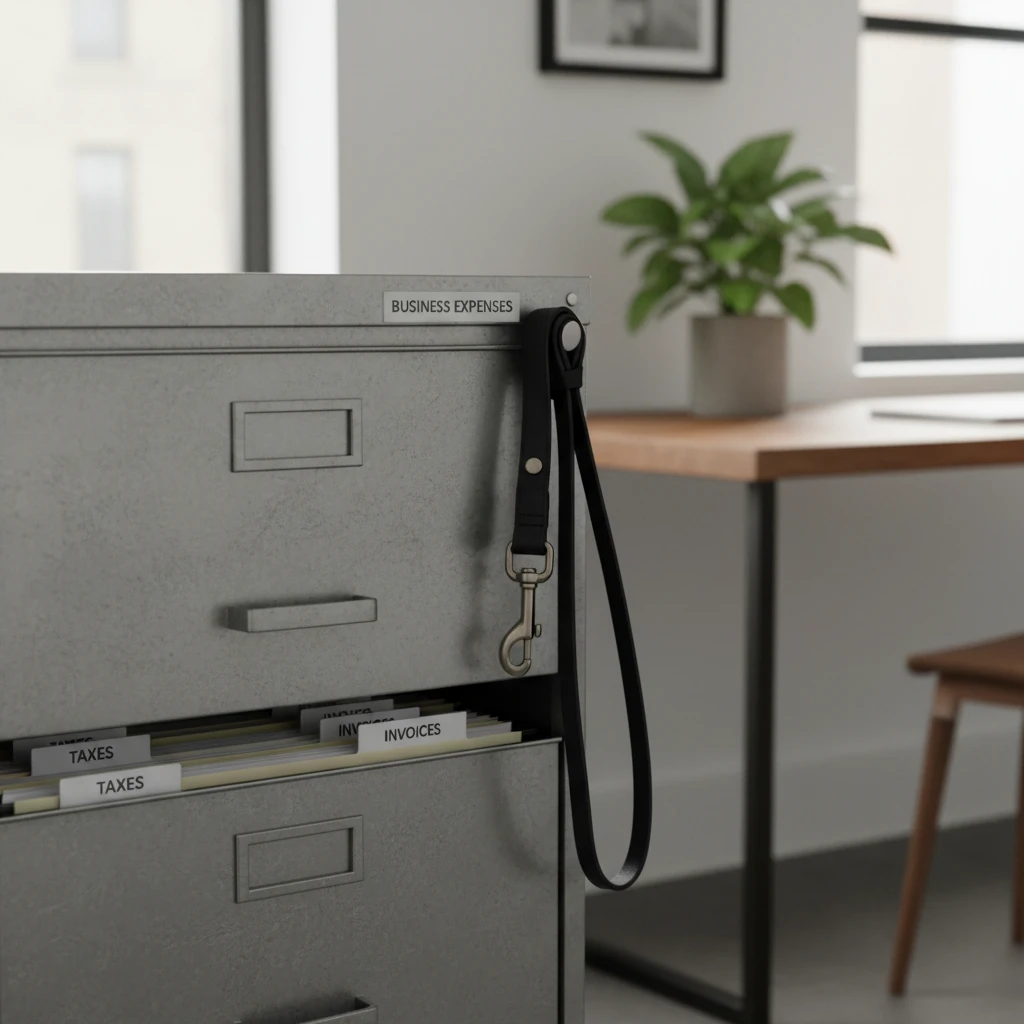
Keep a separate file for all dog-related expenses. Do not mix these with personal grocery receipts. If you buy dog food at the supermarket, pay for it in a separate transaction and keep the slip. Ensure you have valid tax invoices for:
- Vet bills (ask the vet to address the invoice to your business name, not your personal name).
- Insurance premiums (Public Liability and Pet Insurance).
- Grooming costs (if necessary for hygiene in a clinical setting).
- Equipment (vests, leads, mats, crates).
Liability Insurance
One of the strongest indicators that your dog is a business asset is the existence of liability insurance. If your business carries insurance specifically to cover incidents involving the dog, the premiums are almost certainly a deductible business expense. This demonstrates a clear commercial relationship between the dog and the business operations.
People Also Ask
Can I claim dog food as a business expense in NZ?
Generally, dog food is considered a private domestic expense. However, if the dog is a working dog (like a farm dog or active therapy dog), you may claim a portion of the food costs. This is usually apportioned based on the percentage of business use or restricted to the extra dietary requirements needed for their work.
What is the depreciation rate for a working dog in NZ?
Working dogs are considered depreciable assets by the IRD. The specific rate can vary, but they are typically depreciated over their useful working life. For farm dogs, there are specific provisions, but for therapy dogs, you should consult an accountant to apply the correct asset class rate, often around 20-25% DV.
Do I need to register my therapy dog to claim tax deductions?
There is no specific “tax registration” for the dog itself. However, to claim deductions, the dog should be recognized in your business assets register. Additionally, having professional certification (e.g., St John, Therapy Dogs NZ) strengthens your claim that the dog is a legitimate business tool rather than a pet.
Is vet insurance tax deductible for therapy dogs?
Yes, if the dog is a business asset, a portion of the pet insurance premiums is deductible. If the dog is used 50% for business, you can typically claim 50% of the premium. Public liability insurance covering the dog’s actions in the workplace is usually 100% deductible.
Can I claim grooming costs for my therapy dog?
If professional grooming is a requirement for the dog to operate in its work environment (e.g., strict hygiene standards in a hospital or allergy management in a clinic), these costs are deductible. Routine grooming for aesthetic preference remains a private expense.
What happens if I sell my working dog?
If you sell a working dog that you have claimed depreciation on, you may need to account for “depreciation recovery” if the sale price exceeds the book value. This amount would be treated as taxable income in the year of sale.