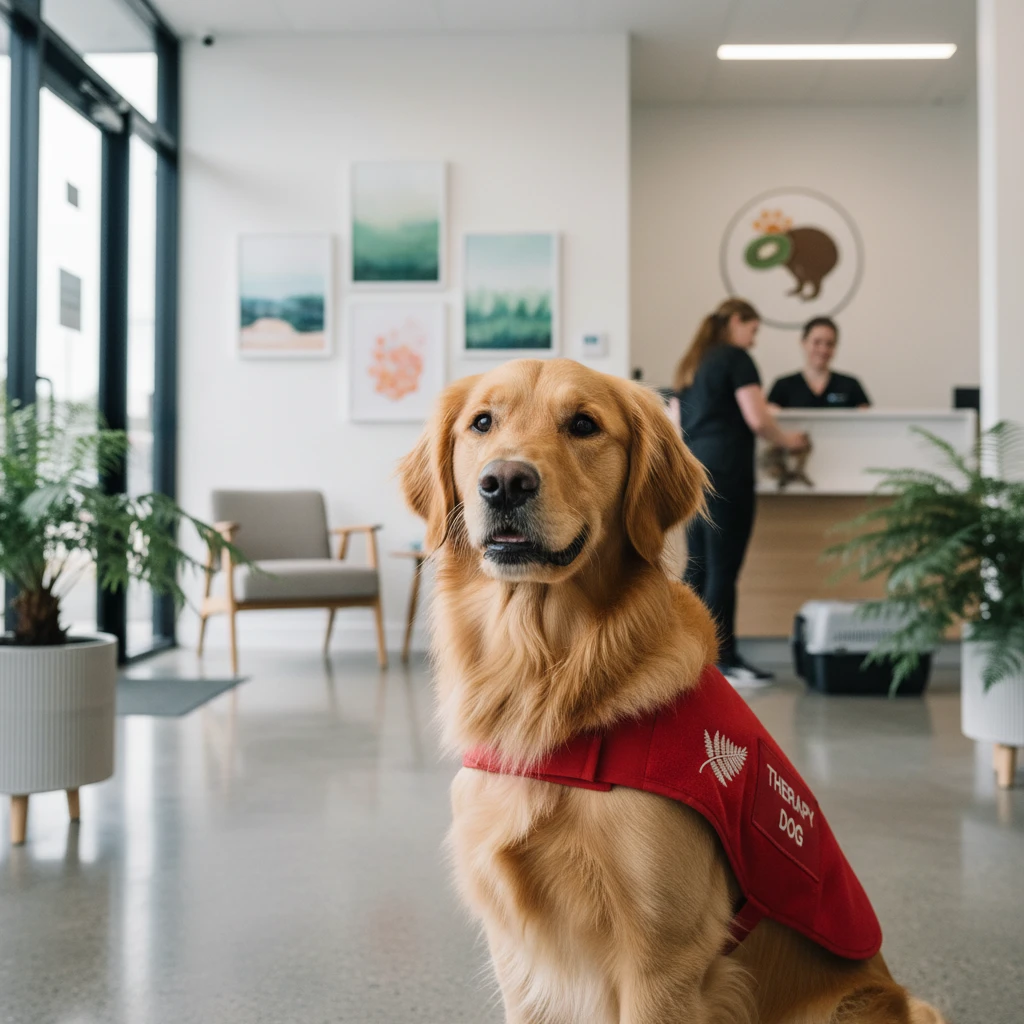
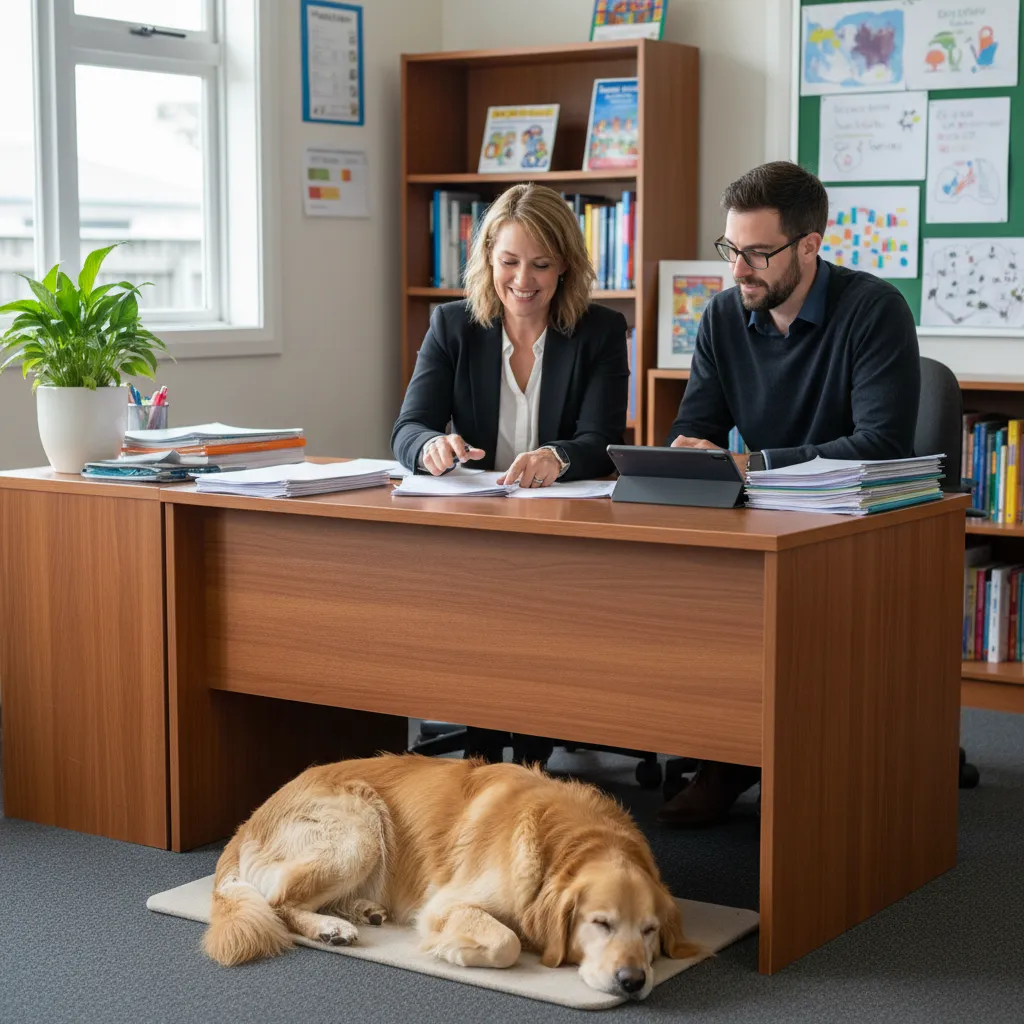
ACC recovery therapy dogs refer to the integration of animal-assisted therapy within Accident Compensation Corporation funded rehabilitation plans. While ACC does not fund therapy dogs directly as a standalone service, they cover sessions facilitated by registered health professionals—such as occupational therapists, psychologists, or physiotherapists—who utilise trained canines to achieve specific physical, vocational, or mental health recovery goals.
How ACC Views Animal-Assisted Interventions
The Accident Compensation Corporation (ACC) in New Zealand operates on a model of evidence-based practice. For claimants and providers navigating the system, understanding ACC’s stance on acc recovery therapy dogs is crucial. ACC does not view “Animal Assisted Therapy” (AAT) as a distinct service code that can be billed independently. Instead, it is viewed as a clinical modality or a therapeutic tool used by a Registered Health Professional (RHP).
To secure funding for interventions involving therapy dogs, the focus must remain on the clinical outcome rather than the presence of the animal. The therapy dog is the medium through which the registered professional (Physiotherapist, Occupational Therapist, Psychologist, or Counsellor) delivers the rehabilitation.
The Requirement for Clinical Justification
ACC case managers require robust clinical justification for any treatment plan. When incorporating a therapy dog, the provider must demonstrate how the animal facilitates the achievement of rehabilitation goals more effectively than traditional methods. This might include:
- Enhanced Engagement: Increasing a client’s motivation to attend difficult physiotherapy sessions.
- Physiological Regulation: Using the dog to lower blood pressure and anxiety levels during trauma processing (common in Integrated Services for Sensitive Claims – ISSC).
- Functional Mobility: Using the dog as a dynamic tool for balance and coordination exercises.
The Role of Therapy Dogs in Physical Rehabilitation
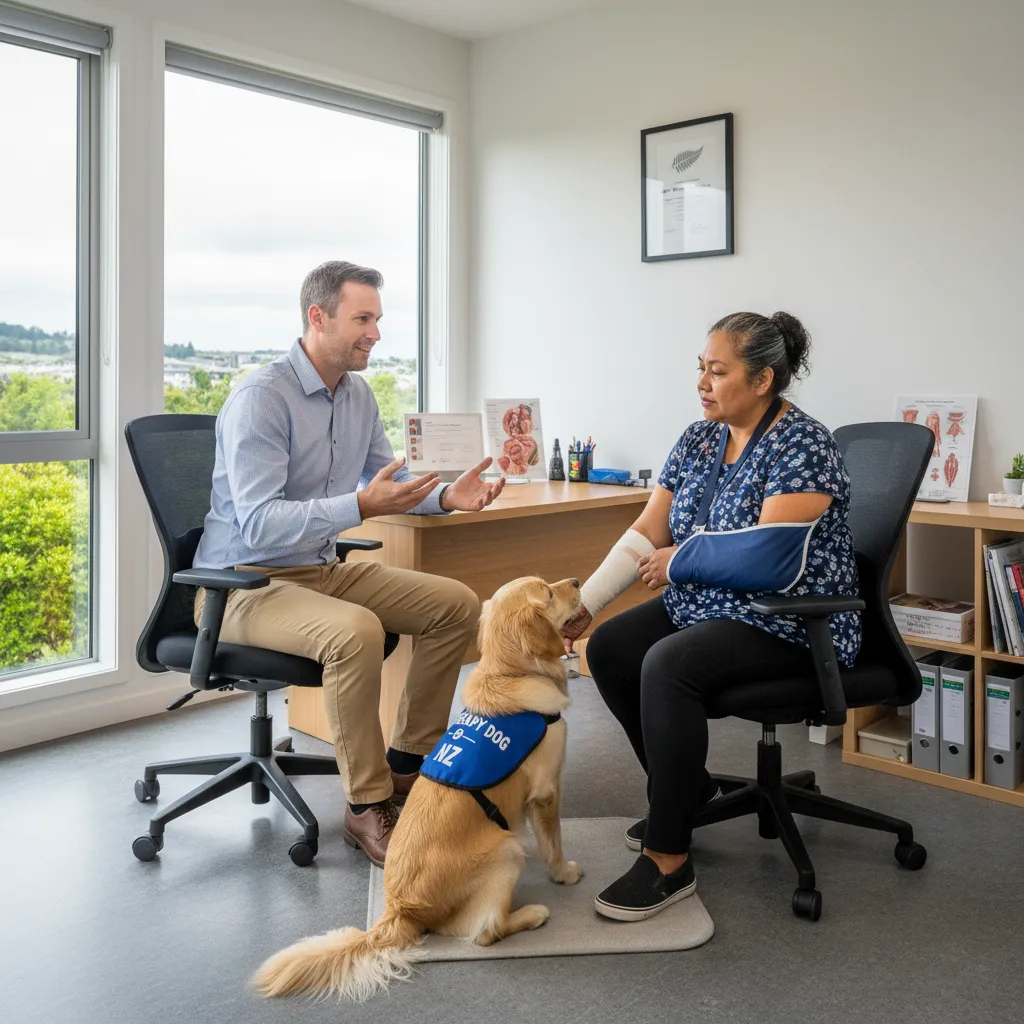
In the context of physical injury recovery, therapy dogs are increasingly utilised by physiotherapists and occupational therapists to assist with motor function recovery. This goes beyond simple companionship; it involves structured, goal-oriented activities.
Improving Fine and Gross Motor Skills
For patients recovering from upper limb injuries or neurological damage (such as Traumatic Brain Injury), interaction with a dog can provide meaningful repetition of movement. Activities may include:
- Grooming: Using brushes to improve range of motion in the shoulder and elbow.
- Buckling Collars/Leashes: Enhancing fine motor dexterity and finger strength.
- Ball Throwing: Rebuilding coordination and arm strength.
Gait Training and Balance
For lower limb injuries, a therapy dog can act as a pacer or a motivation for walking. Walking a trained therapy dog on a dual lead allows the therapist to control the animal while the patient focuses on gait mechanics. The presence of the dog often distracts the patient from pain and fatigue, allowing for longer duration of exercise compared to solo treadmill work.
Mental Health and Sensitive Claims (ISSC)
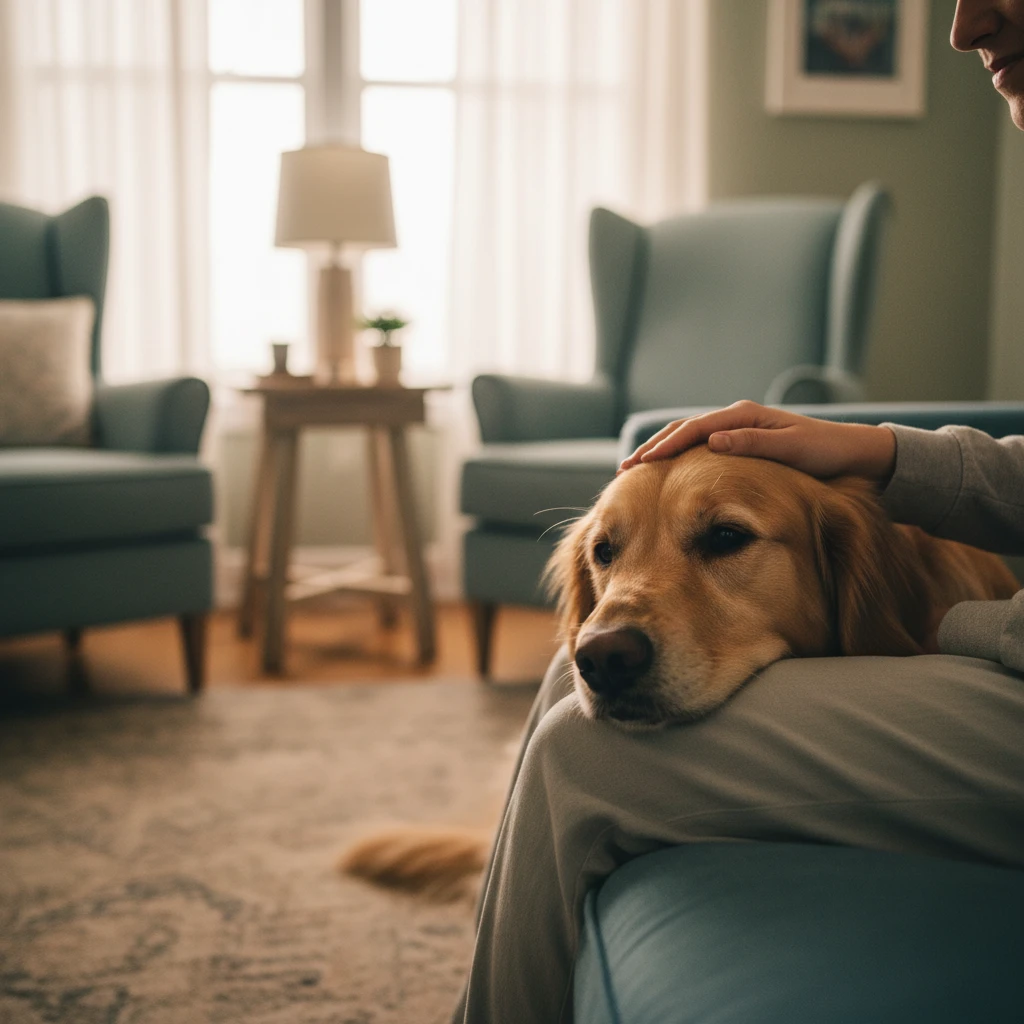
One of the most significant areas for acc recovery therapy dogs is within the Integrated Services for Sensitive Claims (ISSC). This contract covers mental health services for survivors of sexual violence. Therapy dogs play a pivotal role in these sessions by acting as a “social bridge” and a grounding mechanism.
Many claimants suffering from PTSD experience hyperarousal. The tactile stimulation of stroking a dog releases oxytocin and reduces cortisol, helping the client remain within their “window of tolerance” during therapy. This physiological regulation allows the psychologist or counsellor to proceed with trauma processing that might otherwise be too overwhelming for the client.
Case Studies: Dog-Assisted Rehabilitation Success
To understand the practical application, we can look at hypothetical case studies based on standard New Zealand rehabilitation frameworks.
Case Study A: Traumatic Brain Injury (TBI) and Social Rehab
The Claimant: A 24-year-old male sustained a moderate TBI from a vehicle accident, resulting in executive function deficits, social anxiety, and reduced balance.
The Intervention: An ACC-funded Occupational Therapist integrated a certified therapy dog into the rehabilitation plan. The goals were to improve memory (recalling the dog’s commands), sequencing (preparing the dog’s food), and social integration (walking the dog in public parks).
The Outcome: The claimant showed a 40% increase in participation in community activities. The dog provided a non-judgmental partner, reducing the social anxiety that previously prevented the claimant from leaving his home. The “dog walking” activity was billed under Social Rehabilitation training hours.
Case Study B: Complex Regional Pain Syndrome (CRPS)
The Claimant: A 45-year-old woman developed CRPS in her right hand following a workplace crush injury.
The Intervention: Traditional desensitisation therapy was too painful and distressing. A physiotherapist introduced a therapy dog. The patient was encouraged to stroke the dog’s soft fur with the affected hand.
The Outcome: The release of endorphins and the distraction provided by the animal allowed for gradual desensitisation. The texture of the fur was tolerated better than synthetic medical textures. This bridge allowed the therapist to eventually progress to standard desensitisation tools.
Claiming Therapy Dog Sessions Under ACC
Clients often ask, “How do I get ACC to pay for a therapy dog?” It is vital to clarify that ACC pays for the professional’s time, not the dog itself. Here is the workflow for claiming these sessions.
1. Referral to a Registered Provider
The claimant must have an accepted claim. They must be referred to a provider who holds an ACC contract (e.g., Clinical Psychology, Physiotherapy, or Social Rehabilitation). The provider must be the owner/handler of the therapy dog or work in a clinic where the dog is utilised.
2. Assessment and Planning
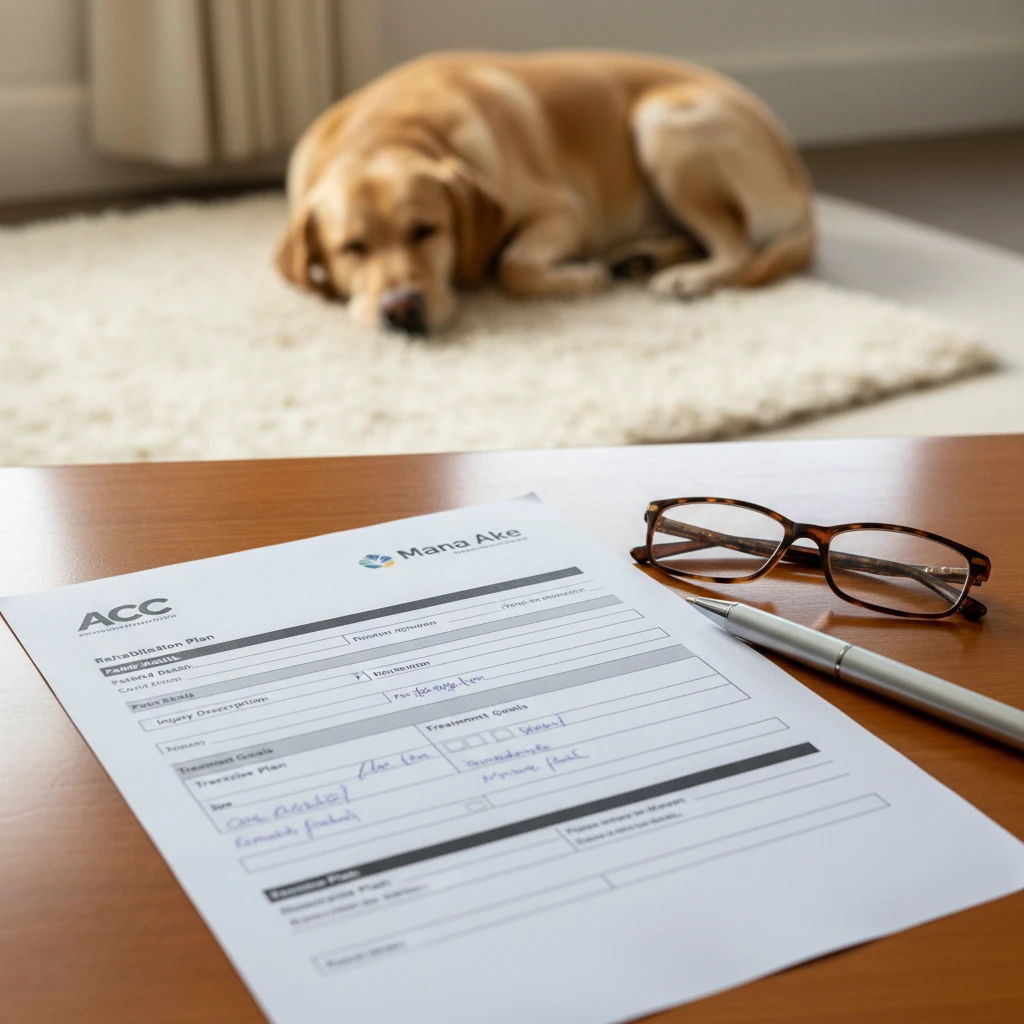
During the initial assessment, the provider identifies that Animal Assisted Therapy would be beneficial. They include this in the rehabilitation plan submitted to the ACC Case Manager. The plan must articulate functional goals.
Example phrasing for a plan: “Client will engage in 6 sessions of exposure therapy facilitated by canine-assisted intervention to reduce hypervigilance in public spaces.”
3. Billing Codes
The provider bills standard ACC codes (e.g., PSY01 for Psychology, or TI81 for Training for Independence). There is no specific “dog code.” The cost of maintaining the dog is an overhead absorbed by the business, similar to the cost of maintaining a clinic room or gym equipment.
Vocational Rehabilitation Integration
Vocational Rehabilitation focuses on returning a claimant to work. Therapy dogs can be instrumental in this phase, particularly for clients with workplace-related PTSD (e.g., first responders, bank tellers after a robbery).
In a “Stay at Work” or “Back to Work” programme, a therapy dog can assist with:
- Simulated Work Environments: Practicing stress management techniques with the dog present before entering the actual workplace.
- Routine Building: Establishing a daily routine of care for the animal (if part of a residential rehab programme) to mimic the discipline required for employment.
It is important to note that taking a therapy dog into a claimant’s workplace is a complex logistical challenge involving Health & Safety at Work Act 2015 compliance, and is less common than using the dog in clinical settings to prepare for work return.
Finding ACC-Registered Animal-Assisted Therapists
Finding a provider who accepts ACC and utilizes therapy dogs requires specific searching strategies. There is no central “ACC Therapy Dog” database, so claimants must cross-reference professional registers.
Steps to Locate a Provider:
- Identify the Discipline: Determine if you need a Psychologist, OT, or Physio based on your injury.
- Search Professional Directories: Look for profiles that mention “Animal Assisted Therapy” or “Canine Assisted Intervention.”
- Verify ACC Accreditation: Ensure the provider holds a current ACC contract number.
- Check Dog Credentials: Reputable therapists will have dogs certified by organisations such as Therapy Dogs New Zealand or similar bodies to ensure safety and temperament testing.
Logistics for Providers: Compliance and Safety
For New Zealand businesses and logistics managers running therapy clinics, integrating dogs into ACC-funded services requires strict adherence to operational protocols.
Infection Control and Hygiene
To comply with healthcare standards, clinics must have a documented policy regarding:
- Zoonosis Prevention: Regular veterinary checks, worming, and vaccination records must be auditable.
- Cleaning Protocols: Specific cleaning regimes for areas where the dog works, using hospital-grade disinfectants.
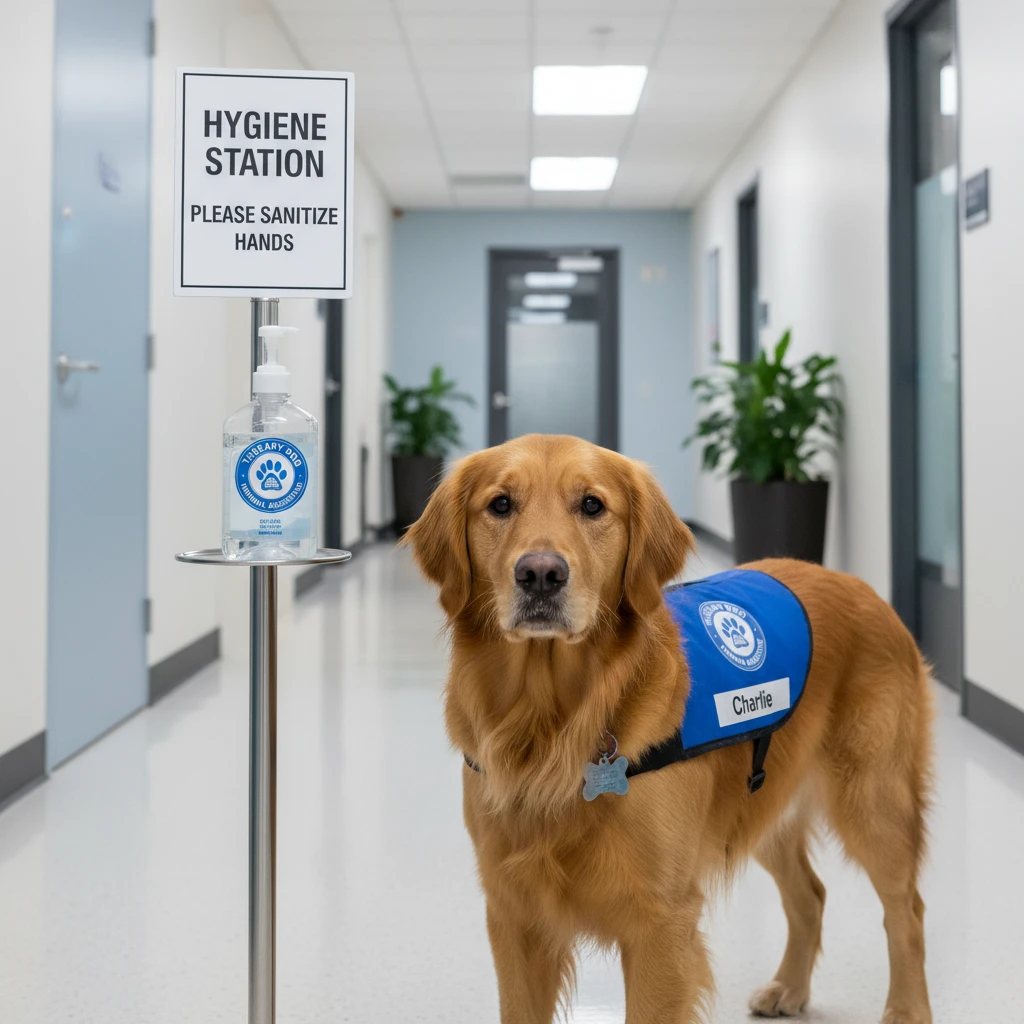
- Hand Hygiene: Mandatory hand sanitising for patients before and after interaction.
Risk Management and Insurance
Standard professional indemnity insurance may not cover canine interactions. Providers must declare the use of a therapy dog to their insurer. Furthermore, a specific Risk Assessment and Management Plan (RAMP) must be in place for the premises, identifying hazards such as allergic reactions, phobias in other patients, or unpredictable animal behaviour.
Conclusion
ACC recovery therapy dogs represent a powerful, evidence-based modality for rehabilitation in New Zealand. While the pathway to funding requires navigating specific clinical justifications and utilizing registered health professionals, the outcomes for physical and mental trauma recovery are significant. Whether for sensitive claims, traumatic brain injury, or vocational rehabilitation, the integration of a trained canine can be the catalyst that moves a claimant from stagnation to active recovery.
People Also Ask (PAA)
Does ACC pay for service dogs in NZ?
Generally, ACC does not fund the purchase or training of service dogs for personal ownership. However, in rare cases of severe injury (like high-level spinal cord injuries), ACC may contribute to the maintenance costs of an assistance dog if it is deemed essential for independence, but this is assessed on a strict case-by-case basis.
What is the difference between a therapy dog and an assistance dog?
An assistance dog (or service dog) is trained to perform specific tasks for one person with a disability and has public access rights. A therapy dog is trained to provide comfort and affection to many people in clinical or facility settings and is handled by a professional; they do not have the same public access rights as assistance dogs.
Can I take my own dog to ACC physio sessions?
Usually, no. Unless your own dog is part of a specific rehabilitation plan approved by the provider (e.g., re-learning to walk your specific dog), Health and Safety regulations typically prevent personal pets from attending clinical appointments due to hygiene and risk factors.
How do I become a therapy dog handler in NZ?
To work in a clinical setting, you generally need to be a qualified health or educational professional first. You then need to have your dog assessed and certified by an organisation like Therapy Dogs New Zealand or St John, ensuring the dog passes temperament and obedience tests.
Does ACC cover equine therapy?
Similar to canine therapy, ACC may fund equine-assisted therapy (Hippotherapy) if it is delivered by a registered physiotherapist or occupational therapist as part of a clinical rehabilitation plan. It is not funded as a recreational activity but as a medical treatment.
Are therapy dogs allowed in NZ hospitals?
Yes, but with restrictions. Many District Health Boards (DHBs) and private hospitals have visiting therapy dog programmes (like St John). However, access is strictly controlled, requires prior approval, and is limited to specific wards to protect immunocompromised patients.