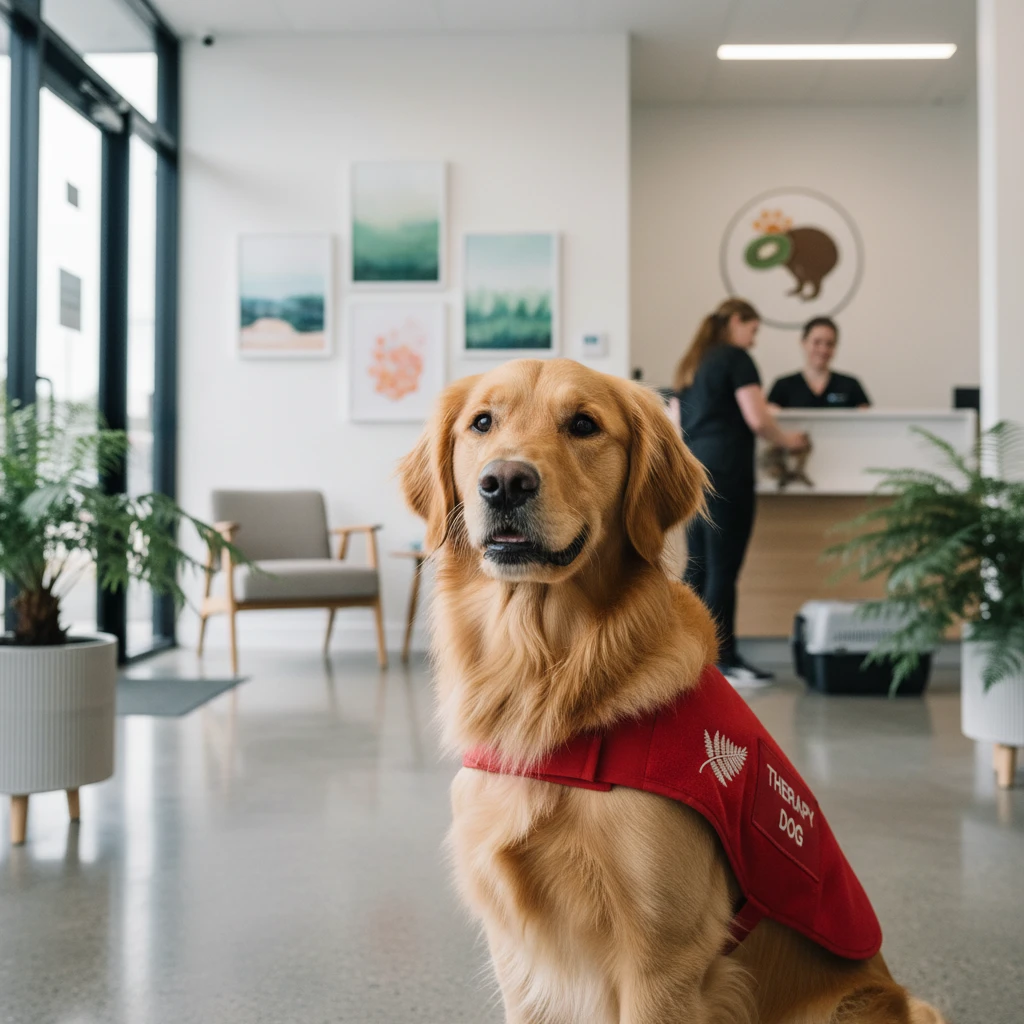
The MSD guidelines for assistance dogs in New Zealand primarily dictate eligibility for the Disability Allowance to cover ongoing maintenance costs. To qualify, the dog must be certified by an authorized organization listed under the Dog Control Act 1996. Funding supports food and veterinary expenses but generally excludes initial acquisition fees or non-accredited therapy animals.
The MSD Policy Framework for Assistance Dogs
The Ministry of Social Development (MSD) in New Zealand operates under a strict legislative framework when determining financial support for individuals requiring assistance dogs. Understanding this framework is essential for handlers, businesses, and logistical providers within the sector. The core of this policy is rooted in the Disability Allowance, a weekly payment for people who have regular, ongoing costs because of a disability.
Unlike the National Disability Insurance Scheme (NDIS) in Australia or ADA regulations in the United States, New Zealand’s MSD relies heavily on the definitions provided in the Dog Control Act 1996. For a client to access MSD funding, the dog is not merely viewed as a companion; it is viewed as a disability aid, legally equivalent in status to a wheelchair or a white cane.
Legal Definitions and Schedule 5
The MSD does not independently assess the competence of a dog. Instead, they defer to the organizations listed in Schedule 5 of the Dog Control Act 1996. If a dog is certified by one of these organizations, MSD policy automatically recognizes the validity of the cost. These organizations include:
- Blind Low Vision NZ (formerly the Blind Foundation)
- Assistance Dogs New Zealand Trust
- Hearing Dogs for Deaf People New Zealand
- K9 Medical Detection New Zealand
- New Zealand Epilepsy Assist Dog Trust
- Perfect Partners Assistance Dogs Trust
For MSD case managers, the presence of certification from these specific bodies acts as the primary gatekeeper for funding approval. This policy framework ensures that taxpayer funds are directed toward highly trained animals that mitigate specific disabilities, rather than general pets or emotional support animals.
Distinction Between Therapy and Assistance Dogs in Policy
One of the most frequent points of confusion in the New Zealand market is the distinction between a “Therapy Dog” and an “Assistance Dog.” For businesses involved in Therapy Dogs NZ logistics, clarifying this distinction to clients is vital, as it dictates funding outcomes.
Assistance Dogs (Disability Assist Dogs)
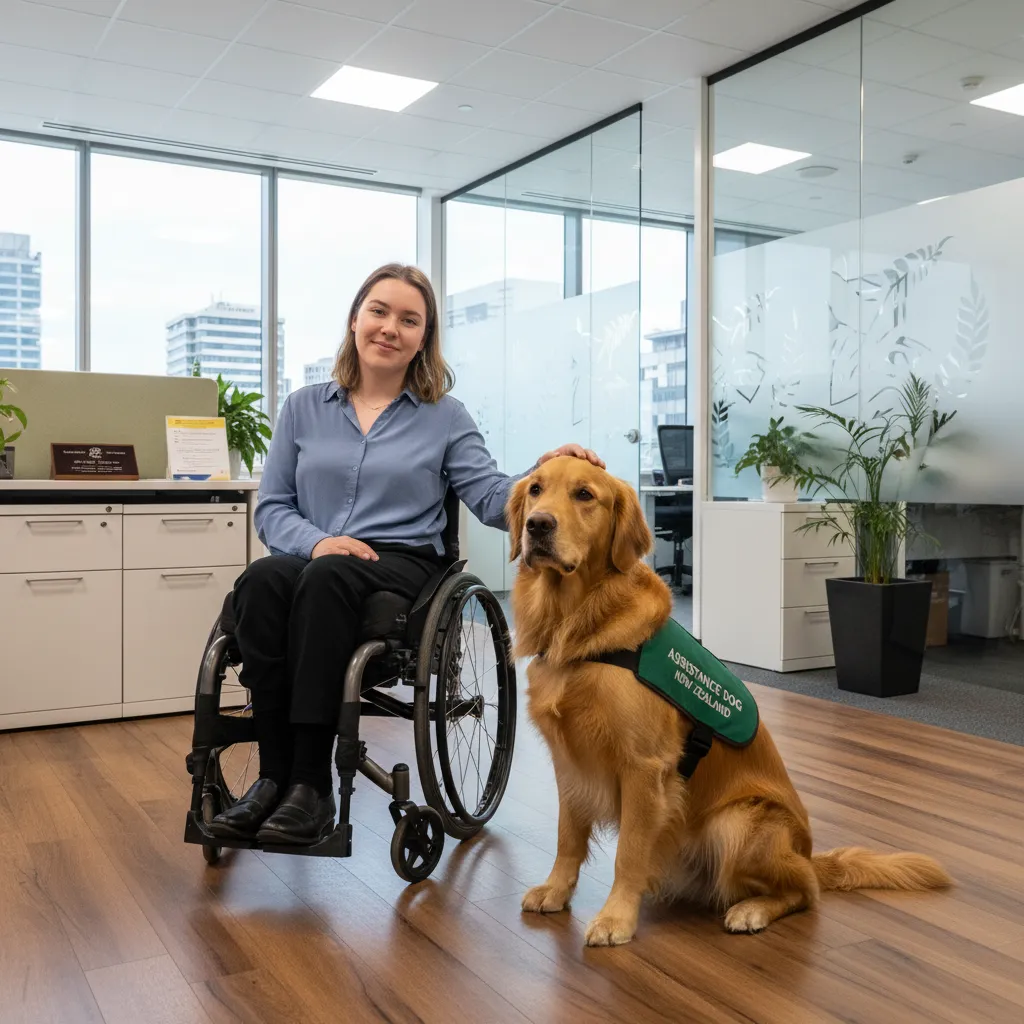
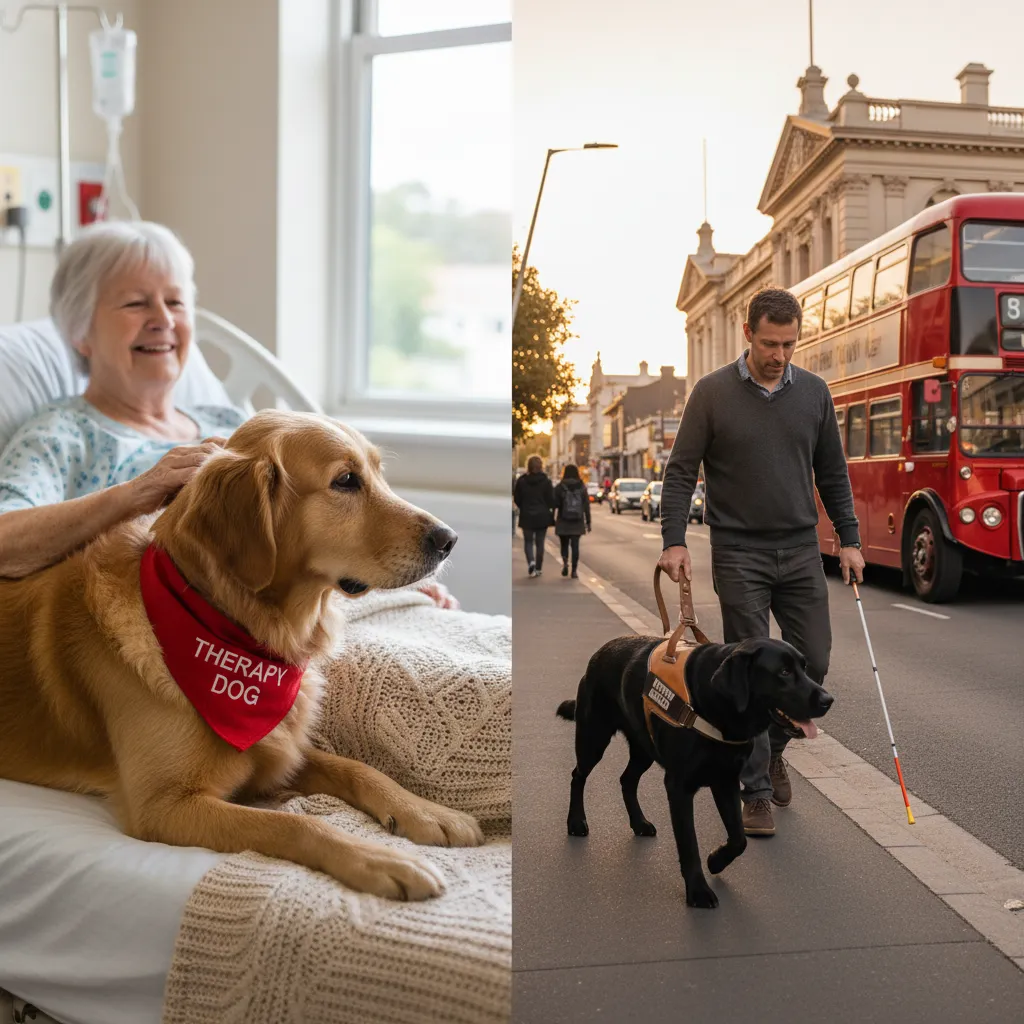
Under MSD guidelines, an Assistance Dog is trained to perform specific tasks for a single person with a disability. These dogs have full public access rights under the Human Rights Act 1993 and the Dog Control Act 1996. Because they are deemed essential for the daily functioning of the individual, their maintenance costs (food, registration, vet bills) are eligible for the Disability Allowance.
Therapy Dogs and Emotional Support Animals
In contrast, Therapy Dogs are trained to provide comfort and affection to people in hospitals, retirement homes, or schools. They are generally not trained to perform specific disability-mitigating tasks for their handler. Crucially, Therapy Dogs do not have public access rights to supermarkets, cafes, or public transport in New Zealand.
From an MSD policy perspective, costs associated with Therapy Dogs or Emotional Support Animals (ESAs) are generally not declined automatically, but they face a much higher burden of proof. Often, they are rejected because they do not meet the definition of a “Disability Assist Dog.” Unless a registered health practitioner can prove that the lack of the dog would be detrimental to the client’s health and the dog serves a specific therapeutic function verified by a medical professional, funding is rarely granted. Even then, without Schedule 5 certification, approval is discretionary and rare.
Accreditation Requirements for Funding Eligibility
To access the Disability Allowance for assistance dog costs, the applicant must verify that the costs are necessary and ongoing. The accreditation of the dog is the primary method of verification.
The “Authorised Organisation” Requirement
MSD Case Managers utilize a verification process that checks if the dog has been certified by an “Authorised Organisation.” This accreditation ensures the dog has passed rigorous public access tests (PAT) and task-specific training. The accreditation covers:
- Public Safety: The dog must be non-aggressive and under control at all times.
- Hygiene: The dog must be clean, vaccinated, and free of parasites.
- Task Competence: The dog must reliably perform tasks that mitigate the handler’s disability (e.g., alerting to low blood sugar, guiding the blind, interrupting anxiety attacks).
Owner-Trained Dogs
A growing niche in New Zealand is the owner-trained assistance dog. Can these receive MSD funding? The policy is complex. MSD generally requires the dog to be registered with a recognized organization. Some organizations, such as Perfect Partners or K9 Medical Detection, may assess and certify owner-trained dogs. If an owner-trained dog passes the public access test administered by a Schedule 5 organization, the handler can present this certification to MSD to apply for the Disability Allowance.
Updates to the 2024/2025 Funding Cycle
As we move into the 2024/2025 financial year, MSD has adjusted several thresholds that impact assistance dog handlers. These updates are driven by cost-of-living adjustments and legislative reviews.
Disability Allowance Rate Adjustments
The Disability Allowance is a maximum weekly amount. As of the latest updates, the maximum rate has been adjusted to reflect inflation. Handlers should note that this allowance is not exclusively for the dog; it covers all disability-related costs (medical alarms, lawn mowing, prescriptions). Therefore, if a client is already using the maximum allowance for other costs, they may not receive additional funds for the dog.
Inclusion of Psychiatric Assistance Dogs
There has been a significant shift in the recognition of Psychiatric Assistance Dogs (PADs). Historically, physical disabilities were the primary focus. In the 2024/2025 cycle, there is clearer guidance for Case Managers to recognize PADs, provided they are certified by a recognized body. This is a critical update for veterans and individuals with PTSD.
Civil Defence and Emergency Provisions
Recent weather events in New Zealand (such as Cyclone Gabrielle) have prompted updates regarding assistance dogs in emergency housing. While not direct funding, MSD policy now aligns more closely with Civil Defence protocols to ensure that funding for dog maintenance continues uninterrupted even if the handler is displaced.
How to Apply for MSD Assistance Dog Support
Navigating the bureaucracy of Work and Income (WINZ) can be daunting. Here is the step-by-step logistics process for securing funding.
Step 1: Verification of Costs
You cannot simply claim a flat rate. You must provide evidence of the ongoing costs. This includes:
- Food: Receipts from a supermarket or pet store showing the regular cost of high-quality dog food.
- Veterinary Expenses: A letter from a vet estimating annual check-ups, vaccinations, and flea/worm treatments, divided into a weekly cost.
- Registration: Proof of local council registration fees (note: many councils offer free registration for assistance dogs, so this may not be claimable).
- Insurance: Pet insurance quotes or policy documents.
Step 2: The Medical Certificate
Your GP or specialist must fill out the Disability Certificate. They must explicitly state that the assistance dog is necessary to assist with the disability. For psychiatric dogs, a report from a psychologist or psychiatrist is highly recommended to support the application.
Step 3: The Interview
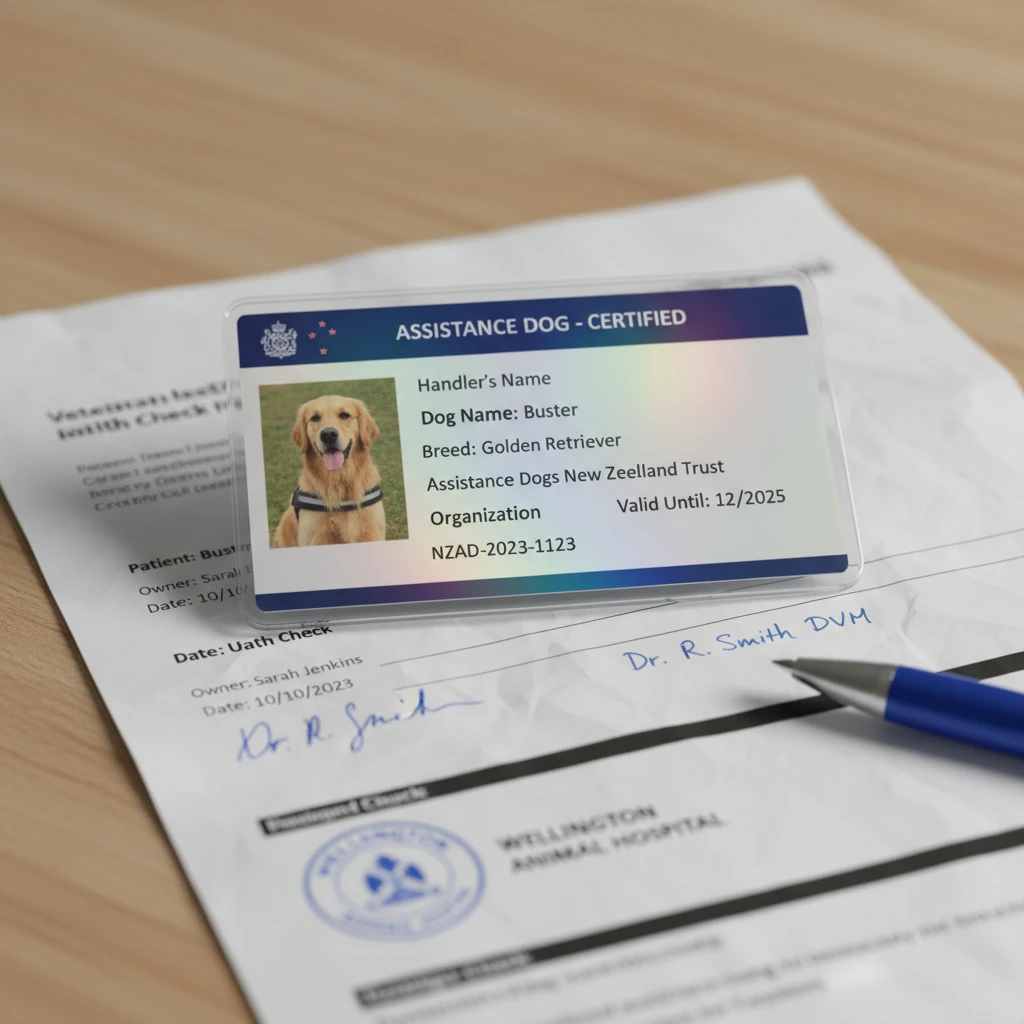
When attending the appointment with MSD, bring the dog’s certification ID (from the Schedule 5 organization) and the dog itself (vested). Visual proof of the dog’s professional nature often expedites the process for Case Managers who may be unfamiliar with the specific legislation.

Logistics for Therapy Dog Businesses and Providers
For businesses operating in the “Therapy Dogs NZ” niche, understanding MSD guidelines offers a strategic advantage. While therapy dogs themselves are rarely funded, the logistics of training and placement are evolving.
Documentation as a Service
Providers should consider offering “Funding Packs” to clients. These packs would include pre-filled cost estimation templates for food and vet bills, and a guide on how to present their case to MSD. This value-add service reduces the administrative burden on the client and increases the likelihood of successful funding for those with legitimate assistance dogs.
Bridging the Gap
There is a market opportunity for businesses to partner with accredited organizations to help owner-trainers reach the standard required for Schedule 5 certification. By offering logistical support—such as transport to training centers, sourcing specific mobility gear, or providing documented training logs—businesses can help clients meet the strict MSD evidentiary requirements.
People Also Ask
Does MSD pay for the purchase price of an assistance dog?
Generally, no. MSD’s Disability Allowance is designed to cover ongoing costs (maintenance) rather than capital costs (purchasing the animal). However, in very rare exceptional circumstances, or through different grants like the Training Incentive Allowance (if the dog enables study), partial help might be explored, but it is not standard policy.
Can I get funding for a psychiatric service dog in NZ?
Yes, provided the dog is certified by a recognized organization under the Dog Control Act 1996. The dog must be trained to perform specific tasks that mitigate the psychiatric condition (e.g., deep pressure therapy, interruption of repetitive behaviors). Emotional support alone is usually insufficient for funding.
Is an emotional support animal (ESA) covered by MSD?
Typically, no. Emotional Support Animals do not have the same legal standing as Disability Assist Dogs in New Zealand. Unless you can prove the costs are a direct disability cost verified by a health practitioner and the dog meets strict criteria, MSD usually declines funding for ESAs.
How much is the Disability Allowance for dogs?
There is no fixed rate for dogs. The Disability Allowance covers actual costs up to a maximum weekly cap (which covers all disability costs, not just the dog). You must prove the weekly cost of food, insurance, and medical care. MSD pays the actual proven cost or the remaining balance of your allowance limit, whichever is lower.
Do I need to register my assistance dog with the local council?
Yes, all dogs in New Zealand must be registered. However, most local councils waive the registration fee for certified Disability Assist Dogs. You will need to show your certification from an authorized organization to receive this waiver.
What happens if my assistance dog is still in training?
Dogs in training generally do not qualify for the full privileges of a certified assistance dog, including funding and public access rights, unless they are being trained by specific organizations that have training permits. MSD usually requires full certification before approving the Disability Allowance for the animal’s costs.