
The total cost of therapy dog training and certification in New Zealand typically ranges between $500 and $2,500 NZD for a fully certified team. This estimate includes prerequisite obedience classes ($150-$400), specialized therapy workshops ($300-$800), official assessment fees ($100-$300), and annual registration dues. While volunteer organizations often subsidize these costs, professional therapy dog training for clinical or educational settings usually incurs higher fees.
Introduction to Therapy Dog Investment in NZ
Investing in a therapy dog is a commitment of both time and financial resources. In New Zealand, the demand for therapy dogs in schools, rest homes, hospitals, and private practices is skyrocketing. However, ensuring a dog is safe, reliable, and insured requires a structured path of training and assessment. Understanding the therapy dog training cost NZ market is the first step toward building a successful partnership with your canine companion.
Unlike service dogs (which assist individuals with disabilities) or emotional support animals, therapy dogs require specific temperament testing and obedience credentials to interact safely with the public. The costs can vary significantly depending on whether you are pursuing a volunteer pathway with organizations like St John or Canine Friends Pet Therapy, or a professional pathway for use in your own workplace.
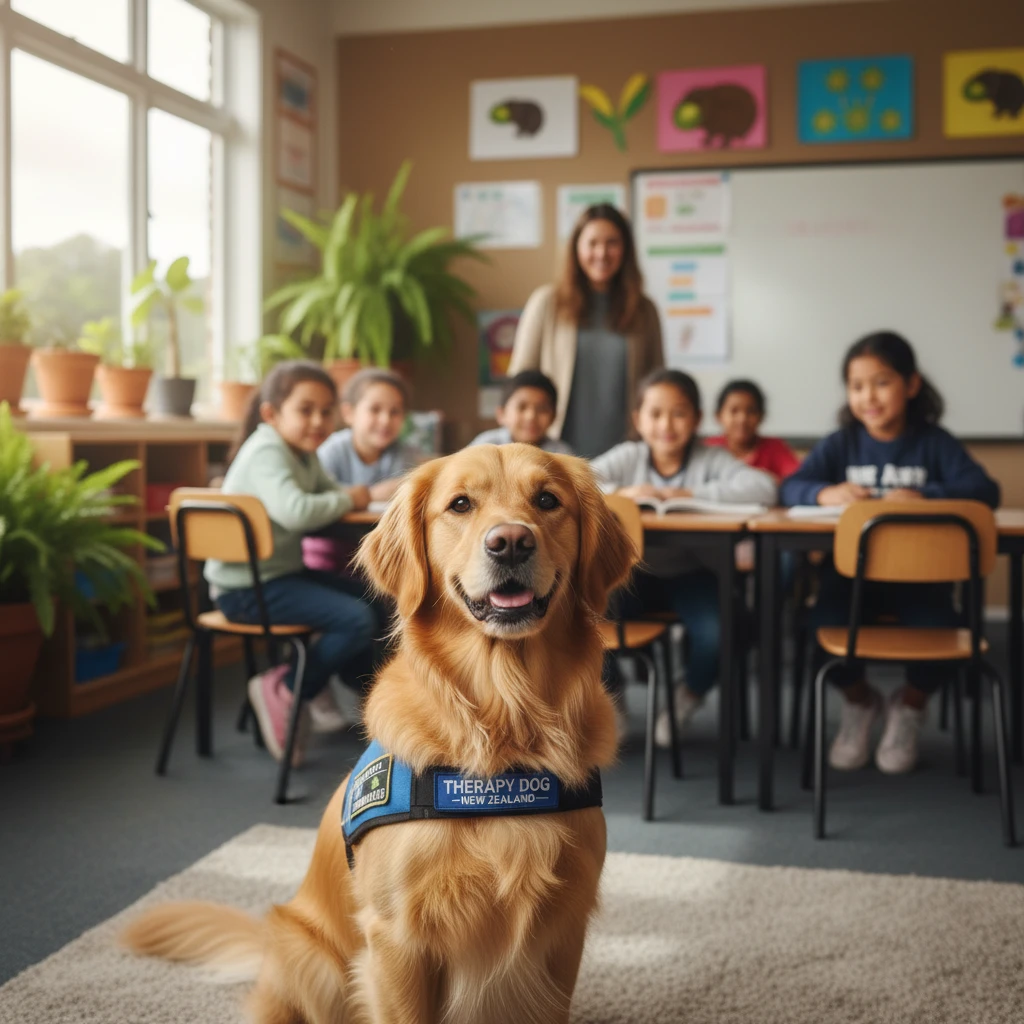
Breakdown of Training Costs: Classes vs. Private Lessons
The largest portion of your budget will invariably go toward training. A therapy dog must possess impeccable manners, high impulse control, and the ability to remain calm in unpredictable environments. Training costs are generally split into three phases: Foundation, Advanced/Public Access, and Therapy-Specific skills.
Group Obedience and Foundation Courses
Before a dog can be considered for therapy work, they must master the basics. Most reputable therapy dog organizations in New Zealand require the completion of a basic obedience course or the Canine Good Citizen (CGC) certificate.
- Puppy/Beginner Classes: $150 – $250 NZD for a 6-8 week course.
- Intermediate/Advanced Obedience: $180 – $300 NZD.
- Canine Good Citizen (CGC) Prep: $200 – $350 NZD.
Group classes are the most cost-effective method and offer the added benefit of socialization—a critical component for future therapy dogs. Working around other dogs helps simulate the distractions they will face in real-world deployments.
Specialized Therapy Dog Workshops
Once the foundation is laid, specific therapy dog workshops focus on desensitization to medical equipment (wheelchairs, crutches), gentle treat-taking, and “visit” etiquette. These are often run by private trainers or specific organizations.
- Weekend Workshops: $250 – $500 NZD.
- Comprehensive Therapy Courses (6+ weeks): $400 – $900 NZD.
Private Coaching Rates
For handlers with specific scheduling needs or dogs requiring behavioral modification before they can enter a therapy program, private lessons are necessary. In major NZ cities like Auckland, Wellington, or Christchurch, rates for experienced animal behaviorists are higher.
- Hourly Rate: $90 – $150 NZD per hour.
- Package Deals (5 sessions): $400 – $700 NZD.
While private training is more expensive, it can accelerate the process, potentially saving money on repeated group classes if your dog learns faster one-on-one.
Assessment and Certification Fees
Training is the preparation; assessment is the gateway. To legally and ethically work as a therapy dog team, you must pass a temperament and obedience assessment. This fee covers the time of qualified evaluators, venue hire, and administrative processing.
The Temperament Test
Most organizations require a formal temperament test. This evaluates the dog’s reaction to loud noises, clumsy handling, angry voices, and other stressors. Even if you train independently, you must pay for this official evaluation.
- Assessment Fee: Typically ranges from $80 to $200 NZD.
- Re-test Fee: If the dog fails the first attempt, a re-test fee (often slightly lower, around $50-$100) applies.
Canine Good Citizen (CGC) Testing
Many NZ therapy groups use the Dogs New Zealand CGC assessment as a prerequisite. While the training costs money, the test itself has a separate fee.
- CGC Bronze/Silver/Gold Assessment: $30 – $60 NZD per level depending on the club.

Registration and Membership Dues
Once certified, the costs shift from “acquisition” to “maintenance.” Being part of a recognized body is essential for liability insurance. If your dog knocks over an expensive piece of medical equipment or accidentally scratches a patient, liability insurance protects you. This is usually included in your membership dues.
Annual Membership Fees
Membership fees vary depending on whether the organization is a registered charity or a private entity.
- Volunteer Organizations (e.g., Canine Friends Pet Therapy): $30 – $60 NZD annually. These fees are kept low to encourage volunteers.
- Professional Organizations (e.g., Therapy Dogs NZ): $150 – $400 NZD annually. This higher fee often covers more comprehensive insurance for professionals using dogs in their own practice (psychologists, occupational therapists).
Renewal Assessments
Therapy dog certification is not a “one and done” achievement. To ensure safety, most organizations require re-certification every 12 to 24 months. This ensures the dog’s temperament hasn’t changed due to age or health.
- Re-certification Fee: $50 – $150 NZD.
Equipment, Uniforms, and Hidden Costs
When calculating the therapy dog training cost NZ entails, many handlers overlook the tangible gear and health requirements. A therapy dog must look professional and be in peak physical condition.
Mandatory Gear and Uniforms
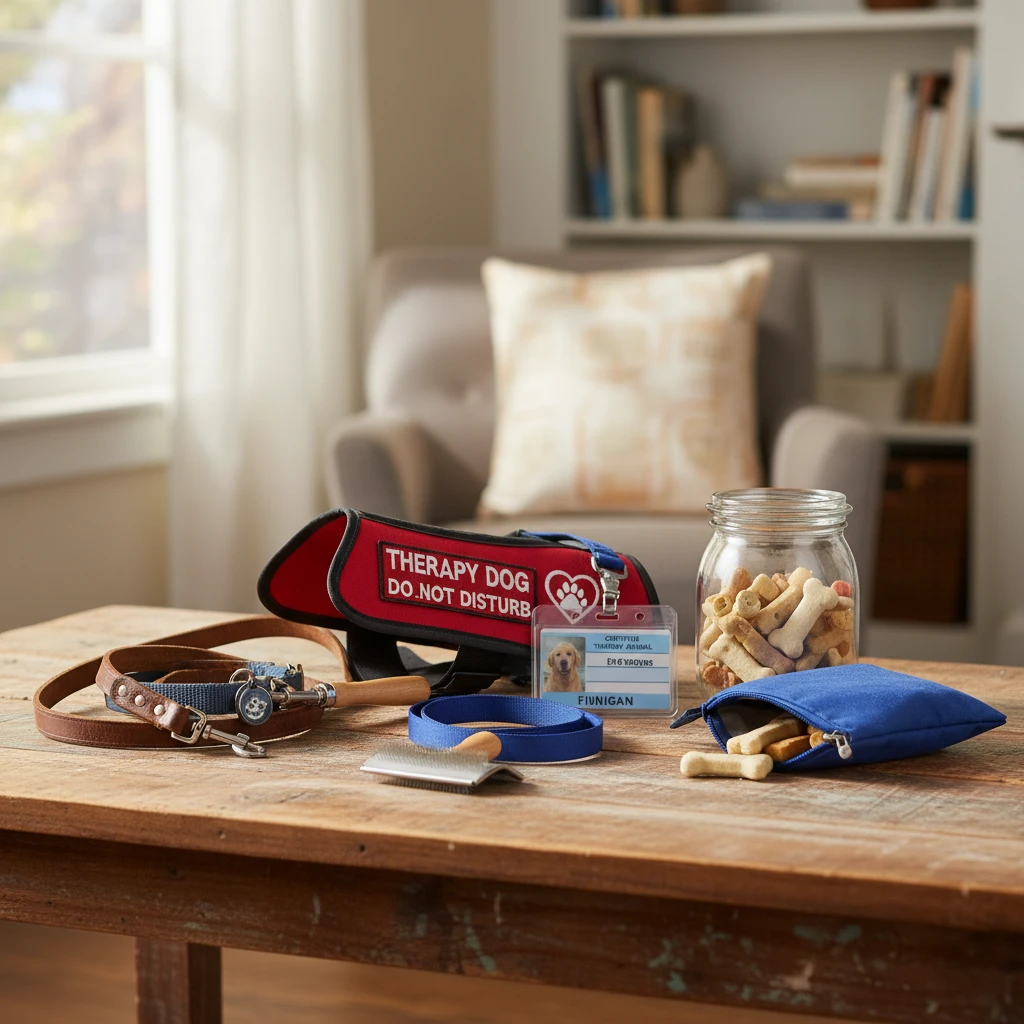
To access facilities, your dog needs to be instantly recognizable. Most organizations require a specific uniform.
- Branded Therapy Vest/Harness: $60 – $120 NZD.
- ID Badge and Holder: $15 – $30 NZD.
- Bandanas/Scarves: $15 – $25 NZD.
- Specific Leash (Fixed length, non-retractable): $30 – $50 NZD.
Veterinary and Health Standards
Therapy dogs are held to a higher standard of hygiene than household pets because they visit vulnerable populations. This results in higher annual veterinary costs.
- Strict Parasite Control: Flea and worm treatment must be up-to-date monthly. Budget approx $250 – $350 NZD annually.
- Annual Health Check & Vaccinations: Proof of core vaccinations (and often Kennel Cough) is mandatory. Cost: $150 – $250 NZD per year.
- Grooming: Dogs must be bathed and groomed before visits. Professional grooming can cost $80 – $120 per session, or you can do this at home for the cost of quality shampoo.
Volunteer vs. Professional Therapy Dog Costs
It is vital to distinguish between the two primary tracks of therapy work in New Zealand, as the financial outlay differs drastically.
The Volunteer Track
If your goal is to visit hospitals, rest homes, or libraries as a volunteer, your costs are generally lower. Organizations like St John or Canine Friends Pet Therapy are charities. They often subsidize training or only charge nominal administrative fees.
- Estimated Total First Year Cost: $400 – $800 NZD.
- Primary Expense: Basic obedience training and vet bills.
The Professional Track (Animal Assisted Intervention)
If you are a teacher, counselor, or health professional intending to bring your dog to work to assist clients, you fall under “Animal Assisted Intervention” (AAI). This is a commercial use of the dog. You require higher levels of certification and specialized insurance that volunteer organizations do not provide.
- Estimated Total First Year Cost: $1,500 – $3,000+ NZD.
- Primary Expense: Specialized workshops, higher insurance premiums, and professional membership dues.
How to Budget for Your Therapy Dog Journey
Entering the world of therapy dogs is an investment in your community and your career. Here are strategies to manage the costs effectively.
- Start Early: Begin obedience training when the dog is a puppy. Fixing behavioral problems later with private trainers is far more expensive than preventing them with puppy school.
- Seek Sponsorship: If you are a teacher, ask your school board if they can fund the training as part of your Professional Development (PD). Many NZ schools are now budgeting for wellbeing initiatives.
- Tax Deductions: For private practitioners (psychologists, OTs), the costs associated with training and maintaining a therapy dog may be tax-deductible expenses. Consult with your accountant regarding NZ tax laws for working dogs.
- Compare Organizations: Don’t just sign up for the first course you see. Compare the fee structures of different accredited providers in New Zealand to find one that matches your budget and goals.

Frequently Asked Questions
Is therapy dog training free in New Zealand?
Generally, no. While some volunteer organizations keep fees very low (covering only admin or uniform costs), the underlying obedience training required to pass the assessments must be paid for by the owner. There are no government-funded therapy dog training programs for the general public.
What is the difference between a Service Dog and a Therapy Dog?
A Service Dog (or Assistance Dog) is trained to perform specific tasks for one person with a disability and has legal public access rights. A Therapy Dog is trained to provide comfort to many people and does not have public access rights to shops or planes. Service dog training is significantly more expensive and rigorous.
Can I train my own therapy dog in NZ?
Yes, you can do the training yourself or with private trainers. However, you cannot “self-certify.” You must eventually pass an assessment administered by a recognized organization to be insured and registered as a legitimate therapy dog team.
How long does it take to train a therapy dog?
It typically takes 1 to 2 years. Most organizations require the dog to be at least 12 to 18 months old before they can be fully certified to ensure they have reached emotional maturity. The training process itself is ongoing throughout the dog’s life.
Does pet insurance cover therapy dog training?
No, standard pet insurance in New Zealand covers veterinary bills for illness and injury. It does not cover behavioral training, certification fees, or liability insurance for therapy work. You need a separate policy or membership for liability.
What breeds are best for therapy dogs?
Any breed can be a therapy dog if they have the right temperament. While Golden Retrievers and Labradors are popular due to their gentle nature, mixed breeds, Poodles, and even Greyhounds make excellent therapy dogs. The cost of training does not vary by breed, but by the individual dog’s aptitude.