
Therapy dogs for dementia NZ services involve professionally trained canines visiting aged care facilities and private homes to reduce resident anxiety, alleviate sundowning symptoms, and stimulate social interaction. In New Zealand, organizations like St John and Canine Friends Pet Therapy provide certified teams that offer non-pharmacological support to enhance the quality of life for those living with cognitive impairment.
The Role of Therapy Dogs in New Zealand Aged Care
The integration of animals into therapeutic environments, specifically within the aged care sector, has transitioned from a novelty to a recognized clinical intervention. In New Zealand, where the population of seniors living with dementia is projected to rise significantly, the demand for non-pharmacological interventions is at an all-time high. Therapy dogs for dementia NZ services bridge the gap between medical treatment and emotional wellness.
Dementia is not merely a loss of memory; it is often accompanied by a loss of connection to the world. Animal-Assisted Therapy (AAT) provides a bridge back to reality. When a therapy dog enters a room, the clinical atmosphere of a rest home or hospital ward often dissolves, replaced by a sense of normalcy and unconditional acceptance. For Kiwi families and facility managers, understanding the specific commercial and therapeutic applications of these programs is essential for providing holistic care.
How Does Animal Assisted Therapy Impact the Brain?
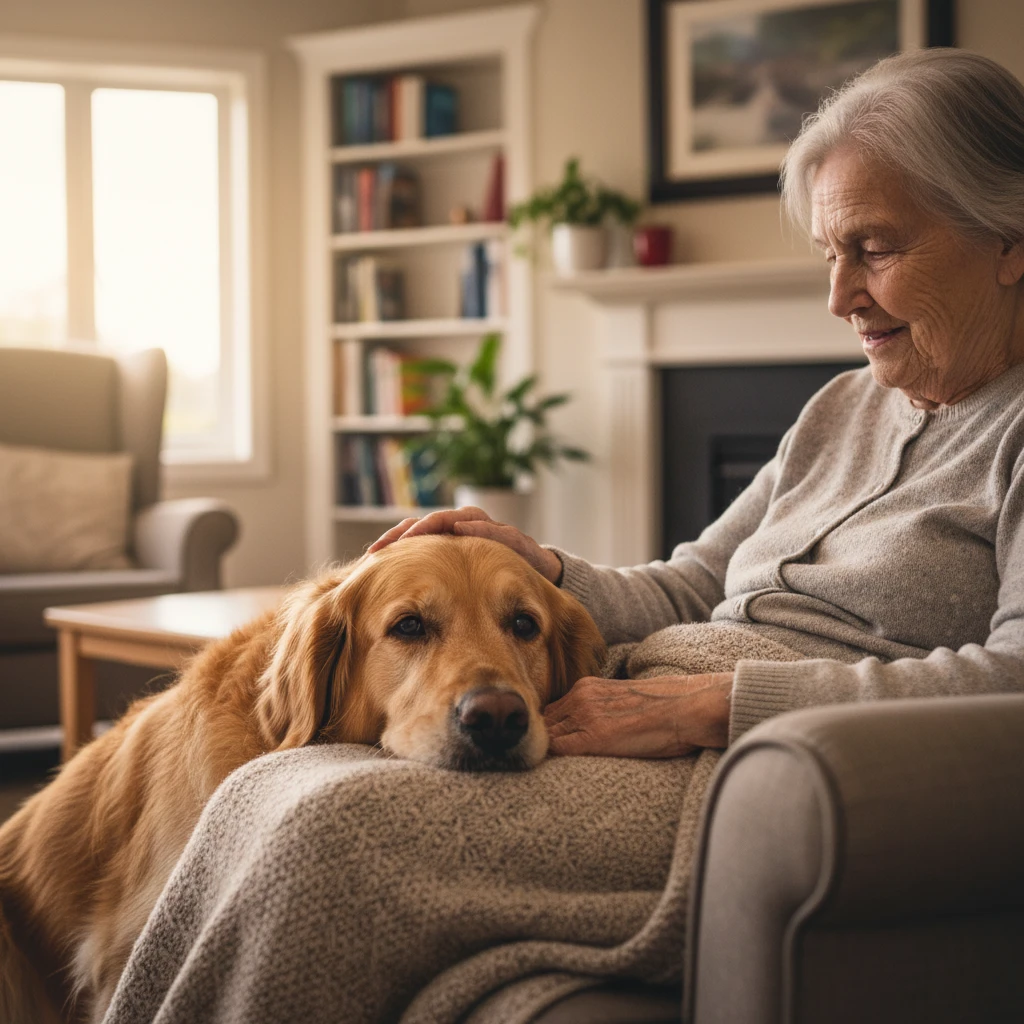
To understand the value of investing in therapy dog programs, one must look at the physiological responses triggered by human-animal interaction. Research conducted globally, and supported by New Zealand health initiatives, indicates that interaction with a friendly animal releases oxytocin—often referred to as the “love hormone.”
For a person with dementia, whose brain is often in a state of heightened stress or confusion, this chemical release is crucial. Simultaneously, cortisol levels (the stress hormone) decrease. This biochemical shift can lead to lowered blood pressure and a reduction in the agitation often associated with Alzheimer’s disease and vascular dementia. Unlike human caregivers, who may inadvertently convey stress or impatience, a therapy dog offers a consistent, calm presence that does not judge cognitive decline.
Managing Sundowning Behavior
What is Sundowning and How Do Dogs Help?
“Sundowning” refers to a symptom of dementia characterized by increased confusion, anxiety, and aggression that occurs in the late afternoon and early evening. It is one of the most challenging behaviors for staff in NZ rest homes to manage, often leading to the increased use of sedative medications.
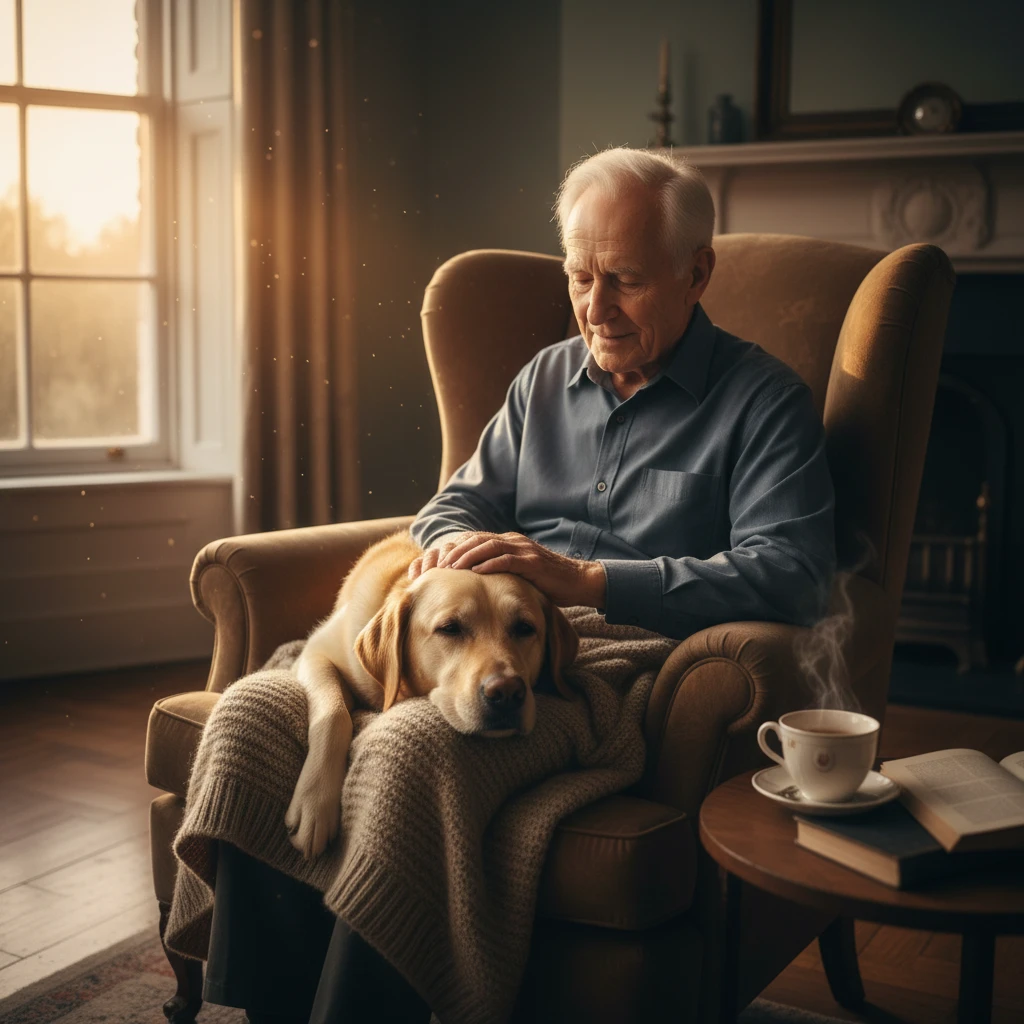
Therapy dogs are increasingly used as a strategic intervention during these critical hours. By scheduling therapy dog visits during the late afternoon—the “witching hour” for sundowning—care facilities can disrupt the cycle of anxiety. The presence of a dog provides a tangible focal point for the resident. Instead of pacing or fixating on the desire to “go home,” the resident directs their attention to the tactile sensation of stroking the dog’s fur.
This rhythmic petting is a self-soothing behavior. It grounds the individual in the present moment. Furthermore, the dog requires no verbal explanation or rationalization, which relieves the resident of the pressure to communicate coherently during a time of high cognitive fatigue. Establishing a routine where a therapy dog is present during shift changes (a common trigger for sundowning) can significantly reduce behavioral incidents.
Stimulating Memory and Conversation
One of the most profound benefits of therapy dogs for dementia NZ services is their ability to unlock dormant memories. Many seniors in New Zealand grew up on farms or had family pets. The scent, touch, and sight of a dog can act as a powerful mnemonic trigger, bypassing short-term memory deficits to access long-term memories.
Reminiscence Therapy via Animal Interaction
When a resident interacts with a therapy dog, it often sparks spontaneous conversation. A resident who has been non-verbal for days may suddenly begin telling stories about “old Buster” or the farm dogs they worked with in their youth. This is known as Reminiscence Therapy.
For care staff and family members, these moments are invaluable. They provide a window into the person the resident was before the disease took hold. The dog acts as a social lubricant; residents who might usually isolate themselves in their rooms are drawn to communal areas to see the animal. This shared interest fosters social cohesion among residents, reducing the intense loneliness that often accompanies aged care living.
The conversation is not limited to the past. Residents often engage in “here and now” communication with the dog, giving commands or praising the animal. This maintenance of verbal skills is critical in slowing the progression of aphasia (loss of ability to understand or express speech).
Visiting Programs for Rest Homes in NZ
For commercial aged care providers in New Zealand, implementing a therapy dog program requires navigating logistics, certification, and partnerships. There are generally two models: volunteer organizations and private professional therapy services.
Partnering with Organizations
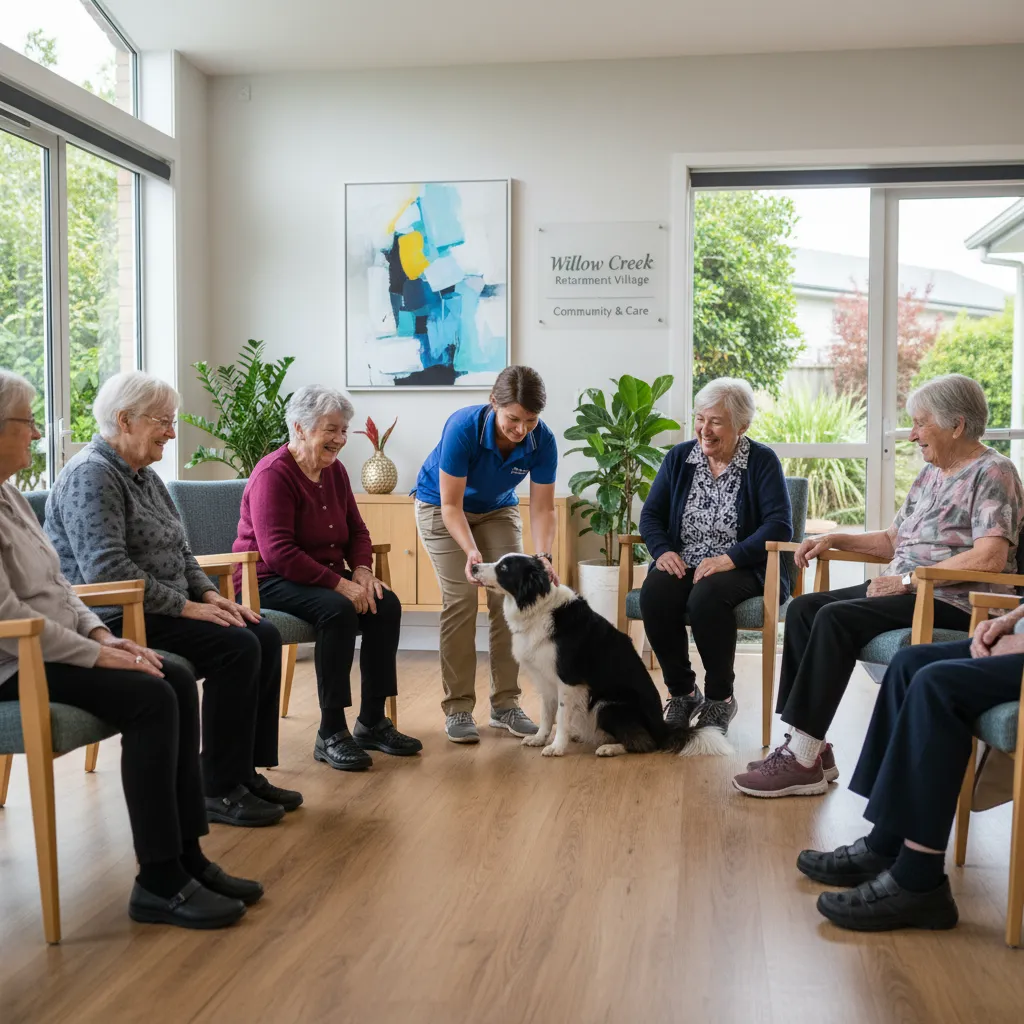
In New Zealand, the two primary bodies facilitating these interactions are St John Therapy Pets and Canine Friends Pet Therapy. These organizations have rigorous vetting processes to ensure the safety of both the residents and the animals.
- Temperament Testing: Not every friendly dog is a therapy dog. Animals must pass strict tests to ensure they remain calm around wheelchairs, walking frames, sudden noises, and erratic movements common in dementia wards.
- Handler Training: The human half of the team is just as important. Handlers are trained to recognize signs of fatigue in their dogs and to navigate the complexities of an aged care environment, including infection control protocols.
- Scheduling: Commercial facilities must look at integrating these visits into the lifestyle calendar. Regularity is key; residents with dementia may not remember the exact time, but they often develop an emotional anticipation for the visit.
Palliative Care Support
Dementia is a terminal condition, and in the later stages, care shifts from active management to palliative comfort. Therapy dogs play a unique role in end-of-life care. At this stage, verbal communication may be impossible, and the resident may be bedbound.
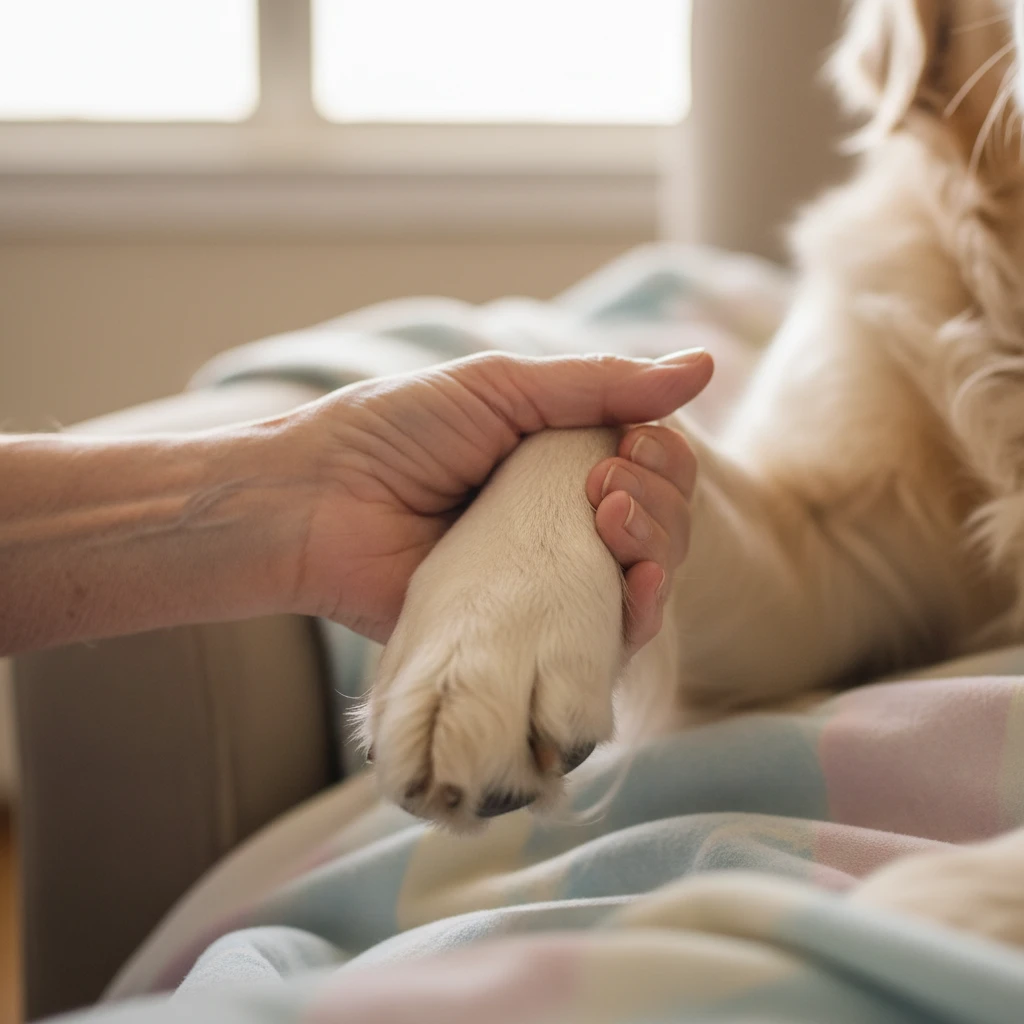
Therapy dogs trained for palliative environments are capable of stillness. They can be placed on the bed (on a protective barrier) to lie alongside the resident. The warmth and weight of the dog provide a deep sense of comfort and security. This contact lowers the heart rate and can help regulate breathing.
For the families keeping vigil, the presence of a therapy dog provides a necessary emotional break. It allows them to step out of the role of “griever” for a moment and simply interact with a friendly animal. This holistic approach to dying supports the entire ecosystem of care surrounding the patient.
Implementation and Safety Protocols
For New Zealand care facilities looking to contract therapy dog services, adherence to Health and Safety at Work Act 2015 is mandatory. Introducing animals into a clinical environment carries risks that must be mitigated.
Infection Control and Hygiene
Strict protocols must be in place regarding zoonotic diseases. All therapy dogs operating in NZ aged care must be fully vaccinated, wormed, and flead. Hand hygiene is paramount; residents should be encouraged or assisted to wash their hands after petting the dog. Furthermore, dogs should not enter dining areas during meal times to comply with food safety regulations.
Risk Assessment
Facilities must conduct a risk assessment for each resident. Some residents may have allergies or a phobia of dogs. These residents’ rights must be respected, ensuring they have a “safe zone” where they will not encounter the animal. Conversely, care plans for residents who benefit from the therapy should explicitly state the goals of the interaction (e.g., “To reduce anxiety during shift change”).
Conclusion
The inclusion of therapy dogs for dementia NZ programs represents a shift towards person-centered care. By moving beyond purely medical models and embracing the holistic benefits of the human-animal bond, New Zealand aged care providers can offer superior support for residents. Whether it is managing the distress of sundowning, unlocking memories through reminiscence, or providing silent comfort at the end of life, these specially trained animals are invaluable assets to the healthcare team. For facilities, the investment in these programs yields returns in the form of happier residents, calmer environments, and grateful families.
Frequently Asked Questions (PAA)
What is the difference between a service dog and a therapy dog for dementia?
A service dog is trained to perform specific tasks for one individual with a disability (like guiding the blind). A therapy dog is trained to provide comfort and affection to many different people in clinical settings, such as rest homes and hospitals. Therapy dogs in NZ do not have the same public access rights as service dogs.
How much does it cost to have a therapy dog visit a rest home in NZ?
Costs vary significantly. Non-profit organizations like Canine Friends Pet Therapy often operate on a volunteer basis or ask for a small donation/subscription to cover administrative costs. Private professional animal-assisted therapy providers will charge commercial hourly rates, which can range from $80 to $150+ NZD per session depending on the qualification of the therapist.
Can a resident bring their own dog into a New Zealand care facility?
This depends entirely on the facility’s policy. Some “pet-friendly” retirement villages allow residents to bring pets if they can care for them. However, in higher-level dementia care units, personal pets are rarely allowed to live on-site due to safety and care concerns, making visiting therapy dogs the preferred option.
Are therapy dogs safe for seniors with fragile skin?
Yes, but precautions are taken. Therapy dogs are trained not to jump or paw at people. Handlers are vigilant about positioning the dog to avoid scratches. Additionally, residents’ arms can be covered with a blanket or towel before the dog rests its head to protect fragile skin (skin tears).
What breeds are best for dementia therapy dogs?
Temperament is more important than breed. However, Golden Retrievers, Labradors, and Cavalier King Charles Spaniels are popular in NZ due to their gentle nature. Poodles and Oodle crosses are also highly valued in clinical settings because they are low-shedding and hypoallergenic.
How do I get my dog certified as a therapy dog in NZ?
To get certified, you generally need to apply through an organization like St John or Canine Friends Pet Therapy. The process involves an initial application, a temperament assessment of the dog, a police vet check for the handler, and on-site training/mentoring visits to ensure the team is safe and effective.