
A Disability Assist Dog identification tag in New Zealand is an official certification issued exclusively by organizations listed in Schedule 5 of the Dog Control Act 1996. These specific tags grant certified dogs full legal access to public places, public transport, and accommodation, distinguishing legitimate working dogs from pets, therapy dogs, or emotional support animals.
In New Zealand, the distinction between a beloved family pet and a working Disability Assist Dog is not just a matter of training—it is a matter of law. For individuals relying on these highly skilled animals, the disability assist dog tag nz represents their passport to independent living. It ensures they can enter supermarkets, board flights, and dine in restaurants without discrimination.
However, confusion abounds regarding who issues these tags, which dogs qualify, and the legal standing of therapy dogs versus assistance dogs. This comprehensive guide clarifies the regulations, lists authorized issuers, and helps business owners and the public identify legitimate tags.
What is a Disability Assist Dog Tag?
A Disability Assist Dog tag is more than a piece of metal or plastic attached to a collar; it is a legal document in physical form. In New Zealand, this identification certifies that a dog has undergone rigorous training to perform specific tasks that mitigate a person’s disability. Unlike standard council registration tags, these tags signal to the public and business owners that the animal is a working professional, not a pet.
The primary purpose of the tag is to facilitate the rights granted under the Human Rights Act 1993 and the Dog Control Act 1996. These laws ensure that people with disabilities are not discriminated against because they are accompanied by a certified dog. The tag serves as immediate visual proof of this status.

The Visual Components of a Valid Tag
While designs may vary slightly between organizations, a legitimate disability assist dog tag in NZ generally features specific elements. It will typically display the logo of the certifying organization (such as Blind Low Vision NZ or Assistance Dogs NZ), the dog’s name, and a unique registration number. It is often worn in conjunction with the standard local council registration tag, which assist dogs are also required to have (though often at a reduced or zero fee).
Authorized Organizations: Who Can Issue Tags?
One of the most common misconceptions is that any dog trainer or online registry can issue a valid disability assist dog tag. This is incorrect. In New Zealand, only specific organizations listed in Schedule 5 of the Dog Control Act 1996 are legally authorized to certify Disability Assist Dogs. If a tag does not come from one of these bodies, the dog does not have the automatic legal right of public access.
Currently, the organizations authorized to issue these tags include:
- Blind Low Vision NZ (formerly the Blind Foundation): They issue tags for Guide Dogs that assist people who are blind or have low vision.
- Assistance Dogs New Zealand Trust (ADNZT): This organization trains dogs for people with various disabilities, including autism, diabetes, and other medical conditions.
- Hearing Dogs for Deaf People New Zealand: These dogs are trained to alert deaf or hard-of-hearing individuals to specific sounds like smoke alarms, doorbells, or crying babies.
- New Zealand Epilepsy Assist Dog Trust: Specializing in dogs that assist people living with severe epilepsy, often by alerting to or managing seizures.
- Mobility Assistance Dogs Trust: These dogs assist people with physical disabilities, helping with tasks like opening doors, retrieving items, and pressing buttons.
- Perfect Partners Assistance Dogs Trust: Another recognized entity providing trained assistance dogs.
- K9 Medical Detection New Zealand: Utilizing canine olfaction for medical alert purposes.
It is vital to understand that a certificate downloaded from an overseas website or a “service dog registry” has no legal standing in New Zealand. Only the organizations listed above have the authority to grant the public access rights associated with the disability assist dog tag nz keyword.
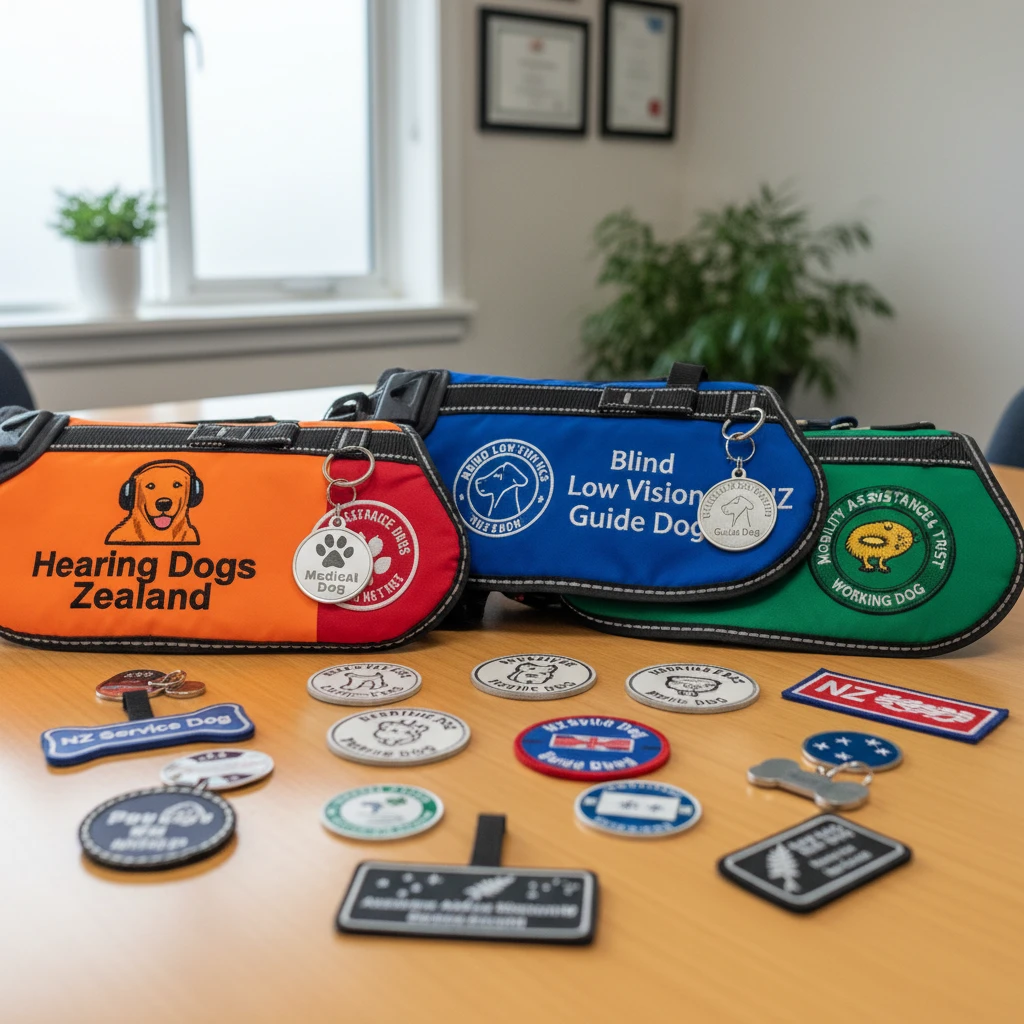
The Legal Framework: Dog Control Act 1996
The legislation surrounding assistance dogs in New Zealand is robust but specific. Section 2 of the Dog Control Act 1996 defines a “disability assist dog” strictly as a dog certified by one of the organizations mentioned in Schedule 5. This definition is the cornerstone of access rights.
Section 75: Access Rights
Under Section 75 of the Act, a disability assist dog is entitled to accompany its handler into any public place. This overrides any local bylaws or business policies that generally prohibit dogs. This includes:
- Restaurants, cafes, and bars (Food Act 2014 exemptions apply).
- Supermarkets and retail stores.
- Public transport (buses, trains, ferries, and taxis).
- Cinemas, libraries, and sports grounds.
- Hotels, motels, and rental accommodation.
Denying access to a person with a certified disability assist dog is considered discrimination under the Human Rights Act 1993. However, this protection hinges entirely on the dog being a certified disability assist dog. This is why the identification tag is so critical—it is the bridge between the dog and the law.
Therapy Dogs vs. Assist Dogs: The Critical Distinction
For those in the “Therapy Dogs New Zealand” market niche, it is essential to distinguish between a Therapy Dog, an Emotional Support Animal (ESA), and a Disability Assist Dog. These terms are often used interchangeably by the public, but legally, they are worlds apart.
Why Therapy Dogs Do Not Qualify for Tags
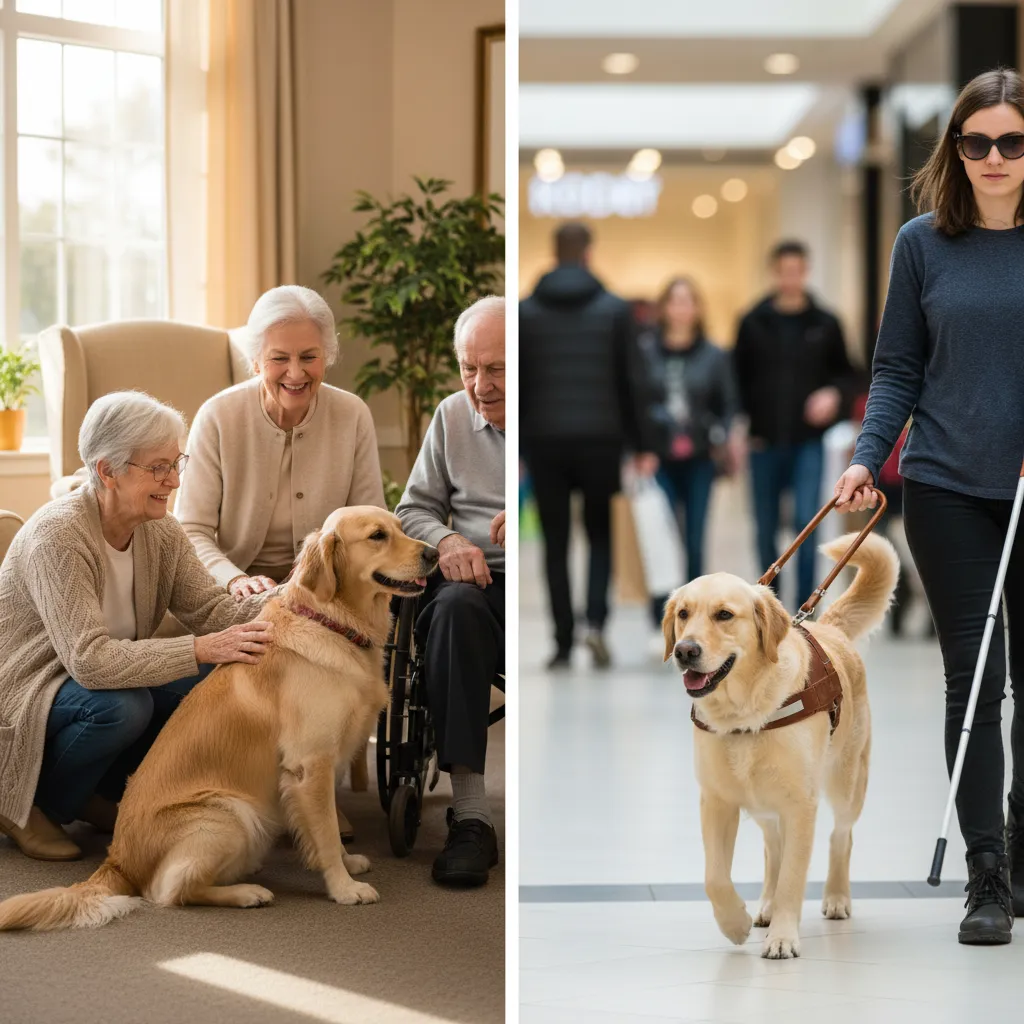
Therapy dogs are trained to provide comfort and affection to people in hospitals, retirement homes, schools, and disaster areas. They do incredible work and provide immense value to mental health. However, they are not covered under the Dog Control Act 1996 as Disability Assist Dogs.
Here is the breakdown:
- Disability Assist Dog: Trained to perform specific tasks for one specific person with a disability (e.g., guiding the blind, alerting to sounds). They have full public access rights.
- Therapy Dog: Trained to interact with many people to provide comfort. They only have access to places where they are explicitly invited (e.g., a hospital ward that has approved the visit). They do not have public access rights to supermarkets or cafes.
- Emotional Support Animal (ESA): A pet that provides comfort to its owner. In New Zealand, ESAs are treated as pets under the law. They have no special access rights and do not qualify for disability assist dog tags.
Because therapy dogs do not mitigate a specific disability for their handler in a way that requires 24/7 accompaniment, they are not issued Disability Assist Dog tags. Handlers of therapy dogs should not attempt to pass their dogs off as assistance dogs, as this undermines the integrity of the system and makes life harder for those who genuinely rely on assistance dogs for independence.
Spotting Fake ID Vests and Tags
With the rise of online commerce, there has been a troubling increase in the availability of fake “Service Dog” vests and ID tags. A quick search online reveals dozens of sites selling official-looking badges that promise to let you take your dog anywhere. In New Zealand, these purchased tags are legally worthless.
Red Flags for Business Owners
If you are a business owner or landlord, you have the right to verify that a dog is a legitimate Disability Assist Dog. Here is how to spot potential fakes:
- The “Registry” Name: If the tag says “International Service Dog Registry” or “New Zealand Service Dog Support” (a generic, non-schedule 5 name), it is likely not a legal document for public access in NZ. Look for the specific organizations listed in Schedule 5 (e.g., Blind Low Vision NZ, Mobility Dogs).
- Behavior: Legitimate assist dogs are trained to be unobtrusive. They stay by their handler’s side, do not bark (unless alerting), do not sniff food, and do not seek attention from others. A dog that is pulling on the leash, barking at customers, or jumping up is likely not a certified assist dog, regardless of what vest it is wearing.
- The ID Card: A real ID card will usually have a photo of the dog, the handler’s name, and the logo of the certifying organization.
Using a fake tag is not a victimless act. It damages the reputation of legitimate teams. If a poorly trained dog with a fake tag bites a customer or defecates in a store, the business owner may become hesitant to allow a legitimate guide dog in the future.

Access Rights and Responsibilities
The possession of a valid disability assist dog tag nz brings with it both rights and responsibilities. It is a two-way street that requires cooperation between the handler and the public.
For the Handler
Handlers must ensure their dog is clean, well-groomed, and identifiable. While the dog is working, it should be wearing its coat, harness, or tag. The handler is responsible for the dog’s behavior at all times. If a disability assist dog causes damage or behaves aggressively, the business owner has the right to ask them to leave, just as they would any disruptive customer.
For the Public and Business Owners
The public should follow the “no touch, no talk, no eye contact” rule when they see a dog with a coat or tag. Distracting a working dog can be dangerous for the handler. For business owners, it is important to educate staff that these dogs are allowed. Refusing entry or service to a certified team is a breach of the Human Rights Act and can lead to legal action and significant fines.
Housing and Rental Laws
Under the Residential Tenancies Act, landlords cannot unreasonably discriminate against tenants. While “no pets” clauses are common, they generally cannot be enforced against certified Disability Assist Dogs. The dog is considered a medical aid, not a pet. However, the tenant usually must prove the certification—which is where the valid tag from a Schedule 5 organization becomes essential.
Conclusion
The disability assist dog tag nz is a powerful symbol of independence and a critical legal tool. It distinguishes the highly trained professionals of the dog world from family pets and therapy animals. For the system to work, it requires understanding from all sides: handlers must maintain their dog’s training and certification, business owners must respect the access rights these tags confer, and the general public must understand that not every dog in a vest is a service dog. By respecting the strict standards set by the Dog Control Act 1996 and the authorized organizations, we ensure that those who truly need these amazing animals can navigate New Zealand safely and freely.
Frequently Asked Questions
Can I get a disability assist dog tag for my therapy dog?
No. Therapy dogs do not qualify for Disability Assist Dog tags in New Zealand. These tags are reserved for dogs trained to assist a specific person with a disability and are issued only by organizations listed in Schedule 5 of the Dog Control Act 1996.
Do emotional support animals (ESAs) have public access rights in NZ?
No. New Zealand law does not recognize Emotional Support Animals as Disability Assist Dogs. ESAs are legally considered pets and do not have the right to enter businesses, restaurants, or public transport where pets are prohibited.
How much does a disability assist dog tag cost?
The tag itself is usually part of the certification process provided by the authorized organization (e.g., Mobility Dogs or Blind Low Vision NZ). The cost is not for the tag alone but covers the extensive training and assessment of the dog. Local council registration for certified assist dogs is often free.
Can a landlord refuse a tenant with a disability assist dog?
Generally, no. Under the Human Rights Act, refusing a tenancy solely because of a certified Disability Assist Dog is considered discrimination. The “no pets” rule does not apply to certified assistance dogs, as they are viewed as medical aids.
What should I do if I see a fake service dog tag?
If you suspect a dog is using a fake tag, particularly if it is misbehaving in a business, you can report it to the local council’s animal control or the business manager. However, be cautious, as some disabilities are invisible. The key indicator is usually the dog’s behavior and the specific branding on the tag.
Are owner-trained service dogs recognized in NZ?
New Zealand law (Dog Control Act 1996) requires the dog to be certified by one of the specific organizations listed in Schedule 5. While you can train your own dog, it must eventually pass an assessment and be certified by one of these authorized bodies to gain full legal public access rights.