
Therapy dog laws in New Zealand do not grant these animals automatic public access rights under the Dog Control Act 1996. Unlike certified assistance dogs, which accompany people with disabilities into all public places, therapy dogs are considered pets legally and require specific permission from business owners or facility managers to enter premises.
Navigating the legal landscape of canine companionship in New Zealand can be complex. Whether you are a handler looking to volunteer in hospitals, a business owner unsure of your obligations, or a tenant seeking accommodation, understanding the distinction between therapy dogs, assistance dogs, and emotional support animals is critical. This guide provides a comprehensive analysis of the current legislation, access rights, and responsibilities associated with therapy dogs in Aotearoa.
The Three Categories: Therapy, Assistance, and ESA
To understand therapy dog laws in NZ, one must first distinguish between the three primary classifications of working and support dogs. Confusion between these categories often leads to illegal access attempts and misunderstandings with business owners. In New Zealand law, these distinctions are rigid.

What is a Certified Assistance Dog?
An Assistance Dog (often called a Service Dog in other jurisdictions) is the only category afforded full public access rights under New Zealand legislation. These dogs are specifically trained to perform tasks for a person with a disability. This includes guide dogs for the blind, hearing dogs for the deaf, and mobility assistance dogs.
Under the Dog Control Act 1996 and the Human Rights Act 1993, an assistance dog is viewed as an extension of the person. Denying access to a certified assistance dog is illegal and constitutes discrimination. Organizations authorized to certify these dogs include:
- Blind Low Vision NZ
- Assistance Dogs New Zealand Trust
- Hearing Dogs for Deaf People NZ
- K9 Medical Detection New Zealand
What is a Therapy Dog?
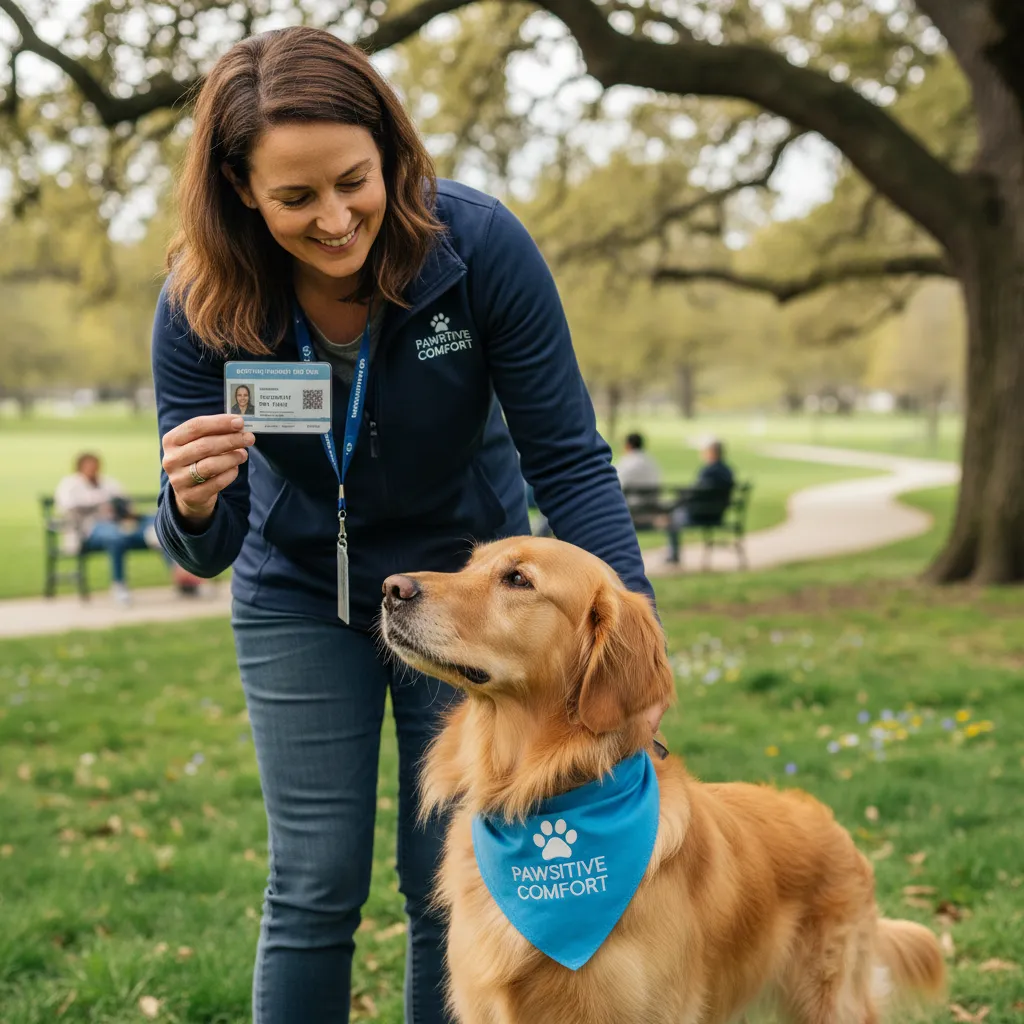
A Therapy Dog is trained to provide comfort, affection, and support to people other than its handler. These dogs typically work in clinical settings, such as hospitals, nursing homes, schools, and hospices. While they undergo temperament testing and obedience training, they do not have public access rights.
Therapy dogs are legally classified as pets when they are not actively working in a facility that has granted them permission. A therapy dog handler cannot walk into a supermarket, café, or shopping mall claiming legal access rights. Their presence is entirely at the discretion of the business owner.
What is an Emotional Support Animal (ESA)?
An Emotional Support Animal (ESA) is a pet that provides comfort to an owner with a mental health condition. Unlike assistance dogs, ESAs are not trained to perform specific tasks to mitigate a disability. Crucially, New Zealand law does not recognize ESAs.
There is no legal framework in NZ that grants ESAs access to public places or rental properties. While a medical professional may write a letter supporting the need for an ESA, this document carries no legal weight regarding public access under the Dog Control Act.
The Dog Control Act 1996 and Disability Rights
The primary piece of legislation governing dogs in New Zealand is the Dog Control Act 1996. For handlers, understanding Section 75 is vital to interpreting why therapy dogs do not share the same privileges as assistance dogs.
Section 75: Disability Assist Dogs
Section 75 of the Act specifically overrides bylaws that might otherwise prohibit dogs in public places, but it applies exclusively to “disability assist dogs.” The Act defines a disability assist dog as a dog certified by one of the specific organizations listed in the Act (such as the ones mentioned previously).
Because therapy dogs are not certified to assist a specific individual with a disability in their daily life—but rather are used to help others in a therapeutic capacity—they fall outside the protection of Section 75. Consequently, local council bylaws regarding dogs in public places apply to therapy dogs just as they do to any household pet.

The Human Rights Act 1993
The Human Rights Act protects individuals from discrimination based on disability. This includes the use of disability assist dogs. If a café owner refuses entry to a blind person with a guide dog, they are breaching the Human Rights Act. However, if a handler attempts to bring a therapy dog into a café, the owner is within their rights to refuse entry, as the refusal is based on the animal’s status (a pet/therapy dog) and not on a disability of the handler.
Where Can Therapy Dogs Legally Go in NZ?
Given the legal distinctions, it is important to clarify exactly where a therapy dog can operate. The “work” of a therapy dog is valuable, but it is conducted by invitation only.
Private Businesses and Retail
In general, therapy dogs are prohibited from entering businesses where food is prepared or sold, such as restaurants, supermarkets, and cafes, unless the business has a specific pet-friendly policy. The Food Act 2014 places strict requirements on food safety, and while disability assist dogs are exempt, therapy dogs are not.
For non-food retail stores (e.g., hardware stores, clothing boutiques), entry is at the discretion of the management. Handlers should always ask for permission before entering and should never assume access is guaranteed.
Visiting Hospitals, Schools, and Care Facilities
This is the primary domain of the therapy dog. Access here is granted through formal agreements between the therapy dog organization (such as St John or Therapy Dogs New Zealand) and the facility.
Even within these environments, access is regulated. For example, a therapy dog visiting a hospital may be allowed in the rehabilitation ward or waiting areas but will be strictly prohibited from sterile environments like operating theatres or intensive care units. These visits are covered by the facility’s health and safety policies and the liability insurance held by the certifying therapy organization.

Rental Laws and Housing Rights
One of the most common questions regarding therapy dog laws in NZ pertains to the Residential Tenancies Act and the ability to rent a home with a therapy dog.
Can Landlords Refuse Therapy Dogs?
Yes, landlords in New Zealand can refuse to rent to tenants with therapy dogs. Unlike disability assist dogs, for which a landlord cannot unreasonably refuse tenancy, therapy dogs and ESAs are viewed as pets under tenancy law.
While recent changes to the Residential Tenancies Act aim to make it easier for tenants to have pets, landlords can still refuse a request if there are reasonable grounds (e.g., the property is not fully fenced, body corporate rules prohibit pets, or the house is too small). Tenants must request permission in writing (using the appropriate tenancy form), and the landlord has 21 days to respond.
Warning: Attempting to pass off a therapy dog or ESA as a “disability assist dog” to secure a rental is fraudulent and can lead to immediate termination of the tenancy if discovered, as well as potential legal action.
Certification and Liability
If therapy dogs don’t have public access rights, why pursue certification? Legitimate certification through recognized bodies like Therapy Dogs New Zealand or St John is essential for liability, safety, and professionalism.
Why Certification Matters
1. Liability Insurance: If your dog accidentally injures someone or damages property during a visit, personal pet insurance may not cover it if the dog was “working.” Accredited organizations provide public liability insurance for their registered teams.
2. Temperament Assessment: Facilities need assurance that a dog is safe. Certification proves the dog has passed rigorous temperament testing and can handle the stress of a clinical environment.
3. Access Approval: Most hospitals and schools will not allow a “freelance” therapy dog. They require the dog to be part of a recognized program to ensure health and hygiene standards (vaccinations, flea treatment) are met.
People Also Ask
Can I take my therapy dog into a supermarket in NZ?
No, generally you cannot. Therapy dogs do not have the same legal access rights as disability assist dogs. The Food Act 2014 restricts animals in food preparation and sales areas. Unless the specific supermarket has a pet-friendly policy (which is rare due to hygiene regulations), your therapy dog will be denied entry.
How do I register my dog as a therapy dog in NZ?
To register a therapy dog, you must go through an accredited organization such as Therapy Dogs New Zealand, St John, or Canine Friends Pet Therapy. The process typically involves a temperament assessment, obedience testing, handler training, and health checks (vaccinations and vet clearance).
Are emotional support animals recognized in NZ?
No, Emotional Support Animals (ESAs) are not legally recognized in New Zealand legislation. They do not have public access rights under the Dog Control Act 1996, nor are they protected under the Human Rights Act in the same way certified disability assist dogs are.
Can a landlord refuse a therapy dog in NZ?
Yes. Landlords can refuse therapy dogs as they are classified as pets. However, under recent tenancy law updates, landlords must provide reasonable grounds for refusing a pet request. They cannot simply say “no” without a valid reason related to the property or by-laws.
What is the fine for faking a service dog in NZ?
While New Zealand does not have a specific “fake service dog” fine codified in the same way some US states do, fraudulently claiming a dog is a disability assist dog to gain access can be considered fraud. Furthermore, if the dog causes damage or nuisance, the owner faces penalties under the Dog Control Act, including fines up to $3,000 or disqualification from dog ownership.
Do therapy dogs fly for free in NZ?
No. Air New Zealand and other domestic carriers do not recognize therapy dogs or ESAs as service animals. They must travel as pets, meaning they must be in a crate in the cargo hold or, if small enough, in a carrier as a paid carry-on item (depending on the airline’s specific pet policy). Only certified disability assist dogs fly in the cabin free of charge.