
The Invercargill therapy dog assessment is a comprehensive behavioral evaluation conducted by accredited Southland organizations to certify that a canine possesses the stable temperament, advanced obedience, and calm demeanor required for visiting high-sensitivity environments like hospitals, schools, and rest homes throughout the region.
What is the Invercargill Therapy Dog Assessment?
For dog owners in the Southland region looking to give back to their community, passing the Invercargill therapy dog assessment is the critical gateway. This evaluation is not merely a test of tricks or agility; it is a rigorous examination of a dog’s core character and their handler’s ability to manage them in unpredictable environments.
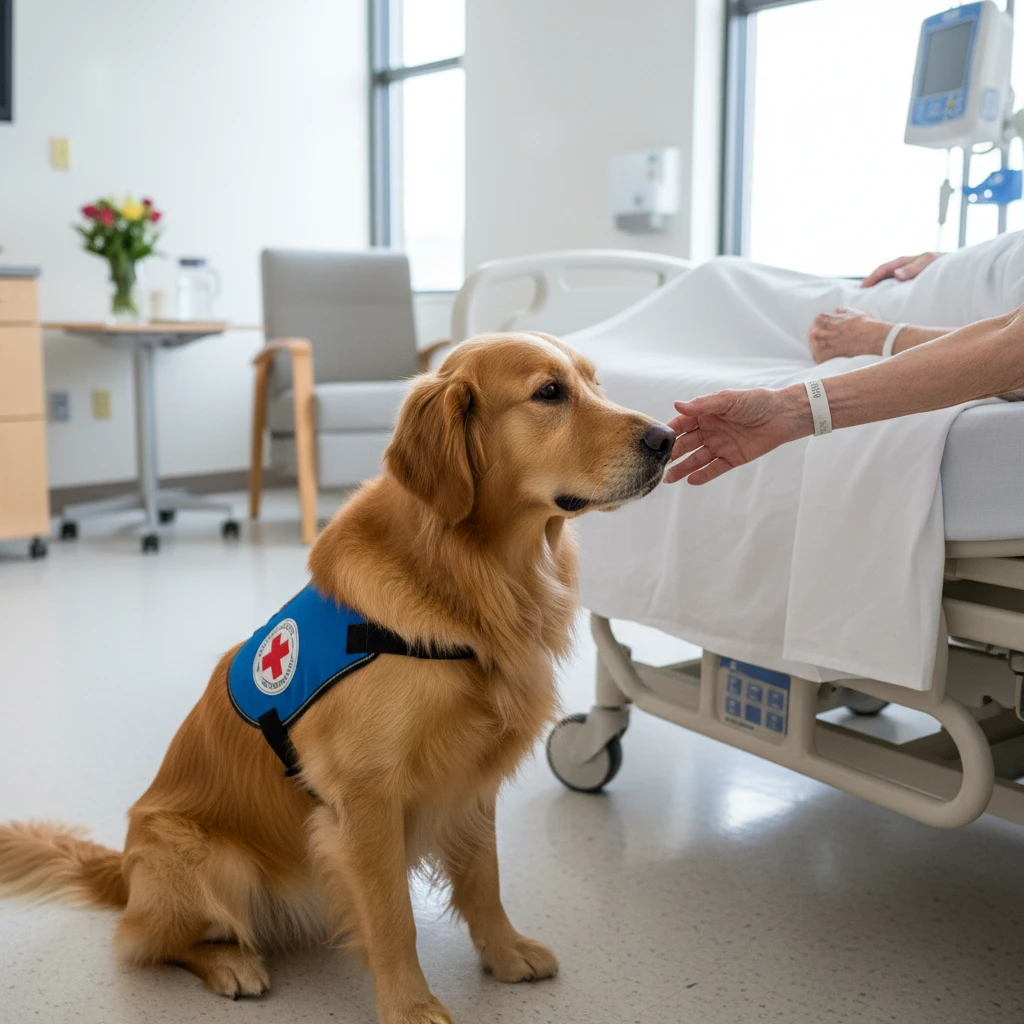
In New Zealand, organizations such as Hato Hone St John (Therapy Pets) and Canine Friends Pet Therapy require this assessment to ensure the safety of vulnerable populations. The assessment verifies that a dog is comfortable with strangers, unfazed by loud noises or medical equipment, and capable of providing emotional support without becoming overstimulated.
The goal is to accredit teams—handler and dog—who can safely visit facilities like Southland Hospital, local Invercargill schools, and retirement villages. The standards are high because the environments are complex. A therapy dog must remain a calming presence even when surrounded by the unfamiliar sights and smells typical of clinical settings.
Southland Assessment Dates and Locations
Assessments in Invercargill are typically scheduled periodically throughout the year, often aligning with volunteer intake cycles. Unlike larger metropolitan centers like Auckland, testing dates in Southland may be less frequent, making it essential to stay informed and book early.
Common Assessment Venues
Evaluations are usually held in environments that simulate the space constraints and distractions of a real visit. Common venues in Invercargill include:
- Community Halls: Locations such as the intricate halls in suburbia are often used to test indoor obedience on slippery floors.
- Public Parks: Sometimes used for initial temperament screening to test reactions to other dogs and traffic noise.
- Training Facilities: Local dog training clubs in Otatara or near the city center often host these events due to their suitable infrastructure.
Scheduling Frequency
Major organizations generally run assessments quarterly. However, demand in Invercargill has been rising. It is advisable to check the official schedules of Hato Hone St John or Canine Friends Pet Therapy at least two months in advance. Missing a cycle often means waiting another three to four months for the next opportunity.
How to Prepare for Your Therapy Dog Test in Invercargill
Preparation is the difference between a pass and a fail. Many well-behaved family pets fail the assessment not because they are aggressive, but because they are not prepared for the specific stressors of a therapy setting. Preparation involves desensitization and proofing obedience commands.
Mastering Essential Commands
Your dog must respond to commands immediately, without hesitation. The evaluator will be looking for the following:
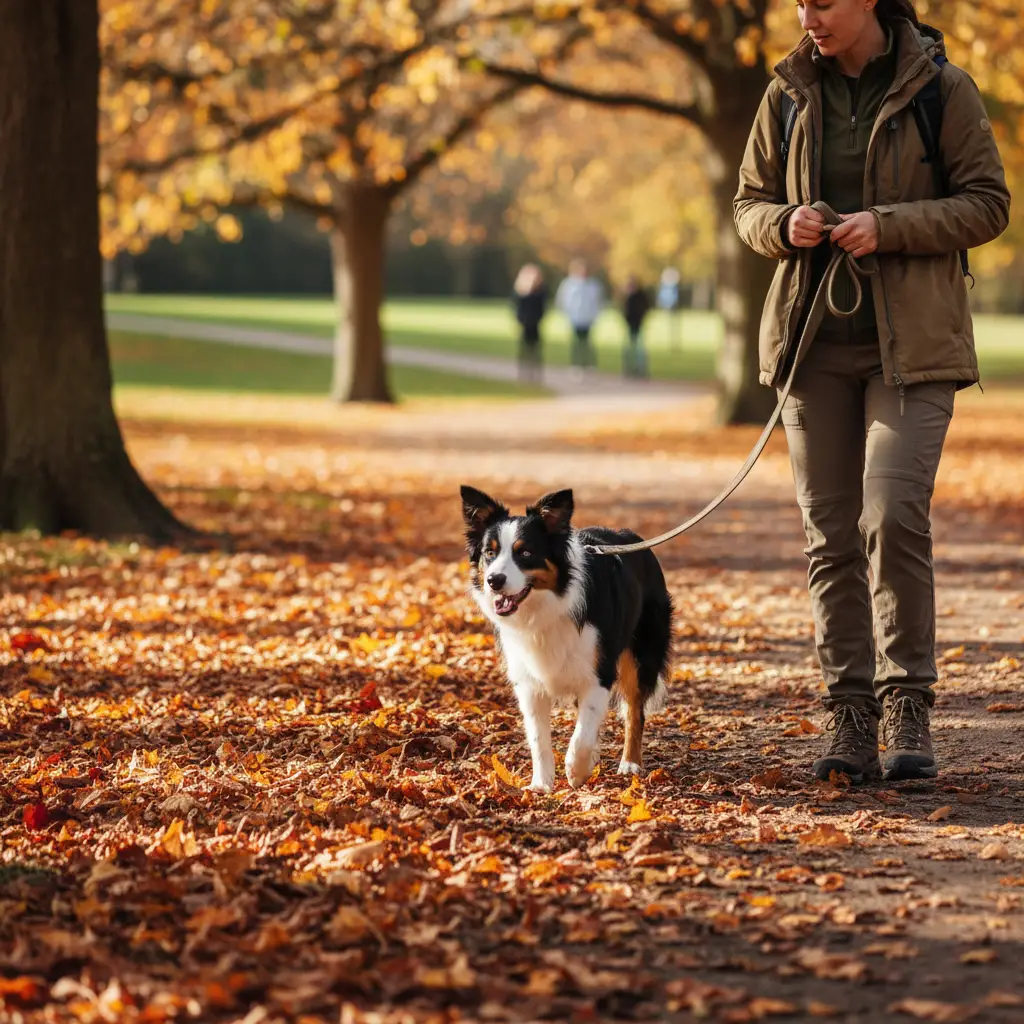
- Loose Leash Walking: The dog must walk by your side without pulling, regardless of distractions.
- Sit and Stay: The dog must remain in position while you walk away or while a stranger approaches.
- “Leave It”: Crucial for hospitals where pills or food might be dropped on the floor.
- Gentle Acceptance: The dog must accept rough petting or clumsy handling (simulating a child or a patient with limited motor control) without mouthing or pulling away.
Desensitization Training
Invercargill assessments often include a “medical equipment” component. To prepare for this, expose your dog to:
- Mobility Aids: Walk your dog around crutches, walkers, and wheelchairs. They should not fear the wheels or the sound.
- Sudden Noises: Drop a metal bowl or a clipboard nearby. The dog can be startled but should recover instantly and not show aggression or extreme fear.
- Unusual Gaits: Have friends walk with a limp or shuffle to simulate how patients might move.
The Evaluation Process: What to Expect on the Day
On the day of your Invercargill therapy dog assessment, arrive early to let your dog settle. The evaluation typically takes 30 to 45 minutes and is broken down into several scenarios designed to mimic a real-world visit.
1. The Meet and Greet
The evaluator will approach you to shake hands. Your dog must remain seated or standing calmly at your side. Jumping up on the evaluator is an immediate failure. This simulates meeting a nurse or a facility manager for the first time.
2. Grooming and Examination
The evaluator will examine the dog, checking ears, paws, and tail. This ensures the dog is clean, healthy, and tolerates handling by a stranger. This is vital as patients will often want to pet the dog’s head or hold their paws.
3. Walking Through a Crowd
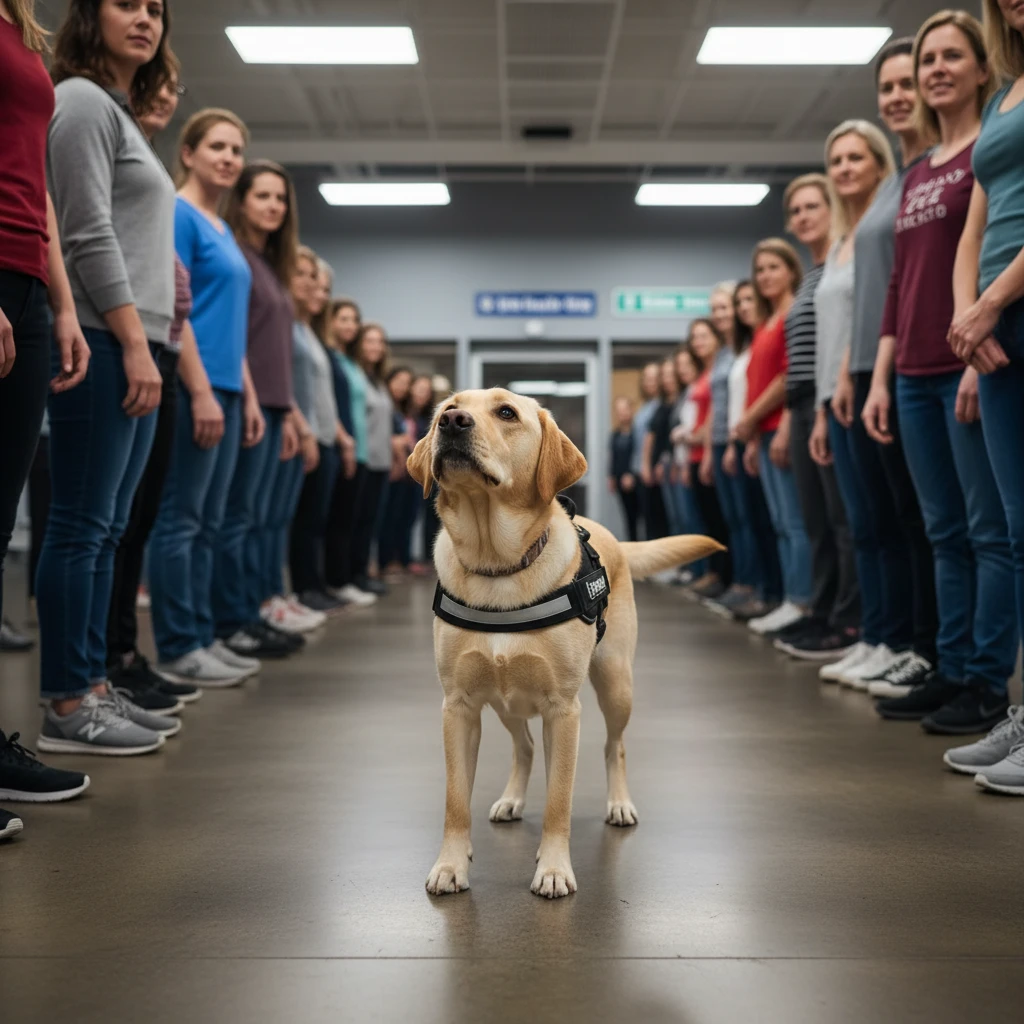
You will navigate through a group of people. The dog should walk on a loose leash and show casual interest without pulling toward people or shying away. In a crowded hospital corridor, a dog that weaves between legs creates a trip hazard.
4. Reaction to Distractions
During the test, a distraction will occur. This might be a jogger running past, a loud noise, or a person dropping an object. The evaluator assesses the dog’s recovery time. A therapy dog must remain stable. Aggression (growling, snapping) or extreme avoidance (cowering, trying to bolt) will result in disqualification.
5. Separation Anxiety Test
You may be asked to leave the room for 3 minutes while the evaluator holds the dog’s leash. The dog does not need to stay in a fixed position, but they must not whine, bark excessively, or show signs of panic. They should wait calmly for your return.
Booking Your Assessment Slot
Booking an assessment in Invercargill requires following a specific administrative process. Because these tests rely on volunteer evaluators, slots are limited.
Step-by-Step Booking Guide
- Choose Your Organization: Decide whether you are applying through St John, Canine Friends, or another local therapy group.
- Submit Application Forms: Complete the initial paperwork, which usually asks for your dog’s vaccination history, age (usually must be over 12 months), and veterinarian details.
- Vet Check: Most organizations require a signed form from your vet confirming the dog is in good health and free of parasites.
- Request an Assessment: Once your paperwork is processed, you will be invited to book an assessment slot. In Southland, this is often done via email or a regional coordinator’s phone number.
- Pay the Fee: Some assessments carry a small fee to cover venue hire and administration. Ensure this is paid prior to the date.
Evaluator Contact Details for the Southland Region
Finding the right contact person is the first step. While specific names change, the regional offices remain consistent. Below are the primary channels to contact for an Invercargill assessment.
Hato Hone St John (Southland)
St John runs one of the most prominent therapy pet programs. You can contact the Southern Regional office to inquire about the next intake.
- Region: South Island / Southland
- Department: Community Care / Therapy Pets
- Method: It is best to apply via their national website, selecting ‘Invercargill’ as your location, which routes your request to the local coordinator.
Canine Friends Pet Therapy
This organization focuses specifically on visiting hospitals and rest homes. They have a network of liaison officers throughout New Zealand.
- Local Liaison: Check the ‘Southland’ section of the Canine Friends website for the current Invercargill liaison officer’s email.

Tips for Success on Assessment Day
To maximize your chances of passing the Invercargill therapy dog assessment, consider these professional tips:
- Exercise Beforehand: Take your dog for a moderate walk before the test to burn off excess energy, but don’t exhaust them.
- Bring High-Value Treats: Even if treats aren’t allowed during the test itself (rules vary), having them for before and after creates a positive association.
- Dress Appropriately: Wear comfortable shoes and smart-casual clothing. You are being assessed as a handler just as much as your dog is being assessed.
- Stay Calm: Dogs absorb their handler’s anxiety. If you are nervous, your dog will be too. Breathe deeply and trust your training.
People Also Ask
How much does the therapy dog assessment cost in Invercargill?
Costs vary by organization. Some volunteer organizations like St John may offer the assessment for free or a nominal fee (e.g., $20-$50 NZD) to cover administrative costs, while private certification bodies may charge more. Always confirm with the specific organization upon application.
What breed of dog is best for therapy work?
There is no specific breed requirement. Any breed, from Chihuahuas to Great Danes, can become a therapy dog in Invercargill as long as they pass the temperament and obedience assessment. The dog’s individual personality is the deciding factor.
Can my rescue dog become a therapy dog?
Yes, rescue dogs make excellent therapy dogs. However, they must have been with you for a minimum period (usually 6 months) to ensure you have a strong bond and understand their triggers before attempting the assessment.
What happens if my dog fails the assessment?
Failure is not the end of the road. The evaluator will provide specific feedback on why the dog failed (e.g., pulling on the leash, jumping). You are typically encouraged to work on these areas and re-book the assessment at a later date.
Is there an age limit for therapy dogs?
Dogs must generally be at least 12 months old to ensure they have reached emotional maturity. There is usually no upper age limit, provided the dog is healthy and enjoys the work, though senior dogs should be monitored for fatigue.
Do I need special insurance for a therapy dog?
If you volunteer through a recognized organization like St John or Canine Friends, they typically provide public liability insurance for you and your dog while you are on official visits. Always verify this coverage before starting your visits.