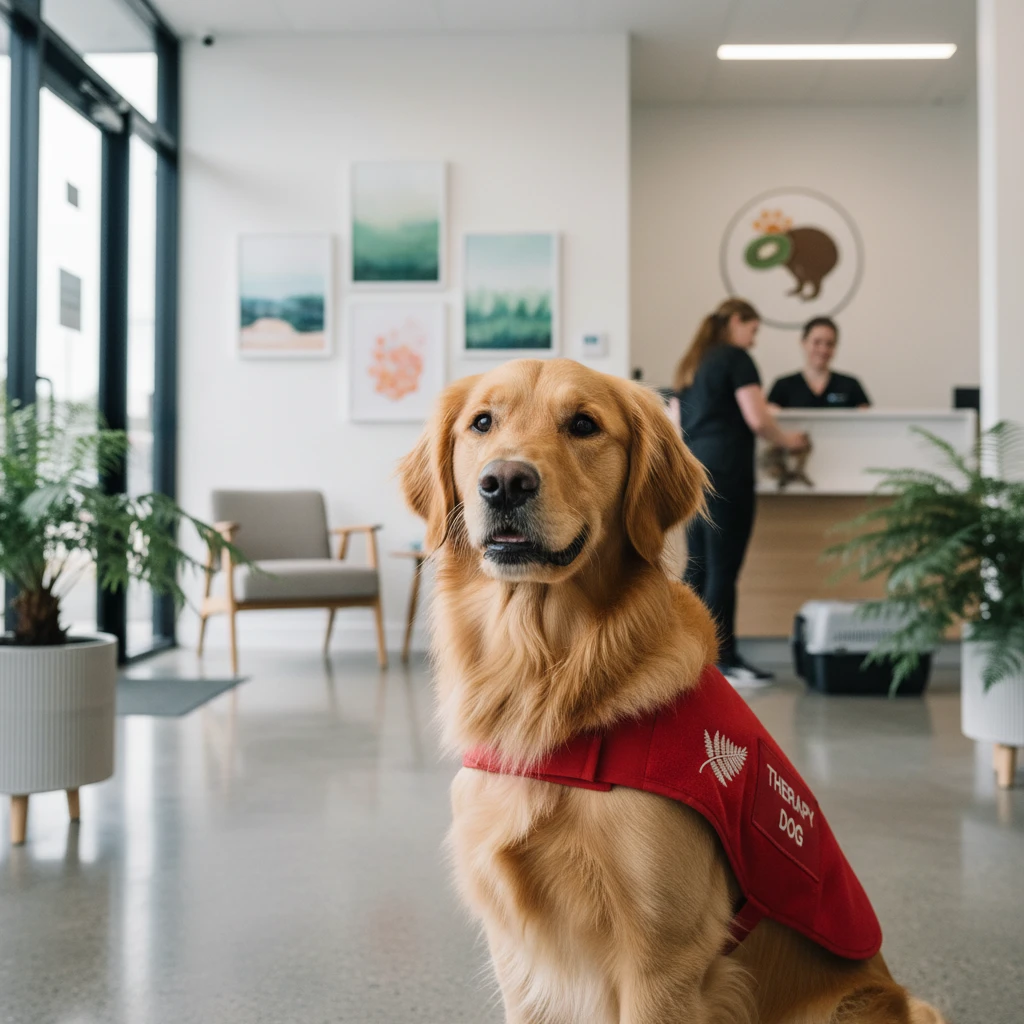
Crowdfunding for a therapy dog in New Zealand involves utilizing trusted platforms like Givealittle or GoFundMe to raise capital for acquisition and training costs, which often range between $20,000 and $50,000. Successful campaigns rely on transparent cost breakdowns, verified documentation from training organisations, and engaging storytelling that resonates with local Kiwi communities and media outlets.
For many New Zealand families, the addition of a therapy or assistance dog is not merely a lifestyle choice but a medical necessity. Whether for a child with autism, an individual with PTSD, or someone requiring seizure alerts, these specially trained animals provide independence and safety. However, the financial barrier to entry is significant. With costs often exceeding the price of a new vehicle, many Kiwis turn to the community for support.
This comprehensive guide explores the logistics, strategies, and legalities of how to crowdfund a therapy dog in NZ, ensuring your campaign is built for success from day one.
The Financial Reality: Why Crowdfunding is Necessary
Before launching a campaign, it is crucial to understand—and be able to articulate—why you are asking for money. In New Zealand, there is a distinction between a generic “pet” and a certified therapy or assistance dog. The latter undergoes rigorous training that can span up to two years.
Breakdown of Costs
When you set your fundraising goal, you must account for more than just the purchase price of a puppy. A transparent budget builds trust with potential donors. Typical costs in the NZ market include:
- Acquisition: $3,000 – $5,000 for a puppy from a reputable breeder with proven genetic health lines.
- Professional Training: $15,000 – $30,000. This includes basic obedience, public access testing (PAT), and disability-specific task training.
- Equipment: $500 – $1,000 for vests, harnesses, and specialized leads.
- Veterinary & Insurance: $2,000+ for the first year, including vaccinations, desexing, and comprehensive pet insurance.
- Travel: Costs associated with traveling to training centers (often located in major hubs like Auckland or Christchurch) for handler training.
While organisations like Assistance Dogs New Zealand Trust (ADNZT) or K9 Medical Detection NZ do incredible work, their waitlists are often closed or span several years. Consequently, many families opt for “owner-trained” models supported by private professional trainers, necessitating immediate private funding.
Choosing the Right Platform for NZ Fundraising
Your choice of platform dictates your fees, your reach, and the level of trust donors will have in your cause. In New Zealand, two primary contenders dominate the market.
Givealittle: The Kiwi Standard
Givealittle is the most recognized crowdfunding platform in New Zealand. It is owned by the Perpetual Guardian Foundation.
- Pros: immense brand trust among Kiwis. Donors know the platform and feel safe using it. It integrates well with NZ bank accounts.
- Cons: They charge a flat fee of 5% on the amount raised.
- Verdict: Generally the best option for therapy dogs because local donors trust the verification process.
GoFundMe: The International Giant
GoFundMe is a global platform that operates in New Zealand.
- Pros: 0% platform fee (though transaction fees of 2.9% + $0.30 apply). Better for campaigns that might have international donors (e.g., family in the UK or Australia).
- Cons: Slightly less “local” feel than Givealittle. Some older Kiwi donors may be less familiar with it.
- Verdict: A strong runner-up, specifically if you have a large overseas network.
Private Bank Transfers
Some families choose to simply post their bank account number on Facebook. Do not do this. It lacks transparency, makes it impossible to track progress publicly, and raises suspicion of scams. Always use a verified third-party platform to legitimize your request.

Crafting a Compelling Campaign Narrative
The success of your campaign to crowdfund a therapy dog in NZ hinges on your story. New Zealanders are known for their generosity, but they need to connect emotionally with the cause.
The Headline
Avoid generic titles like “Help us get a dog.” Be specific and emotive.
Bad: “Money for Dog Training”
Good: “Help Give Liam Independence: Funding a Seizure-Alert Dog”
The Structure of Your Story
- The Challenge: Briefly explain the medical condition or disability. How does it affect daily life? Be honest but dignified.
- The Solution: Explain specifically what the dog will do. Will it detect low blood sugar? Will it provide deep pressure therapy for anxiety? Concrete examples help donors understand the “value” of their donation.
- The Gap: Explain why you cannot fund this yourself. You don’t need to share your tax returns, but a simple explanation (e.g., “One parent has had to stop working to provide full-time care”) creates empathy.
- The Call to Action: Tell them exactly what the money pays for. “Your donation goes directly to the $15,000 training fee required by [Trainer Name].”
Marketing Strategies for the NZ Community
New Zealand is a “village.” Marketing here requires a specific tone—humble, authentic, and community-focused. Avoid aggressive sales tactics. Instead, focus on “Tall Poppy” friendly strategies that emphasize community effort.
Leveraging Local Media
Local newspapers (like community papers owned by Stuff or NZME) love human interest stories. A child needing a therapy dog is a compelling local news piece.
- Action Step: Write a press release. Include a high-resolution photo of the beneficiary. Send it to the editor of your local community paper. If they publish it, they will include the link to your Givealittle page.
Social Media and “Neighbourly”
Facebook is king for this demographic. Create a dedicated page for the dog’s journey (e.g., “Paws for Sophie”).
- Video Content: Post videos of the beneficiary. If you already have the puppy, post videos of training progress. Visual proof of work encourages donations.
- Neighbourly: This is a specific NZ app for neighborhoods. Posting your cause here targets people in your immediate geographical vicinity who are more likely to care.

Corporate Sponsorship
Don’t just ask individuals; ask NZ businesses. Many local businesses (real estate agents, tradies, cafes) look for local charities to support for tax purposes or community goodwill.
- The Pitch: Offer to put their logo on the dog’s training vest or mention them as a “Major Sponsor” on your social media page in exchange for a donation.
Legal and Tax Considerations
When you crowdfund a therapy dog in NZ, you are dealing with financial regulations. While we are not tax advisors, here are the general rules regarding fundraising in New Zealand.
Is it Taxable Income?
Generally, funds raised via crowdfunding for personal causes (like medical needs or a therapy dog) are considered “gifts” by the Inland Revenue Department (IRD) and are not subject to income tax. However, this relies on the premise that the donors receive nothing material in return.
Gift Duty
New Zealand abolished gift duty in 2011. This means donors do not have to pay tax on the money they give you, and you do not have to pay tax on the receipt of that money, provided it is a genuine gift.
GST Implications
If you start selling products to raise money (e.g., selling t-shirts to fund the dog), this may be considered “trading.” If your turnover exceeds $60,000, you might technically need to register for GST. For most families, this won’t be an issue, but it is safer to stick to donations rather than sales to avoid business tax complexities.
Logistics: Managing Funds and Trust
Trust is the currency of crowdfunding. If donors suspect the money isn’t going to the dog, your campaign will die. Here is how to manage the logistics professionally.
Direct Payments to Providers
The most trustworthy method of handling funds is to have the crowdfunding platform pay the provider directly, if possible. If not, post screenshots of the invoices from the breeder or trainer on your campaign page updates. Show the money leaving your account and going to the service provider.
Updates are Mandatory
Donors are investing in a journey. You must provide updates.
- Update 1: “We have reached 20%! Thank you!”
- Update 2: “We have selected our puppy! Here is a photo.”
- Update 3: “First vet visit complete. Invoice attached.”
Silence is suspicious. Even if fundraising is slow, post an update thanking the current donors.
What if you don’t reach the goal?
Have a contingency plan stated in your campaign description. If you need $20,000 but only raise $5,000, what happens to that money? Does it go to a general charity? Does it sit in a savings account until you save the rest? Be clear about this upfront to avoid disputes.

Success Stories: It Is Possible
Hundreds of New Zealand families have successfully navigated this path. From the “Paws for PTSD” campaigns supporting veterans to families in rural Otago raising funds for autism assistance dogs, the model works.
The common thread among successful campaigns is not the platform they used, but the community they built. They treated their fundraising not as a transaction, but as an invitation for the community to help raise a child (or help an adult regain their life). By combining the technical tools of Givealittle with the emotional honesty of a personal story, you can bridge the financial gap and secure the support you need.
People Also Ask (PAA)
Can I use my KiwiSaver to buy a therapy dog?
Generally, no. KiwiSaver withdrawal is restricted to first home purchases, retirement, or significant financial hardship. While you can apply for a hardship withdrawal, the criteria are strict and usually cover essential living costs (mortgage, rent, food) rather than the purchase of a service animal. You would need to consult your provider, but it is rarely approved for this specific purpose.
Does the NZ government fund therapy dogs?
Currently, there is very limited government funding for therapy dogs in New Zealand. The Ministry of Social Development (MSD) generally does not cover the cost of the dog or its training. However, once you have the dog, you may be able to claim the Disability Allowance to help cover ongoing costs like food and vet bills, provided a doctor certifies the dog is essential for the disability.
What is the difference between a therapy dog and an assistance dog in NZ?
This is a critical legal distinction. An Assistance Dog (certified under the Dog Control Act 1996) has full public access rights (shops, planes, cafes) and is trained to perform specific tasks for a disability. A Therapy Dog provides emotional support but does not have legal public access rights in New Zealand. Ensure you know which one you are fundraising for.
How much does a fully trained assistance dog cost in NZ?
If purchasing a fully trained dog from a private organization, costs can range from $25,000 to $50,000 NZD. If you are owner-training with the help of a professional, you can spread this cost over 18-24 months, but the total investment remains similar when factoring in training fees, travel, and equipment.
Is Givealittle better than GoFundMe for NZ campaigns?
For local campaigns, yes. Givealittle is a registered NZ charity and has higher trust recognition among New Zealanders. While GoFundMe has lower fees, some Kiwi donors are hesitant to donate to international platforms due to currency conversion confusion or lack of familiarity.
Do I have to pay tax on donations for a therapy dog?
In most cases, no. Donations made without the expectation of goods or services in return are considered gifts and are not liable for income tax in New Zealand. However, you should keep clear records of all funds received and spent in case of any IRD inquiries.