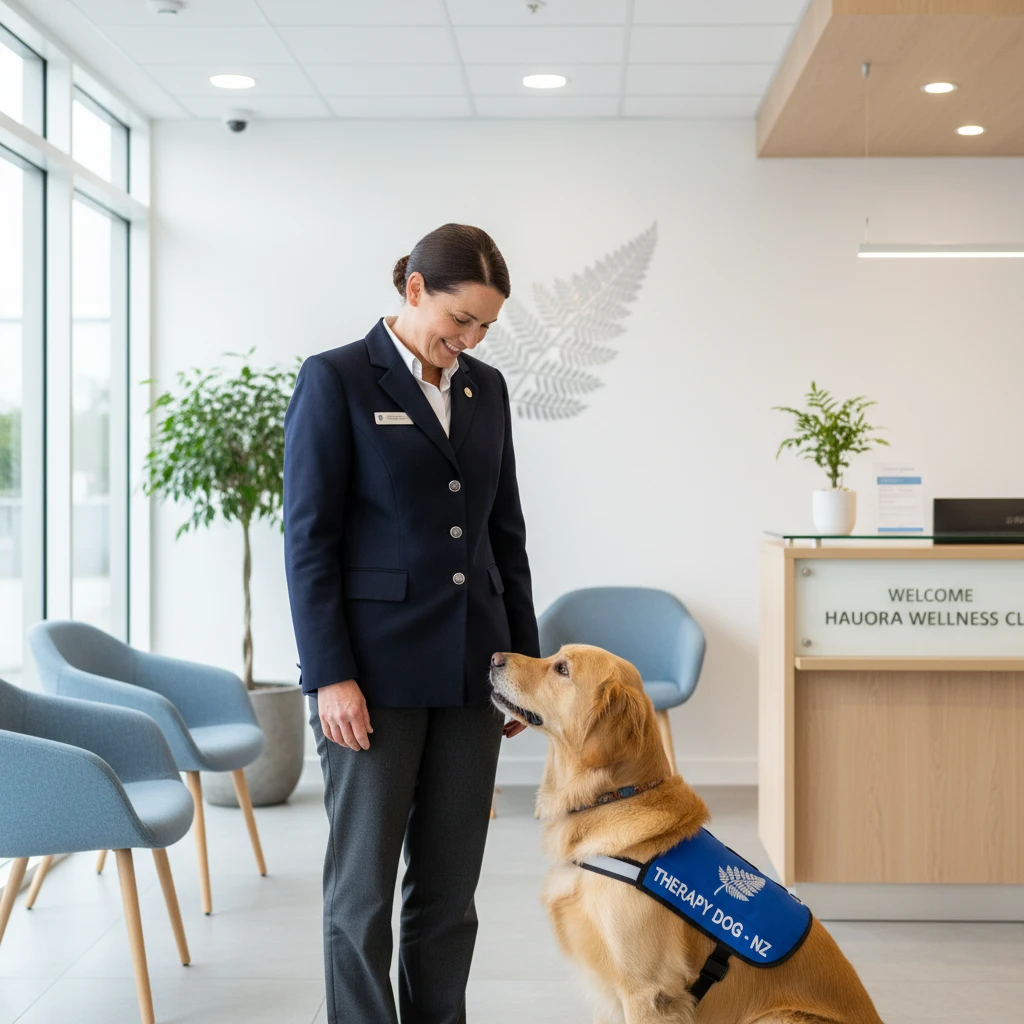
A comprehensive comparison of pet insurance for working dogs requires evaluating specific policy inclusions for commercial activity, public liability coverage, and higher limits for injury-related claims. In New Zealand, businesses must distinguish between standard domestic policies and specialized coverage that protects Animal Assisted Therapy (AAT) assets against occupational hazards, behavioral liabilities, and chronic conditions resulting from high-intensity work.
Introduction
For businesses operating in the Animal Assisted Therapy (AAT) sector or logistics involving working canines, a standard domestic pet insurance policy is rarely sufficient. Working dogs—whether they are therapy animals visiting healthcare facilities, mobility assistance dogs, or active logistical support animals—face a unique set of risks that differ significantly from the average household pet. From repetitive strain injuries to the heightened liability of interacting with the public, the insurance needs for these high-value assets are complex.
In New Zealand, the definition of a “working dog” can vary between insurers, often creating confusion between farm dogs and service animals. This guide provides a detailed comparison of pet insurance for working dogs, focusing on the specific needs of therapy dog businesses and logistical operations. We will analyze premium structures, coverage for behavioral health, and the financial efficiencies of multi-dog portfolios.

Understanding Working Dog Classifications in NZ
Before diving into price comparisons, it is critical to understand how New Zealand insurers classify working dogs. This classification dictates eligibility and exclusion clauses.
Farm Dogs vs. Service and Therapy Dogs
In the NZ market, the term “working dog” historically refers to farm dogs (Huntaways, Heading dogs) used for herding. Many insurers have specific, often lower-cost, policies for farm dogs due to their different living conditions and risk profiles. However, for Therapy Dogs and Assistance Dogs, the classification is more nuanced.
Most standard policies exclude dogs used for “commercial purposes” or “business use.” If your AAT business relies on a dog to generate income, a standard policy might be voided if an injury occurs on the job. You must seek providers who explicitly cover Service Dogs or offer endorsements for business use. This distinction is vital for liability; if a therapy dog accidentally injures a client or damages property, professional liability insurance (often separate from pet health insurance) becomes a factor, though some comprehensive pet policies offer third-party liability extensions.
The “Commercial Use” Exclusion
When comparing policies, scrutinize the Product Disclosure Statement (PDS) for the “Commercial Use” exclusion. A comprehensive comparison of pet insurance for working dogs must identify which insurers waive this for therapy animals. For example, some premium policies will cover dogs that accompany their owners to work (office dogs), but dogs that are the work (therapy dogs) require specialized underwriting or declaration.
Premium Costs for High-Use Working Dogs
The cost of insuring a working dog is invariably higher than a domestic pet due to the increased exposure to environmental hazards and the physical demands placed on the animal.
Analyzing the Cost Drivers
Several factors drive up premiums for working dogs in the logistics and therapy sectors:
- Breed Risk: Therapy work often utilizes breeds like Golden Retrievers, Labradors, and Poodles. These breeds are prone to specific hereditary conditions (e.g., hip dysplasia), which insurers factor into the base premium.
- Age and Activity Level: Working dogs remain active longer than sedentary pets. Insurers anticipate higher wear-and-tear on joints, leading to increased premiums as the dog ages.
- Coverage Limits: Businesses cannot afford to have a key asset out of action. Therefore, they often opt for the highest annual limits (e.g., $15,000+ per year), which significantly increases the monthly premium.

Cost-Benefit Analysis for Businesses
For a business, the premium is an operating expense. When conducting a comparison of pet insurance for working dogs, consider the excess (deductible) strategy. Increasing the excess to $250 or $500 can reduce premiums by 15-20%. For a business with cash flow reserves, paying a higher excess on the rare occasion of a claim is often more strictly economical than paying higher monthly premiums for a low excess.
Coverage Deep Dive: Injuries and Behavioral Issues
The core value of any insurance policy lies in what it actually covers. For working dogs, two areas are paramount: musculoskeletal injuries and behavioral issues.
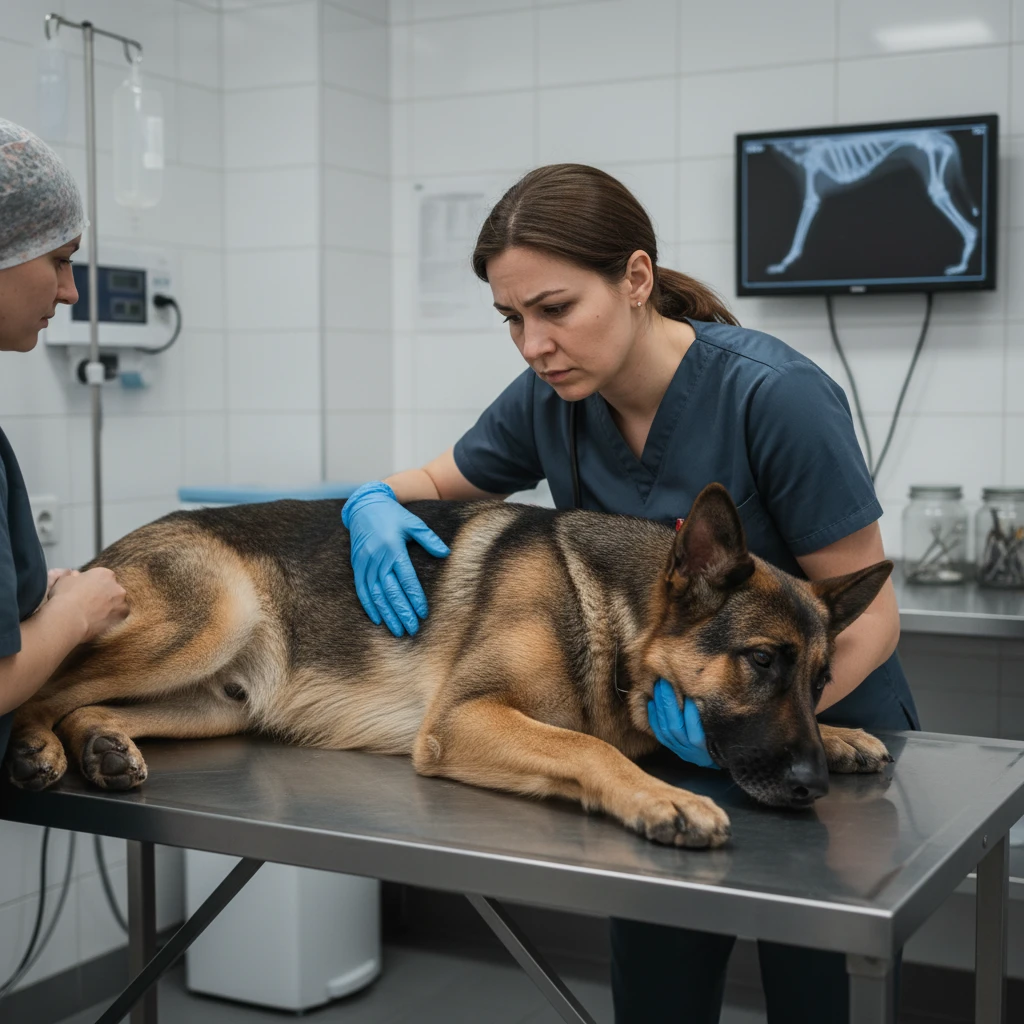
Musculoskeletal Injuries in Active Dogs
Working dogs are athletes. Whether they are navigating hospital corridors daily or moving through logistical hubs, they are at high risk for:
- Cruciate Ligament (CCL) tears: A common and expensive surgery (often $3,000 – $6,000 NZD).
- Intervertebral Disc Disease (IVDD): Common in smaller therapy breeds.
- Osteoarthritis: A long-term management cost.
Top-tier policies for working dogs should have high sub-limits (or no sub-limits) for cruciate ligament surgery. Be wary of policies that impose a 6-month waiting period for cruciate injuries, as this leaves a new working dog vulnerable during their initial deployment.
Coverage for Behavioral Issues
This is a critical differentiator for AAT businesses. A therapy dog must maintain impeccable behavior. If a dog develops anxiety, aggression, or phobias after a traumatic event (e.g., being attacked by another dog while working), they may be forced into early retirement.
Standard policies often exclude behavioral treatment. However, premium policies may cover:
- Veterinary Behaviorist Consultations: Essential for diagnosing work-related stress.
- Medication: Pharmaceuticals for anxiety management.
- Training for Rehabilitation: Note: General obedience training is never covered, but rehabilitation for a diagnosed condition might be.
When comparing, look for “Alternative Therapy” or “Behavioral Condition” sections. Coverage here is often capped (e.g., $1,000 per year), so ensure this aligns with local veterinary behaviorist rates.
Multi-Dog Discounts for AAT Businesses
For businesses managing a “fleet” of therapy dogs, individual policies are administratively burdensome and financially inefficient. Leveraging multi-dog discounts is a key strategy in the comparison of pet insurance for working dogs.
Scaling Insurance for Business Logistics
Most NZ providers offer a multi-pet discount, typically ranging from 5% to 10% for additional pets. While this seems modest, for a business insuring 5+ dogs, the savings are substantial.
Strategic Tip: Some insurers allow you to align renewal dates for all dogs, simplifying the logistical burden of tracking different policy expirations. When negotiating with a provider, ask if they offer a “commercial portfolio” rate, which might exceed standard advertised multi-pet discounts.
User Reviews of NZ Insurance Providers
Based on market analysis and user sentiment from AAT professionals in New Zealand, here is a comparative look at major providers regarding working dog suitability.
1. Southern Cross Pet Insurance
Pros: A trusted household name in NZ. They offer “PetCare Extra” and “PetCare Super” which have substantial annual limits. They are known for reliable payouts.
Cons: Strict pre-existing condition exclusions. They generally exclude dogs used for “commercial purposes” unless specifically agreed upon, making it essential to call and get written confirmation for therapy work coverage.
Verdict: Good for individual therapy dogs if the commercial clause is waived, but premiums can be high.
2. PD Insurance (Pet Direct)
Pros: Offers a “month-to-month” model with no lock-in contracts, which is excellent for businesses testing the viability of insuring their dogs. They offer up to 15% discount for 3+ pets.
Cons: Like others, the definition of working dogs needs clarification at the point of sale. Their “Classic” and “Deluxe” plans are competitive but check the dental and behavioral sub-limits.
Verdict: Strong contender for multi-dog discounts and flexibility.
3. Petcover (formerly Petplan)
Pros: Petcover is often the go-to for specialized needs. They have specific underwriting capabilities that often understand the distinction between a “farm dog” and a “service dog” better than general insurers. They often include Third Party Liability (vital for therapy work) within their comprehensive plans.
Cons: Can be more expensive than budget providers. Claims processing can sometimes require more detailed documentation.
Verdict: Likely the safest bet for comprehensive coverage including liability.
The Logistics of Claims for Businesses
Efficient claims processing is part of the operational logistics for any AAT business. A delayed claim impacts cash flow.
Pre-Approval Workflows
For significant procedures (like an MRI for spinal issues), utilize the pre-approval service offered by most insurers. This logistical step ensures that the business does not commit capital to a surgery that might be declined later. Incorporate pre-approval forms into your internal business protocols for any veterinary expense over $500.
Record Keeping
Insurers will demand full clinical history to rule out pre-existing conditions. For a working dog business, this means maintaining centralized, digital copies of every vet visit, vaccination, and health check for every dog in the fleet. Missing a vaccination date can technically void a claim for related illnesses, so logistical tracking software is recommended alongside your insurance policy.
Conclusion
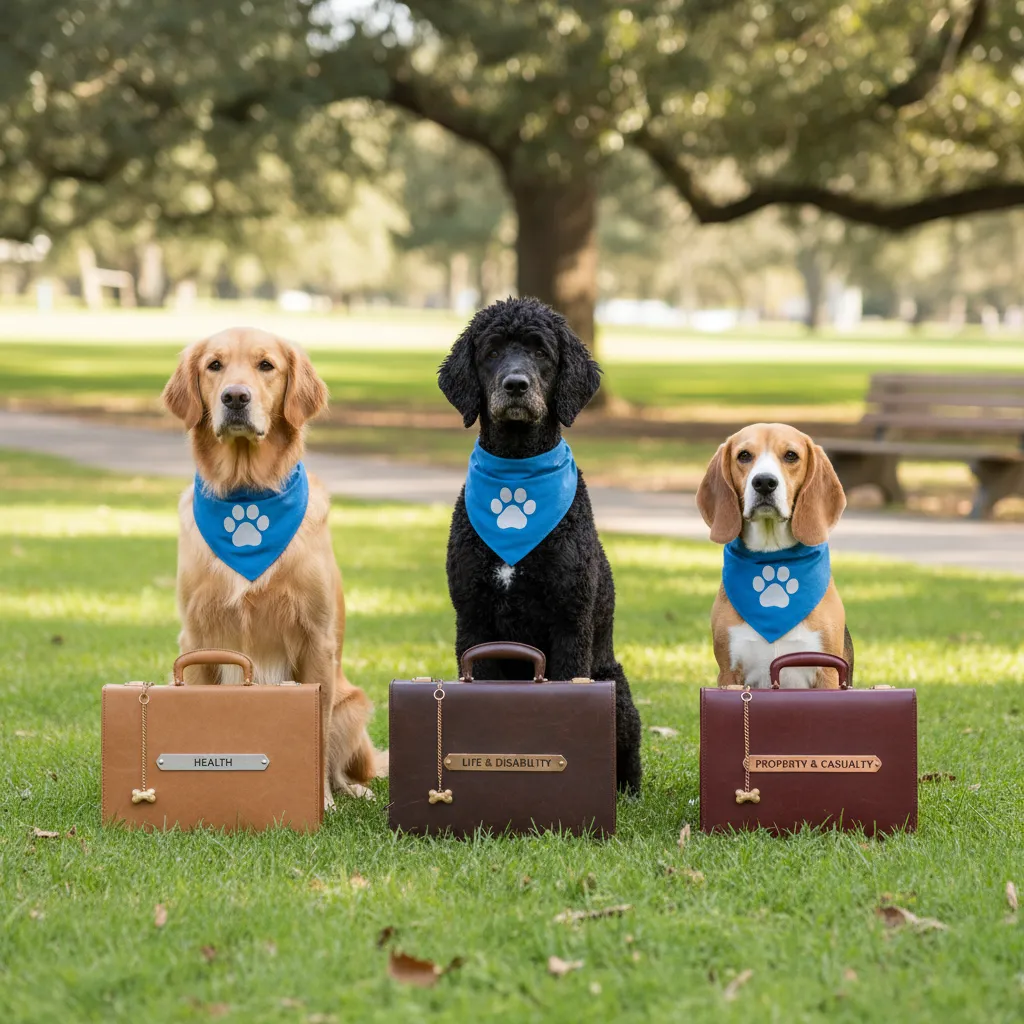
Conducting a comparison of pet insurance for working dogs in the NZ market reveals that there is no “one-size-fits-all” policy. For Therapy Dogs and AAT businesses, the priority must be on securing coverage that acknowledges the working status of the animal without voiding the policy under commercial exclusions.
While premiums for high-use dogs are significant, the financial risk of self-insuring against orthopedic surgeries or public liability claims is far greater. By leveraging multi-dog discounts and selecting high-excess options, businesses can secure robust protection for their canine assets, ensuring longevity and operational stability.
People Also Ask
Does pet insurance cover therapy dogs in New Zealand?
Yes, but it depends on the provider. Many standard policies exclude “commercial use,” so you must declare that the dog is a therapy dog. Providers like Petcover often have specific provisions or liability extensions for service and therapy dogs, whereas others may require a special endorsement.
Are pre-existing conditions covered for working dogs?
Generally, no. Almost all NZ pet insurers exclude pre-existing conditions (conditions that showed signs or symptoms before the policy started). This makes it crucial to insure working dogs as puppies before they develop work-related wear and tear or chronic injuries.
What is the difference between farm dog and therapy dog insurance?
Farm dog insurance is often a specialized agricultural product focused on accidental injury and herd liability. Therapy dog insurance is closer to domestic pet insurance but requires commercial use waivers and places a higher emphasis on public liability (Third Party Liability) due to the dog’s interaction with vulnerable people.
Is Third Party Liability included in working dog insurance?
Not always. While some comprehensive plans (like those from Petcover or Tower) include legal liability if your dog injures someone or damages property, others exclude it for business-related activities. AAT businesses should verify if their professional indemnity insurance covers the dogs or if they need it embedded in the pet insurance.
How much does pet insurance cost for a working dog in NZ?
Premiums vary widely based on breed and age, but comprehensive cover for a working breed typically ranges from $60 to $120+ NZD per month. High-risk breeds or older dogs with high annual limits can cost significantly more.
Can I get a discount for insuring multiple therapy dogs?
Yes. Most NZ insurers offer a multi-pet discount, usually between 5% and 10% for each additional dog added to the policy. This is a key cost-saving mechanism for AAT businesses managing a fleet of therapy animals.