
To book a therapy dog visit clinical services require a formal request submission detailing patient demographics, facility protocols, and therapeutic goals. This process involves selecting certified Animal-Assisted Therapy (AAT) teams that meet strict infection control standards, ensuring the canine’s temperament aligns with specific medical environments, and finalizing a service agreement for liability and scheduling.
Integrating Animal-Assisted Therapy (AAT) into clinical environments is no longer an experimental concept; it is a recognized, evidence-based intervention used throughout New Zealand’s healthcare sector. From pediatric wards in Auckland to palliative care units in Christchurch, therapy dogs provide measurable physiological and psychological benefits. However, introducing animals into sterile or controlled medical environments requires rigorous planning, adherence to safety protocols, and a seamless booking process.
This guide serves as a comprehensive resource for hospital administrators, clinical directors, and private practice managers looking to book a therapy dog visit clinical teams can fulfill. We cover the logistical, legal, and therapeutic requirements to ensure a safe and effective intervention.
The Clinical Booking Process: Step-by-Step
When you decide to book a therapy dog visit clinical considerations must take precedence over general visitation. Unlike a casual meet-and-greet in a community center, a clinical visit is goal-oriented. The booking process is designed to screen for safety and therapeutic fit.

1. Initial Inquiry and Needs Assessment
The first step involves submitting a detailed inquiry to the Animal Assisted Therapy New Zealand provider. This is not merely a reservation; it is a clinical consultation. You must provide:
- Facility Type: (e.g., Acute Care, Rehabilitation, Mental Health, Hospice).
- Target Patient Demographic: Age range, mobility levels, and cognitive status.
- Specific Goals: Are you seeking anxiety reduction before surgery, motivation for physiotherapy, or palliative comfort?
2. Team Selection and Verification
Once the needs are assessed, the agency identifies a handler-dog team suited for your specific environment. In a clinical setting, the handler is just as important as the dog. They must be trained to navigate medical equipment (IV poles, wheelchairs) and understand patient confidentiality (HIPAA/Privacy Act compliance).
3. Site Assessment (For First-Time Venues)
Before the first dog enters the building, a senior handler or coordinator may visit your facility to identify entry points, relief areas for the dog, and potential hazards. This ensures that when you formally book the visit, the logistics are already resolved.
Infection Control and Safety Protocols
The primary concern when medical professionals look to book a therapy dog visit clinical is infection control. New Zealand healthcare standards require strict adherence to zoonotic disease prevention. Legitimate AAT providers adhere to protocols that rival staff hygiene standards.
Veterinary Health Clearances
Every therapy dog entering a clinical zone must have an up-to-date veterinary passport. This includes:
- Vaccinations: Core vaccines (Distemper, Hepatitis, Parvovirus) and Leptospirosis.
- Parasite Control: Documented regular flea, tick, and worming treatments.
- Skin Health: Absence of dermatitis or open wounds which could harbor bacteria.
- Zoonotic Screening: Regular stool samples to ensure the dog is free of transmissible pathogens.
Grooming Standards for Clinical Visits
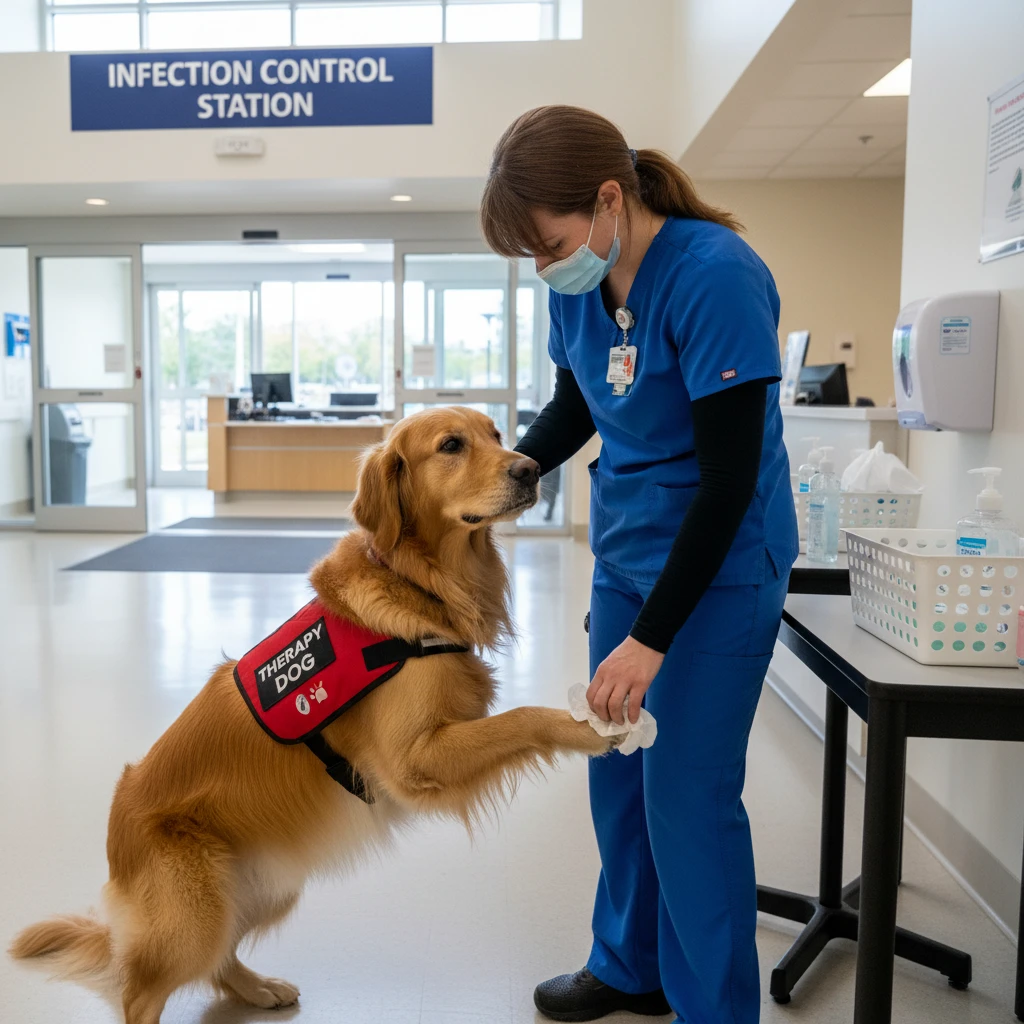
Within 24 hours of a clinical visit, the therapy dog must be bathed and groomed. This reduces dander and allergens. Furthermore, handlers are required to use specific wipes on the dog’s paws before entering patient zones to prevent tracking outdoor contaminants into sterile areas.
Matching Dog Temperament to Patient Needs
Not all therapy dogs are suitable for all clinical scenarios. The success of the intervention relies heavily on the “match.” When you book a visit, detailing the patient’s condition allows for precise temperament matching.
The “Active” Therapy Dog
Best for: Rehabilitation, Physiotherapy, Pediatrics.
These dogs are trained to engage. In a physiotherapy context, a patient might be asked to brush the dog or throw a ball to improve range of motion. The dog must be motivated, responsive, and tolerant of clumsy movement or loud noises found in pediatric wards.
The “Passive” Therapy Dog
Best for: Palliative Care, Oncology, Dialysis, Mental Health.
These dogs excel at “deep pressure therapy” or simply being present. They are content to lay still on a bed (on a protective barrier) or sit quietly by a chair for hours. Their energy is grounding. For a patient in hospice, a high-energy dog would be overwhelming; a calm, stoic dog provides the necessary comfort.
Scheduling Recurring Treatments
While one-off visits (such as during Mental Health Awareness Week) are beneficial, the true clinical value of Animal Assisted Therapy comes from consistency. Recurring treatments allow for the development of the therapeutic bond and measurable progress tracking.
Establishing a Visiting Round
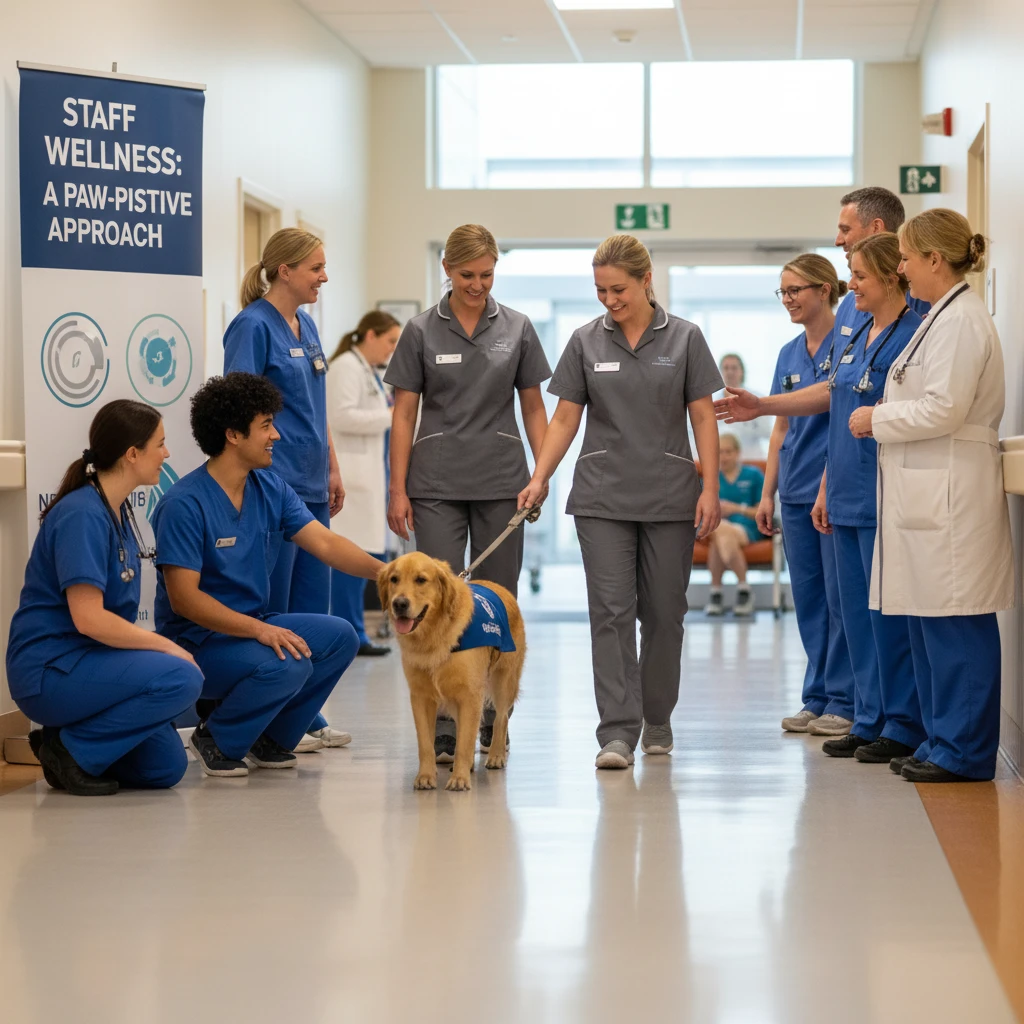
Many hospitals establish “Dog Rounds” similar to medical rounds. This involves a set schedule, for example, every Tuesday and Thursday from 10:00 AM to 12:00 PM. To book a therapy dog visit clinical recurring schedule, administrators should consider:
- Shift Rotation: Ensuring the dog visits during times when patients are awake but not undergoing major procedures.
- Staff Wellness: Allocating 15 minutes of the visit specifically for nursing and medical staff, who often experience high burnout rates.
Duration Limits
Ethical AAT practice limits a dog’s working time to prevent fatigue. Typically, a clinical visit is capped at 1.5 to 2 hours. If your facility requires coverage for a full day, you will need to book multiple teams on a staggered roster.
Service Agreements and Details
Before the first paw hits the floor, a Service Level Agreement (SLA) must be signed. This document protects both the medical facility and the therapy provider. It clarifies the scope of the intervention and liability structures.
What is included in a Clinical Therapy Dog Service Agreement?
A standard agreement for New Zealand clinical settings generally includes:
- Liability Insurance: Proof of public liability insurance (usually minimum $10 million NZD) held by the therapy organization.
- Incident Reporting: Protocols for what happens if a scratch or nip occurs (extremely rare with certified dogs, but legally required).
- Cancellation Policy: Terms regarding cancellations due to facility lockdowns (e.g., Norovirus outbreak) or dog illness.
- Confidentiality Clause: Ensuring the handler does not disclose patient identities or medical conditions observed during the visit.
Preparing Your Facility for a Visit
To ensure a smooth operation when you book a therapy dog visit clinical preparation of the physical space and the human element is vital.
Staff Education
Clinical staff must be briefed on how to interact with the dog. They should know that the handler is in charge of the animal at all times. Staff should also be aware of which patients are allergic or phobic to ensure those rooms are bypassed.
Signage and Access
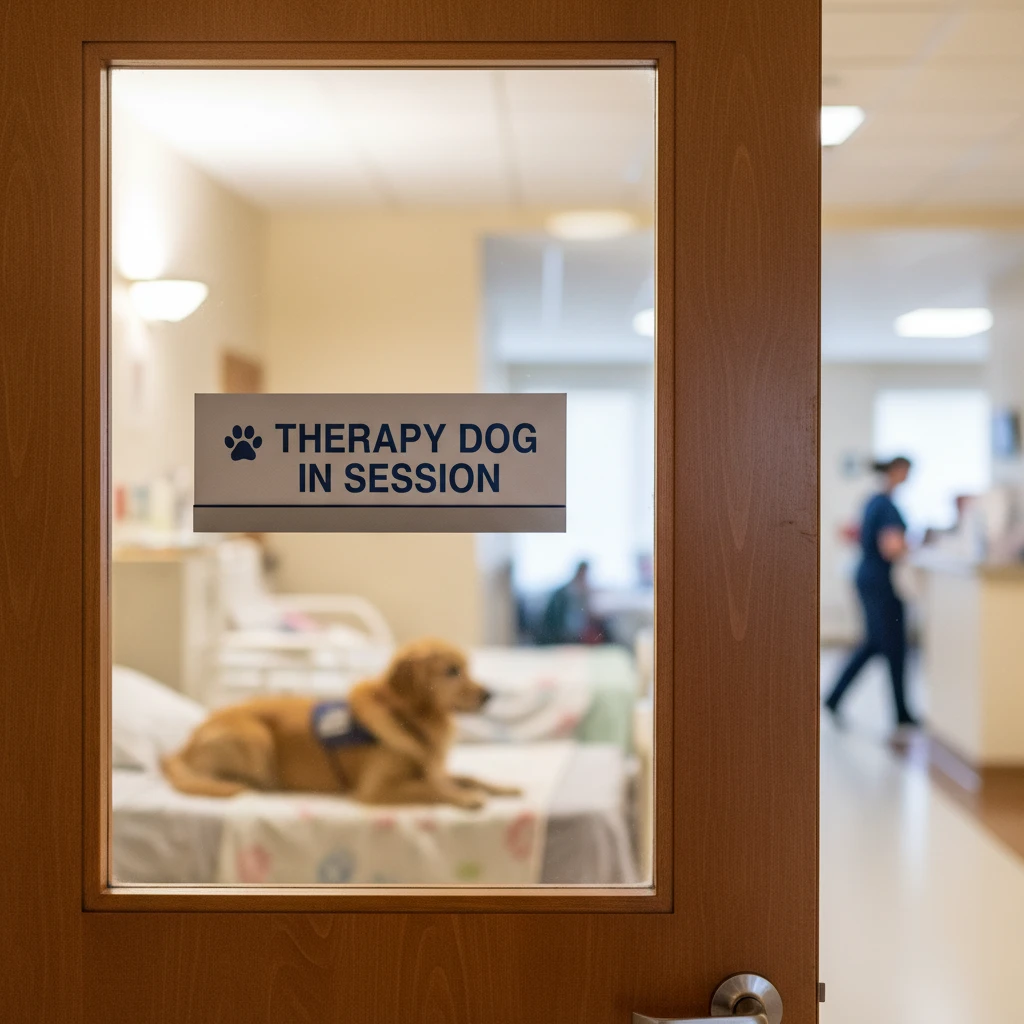
On the day of the visit, clear signage should be displayed at the ward entrance: “Therapy Dog in Session – Please inform the Nurse Unit Manager if you have allergies or fears.” This empowers patients and visitors to opt-out if necessary.
Why Book a Clinical Visit? The Evidence
The decision to book a therapy dog visit clinical goes beyond morale; it is a clinical intervention. Studies have shown that interactions with therapy dogs can lower cortisol levels (stress markers), increase oxytocin (bonding hormones), and lower blood pressure. In pediatric settings, the presence of a dog has been proven to reduce pain perception during invasive procedures.
In the context of New Zealand’s holistic approach to health (Te Whare Tapa Whā), animal-assisted therapy supports Taha Wairua (spiritual health) and Taha Hinengaro (mental health), offering a connection that transcends clinical sterility.
People Also Ask
How much does it cost to book a therapy dog visit in NZ?
Costs vary depending on the organization. Non-profit groups like St John may offer services for a donation or nominal fee to cover expenses, while private professional AAT organizations may charge between $150 and $300 NZD per hour for clinical visits to cover insurance, handler wages, and coordination.
Are therapy dogs allowed in all hospital wards?
Not all wards. Therapy dogs are generally excluded from sterile environments like operating theatres, burn units, and intensive care units (ICU) unless specific compassionate exceptions are made. They are most common in rehabilitation, pediatrics, mental health, and general medical wards.
What is the difference between a service dog and a therapy dog?
A service dog is trained to perform specific tasks for one person with a disability and has public access rights. A therapy dog is trained to provide comfort and affection to many people in clinical or community settings and only has access when invited/booked.
How do I certify my dog for clinical visits in NZ?
To certify a dog, you must go through organizations like Canine Friends Pet Therapy or St John. This involves temperament testing, obedience assessments, and supervised visits to ensure the dog remains calm and controllable in medical environments.
Can a therapy dog visit a patient with low immunity?
Generally, no. Patients with severe neutropenia or those in strict isolation for compromised immunity are usually not eligible for animal visits due to the slight risk of zoonotic transfer, despite high hygiene standards.
How long does a typical clinical therapy dog visit last?
A typical clinical visit lasts between 60 to 90 minutes. This duration ensures the dog remains focused and does not suffer from fatigue, ensuring safe and positive interactions for all patients.