
Infection control for therapy dogs in NZ requires a multi-layered approach involving strict veterinary clearance, rigorous pre-visit grooming, and adherence to standard precautions like hand hygiene. These protocols mitigate zoonotic risks, ensuring safe interactions for vulnerable patients within New Zealand’s healthcare and educational facilities under current health and safety legislation.
Integrating Animal Assisted Intervention (AAI) into clinical settings offers immense therapeutic benefits, but it introduces specific biological risks that must be managed with precision. For practitioners in New Zealand, understanding the intersection of animal welfare and human patient safety is paramount. This guide details the rigorous hygiene standards required to operate a compliant and safe therapy dog practice.
What are the Core Zoonosis Prevention Protocols?
Zoonoses are infectious diseases that can be transmitted from animals to humans. In a clinical environment, where patients may be immunocompromised, the threshold for risk tolerance is near zero. Effective infection control for therapy dogs in NZ relies on breaking the chain of infection at the source.
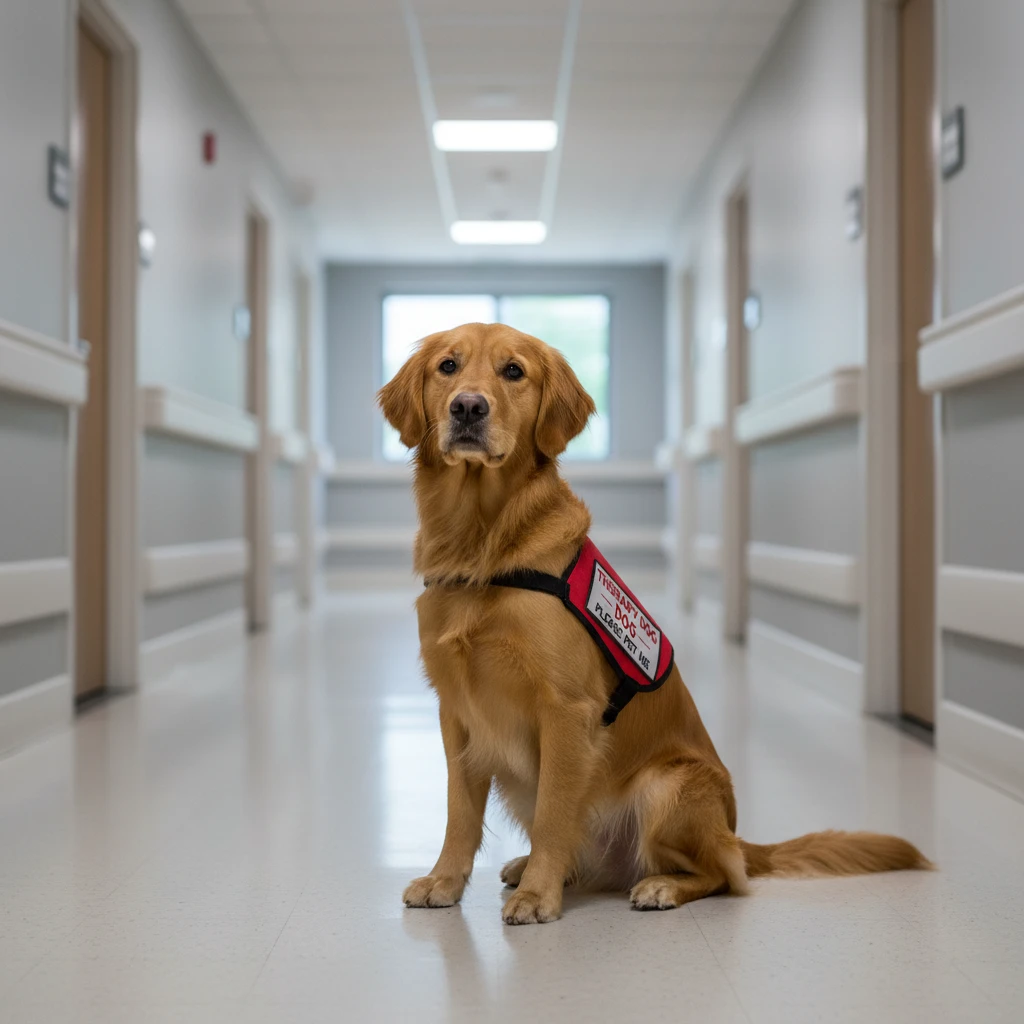
Understanding Transmission Routes
To prevent infection, handlers must understand how pathogens move from a dog to a patient. The primary routes in AAI settings include:
- Direct Contact: Physical touch, including petting, licking, or nuzzling.
- Indirect Contact: Contact with contaminated surfaces (fomites) such as leashes, vests, or bedding.
- Vector-Borne: Transmission via fleas or ticks (though strictly controlled, the risk remains).
- Aerosol/Droplet: Rare in dogs-to-human transmission for common pathogens, but relevant for respiratory hygiene.
Hand Hygiene: The First Line of Defense
Hand hygiene is the single most effective measure to prevent the spread of infection. In the context of therapy dog visits, the “5 Moments for Hand Hygiene” standard used in NZ healthcare must be adapted:
- Before touching the patient: Handlers must sanitize hands before entering the patient’s zone.
- Before touching the dog: To prevent transferring human pathogens to the animal’s coat.
- After touching the dog: Patients must sanitize hands immediately after the interaction.
- After touching the patient: Handlers must sanitize after assisting a patient.
- After touching patient surroundings: Including bed rails or chairs.
Handlers should carry hospital-grade alcohol-based hand rub (ABHR) at all times. If a patient is unable to clean their own hands, the handler or a nurse must assist them prior to and following the interaction.
Exclusion Criteria for Therapy Dogs
A critical component of zoonosis prevention is knowing when not to visit. A therapy dog must be excluded from clinical duties if they exhibit:
- Vomiting or diarrhea within the last 48 hours.
- Open sores, wounds, or hot spots.
- Ear infections or excessive head shaking.
- Coughing, sneezing, or nasal discharge (Kennel Cough risk).
- Evidence of external parasites (fleas, ticks, mites).
- Current treatment with antibiotics or immunosuppressive drugs (which may increase shedding of resistant bacteria).
What are the Grooming and Veterinary Standards in NZ?
Infection control for therapy dogs in NZ begins long before the dog enters a facility. It starts with a rigorous health regimen overseen by a qualified veterinarian. The goal is to minimize the bacterial load on the animal and ensure they are free from communicable diseases.
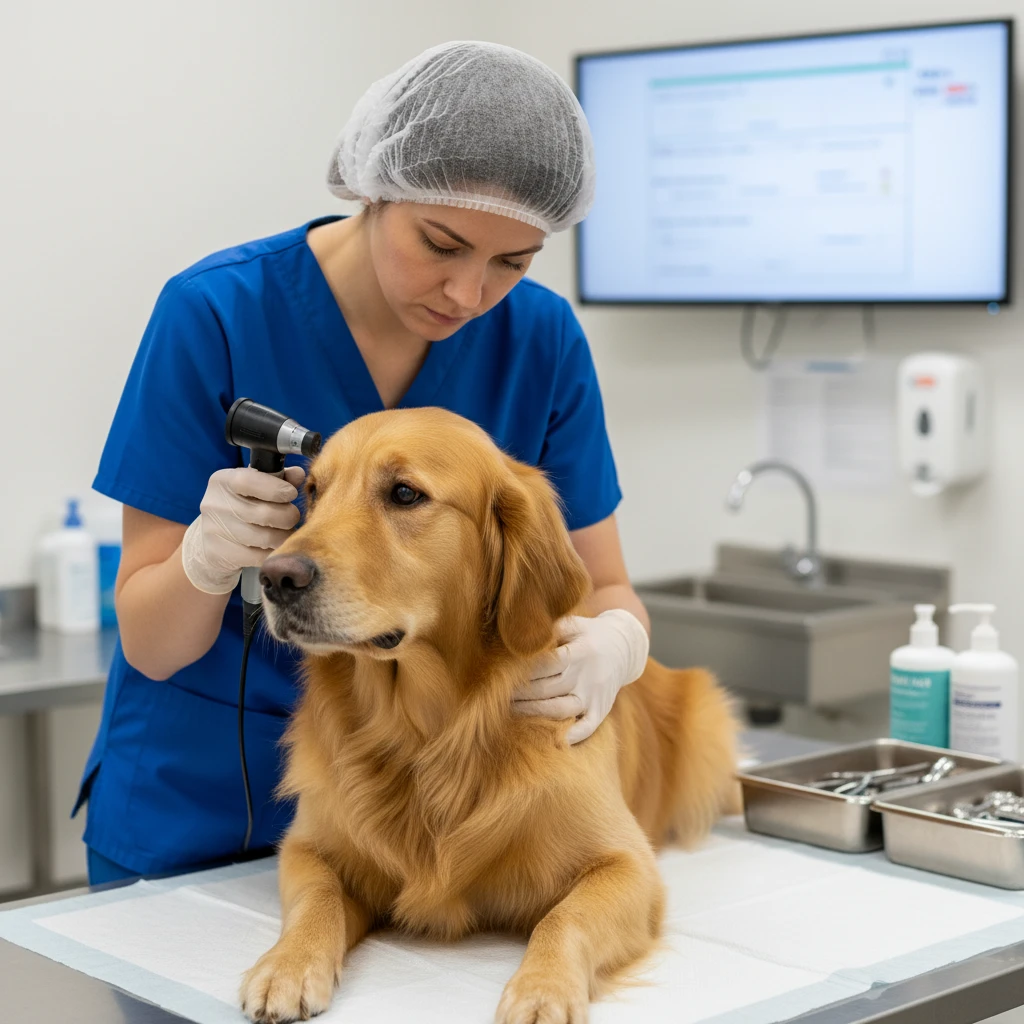
Vaccination Requirements
While core vaccinations are standard for all dogs, therapy dogs must adhere to a strict schedule to protect public health. In New Zealand, this typically includes:
- Canine Distemper, Hepatitis, Parvovirus (DHP): Essential core vaccines.
- Leptospirosis: Highly recommended in NZ due to the rural/urban interface and rat populations. Leptospirosis is a serious zoonotic disease.
- Canine Cough (Bordetella/Parainfluenza): Mandatory for dogs frequenting high-density areas or training facilities.
Veterinary records must be updated annually and provided to the facility coordinator before visits can commence.
Parasite Control Protocols
Internal and external parasites pose significant health risks to humans. Therapy dogs must be on a documented, year-round schedule for:
- Endoparasites (Worms): Regular deworming (typically every 3 months) to prevent Roundworm and Hookworm, which can cause visceral larva migrans in humans.
- Ectoparasites (Fleas/Ticks): Monthly topical or oral treatments are non-negotiable.
Critical Note: Handlers must ensure that topical flea treatments have dried completely (usually 48 hours) before a clinical visit to prevent chemical exposure to patients.
Pre-Visit Grooming Standards
Grooming is a hygiene procedure, not just an aesthetic one. The following “24-Hour Rule” applies to all clinical visits:
- Bathing: Dogs should be bathed within 24 hours of a visit using a mild, hypoallergenic shampoo. This reduces dander (a common allergen) and removes environmental contaminants from the coat.
- Brushing: Thorough brushing removes loose hair and dander. Ideally, this should be done outdoors.
- Nails: Nails must be trimmed short and filed smooth to prevent accidental scratches, which can be entry points for bacteria (e.g., Bartonella henselae).
- Ears and Eyes: Must be clean and free of discharge.
- Oral Hygiene: Teeth should be brushed or wiped. Dogs with severe periodontal disease may harbor higher levels of pathogenic bacteria in their saliva and should be treated before resuming work.
How to Manage Cleaning Procedures Between Patients?
Cross-contamination is a major concern in hospitals. A therapy dog can act as a mechanical vector, transporting pathogens from Patient A to Patient B on their fur or gear. Strict protocols must be observed between interactions.
The “Barrier” Method
Whenever possible, a barrier should be placed between the dog and the patient or the patient’s bedding. This is particularly important for patients with open wounds or indwelling devices.
- Disposable Sheets: Use a clean, disposable sheet provided by the facility for the dog to sit or lie on if on the bed.
- Dedicated Towels: The handler can carry clean towels, using a fresh one for each patient interaction where the dog rests on the bed.
Equipment Hygiene
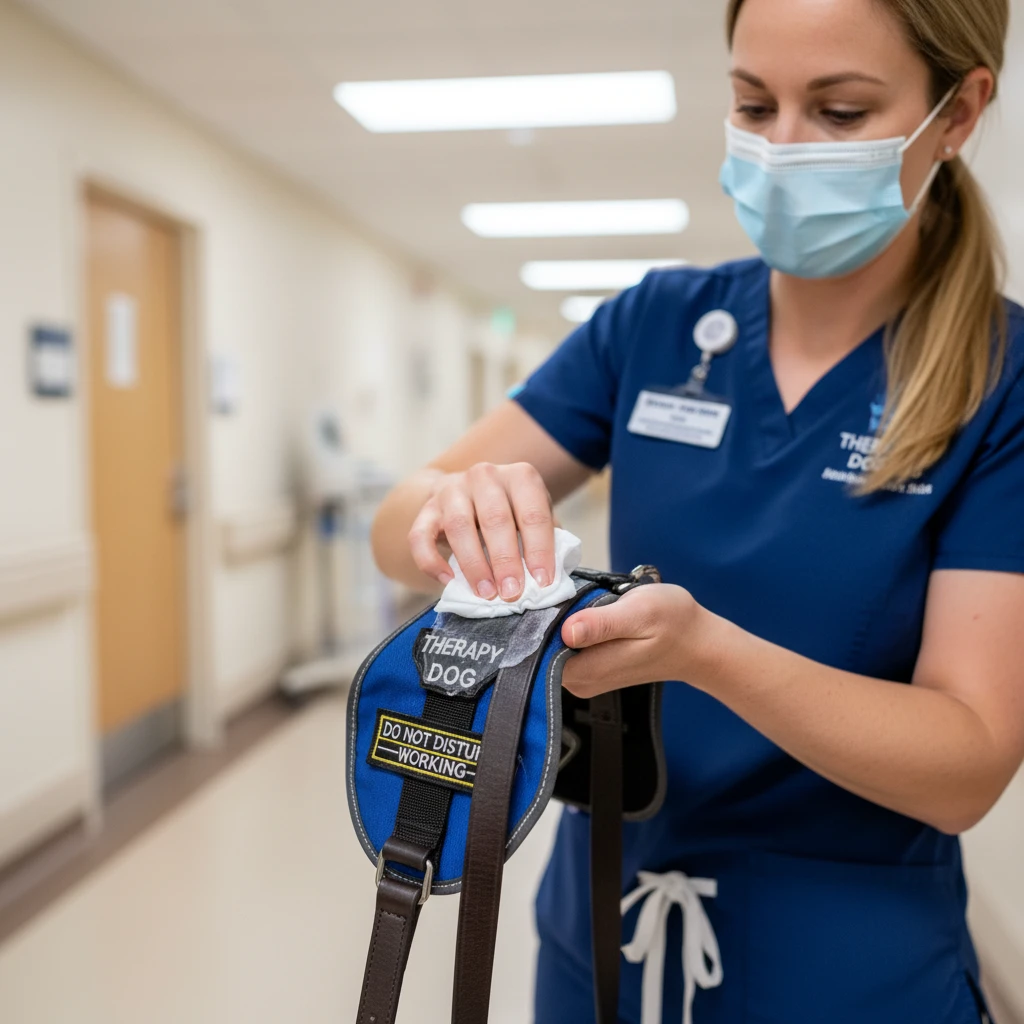
All equipment used by the therapy dog must be non-porous or easily cleanable. Fabric leashes and porous toys are generally discouraged in high-dependency units.
- Leashes and Collars: Biothane or leather materials are preferred as they can be wiped down with disinfectant wipes between patients or zones.
- Vests/Bandanas: Should be laundered at high temperatures (60°C+) after every visit. If a vest becomes soiled during a visit, it must be removed immediately.
- Treat Pouches: Handlers should use silicone pouches that can be sanitized, rather than fabric ones that trap bacteria.
Wipes and Spot Cleaning
Handlers should carry pet-safe antibacterial wipes (e.g., Chlorhexidine based) to clean the dog’s paws if they walk on visibly soiled floors or travel between different wards. However, excessive wiping of the coat can strip natural oils, so barrier methods are preferred over chemical wiping of the animal’s fur between every patient.
How to Ensure Compliance with NZ Health Standards?
Operating in New Zealand requires adherence to specific legislative and organizational frameworks. There is no single “Therapy Dog Law,” but operations fall under broader health and safety regulations.
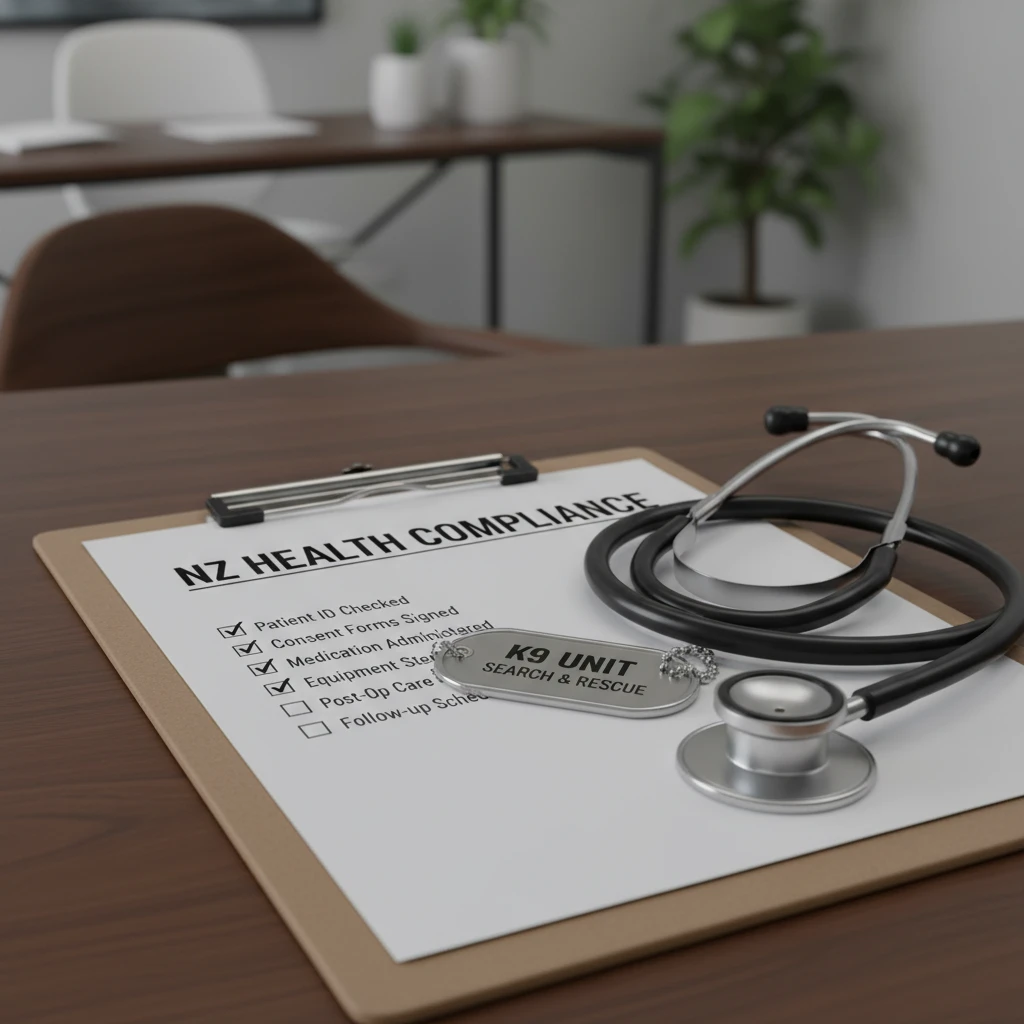
Health and Safety at Work Act 2015 (HSWA)
Under the HSWA, a therapy dog visit is considered a work activity (even if voluntary). The PCBU (Person Conducting a Business or Undertaking)—usually the hospital or facility—has a primary duty of care to ensure the safety of workers and patients. Handlers must:
- Participate in the facility’s induction process.
- Identify hazards (e.g., the dog as a trip hazard or infection source) and implement controls.
- Report any “notifiable events” immediately.
Te Whatu Ora (Health New Zealand) Guidelines
While individual districts may have specific policies, general expectations for visiting animals in Te Whatu Ora facilities align with international best practices:
- Restricted Areas: Dogs are generally prohibited from sterile zones (operating theatres), intensive care units (unless specific clearance is granted), isolation rooms (patients with MRSA, VRE, or C. diff), and food preparation areas.
- Consent: Verbal or written consent must be obtained from the patient (or guardian) prior to the interaction.
Working with Accredited Organizations
To ensure compliance, it is highly recommended to operate through recognized organizations such as Canine Friends Pet Therapy or St John Therapy Pets. These organizations have established Memorandums of Understanding (MOUs) with facilities that outline:
- Liability insurance coverage (Public Liability).
- Standardized temperament testing.
- Uniform infection control policies.
Incident Management: Scratches, Bites, and Waste
Even with perfect preparation, incidents can occur. A robust infection control strategy includes a reactive plan.
Accidental Scratches or Nips
If a patient is scratched or nipped (breaking the skin):
- Immediate Action: Terminate the interaction immediately.
- First Aid: Wash the wound thoroughly with soap and water. Notify nursing staff immediately for assessment.
- Reporting: Complete an incident report form as per the facility’s policy and the therapy organization’s requirements.
- Follow-up: The dog must be removed from the facility and may require a behavioral or health reassessment before returning.
Animal Waste Accidents
Elimination (urine/feces) inside a facility is a major breach of hygiene standards.
- Prevention: Ensure the dog has ample opportunity to toilet outside immediately before entering the building.
- Response: If an accident occurs, the handler must not expect staff to clean it. The handler should contain the mess, but facility cleaning staff must perform the final sanitization using hospital-grade virucidal agents to ensure the area is clinically clean.
- Consequence: The visit must end immediately to prevent tracking contaminants.
By strictly adhering to these infection control protocols, therapy dog handlers in New Zealand can provide a valuable service that enhances patient well-being without compromising clinical safety standards. Diligence in hygiene is the foundation of trust between the therapy team and the healthcare provider.
People Also Ask
Do therapy dogs need specific vaccinations in NZ?
Yes, besides the core vaccinations (Distemper, Hepatitis, Parvovirus), therapy dogs in NZ are strongly advised to be vaccinated against Leptospirosis due to local risks, and Kennel Cough (Bordetella) is typically mandatory for working in public facilities.
Can therapy dogs visit patients in isolation?
Generally, no. Therapy dogs are usually restricted from visiting patients in contact isolation (e.g., MRSA, VRE, COVID-19) to prevent the dog from becoming a carrier (fomite) and spreading the infection to other patients or staff.
How often should a therapy dog be bathed?
For clinical work, the standard is the “24-hour rule.” The dog should be bathed within 24 hours prior to a visit to a healthcare facility to minimize dander and allergens. For non-clinical settings, standard grooming schedules may apply.
What is the difference between a service dog and a therapy dog regarding hygiene?
Service dogs assist a single person and have public access rights; their hygiene is the owner’s responsibility. Therapy dogs visit many vulnerable people, so they are held to higher, clinically regulated hygiene standards to prevent cross-contamination between patients.
Are raw-fed dogs allowed to be therapy dogs in NZ?
Many clinical facilities and therapy organizations in NZ prohibit dogs on raw meat diets from visiting. This is because raw-fed dogs can shed Salmonella and other pathogens in their saliva and stool, posing a risk to immunocompromised patients.
What happens if a therapy dog has an accident inside a hospital?
The visit must end immediately. The handler is responsible for the initial containment, but hospital cleaning staff must sanitize the area with hospital-grade disinfectants. An incident report is usually required.