
A pet-friendly office policy allows employees to bring personal pets to work as a cultural perk, whereas therapy dogs involve certified animals and professional handlers visiting the workplace to provide structured stress relief and mental health support. While pet-friendly policies focus on flexibility and retention, Animal Assisted Therapy (AAT) focuses on clinical wellness, risk management, and inclusivity.
In the evolving landscape of corporate wellness, particularly within New Zealand’s forward-thinking business environment, the presence of animals in the workplace is transitioning from a novelty to a strategic asset. However, a significant confusion persists among HR directors and facility managers regarding the distinction between allowing staff to bring their dogs to work and engaging professional Animal Assisted Therapy (AAT) services. Understanding the nuances of a pet friendly office policy vs therapy dogs is critical for maintaining productivity, safety, and legal compliance.
Defining the Models: Perks vs. Programs
Before implementing a new policy, stakeholders must recognize that pet-friendly offices and therapy dog programs serve fundamentally different purposes. Conflating the two can lead to liability issues and a degradation of workplace culture.

What is a Pet-Friendly Office Policy?
A pet-friendly policy is an HR initiative that permits employees to bring their personal companion animals into the workspace. This is often viewed as a recruitment and retention tool. The primary goal is to lower the logistical burden on pet owners (saving on doggy daycare) and to create a relaxed, home-like atmosphere.
What are Therapy Dogs in the Workplace?
Therapy dogs in a corporate setting fall under Animal Assisted Activities (AAA) or Animal Assisted Therapy (AAT). These are scheduled visits by external professionals. The dogs are temperament-tested, insured, and accompanied by a trained handler. The goal is specific: to lower cortisol levels, improve team bonding, or assist in crisis intervention after traumatic workplace events.
The Reality of ‘Bring Your Dog to Work’
While the idea of a dog-filled office sounds appealing, the operational reality of a pet friendly office policy requires rigorous governance. It is not merely about unlocking the doors to pets; it is about managing a complex social ecosystem.
The Benefits of Personal Pets
- Employee Retention: In a competitive NZ job market, allowing pets can be a deciding factor for talent.
- Cost Savings for Staff: Employees save significantly on walkers and daycare.
- Social Lubrication: Dogs often act as icebreakers, encouraging cross-departmental conversation.
The Hidden Downsides
Without strict regulation, personal pets can introduce unpredictability. A dog that is well-behaved at home may exhibit territorial aggression, anxiety, or excessive vocalization in a bustling office. Furthermore, relying on personal pets excludes employees with allergies or cynophobia (fear of dogs), potentially creating a hostile work environment.
The Science and Structure of Corporate AAT
Animal Assisted Therapy is a structured intervention. When a company hires an AAT provider, they are purchasing a professional service designed to improve mental health outcomes, not just a casual perk.

Structured Wellness Interventions
Therapy dogs are trained to seek out interaction calmly and tolerate a high degree of stimulus without reacting. In New Zealand, reputable providers ensure their teams adhere to high standards of hygiene and behavior. These dogs provide a “time-out” mechanism for staff, allowing for a physiological reset during high-stress periods.
Why ‘Bring Your Dog to Work’ Isn’t Therapy
The most common misconception is assuming that the presence of any dog equates to therapy. This is scientifically and operationally incorrect. The distinction lies in temperament, training, and intent.
The Temperament Gap
A personal pet is bonded to its owner. In an office, a personal pet’s priority is the owner’s location and safety. This can lead to separation anxiety if the owner leaves the room or resource guarding around the owner’s desk. Conversely, a therapy dog is trained to bond quickly and transiently with strangers. They are working dogs whose focus is the emotional state of the people they are visiting, not protection of a specific person.
Predictability vs. Volatility
Therapy dogs undergo desensitization training to handle elevators, sliding doors, dropped objects, and sudden noises. A personal pet, no matter how loved, may not have this exposure. In a professional setting, a startled dog can be a liability. AAT dogs provide a predictable, safe interaction, whereas personal pets introduce variables that management cannot control.
The Critical Role of Professional Handlers
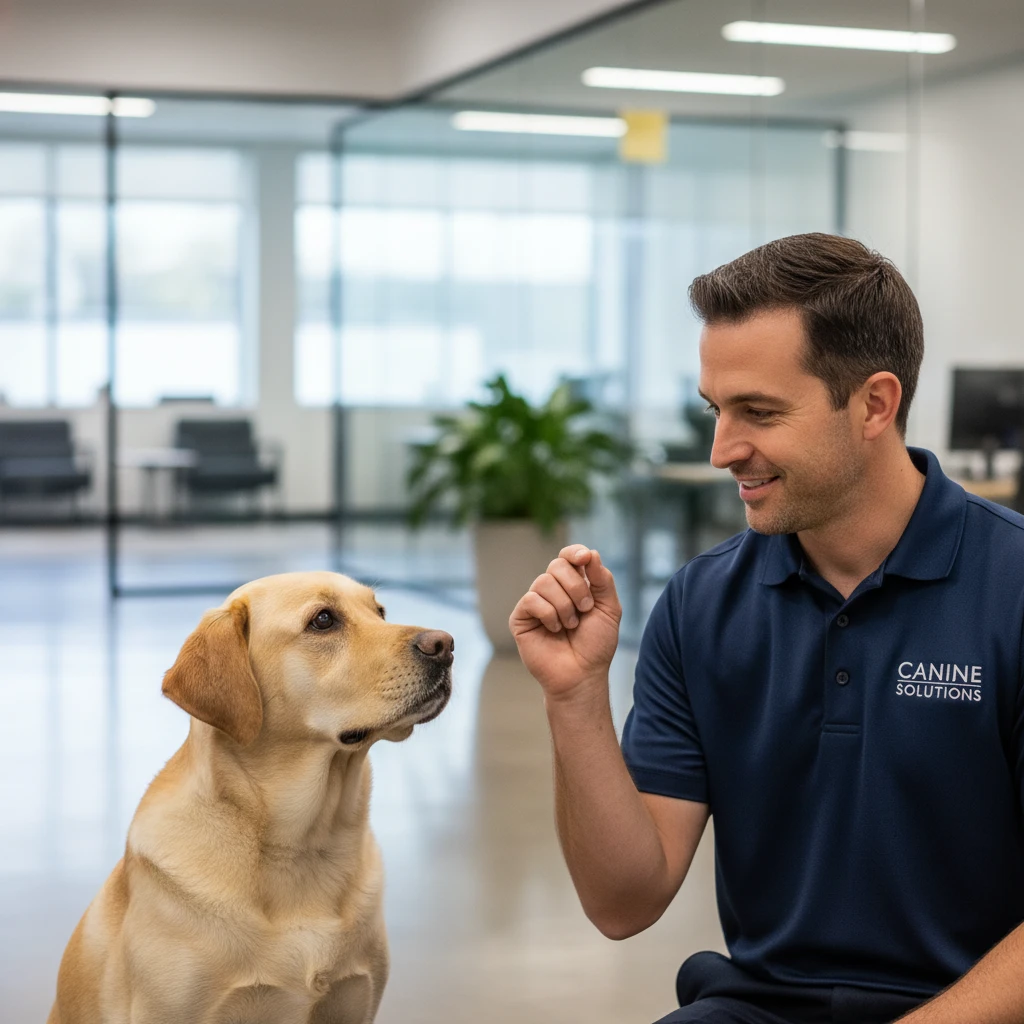
One of the defining differences when comparing a pet friendly office policy vs therapy dogs is the presence of the handler. In a pet-friendly office, the “handler” is the employee, who is simultaneously trying to do their job. In an AAT model, the handler’s sole focus is the safety and efficacy of the interaction.
Advocating for the Animal
Professional handlers are experts in canine body language. They can spot the subtle signs of stress in a dog—such as whale eye, lip licking, or avoidance behaviors—before a bite occurs. An employee engrossed in a spreadsheet may miss these signals from their own pet, leading to an incident.
Facilitating Human Interaction
Handlers also facilitate the human side of the equation. They guide employees on how to approach the dog, ensuring that the interaction is therapeutic. They manage hygiene, ensure the dog doesn’t approach those who are uncomfortable, and maintain a sterile, professional boundary that personal pet owners often blur.
Avoiding Chaos: Risk Management and NZ Law
Implementing animal policies requires adherence to the Health and Safety at Work Act 2015 (HSWA). Businesses have a primary duty of care to ensure the health and safety of workers and others in the workplace. This includes managing risks posed by animals.
Insurance and Liability
Pet-Friendly Policy: If an employee’s dog trips a colleague or bites a courier, the company could be liable for failing to provide a safe workplace. Companies must require employees to hold third-party liability insurance for their pets and sign indemnification waivers.
Therapy Dogs: Professional AAT providers carry their own public liability and professional indemnity insurance. This transfers the risk away from the employer. The provider is responsible for the dog’s behavior, significantly reducing the legal burden on the company.
Hygiene and Allergies
To avoid chaos, strict zones must be established. In a pet-friendly model, this is difficult to police. With therapy dogs, the handler ensures the dog stays in designated wellness zones, preventing dander from spreading to sensitive areas like kitchens or server rooms.

Choosing the Right Model for Your Company
Deciding between a pet-friendly policy and therapy dog visits depends on your company’s culture, physical space, and risk appetite. Use the following criteria to determine the best fit.
When to Choose a Pet-Friendly Policy
- Culture: You have a small, tight-knit team where everyone is on board.
- Space: You have ample space, enclosed offices, or outdoor areas.
- Budget: You have a limited budget for external wellness programs but want to offer high-value perks.
- Management: You are willing to enforce a “three strikes” policy for behavioral issues.
When to Choose Therapy Dogs (AAT)
- Inclusivity: You have a large workforce and need to respect allergies and phobias.
- Objective: Your goal is specific mental health support, stress reduction, or crisis management.
- Risk Aversion: You require a zero-liability solution with insured professionals.
- Professionalism: You want the benefits of animals without the distraction of barking, accidents, or play-fighting in the office.
The Hybrid Approach
Many New Zealand enterprises are adopting a hybrid model. They maintain a generally pet-free environment to ensure focus and hygiene but schedule regular “Wellness Wednesdays” where a therapy dog team visits. This offers the best of both worlds: the therapeutic benefits of animal interaction without the logistical nightmare of a permanent zoo-like atmosphere.
Ultimately, whether you choose to open your doors to staff pets or hire professional therapy teams, the welfare of the animals and the safety of your staff must come first. A poorly managed pet policy is a liability; a well-executed animal-assisted therapy program is a powerful investment in human capital.
People Also Ask
What is the difference between a service dog and a therapy dog in the workplace?
A service dog is trained to perform specific tasks for a single individual with a disability and has legal access rights under NZ law. A therapy dog is trained to provide comfort to many people and does not have the same automatic public access rights; they are invited into workplaces as part of a wellness program.
How do I create a pet-friendly office policy?
To create a policy, start by surveying staff for allergies or phobias. specific requirements for vaccinations, flea treatment, and behavioral standards. Establish “pet-free zones” and require owners to sign a liability waiver and provide proof of third-party insurance.
Are therapy dogs covered by insurance in New Zealand?
Yes, professional Animal Assisted Therapy providers in New Zealand should carry public liability and professional indemnity insurance. Always request a copy of their Certificate of Currency before allowing them on-site to ensure your business is protected.
Can a pet-friendly office policy improve employee retention?
Yes, studies show that pet-friendly policies can significantly improve retention and recruitment. Employees value the flexibility and cost savings of not needing doggy daycare, and the presence of pets often boosts overall office morale and reduces stress.
What are the risks of allowing dogs in the office?
Risks include allergic reactions, dog bites, slips and trips, property damage, and noise distractions. There is also the risk of interpersonal conflict if one employee’s dog behaves poorly toward another employee or their pet.
How much does a corporate therapy dog visit cost?
Costs vary depending on the provider and the duration of the visit. In New Zealand, corporate wellness sessions with therapy dogs are typically charged by the hour. While more expensive than a free pet policy, it includes professional handling, insurance, and a structured wellness outcome.