
Tauranga animal assisted therapy involves professional therapeutic interventions where certified animals, primarily dogs, assist individuals in meeting specific physical, cognitive, or emotional goals. Delivered by qualified providers across the Bay of Plenty, these services facilitate rehabilitation in schools, rest homes, and private clinical settings to enhance mental well-being and social engagement.
What is Animal Assisted Therapy in Tauranga?
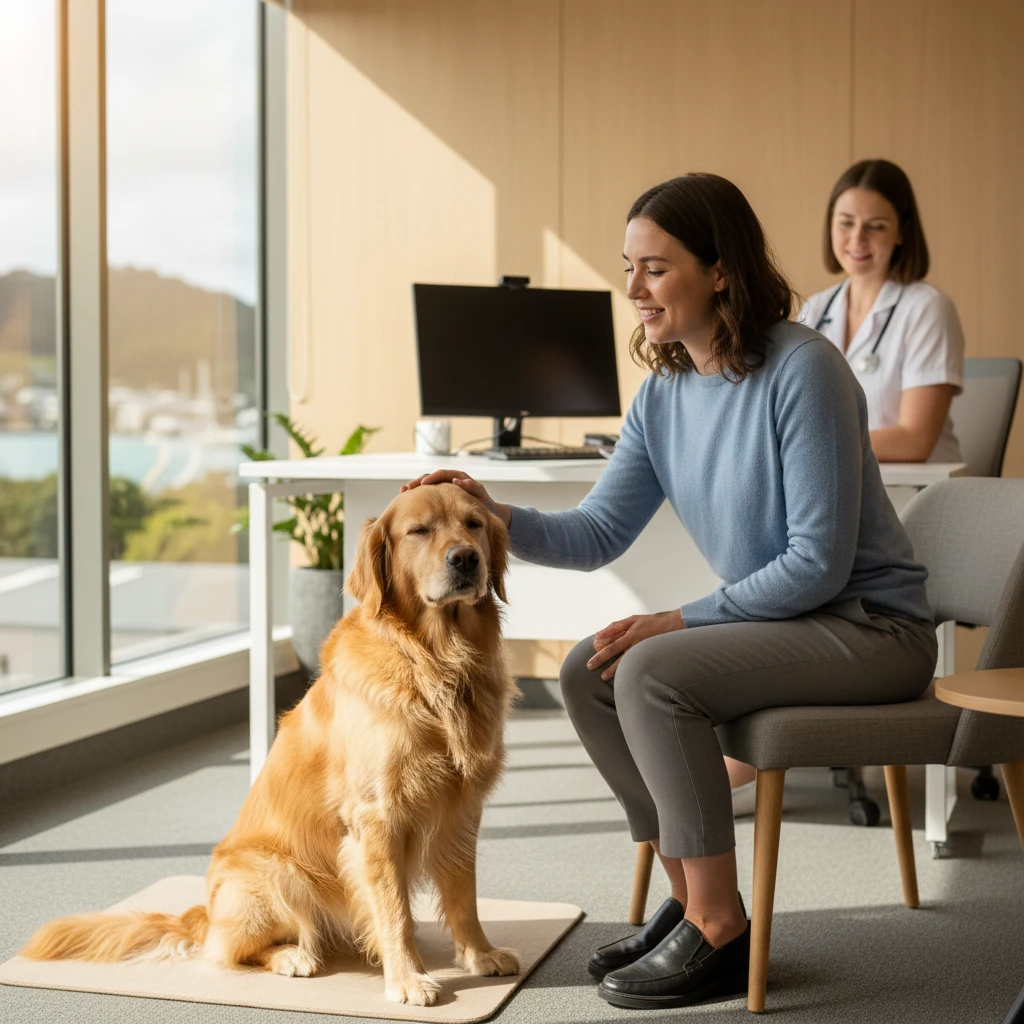
Animal Assisted Therapy (AAT) in Tauranga represents a growing sector of the local allied health community. Unlike casual pet visitation, AAT is a goal-directed intervention in which an animal that meets specific criteria is an integral part of the treatment process. In the Bay of Plenty region, this is typically directed by health or human service professionals who have specialized expertise in the clinical practice of their profession.
For residents in Tauranga, Mount Maunganui, and Papamoa, these services offer a bridge between traditional clinical therapy and holistic wellness. The presence of a therapy animal can lower defense mechanisms, reduce anxiety, and act as a social lubricant, making it easier for clients to engage with psychologists, occupational therapists, or counselors. Whether it is a child struggling with literacy at a local primary school or an elderly resident in a Greerton care facility dealing with dementia, the application of animal assisted therapy is tailored to individual needs.
Difference Between Therapy (AAT) and Activities (AAA)
It is crucial for commercial clients and healthcare facility managers to distinguish between Animal Assisted Therapy (AAT) and Animal Assisted Activities (AAA). In Tauranga, both are available but serve different purposes:
- Animal Assisted Therapy (AAT): This is a formal, structured approach with documented progress notes. It is delivered by a health or education professional. For example, an occupational therapist in Tauranga might use a dog to encourage a stroke victim to use their arm to brush the animal, improving fine motor skills.
- Animal Assisted Activities (AAA): These are more casual “meet and greet” sessions. Organizations like Canine Friends Pet Therapy often provide these in rest homes and hospitals. The goal is motivational, educational, or recreational, but there are no specific treatment goals planned for each visit.
Providers in the Bay of Plenty
Finding reputable Tauranga animal assisted therapy providers requires navigating a mix of large non-profit organizations and private clinical practitioners. The Bay of Plenty has a robust network of volunteers and professionals dedicated to this niche.
Hato Hone St John Therapy Pets
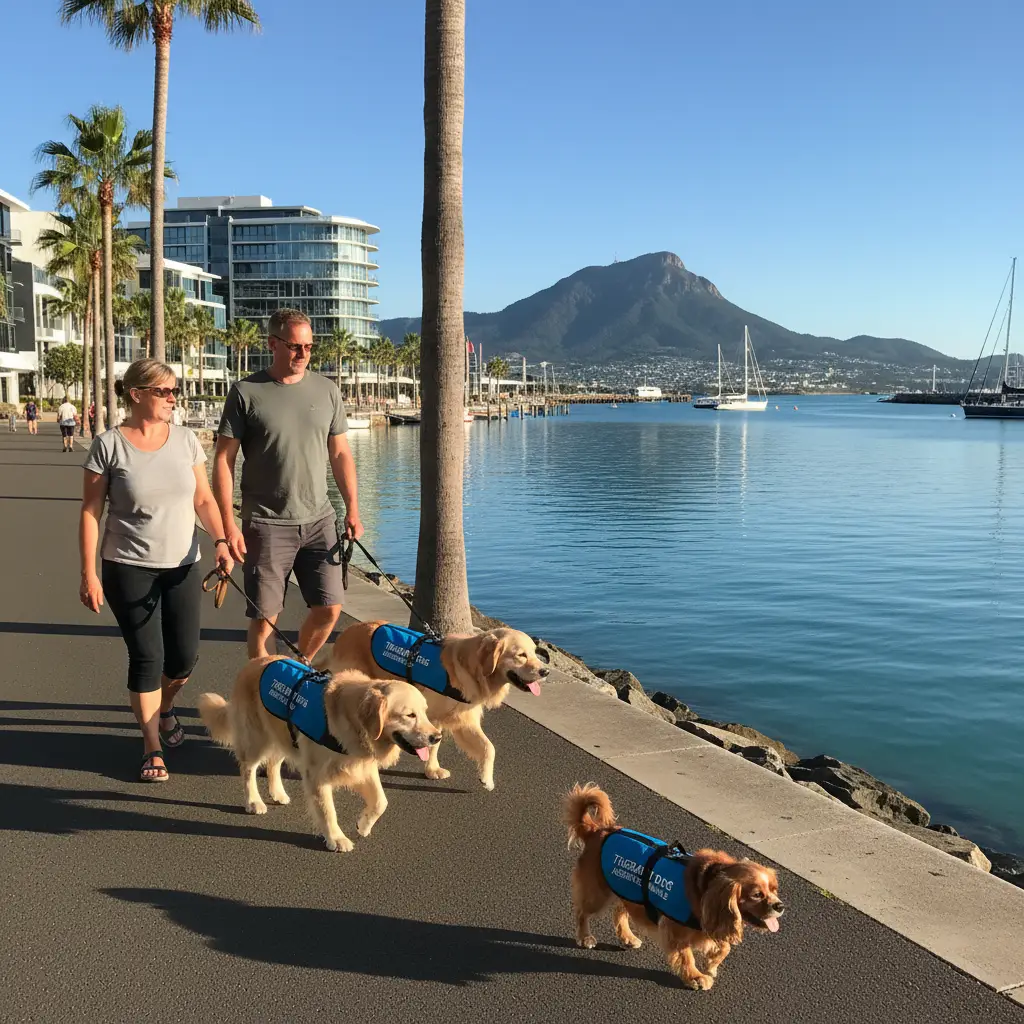
One of the most recognized providers in the region is the Hato Hone St John Therapy Pets programme. Formerly known as “Outreach Therapy Pets,” this service connects volunteers and their assessed pets with people in the community. In Tauranga, St John volunteers frequent rest homes, hospitals, and rehabilitation centres. While often leaning towards AAA (Activities), they facilitate genuine therapeutic outcomes by combating loneliness and providing comfort.
Canine Friends Pet Therapy
Canine Friends Pet Therapy is a nationwide network with a strong presence in the Bay of Plenty. They focus heavily on visiting hospitals and hospices. Their rigorous assessment process ensures that any dog wearing the Canine Friends scarf in Tauranga is safe, predictable, and suitable for high-stress environments. They are a primary contact for rest homes looking to establish a regular visitation schedule.
Private Clinical Practitioners
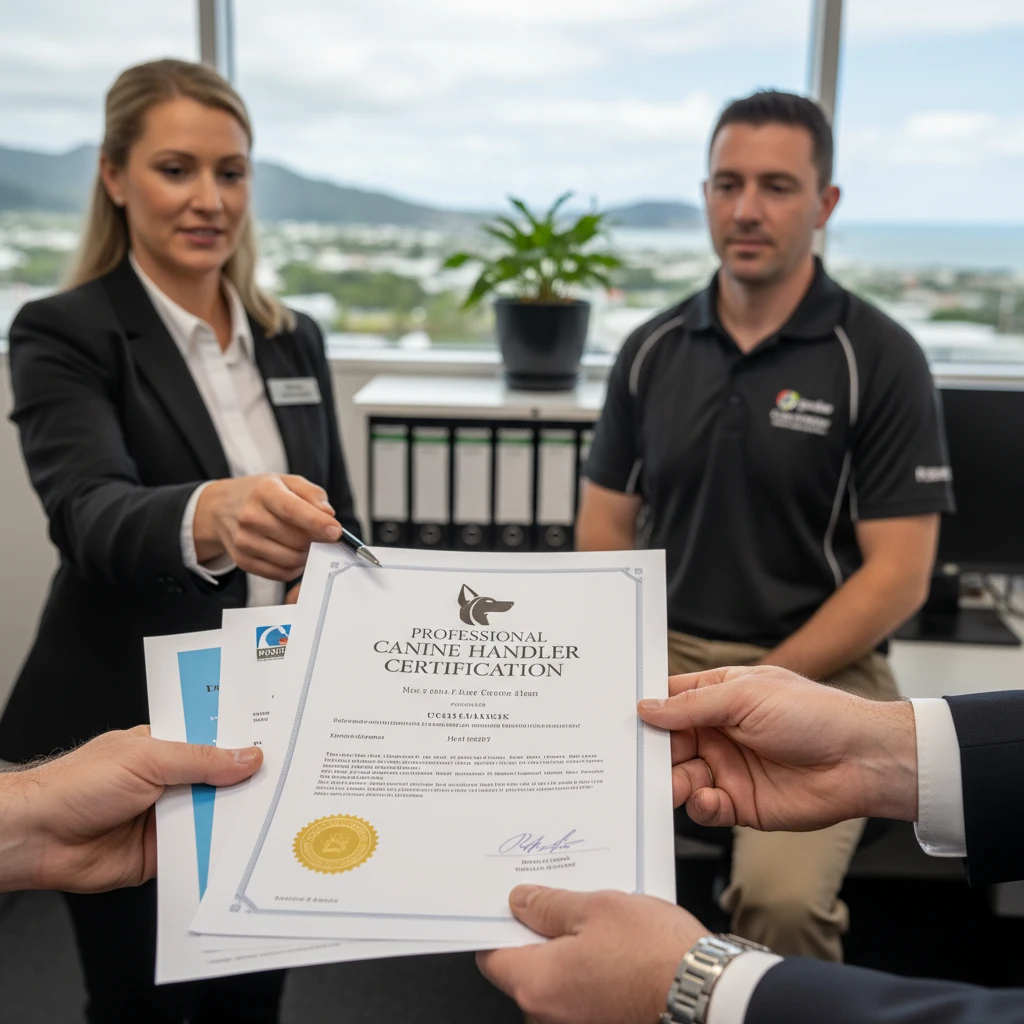
For those seeking strict AAT, several private psychologists, counselors, and occupational therapists in the Tauranga area incorporate animals into their practice. These professionals usually operate out of private clinics in areas like Bethlehem or the CBD. When hiring a private clinician, it is standard procedure to ask about their specific certification in animal-assisted interventions to ensure they adhere to ethical guidelines regarding animal welfare and client safety.
School and Rest Home Visits in Tauranga
The demand for animal assisted interventions in institutional settings across the Bay of Plenty is at an all-time high. Schools and aged care facilities utilize these services to address specific demographic challenges.
Educational Support and Reading Programs
Tauranga schools are increasingly adopting “Reading to Dogs” programs. The concept is simple yet scientifically backed: dogs do not judge. Children who struggle with reading aloud often feel anxiety when reading to a teacher or peer. However, reading to a therapy dog eliminates the fear of correction.
In these sessions, a handler and their dog will visit a school library or classroom. The child sits with the dog and reads a book. This interaction has been shown to improve literacy rates, boost confidence, and foster a love for reading. Local primary schools in the Bay of Plenty have reported that students are more motivated to attend school on days when the “therapy dog team” is scheduled to visit.
Aged Care and Rest Home Companionship
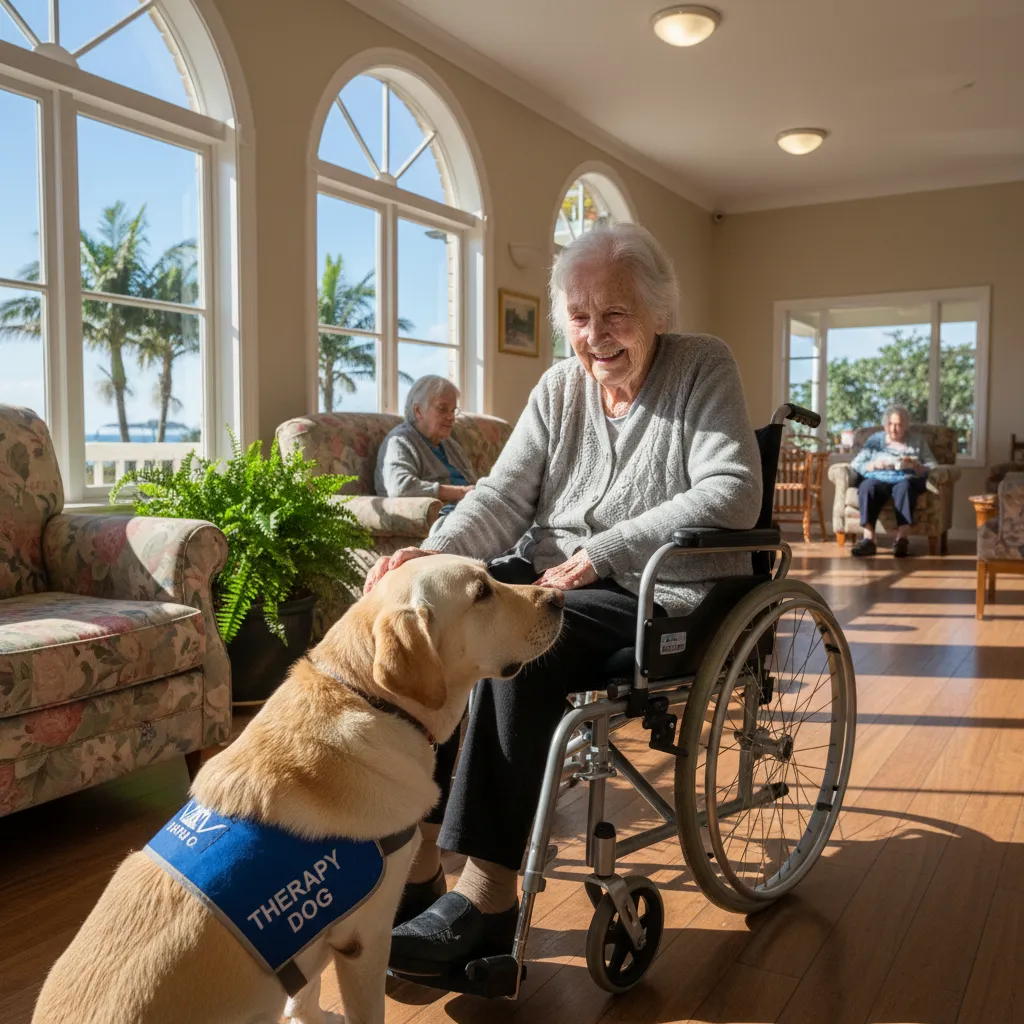
With a significant retirement population in Tauranga and the Mount, aged care facilities are primary consumers of animal assisted therapy services. Transitioning into a rest home can be a traumatic experience, often involving the loss of a personal pet. Regular visits from therapy animals bridge this gap.
Therapy dogs in these settings provide tactile stimulation—the act of stroking a dog releases oxytocin (the bonding hormone) and reduces cortisol (the stress hormone). For residents with dementia, animals can trigger reminiscence, encouraging them to talk about pets they owned in the past, which serves as a vital cognitive exercise.
The Science and Benefits of Animal Assisted Interventions
The efficacy of tauranga animal assisted therapy is not just anecdotal; it is grounded in physiological and psychological science. When a client interacts with a friendly animal, several biological responses occur:
- Physiological Impact: Interaction with animals has been proven to lower blood pressure and heart rate. In physical rehabilitation, the motivation to walk a dog or brush a dog provides a fun incentive to perform repetitive movements that might otherwise be tedious.
- Psychological Impact: Animals provide “unconditional positive regard.” For clients in Tauranga dealing with depression or PTSD, an animal offers a safe, non-judgmental presence. This presence can anchor a client in the “here and now,” serving as a powerful mindfulness tool.
- Social Impact: In group therapy settings or community centers, animals act as social catalysts. People are more likely to speak to one another when a dog is present. This is particularly valuable in Tauranga’s mental health support groups, where breaking the ice is often the hardest step.
Local Success Stories
While patient confidentiality is paramount, the impact of these services is visible throughout the community. One notable success story involves a local Tauranga intermediate school where a pilot program introduced a therapy dog to a special education classroom. Teachers reported a 40% reduction in disruptive outbursts and a significant increase in student engagement during the term the dog was present.
Another example comes from a rehabilitation center in Papamoa. A patient recovering from a severe stroke struggled with motivation for upper-limb exercises. By introducing a therapy dog, the patient was encouraged to throw a soft toy for the dog to retrieve. The focus shifted from the pain of the movement to the joy of the interaction, resulting in a faster recovery of motor function.
Safety, Certification, and Standards
For commercial entities looking to book tauranga animal assisted therapy, safety is the top priority. Legitimate providers in New Zealand adhere to strict protocols.
What to look for in a provider:
- Behavioral Assessment: The animal must have passed a rigorous temperament test. They must be calm, predictable, and able to recover quickly from startling noises or sudden movements.
- Veterinary Health Checks: Therapy animals must be fully vaccinated, wormed, and free of zoonotic diseases. In Tauranga, reputable providers will carry documentation proving their animal’s health status.
- Insurance: Professional providers will carry public liability insurance. This is essential for schools and rest homes to mitigate liability in the unlikely event of an accident.
- Handler Training: The human half of the team is just as important. Handlers must be trained in reading canine body language to prevent stress in the animal and ensure safe interactions with clients.
How to Contact Tauranga Teams and Book Services
If you are a facility manager, school principal, or individual seeking services, the process to engage a therapy team in Tauranga involves several steps.
Step-by-Step Booking Guide
1. Identify Your Needs: Determine if you need clinical therapy (AAT) or social visitation (AAA). If you need a clinical psychologist who uses animals, search for private practices in the Bay of Plenty. If you need visitation for a rest home, contact volunteer organizations.
2. Contact Organizations Directly:
For volunteer visitation, reach out to the local coordinators of Hato Hone St John or Canine Friends Pet Therapy via their official NZ websites. They have specific branches for the Tauranga/Western Bay of Plenty region.
3. Schedule a Site Assessment: Legitimate providers will rarely bring a dog to a new facility without a prior site visit. They need to assess the environment for hazards, noise levels, and accessibility.
4. Establish Protocols: Before the first visit, agree on protocols. Where will the dog go to the toilet? Who is the primary point of contact? What is the procedure if a client is allergic? Having these written down ensures a smooth, professional relationship.
By following these steps, you ensure that you are bringing a high-quality, safe, and effective service into your Tauranga facility, maximizing the benefits for your clients or students.
How much does animal assisted therapy cost in Tauranga?
Costs vary significantly. Volunteer services like St John or Canine Friends are often free or require a small donation/koha to cover travel. Private clinical sessions with a psychologist including AAT are charged at standard clinical rates, which can range from $150 to $250 NZD per hour, depending on the practitioner.
How do I get a therapy dog for my school in Tauranga?
Schools should contact organizations like Canine Friends Pet Therapy or Hato Hone St John to inquire about their reading programs. Alternatively, a staff member can have their own dog assessed and certified to bring into the school, provided the Board of Trustees approves.
What is the difference between a service dog and a therapy dog?
A service dog (or assistance dog) is trained to perform specific tasks for one person with a disability and has public access rights. A therapy dog is a pet trained to provide comfort to many people and does not have public access rights to shops or restaurants in NZ.
Can I volunteer with my dog in Tauranga?
Yes, if your dog has a calm temperament. You can apply through Hato Hone St John or Canine Friends Pet Therapy. You will need to undergo a behavioral assessment for your dog and a police vet check for yourself.
Does St John provide therapy dogs in the Bay of Plenty?
Yes, Hato Hone St John operates their Therapy Pets programme in the Bay of Plenty, visiting rest homes, hospitals, and other community centers to provide companionship.
What qualifications do you need for animal assisted therapy?
To practice AAT clinically, you need a qualification in a health or human service field (e.g., psychology, nursing, counseling) and additional training in animal-assisted interventions. Volunteer handlers generally require internal training from the certifying organization.