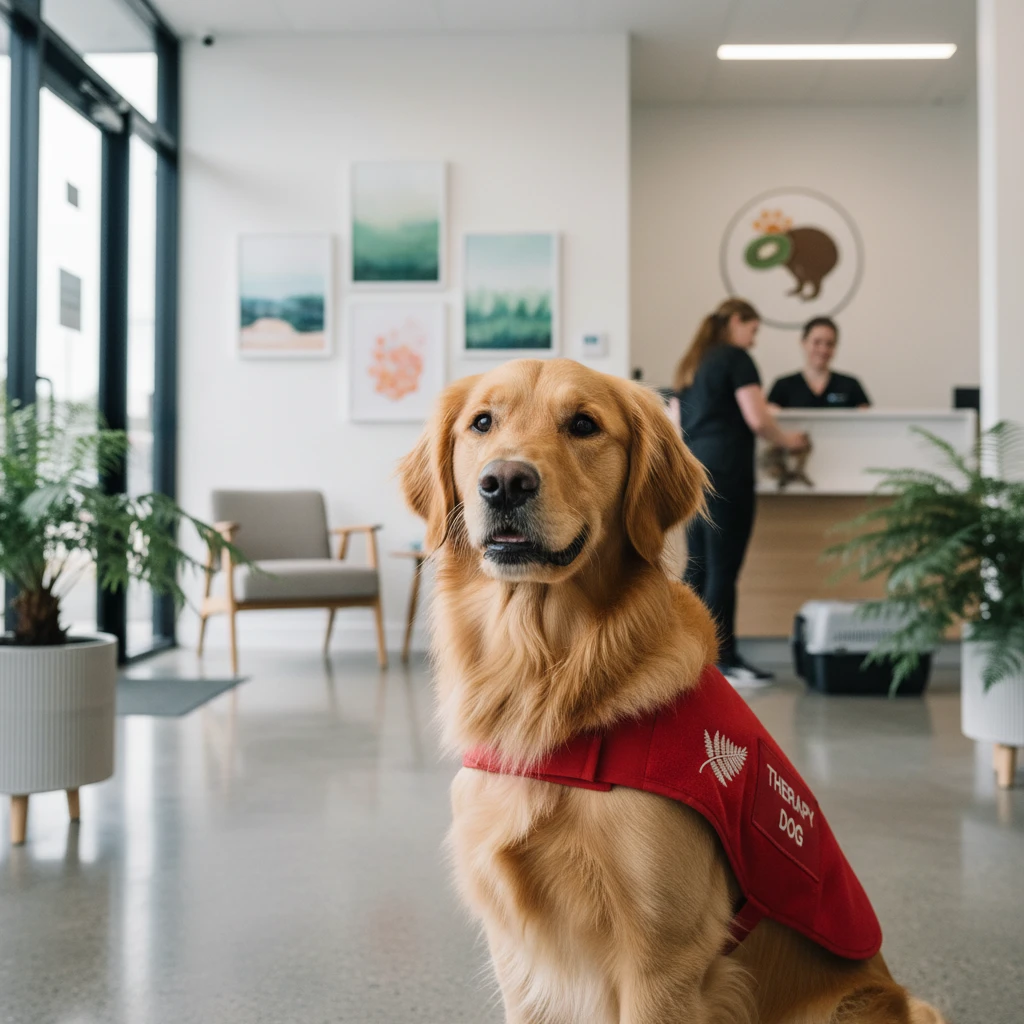
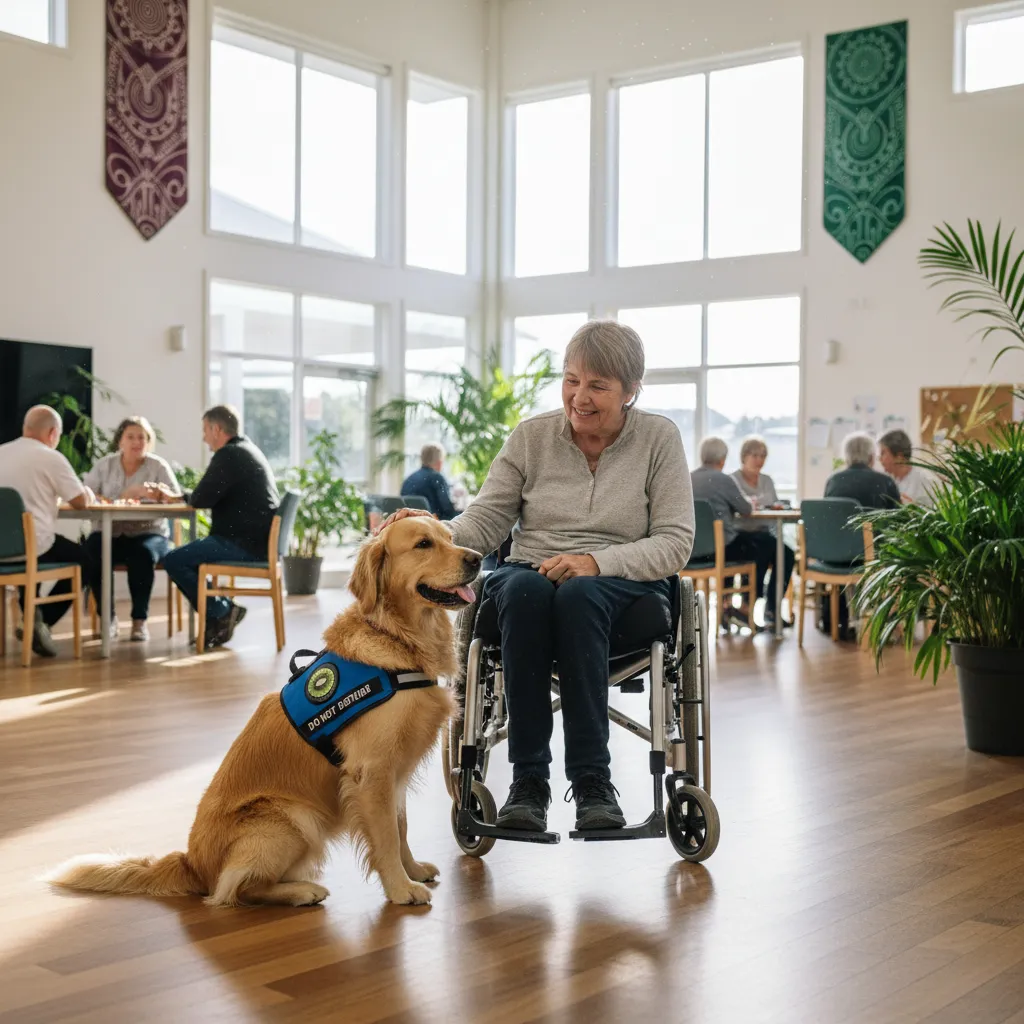
School funding for learning support dogs is typically secured through a combination of the Ministry of Education’s operational grants, targeted Learning Support budgets (managed by SENCOs), and external community grants. To successfully obtain funding in Term 1, schools must submit a comprehensive business case detailing the dog’s therapeutic objectives, risk management protocols, and a breakdown of ongoing welfare costs to the Board of Trustees before the finalization of the annual budget in February.
Integrating a therapy dog into a school environment is a transformative initiative that supports student well-being, emotional regulation, and literacy development. However, the logistical reality is that a high-quality canine therapy programme requires financial investment. From initial training and acquisition to ongoing veterinary care and insurance, the costs must be accounted for in a sustainable manner.
For New Zealand schools, Term 1 is the critical window for securing these funds. This guide serves as a comprehensive blueprint for Principals, SENCOs, and Board of Trustees members to navigate the financial landscape of implementing a learning support dog programme.
How do Ministry of Education funding cycles impact therapy dog programmes?
Understanding the fiscal rhythm of the Ministry of Education (MoE) is the first step in securing capital for a learning support dog. Unlike one-off projects, a therapy dog represents an operational expenditure (OpEx) that spans multiple years. Therefore, funding cannot simply be pulled from a discretionary petty cash fund; it must be woven into the school’s strategic financial plan.

The Operational Grant
The primary source of funding for most state and state-integrated schools is the Operational Grant. This bulk funding is deposited quarterly, but the allocation of these funds is usually determined during the budget meetings held late in Term 4 of the previous year or early in Term 1. To utilize the Operational Grant for a therapy dog, the programme must be classified as a core learning support resource.
When pitching to the Board for an allocation from the Operational Grant, frame the expenditure around student achievement outcomes. Do not frame the dog as a “pet” or a “mascot.” Instead, link the funding request to specific strategic goals, such as:
- improving attendance rates through anxiety reduction.
- Increasing engagement in literacy programmes (e.g., reading to the dog).
- De-escalating behavioral incidents, thereby reducing the strain on teacher aides.
Targeted Learning Support Funding
For schools with high numbers of students requiring additional support, the Special Education Grant (SEG) or specific Learning Support funding streams can be utilized. This money is ring-fenced for initiatives that help students with moderate to high needs access the curriculum.
A learning support dog fits squarely into this category. The key is to demonstrate that the dog is an intervention tool similar to a teacher aide or a piece of adaptive technology. Documentation is vital here; you must show that the dog will be used for specific interventions—such as scheduled therapy sessions for neurodiverse students—rather than just general classroom presence.
Why is February critical for learning support dog applications?
February constitutes the “financial settling period” for schools. While provisional budgets are often drafted in November, the actual confirmation of roles, student roll numbers, and final budget lines happens at the start of Term 1. This makes February the single most important month for submitting a funding application for a therapy dog.
The “Use It or Lose It” Mentality
In many cases, surplus funds from the previous year or unallocated resources for the current year are identified in February. By having a fully costed, professional proposal ready to present at the first or second Board of Trustees meeting of the year, you position the therapy dog programme as a viable solution for unallocated funds.
Furthermore, applying in Term 1 allows for a full year of data collection. If you secure funding in February, you can run the programme for three full terms and present a “Success Report” in Term 4. This data—showing improved reading ages or decreased behavioral stand-downs—becomes the evidence required to secure renewed funding for the following year.

Strategic Alignment with Annual Plans
Every school publishes an Annual Plan outlining its targets for the year. In Term 1, this document is fresh in the minds of the leadership team. Review your school’s Annual Plan immediately. If one of the goals is “Wellbeing” or “Inclusive Education,” your funding application should explicitly quote the Annual Plan, stating: “This funding request directly supports Strategic Goal 2: Enhancing Student Wellbeing by providing a proven mechanism for anxiety regulation.”
What are the real costs of a school-owned therapy dog?
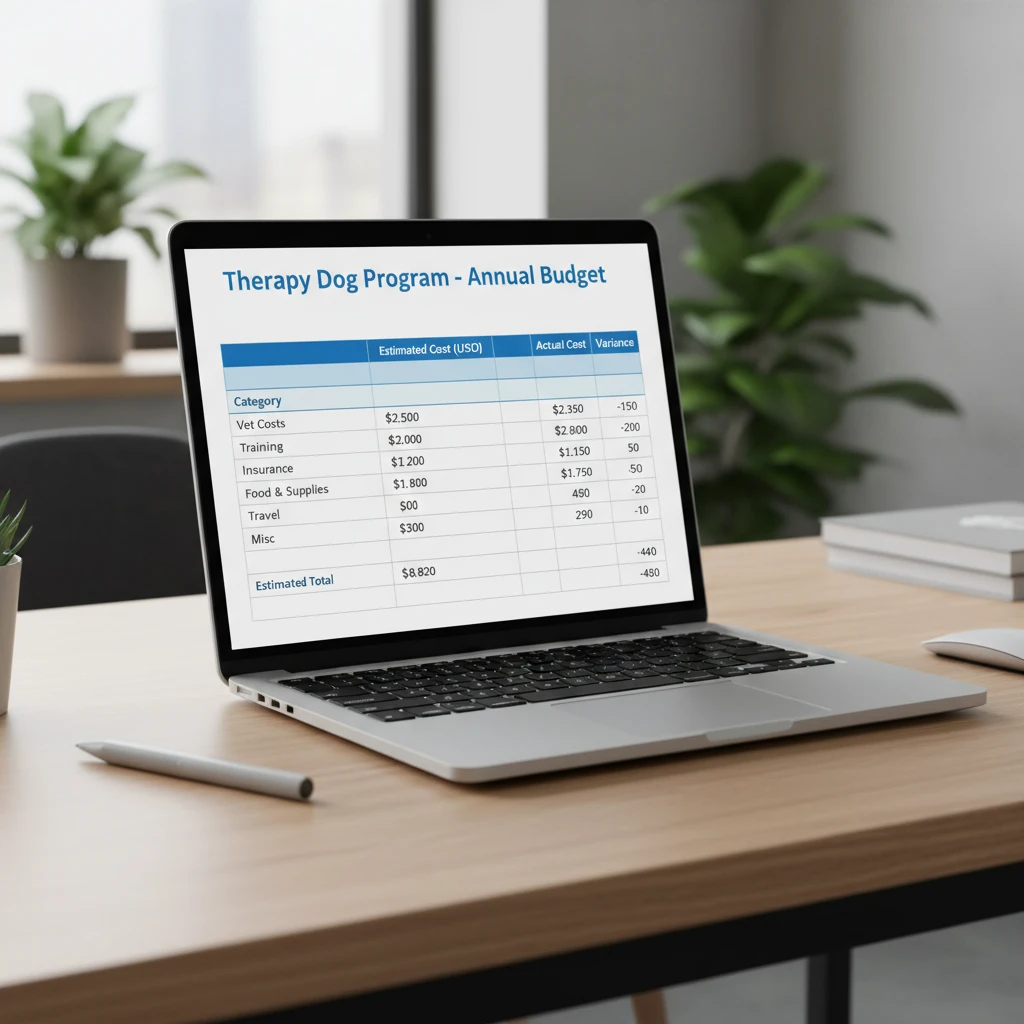
One of the most common reasons funding applications are rejected is a lack of financial transparency. Boards are risk-averse; they need to know the total cost of ownership, not just the purchase price of the dog. A robust application must distinguish between Capital Expenditure (CapEx) and Operational Expenditure (OpEx).
CapEx: The Upfront Investment
These are one-off costs associated with acquiring the resource. For a learning support dog, this includes:
- Acquisition/Adoption Fee: Depending on the breeder or organization, this can range from $1,500 to $5,000+.
- Specialist Training: This is the most significant cost. A fully certified therapy dog requires extensive training. Budget between $3,000 and $8,000 for professional training to meet Therapy Dogs NZ standards.
- Equipment: Crates, bedding, leads, vests, and initial grooming kits ($500 – $1,000).
OpEx: The Ongoing Liability
These are the costs that the Board needs to approve as a recurring line item. Underestimating these can lead to the programme being cancelled.
- Insurance: Public liability insurance is non-negotiable. While the school’s general liability may cover it, specific pet insurance for the animal’s health is also required ($600 – $1,000 per annum).
- Veterinary Care: Annual vaccinations, flea and worm treatments, and check-ups ($500 – $800 per annum).
- Food and Nutrition: High-quality diet to ensure the dog remains healthy and focused ($1,200 per annum).
- Certification Renewal: Annual assessments to ensure the dog remains safe to work with children ($150 – $300).
How to collaborate with PTAs for dog-related funding?
Parent Teacher Associations (PTAs) or “Friends of the School” groups are often more agile than the Board of Trustees and can be an excellent source of funding, particularly for the initial CapEx costs. PTAs are generally motivated by tangible additions to the school environment that visibly benefit the children.
Pitching to the PTA
When presenting to the PTA, focus on the community aspect. A therapy dog is not just a school asset; it is a community member. Use the following strategies to secure their support:
- The “Sponsor a Puppy” Campaign: Instead of asking for a lump sum, ask the PTA to lead a fundraising drive. This creates community buy-in. If the community helps fund the dog, they will be more supportive of the programme long-term.
- Visual Storytelling: PTAs respond well to emotion. Present case studies (anonymized) of students who are currently struggling with anxiety or attendance and explain exactly how the dog will help them.
- Naming Rights: As a token of gratitude for significant funding, offer the PTA the chance to help select the dog’s name (from a pre-approved list) or to have their logo on the dog’s working vest.
Hybrid Funding Models
A successful strategy is the “Hybrid Model.” In this scenario, you ask the PTA to fund the purchase and equipment (the fun, tangible parts), while the Board of Trustees agrees to cover the insurance and food (the boring, ongoing parts). This reduces the risk for the Board, as they don’t have to find the initial capital, and it gives the PTA a clear, achievable fundraising goal.
Structuring Your Funding Proposal
To move from “good idea” to “approved budget,” you need a formal proposal. Do not just send an email. Create a professional document including the following sections:
1. Executive Summary
A 100-word overview of what you are asking for and the primary benefit (e.g., “Requesting $4,500 to implement a Therapy Dog Programme to reduce truancy rates by 10%”).
2. Strategic Alignment
Directly reference the School Charter and MoE guidelines regarding inclusive education. Prove that this is not a luxury, but a tool for inclusion.
3. The Handler Strategy
Funding bodies worry about who looks after the dog. Clearly define the primary handler (usually a staff member) and the succession plan. Who takes the dog home? Who pays for food during school holidays? (Note: Usually the handler covers home costs, the school covers work costs—clarify this).
4. Risk Analysis (SWOT)
Address the negatives before they do.
Strengths: Emotional support.
Weaknesses: Staff allergies (propose a dog-free zone).
Opportunities: Community engagement.
Threats: Dog biting a child (reference your insurance and strict training protocols).

Financial Risk Mitigation for Schools
Finally, to seal the deal with a transactional intent, you must assure the budget holders that the financial risk is capped. The fear of “unexpected costs” often stalls funding.
Capping the Budget: Propose a strict annual cap. For example, request “up to $2,000 per annum for maintenance.” State clearly in the proposal that any costs exceeding this cap will be covered by fundraising or the handler, ensuring the school’s budget is never blown out by an unexpected surgery.
Exit Strategy: It is uncomfortable to discuss, but the Board needs to know what happens if the programme fails or the handler leaves the school. Include a clause stating that if the handler leaves, the dog (if owned by the handler) goes with them, and the funding ceases. If the dog is owned by the school, outline the rehoming protocol. This level of professionalism shows you are treating the funding application with the seriousness of a business logistics operation.
By preparing a Term 1 application that is financially literate, strategically aligned, and risk-managed, you significantly increase the probability of securing school funding for a learning support dog. The key is to move the conversation from “it would be nice to have a dog” to “this is a cost-effective resource for achieving our strategic learning goals.”
What specific grants are available for therapy dogs in NZ schools?
While there is no specific “Therapy Dog Grant” from the MoE, schools typically use the Operational Grant, the Special Education Grant (SEG), or apply for external community grants from organizations like the Lion Foundation or local gaming trusts, framing the application around learning support and community wellbeing.
Can we use the Urgent Response Fund (URF) for a therapy dog?
The Urgent Response Fund is designed for immediate wellbeing needs related to attendance and engagement. If you can prove the therapy dog is a direct intervention to return disengaged students to school (attendance support), it may be eligible, but this requires a strong case study linking the dog to specific students.
Who pays for the dog’s food during school holidays?
This depends on the ownership model. If the dog is school-owned, the school often covers food year-round. However, in most “Handler-Owner” models (where a teacher owns the dog), the school pays for expenses during term time, and the teacher pays for upkeep during holidays.
How much should a school budget annually for a therapy dog?
Excluding the initial purchase and training, a school should budget between $2,000 and $3,000 NZD annually. This covers insurance, premium food, annual vet checks, vaccinations, flea/worm treatments, and certification renewal fees.
Does the Ministry of Education provide insurance for therapy dogs?
No, the MoE’s Risk Management Scheme generally covers property and liability, but not the health of an animal. Schools must take out specific pet insurance and public liability insurance that explicitly covers animal interactions in an educational setting.
What is the best time of year to apply for therapy dog funding?
February (Term 1) is the optimal time. This is when schools finalize their annual budgets, confirm student rolls, and allocate surplus funds from the previous year. Applying in Term 1 also allows for a full year of impact reporting.