
To register a therapy dog in New Zealand, you must first ensure your dog possesses basic obedience skills and a calm temperament. Next, apply for membership with a recognized organization such as St John Therapy Pets or Canine Friends Pet Therapy. Finally, you and your dog must pass a formal clinical assessment and police vetting to receive official certification and identification badges.
Becoming a therapy dog handler is a rewarding journey that allows you to share the unconditional love of your canine companion with those who need it most. In New Zealand, the process is rigorous to ensure the safety of both the recipients and the animals involved. This guide details every step required to transform your family pet into a certified therapy dog.
What is a Therapy Dog in NZ?
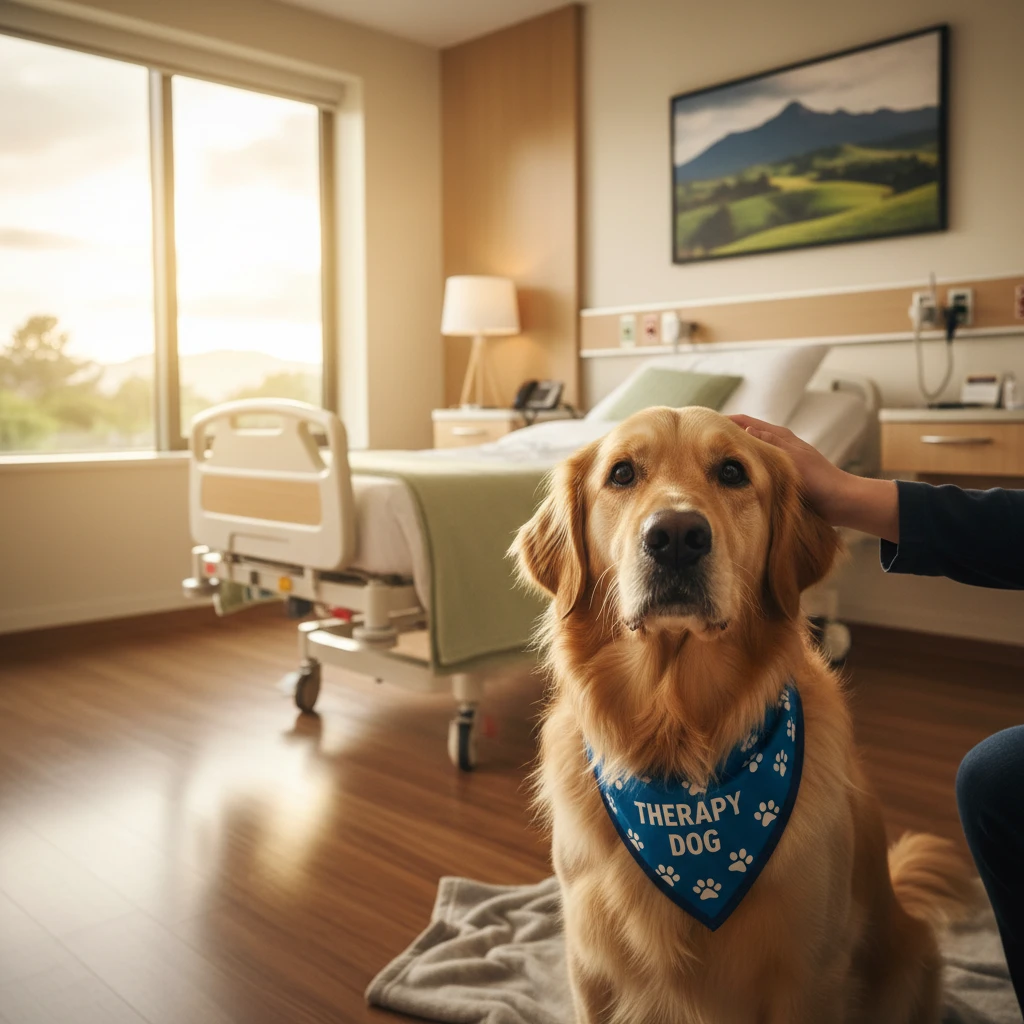
Before diving into the registration process, it is critical to understand what a therapy dog is—and more importantly, what it is not. In New Zealand, a therapy dog is a pet that has been trained, assessed, and registered to visit institutions such as hospitals, rest homes, schools, and hospices to provide comfort and companionship.
Unlike Assistance Dogs (such as Guide Dogs or Mobility Dogs), therapy dogs are not trained to perform specific tasks to mitigate a handler’s disability. Consequently, they do not have the same legal access rights to public places like supermarkets, cafes, or airplanes. They are invited guests in the facilities they visit.
Prerequisites for Registration
Not every dog is suitable for therapy work. Before you attempt to register, you must objectively evaluate your dog against the following criteria. Organizations will screen for these traits immediately.
Temperament Requirements
The most vital attribute is temperament. A therapy dog must be:
- Calm and Gentle: They must not jump up, bark excessively, or show aggression.
- Sociable: They should actively seek attention from strangers without being over-exuberant.
- Resilient: They must tolerate clumsy handling, loud noises, and strange smells (common in medical environments).
- Controllable: You must be able to redirect their attention instantly.
Age and Health
Most organizations in New Zealand require dogs to be at least 12 months old before they can be tested. This ensures the dog has passed the puppy stage and has a settled personality. Additionally, the dog must be fully vaccinated, wormed, and flea-treated. A vet check is a mandatory part of the registration paperwork.
Step-by-Step Registration Process
There is no central government registry for therapy dogs in New Zealand. Instead, registration is handled by specific charitable organizations. Following these steps will ensure you navigate the process efficiently.
1. Master Basic Obedience
Before applying, your dog needs to master the Canine Good Citizen (CGC) basics or equivalent. While a CGC certificate is not always mandatory, the skills are. Your dog must be able to:
- Walk on a loose lead without pulling.
- Sit, drop, and stay on command.
- Come when called (recall).
- “Leave it” (crucial for avoiding dropped medication or food in facilities).
- Accept grooming and handling of paws/ears by a stranger.
2. Select a Recognized Organization
Choose the organization that best fits your location and the type of volunteering you wish to do. The two primary bodies are St John and Canine Friends Pet Therapy.
3. Submit Your Application
Complete the application form for your chosen organization. This will typically require:
- Proof of dog registration with your local council.
- Vaccination records.
- A character reference for the handler.
- Consent for Police Vetting (for the handler).
4. The Clinical Assessment
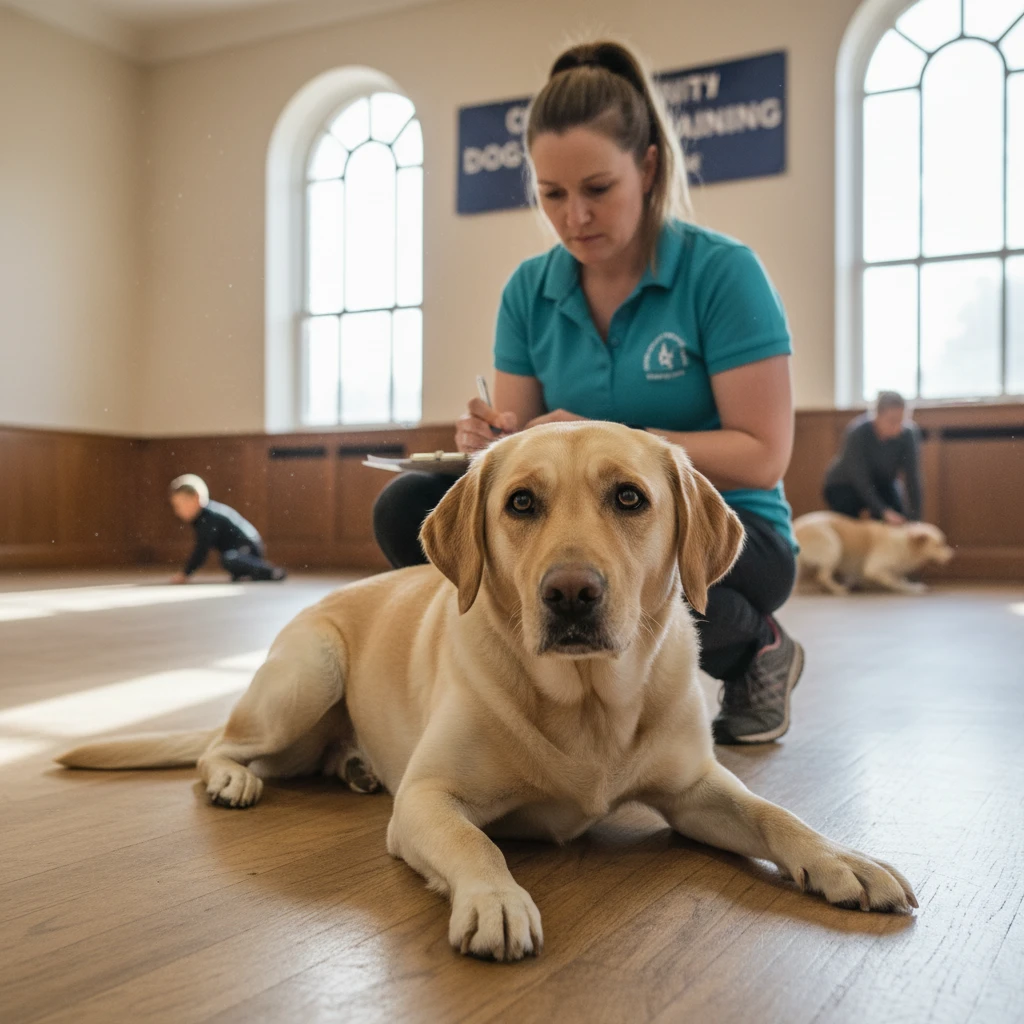
If your paper application is accepted, you will be invited to an assessment. This is a practical test where an assessor observes you and your dog in a simulated therapy environment.
Recognized Organizations in New Zealand
To be “registered,” you must become a member of an accredited organization. Here are the primary bodies operating in NZ.
St John Therapy Pets
St John is one of the most recognizable names in New Zealand community care. Their Therapy Pets program connects volunteers with rest homes, hospitals, and schools.
- Focus: Community companionship and “Reading to Dogs” programs in schools.
- Requirements: Dogs must be 1 year old; handlers must pass police vetting.
- Uniform: Dogs wear a distinctive St John bandana and ID tag.
Canine Friends Pet Therapy
Canine Friends is a nationwide network of volunteers specifically dedicated to visiting hospitals and rest homes.
- Focus: Visiting patients in medical and geriatric facilities.
- Requirements: Strict temperament testing regarding medical equipment (wheelchairs, walkers).
- Uniform: Dogs wear a yellow Canine Friends scarf/bandana.
Talking Dogs (Christchurch)
Specific to the Christchurch area, this organization focuses on educational settings and building confidence in children through interaction with dogs.
Passing the Assessment
The assessment is the hurdle where most unprepared dogs fail. Knowing what to expect is the key to passing.
Simulated Scenarios
Assessors will replicate the environment of a hospital or school. Common test scenarios include:
- Sudden Noises: Dropping a metal bowl or clipboard to test for startle recovery. The dog can look but must not panic or become aggressive.
- Crowding: Several people surrounding the dog to see if they feel claustrophobic.
- Rough Handling: Gently tugging the tail or ears to simulate a child or elderly person with poor motor control.
- Medical Equipment: Walking past a wheelchair or someone using crutches. The dog must not shy away or try to jump on the equipment.
- Food Refusal: Walking past food on the floor without eating it.
ID Badges, Vests, and Equipment
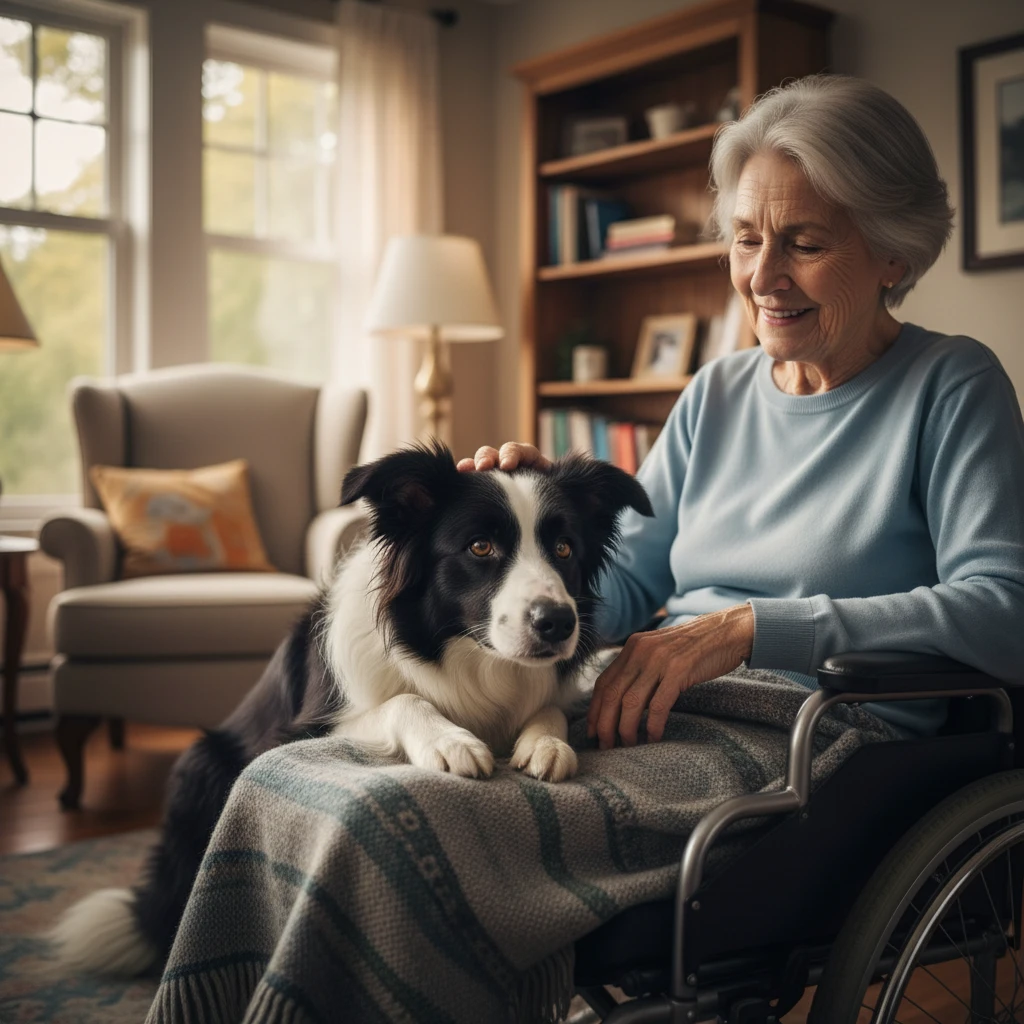
Once you pass the assessment and police vetting, you will receive official identification. In New Zealand, therapy dogs generally do not wear full harnesses like service dogs; they typically wear bandanas or scarves to appear more approachable and “pet-like.”
The ID Badge
You will be issued an ID card that identifies you as a registered volunteer. This must be worn at all times during visits. It usually contains:
- Photo of the handler.
- Photo of the dog.
- Organization logo (e.g., St John or Canine Friends).
- Expiry date.
Uniform Standards
St John: Provides a black bandana with the St John logo.
Canine Friends: Provides a yellow scarf.
Leashes: Retractable leads are almost universally banned in therapy work. You will be required to use a fixed lead (usually 1-1.5 meters) to ensure you are always close to your dog.
Legal Access Rights in NZ
This is the most misunderstood aspect of registering a therapy dog. It is vital to distinguish between Therapy Dogs, Assistance Dogs, and Emotional Support Animals (ESAs).
No Public Access Rights
Registering your dog with St John or Canine Friends does not grant you the right to take your dog into:
- Supermarkets
- Cafes and Restaurants
- Shopping Malls
- Public Transport (Buses/Trains)
- Airplanes (in the cabin)
Therapy dogs are only allowed in the specific facilities they are visiting (e.g., the specific rest home) and only during the agreed-upon visiting hours. Outside of these visits, they are legally considered pets.
Maintenance of Certification
Registration is not a one-time event. To maintain the safety and integrity of the program, you must adhere to ongoing requirements.
Annual Health Checks
You must provide updated vaccination records annually. If your dog develops a health condition (e.g., arthritis or blindness) that causes them pain or stress, they may need to be retired from service.
Re-Assessment
Most organizations require a re-assessment every 1 to 2 years. This ensures that the dog’s temperament hasn’t changed as they age. Dogs can become less tolerant or more anxious over time, and regular testing safeguards the public.
Volunteer Hours
To keep your registration active, you are usually expected to commit to a minimum number of visits (e.g., one hour per fortnight). Inactive members may have their registration revoked to free up resources for active volunteers.
People Also Ask
Can I register my own dog as a therapy dog in NZ?
Yes, provided your dog is at least 12 months old, healthy, fully vaccinated, and passes a temperament assessment with a recognized organization like St John or Canine Friends Pet Therapy.
How much does it cost to register a therapy dog in NZ?
The cost is generally low as these are volunteer organizations. You may need to pay a small annual membership fee (typically between $30 – $50 NZD) to the organization, plus the cost of your own dog’s vet checks and vaccinations.
What is the difference between a therapy dog and an assistance dog in NZ?
An assistance dog is trained to perform tasks for a disabled person and has legal access to all public places. A therapy dog provides comfort to others and only has access to specific facilities (like hospitals) during scheduled visits.
Can a therapy dog fly in the cabin in NZ?
No. In New Zealand, only certified Assistance Dogs are allowed in the aircraft cabin. Therapy dogs must travel in the cargo hold like regular pets.
What breeds make the best therapy dogs?
Any breed can be a therapy dog if they have the right temperament. However, Golden Retrievers, Labradors, and Poodles are commonly used due to their gentle nature and high trainability.
How long does the therapy dog training take?
If your dog already has basic obedience, the specific process of application, vetting, and assessment typically takes 1 to 3 months. If your dog needs basic training first, it can take 6 to 12 months to reach the required standard.