
To register for Hamilton therapy dog training, prospective handlers must first verify their dog meets the minimum age and temperament requirements. The process involves submitting an online application, providing current vaccination records, and scheduling a preliminary behavioral assessment. Successful candidates can then select an upcoming intake date to begin their certification journey.
Prerequisites for Dogs and Handlers in Hamilton
Before you attempt to register for Hamilton therapy dog training, it is crucial to understand that animal-assisted therapy requires a specific set of characteristics from both the canine and the human end of the leash. Not every dog is suited for this work, regardless of how much they are loved at home. The safety of the vulnerable populations you will visit—such as patients at Waikato Hospital or residents in local rest homes—is paramount.
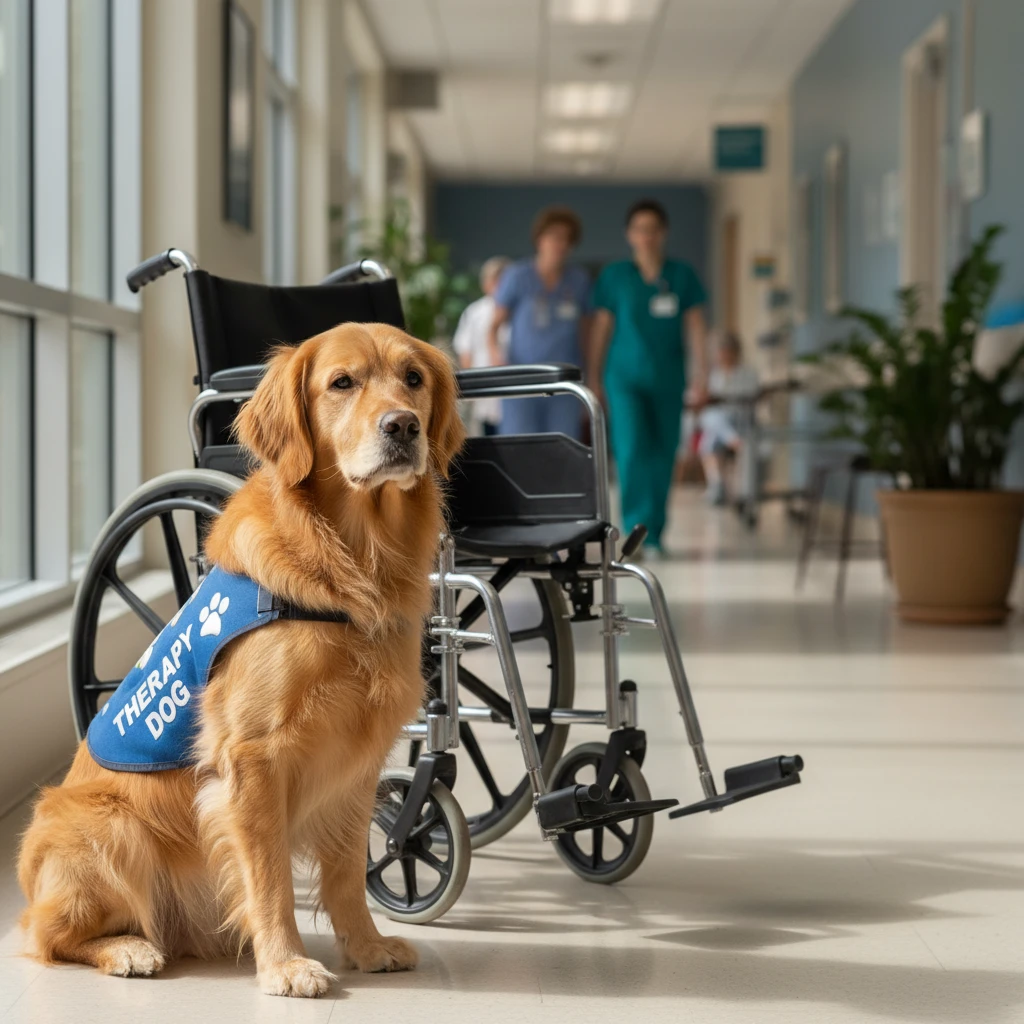
Canine Requirements
To ensure success in the programme, your dog must meet strict criteria before registration is accepted. This is not basic obedience; it is advanced temperament stability.
- Age Minimums: generally, dogs must be at least 12 months old. Puppies are still developing emotionally and physically, making them unsuitable for the stressors of therapy work.
- Health and Vaccinations: Full immunisation records are mandatory. This includes core vaccines (Distemper, Hepatitis, Parvovirus) and Kennel Cough. Regular flea and worming treatments must be documented.
- Temperament: The dog must be actively friendly, not just tolerant. They should seek out human interaction without being boisterous. Aggression, resource guarding, or excessive shyness are immediate disqualifiers.
- Basic Obedience Foundation: Before entering the specialized therapy course, your dog should already have a reliable “sit,” “stay,” “down,” and “leave it.” Loose-leash walking is non-negotiable.
Handler Requirements
The human half of the team is just as important. You will be acting as your dog’s advocate while simultaneously navigating complex social interactions.
- Police Vetting: As you will be working with vulnerable people (children and the elderly), a clean criminal record check is standard procedure in New Zealand.
- Time Commitment: Beyond the training course, consider if you have the time to volunteer consistently. Most organizations in the Waikato region require a commitment of at least two visits per month.
- Emotional Resilience: Therapy work can be emotionally taxing. Handlers need to be composed and professional in environments that may include hospices or special needs schools.
What Does the Hamilton Therapy Dog Course Cover?
When you register for Hamilton therapy dog training, you are signing up for a comprehensive educational experience. The curriculum is designed to transition a well-behaved pet into a professional working partner. The training methodology focuses on positive reinforcement, ensuring the dog enjoys their work.
Desensitization Training
A significant portion of the course involves exposing the dog to novel stimuli found in clinical settings. This includes:
- Medical Equipment: Dogs are trained to walk calmly alongside wheelchairs, walkers, and crutches without fear or curiosity-driven interference.
- Sudden Noises: Training includes recovery from startle responses caused by dropped trays, alarms, or shouting.
- Scent and Touch: Dogs must tolerate clumsy petting, tight hugs, or the scent of antiseptics and medications without recoiling.
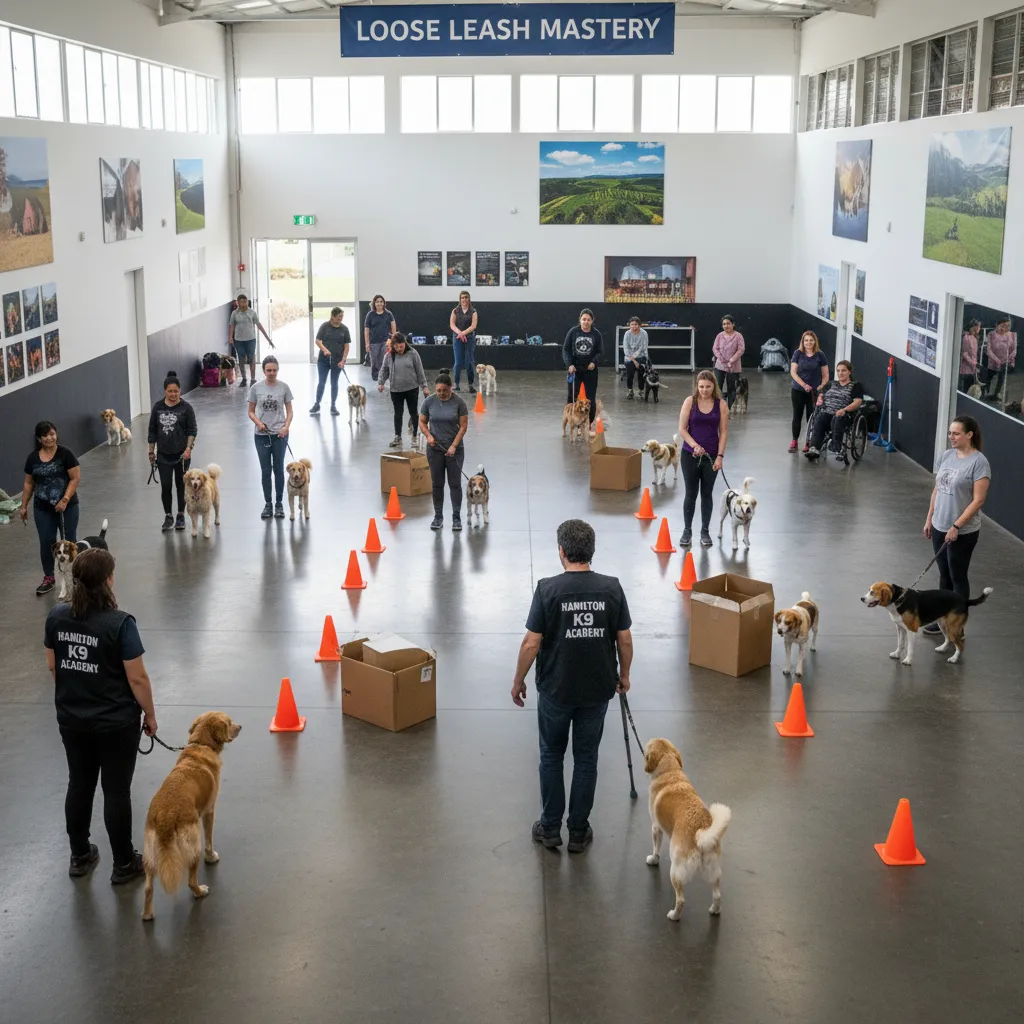
Handler Skills
You will learn how to read your dog’s subtle stress signals (lip licking, whale eye, avoidance) to prevent burnout. You will also learn infection control protocols relevant to New Zealand health standards, ensuring you do not transmit pathogens between patients.
Next Intake Dates and Scheduling
Courses in Hamilton typically run on a quarterly basis to ensure small class sizes and personalized attention. Due to high demand in the Waikato region, spots often fill up weeks in advance.
Upcoming Seasonal Intakes:
- Summer Intake: Registration opens in January for February commencement.
- Autumn Intake: Registration opens in April for May commencement.
- Winter Intake: Registration opens in July for August commencement.
- Spring Intake: Registration opens in October for November commencement.
It is highly recommended to join the waitlist if your desired intake is full. Priority is often given to waitlisted candidates for subsequent rounds.
Cost and Payment Options
Transparency in pricing is essential. While costs can vary slightly based on the specific accreditation body, the following is a standard fee structure for professional therapy dog training in New Zealand.
Fee Breakdown
- Initial Assessment Fee ($50 – $80 NZD): This covers the one-hour behavioral evaluation to determine if your dog is a suitable candidate before you pay for the full course.
- Course Tuition ($350 – $600 NZD): This includes 6-8 weeks of practical training, classroom hire, and instructor fees.
- Course Materials ($50 NZD): Covers your training manual, clicker, and treat pouch.
- Final Certification & Vest ($100 – $150 NZD): Upon passing, this covers your official ID badge, liability insurance setup, and the uniform vest.
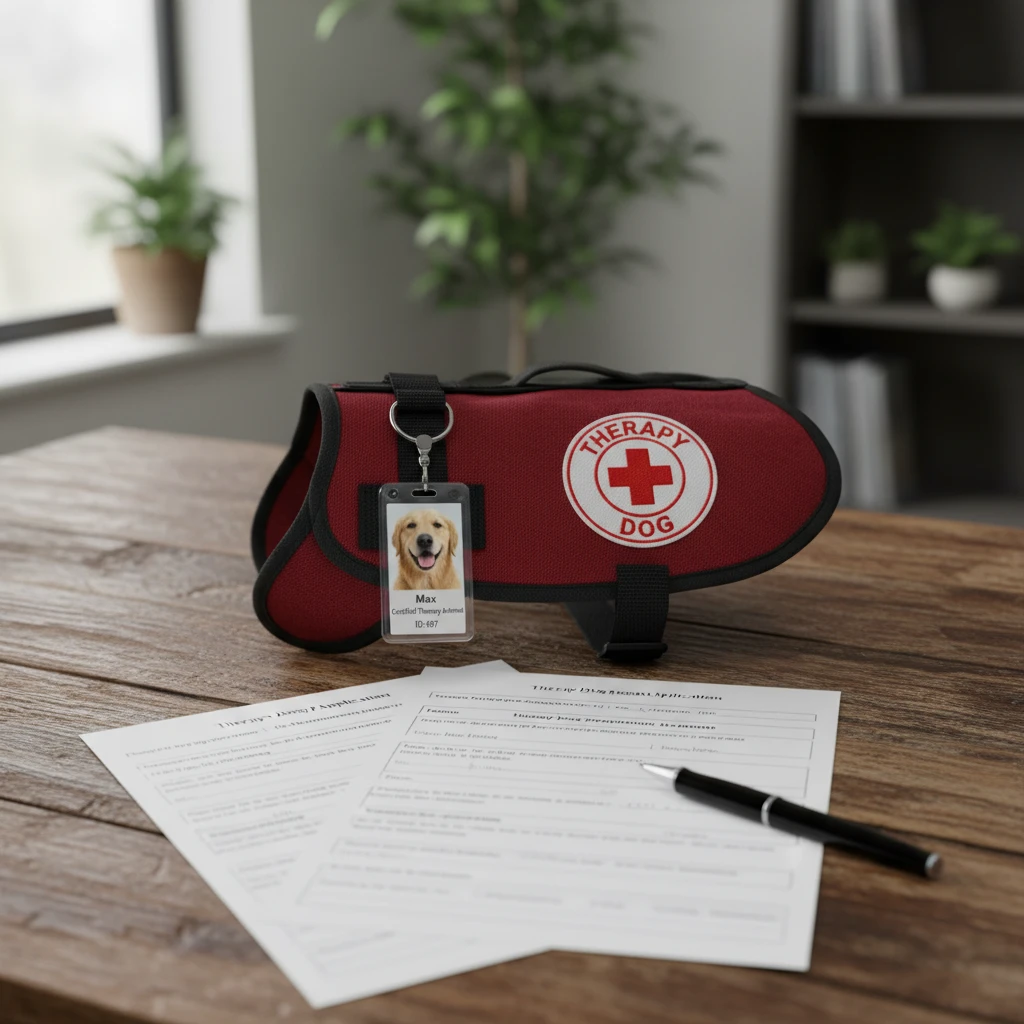
Payment Plans
To make training accessible, many Hamilton providers offer split payment options. Typically, a 50% deposit is required upon registration to secure your spot, with the remaining balance due before the fourth week of training. Some organizations may offer scholarships or subsidies for volunteers committing to high-need areas like hospice care.
How to Register for Hamilton Therapy Dog Training: Online Enrollment
Ready to take the next step? The registration process is streamlined to be efficient but thorough. Follow this step-by-step guide to secure your place in the next class.
Step 1: Complete the Digital Application
Visit the official portal and fill out the “Handler & Hound” profile. You will need to provide details about your dog’s breed, age, and history, as well as your own motivation for becoming a therapy team.
Step 2: Upload Documentation
You will be required to upload digital scans or clear photos of:
- Current Vaccination Certificate (signed by a veterinarian).
- Proof of dog registration with the Hamilton City Council.
- Desexing certificate (if applicable/required by the specific organization).
Step 3: Book the Pre-Assessment
Once your paperwork is vetted, you will receive an email invitation to book your in-person assessment. This is a 30-minute session where a trainer observes your dog’s natural reactions to strangers and strange objects.
Step 4: Confirm and Pay
If you pass the assessment, you will be sent a link to the final registration page. Select your intake date and process your payment via credit card or bank transfer. You will then receive your welcome pack and reading materials.

People Also Ask
How long does the therapy dog training course take?
Most therapy dog courses in Hamilton run for 6 to 8 weeks, with classes held once a week. However, the total time includes the initial assessment and the final graduation test. Handlers should also expect to spend 15-20 minutes daily practicing skills at home during the course duration.
Can any dog breed become a therapy dog in NZ?
Yes, any breed or mix can become a therapy dog provided they have the correct temperament. While breeds like Golden Retrievers and Labradors are common, Hamilton organizations frequently certify Greyhounds, Poodles, and mixed-breed rescue dogs. The dog’s individual personality is more important than its pedigree.
What is the difference between a therapy dog and a service dog?
This is a critical distinction. A service dog is trained to perform specific tasks to assist a single person with a disability and has public access rights. A therapy dog is trained to provide comfort and affection to many people in facility settings (hospitals, schools) and does not have public access rights to shops or cafes when not working.
Is the certification recognized throughout New Zealand?
Certification recognition depends on the organization you train with. Major organizations like St John or Canine Friends Pet Therapy have national recognition. If you train with a private Hamilton trainer, ensure their curriculum meets the standards of the specific facilities you wish to visit.
What happens if my dog fails the assessment?
If your dog does not pass the initial assessment or the final exam, it is not the end of the road. Trainers will provide specific feedback on what needs improvement. You can often undertake remedial training or a “Canine Good Citizen” course and re-apply for the next intake.
Do I need insurance to volunteer?
Yes, liability insurance is essential when entering public facilities. Most reputable training organizations include volunteer liability insurance as part of their annual membership fee after you graduate. Always verify this before your first official visit.