
Dogs in counseling sessions in NZ, formally known as Animal-Assisted Therapy (AAT), involve the integration of trained canines into psychological treatment plans to enhance client outcomes. These therapy dogs assist registered psychologists by reducing client anxiety, facilitating emotional regulation, and building rapport, all while adhering to the ethical guidelines set by the New Zealand Psychologists Board.
The inclusion of dogs in mental health practices is rapidly gaining traction across Aotearoa. As the stigma surrounding mental health dissipates, clinicians are seeking innovative, evidence-based methods to connect with clients who may find traditional talk therapy daunting. Integrating dogs into counseling sessions transforms the therapeutic landscape from a clinical, sterile environment into a warm, welcoming space. This article explores the profound impact of canine co-therapists, specifically tailored to the New Zealand context.
What is the Role of Dogs in Counseling Sessions in NZ?
In New Zealand, the role of dogs in counseling sessions extends far beyond simply having a pet in the room. It is a goal-directed intervention where the animal is an integral part of the treatment process. Psychologists utilizing AAT leverage the human-animal bond to address specific therapeutic goals, such as improving social skills, increasing self-esteem, and managing emotional dysregulation.
The practice is grounded in the understanding that animals, particularly dogs, offer non-judgmental support. In a country with one of the highest rates of pet ownership in the world, Kiwis often have an innate comfort level with animals. This cultural affinity makes the integration of dogs into therapy a particularly effective modality in New Zealand. Whether working with tamariki (children) in schools or adults in private practice, the presence of a dog can catalyze breakthroughs that might take weeks or months to achieve in traditional settings.

Breaking Down Barriers with New Clients
One of the most significant challenges in psychotherapy is establishing the therapeutic alliance—the trust-based relationship between therapist and client. For many new clients, walking into a psychologist’s office can be an intimidating experience filled with vulnerability and fear of judgment.
Building Rapport Through Canine Presence
Dogs act as social lubricants. Their presence naturally disrupts the potentially awkward silence of a first session and provides a neutral, safe topic of conversation. When a client enters the room and is greeted by a wagging tail, the dynamic shifts immediately. The focus moves from the client’s internal distress to the external, comforting presence of the animal. This “triangulation” allows the client to interact with the therapist through the dog, making the process feel less confrontational.
Reducing Initial Anxiety via Physiological Mechanisms
The physiological impact of dogs in counseling sessions is well-documented. Interactions with therapy dogs have been shown to lower cortisol levels (the stress hormone) and increase the production of oxytocin (the bonding hormone). For a new client in NZ, where the “she’ll be right” attitude can sometimes mask deep-seated anxiety, the biological response to a dog bypasses defense mechanisms. A client stroking a dog’s fur may find their heart rate slowing and their breathing deepening without conscious effort, creating a baseline of calm necessary for effective therapy.
Trauma-Informed Care with Animals
Trauma-informed care shifts the clinical perspective from “What is wrong with you?” to “What happened to you?” In this context, dogs serve as powerful agents of safety and regulation, particularly for clients suffering from complex trauma or abuse.
The Neuroscience of Connection and Safety
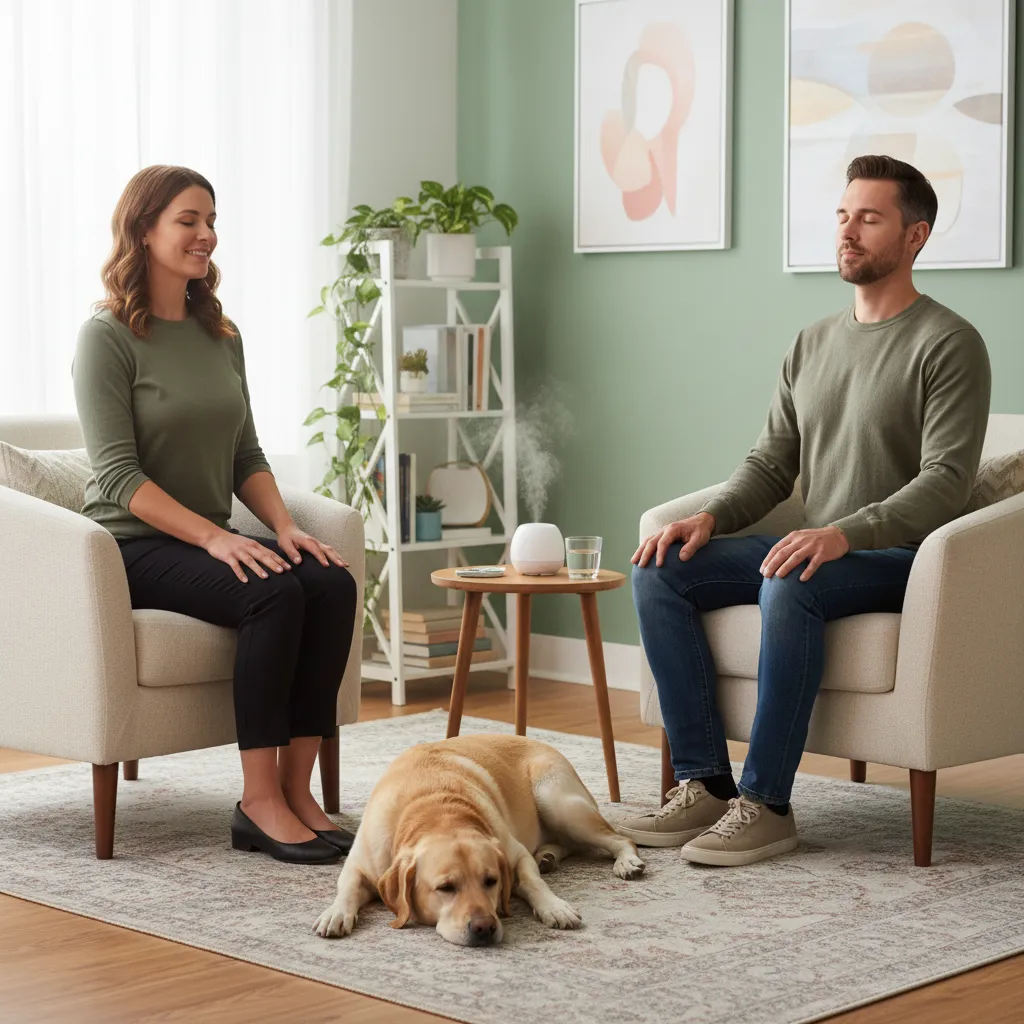
Trauma often compromises a survivor’s ability to feel safe in relationships. The Polyvagal Theory suggests that trauma survivors often oscillate between hyperarousal (fight/flight) and hypoarousal (freeze/shutdown). A therapy dog can help engage the client’s ventral vagal system, which is responsible for social engagement and safety. Because dogs are hyper-vigilant to human emotion yet non-threatening, they model safety. If the dog is relaxed and sleeping, it signals to the client’s primitive brain that the environment is safe, allowing them to lower their guard.

Creating a Non-Judgmental Space
Survivors of trauma often carry immense shame. Sharing their story with another human can be excruciating due to the fear of being judged or pitied. A dog offers unconditional positive regard. They do not care about the client’s past, their appearance, or their socio-economic status. This pure acceptance can be a corrective emotional experience for clients who have been conditioned to expect rejection. In the NZ context, where mental health resources can sometimes be stretched, maximizing the efficacy of each session through such profound connection is vital.
Grounding Techniques for PTSD
For clients with Post-Traumatic Stress Disorder (PTSD), flashbacks and dissociation are debilitating symptoms. Grounding techniques are essential tools to bring the client back to the present moment. Dogs in counseling sessions provide a tangible, living anchor for these techniques.
Tactile Stimulation and Sensory Regulation
Dissociation involves a detachment from reality. A therapy dog offers immediate, intense sensory input that can pull a client out of a dissociative state. Psychologists can direct clients to focus on:
- Texture: The softness of the dog’s ears versus the coarseness of their coat.
- Temperature: The warmth of the dog’s body against their leg.
- Rhythm: The steady rise and fall of the dog’s breathing.
This tactile engagement forces the brain to process immediate sensory data, overriding the neural pathways firing the trauma response.
Co-regulation and Biofeedback
Dogs are masters of co-regulation. When a therapy dog is calm, their slow heart rate and breathing can influence the client’s physiology through a process known as entrainment. A psychologist might instruct a client to “match their breathing to the dog’s.” This serves as a form of biofeedback. As the client focuses on the dog’s calm state, they inadvertently regulate their own nervous system. In New Zealand’s AAT practices, this is often used as a prelude to exposure therapy, ensuring the client is grounded before approaching difficult memories.
Ethical Considerations for Psychologists in New Zealand
While the benefits are substantial, introducing dogs into counseling sessions in NZ requires strict adherence to ethical standards. The welfare of both the client and the animal is paramount.
Animal Welfare and Safety
The dog is a co-therapist, not a tool. Under the Animal Welfare Act 1999, owners have a legal obligation to ensure the physical and behavioral needs of the animal are met. In a clinical setting, this means:
- Limits on Work Hours: Therapy dogs should not work full 8-hour days. They absorb emotional stress and require frequent breaks, access to water, and a safe “time-out” space where they are not disturbed.
- Consent of the Dog: A psychologist must be attuned to their dog’s stress signals (e.g., yawning, lip licking, avoidance). If a dog does not want to interact, they should never be forced.
Informed Consent and Client Safety
Not all clients are suitable for AAT. Psychologists must obtain specific informed consent regarding the presence of the dog. This includes screening for:
- Allergies: Dander can be a severe health risk.
- Phobias: For a client with cynophobia (fear of dogs), an unannounced dog could re-traumatize them.
- Cultural Considerations: In a multicultural society like New Zealand, it is crucial to respect that views on dogs vary. Some cultures view dogs as unclean or dangerous, and their presence would be inappropriate.
New Zealand Psychologists Board Guidelines
Psychologists must practice within their scope of competence. Simply owning a nice dog does not qualify a clinician to offer AAT. The New Zealand Psychologists Board Code of Ethics requires that practitioners have specific training in the modality they offer. This implies that the psychologist understands the mechanisms of AAT, risk management, and zoonotic disease control.
Training and Certification for Therapy Dogs in NZ
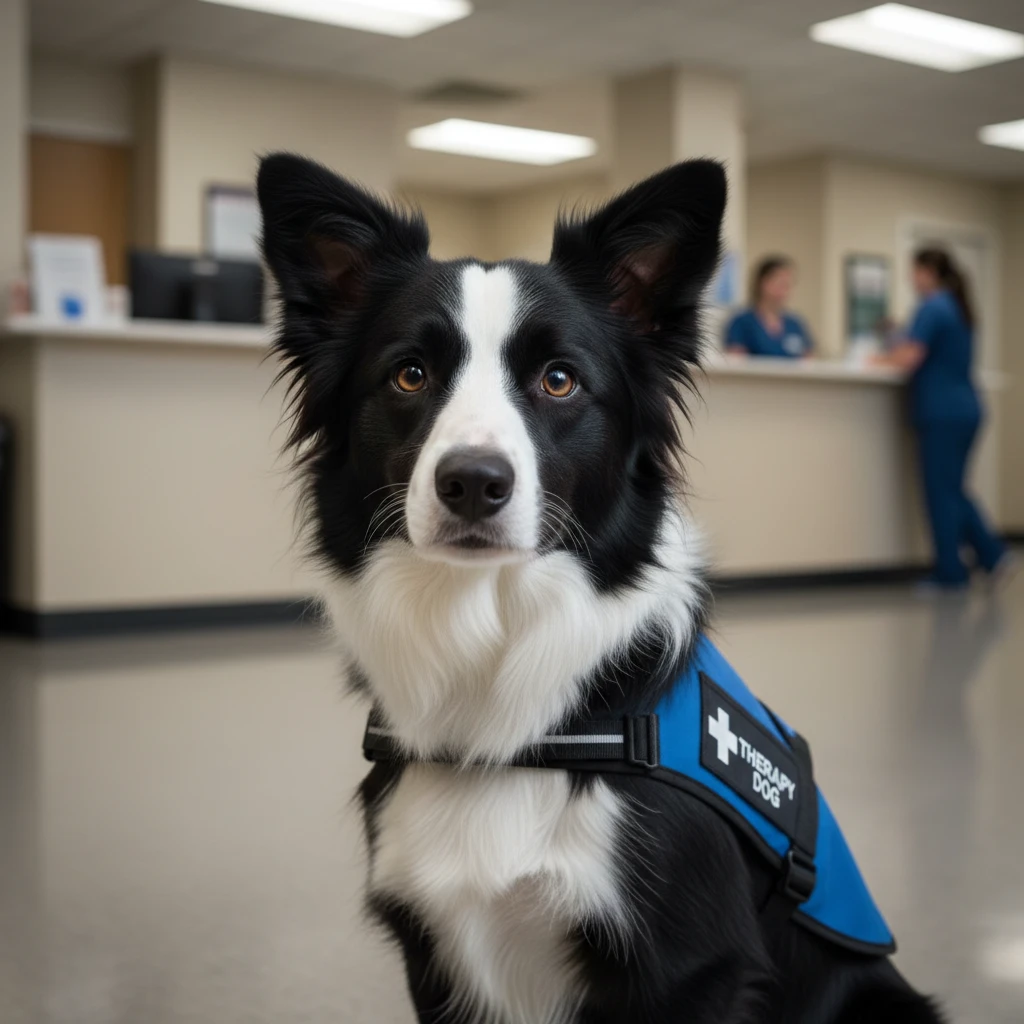
There is a distinct difference between a service dog (trained to perform tasks for a disability) and a therapy dog (trained to provide comfort). However, in a professional psychology setting, the standard for behavior must be impeccably high.
In New Zealand, organizations such as Therapy Dogs New Zealand and St John set benchmarks for canine behavior. A therapy dog in a counseling session must be:
- Obedient: Respond immediately to commands even with distractions.
- Predictable: Have a stable temperament with no history of aggression.
- Socialized: Be comfortable with strangers, sudden noises, and unusual equipment (like wheelchairs or crutches).
Psychologists often undergo a rigorous assessment process where an independent evaluator assesses the dog-handler team. This certification provides liability insurance and assures clients that the animal has been vetted for safety and temperament.
People Also Ask
Is animal-assisted therapy covered by ACC in New Zealand?
ACC (Accident Compensation Corporation) typically funds evidence-based psychological treatment for covered injuries. While they do not have a specific billing code for “animal-assisted therapy,” if the registered psychologist providing the treatment is an ACC provider and uses the dog as an adjunct to approved therapies (like CBT or EMDR), the session is generally covered. It is best to check with the specific provider and case manager.
What qualifications do therapy dogs need in New Zealand?
There is no single government-mandated qualification for therapy dogs in NZ. However, professional ethics dictate that dogs should pass a temperament and obedience assessment from a recognized body like Therapy Dogs New Zealand or similar organizations. Psychologists must also ensure their professional indemnity insurance covers the presence of the animal.
Can I bring my own dog to my counseling session?
This depends entirely on the individual psychologist’s policy. While some therapists may allow “emotional support animals” if it aids the client’s ability to engage, many do not due to liability, lease agreements, or the potential distraction a non-trained animal might cause. Always ask your therapist in advance.
How much does a psychologist with a therapy dog cost in NZ?
The cost is usually the same as a standard psychology session, ranging from $180 to $250 NZD per hour for private practice. The presence of the dog is considered a value-added modality rather than an extra billable service. Subsidies may be available through PHOs or private insurance.
What breeds make the best therapy dogs for counseling?
Temperament is more important than breed. However, breeds known for their calm demeanor and trainability, such as Golden Retrievers, Labradors, and Poodles (often used for their hypoallergenic coats), are common in NZ practices. The dog must be low-energy indoors and highly tolerant of human emotion.
Are there risks to using dogs in therapy sessions?
Yes, risks include allergies, potential scratches or bites (though rare with trained dogs), and zoonotic diseases. There is also the risk of the client becoming overly dependent on the animal for regulation. Professional psychologists manage these risks through strict hygiene protocols, behavioral assessments, and clear therapeutic boundaries.