
Physiotherapy motivation with dogs, formally recognized within Animal-Assisted Therapy (AAT), involves integrating trained therapy canines into rehabilitation protocols to enhance patient adherence and physical outcomes. This modality leverages the human-animal bond to stimulate oxytocin release, lower cortisol levels, and distract patients from pain, thereby increasing the duration and intensity of therapeutic exercises.
The Science of Motivation: Why Dogs Accelerate Recovery
In the realm of physical rehabilitation, the greatest barrier to recovery is often not physical capability, but psychological endurance. Physiotherapy motivation with dogs addresses this specific hurdle by transforming the clinical environment into a space of engagement and connection. When a patient interacts with a therapy dog, specific neurochemical changes occur that directly impact their ability to perform physical tasks.
Research indicates that interactions with friendly dogs stimulate the production of oxytocin, dopamine, and serotonin. These neurotransmitters are crucial for mood regulation and pain management. In a physiotherapy context, this ‘pet effect’ serves a dual purpose. Firstly, it reduces the patient’s perception of pain and fatigue, allowing them to push through barriers that might otherwise halt a session. Secondly, the presence of a dog shifts the focus from the internal sensation of discomfort to an external subject of affection, effectively acting as a positive distraction.
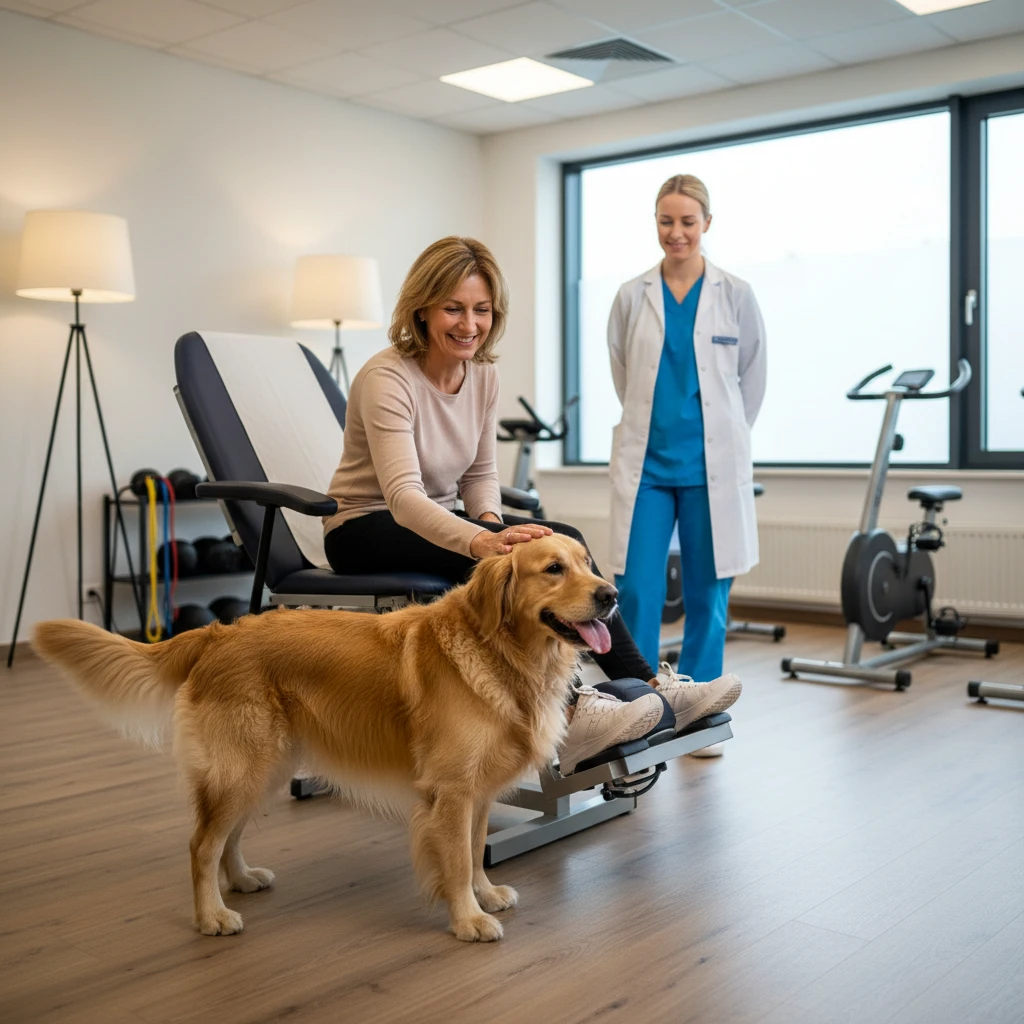
Furthermore, the element of accountability plays a significant role. Patients often report feeling a sense of responsibility toward the animal. Unlike exercise equipment, a dog is a sentient partner that responds to interaction. This reciprocal relationship fosters a unique motivation; a patient may not want to walk for the sake of walking, but they will walk to accompany the dog. This psychological shift is the cornerstone of successful Animal Assisted Therapy (AAT) strategies employed by leading rehabilitation centers in New Zealand.
Encouraging Movement Through Play
One of the most effective ways to utilize physiotherapy motivation with dogs is by disguising repetitive therapeutic exercises as play. Traditional physiotherapy often requires patients to perform monotonous movements to regain range of motion (ROM) or strength. Integrating a dog into these routines changes the dynamic entirely.
Ball Throwing for Upper Limb Mobility
For patients recovering from shoulder injuries or surgeries requiring upper limb rehabilitation, throwing a ball for a dog is an excellent functional exercise. The act of throwing requires a complex coordination of shoulder flexion, elbow extension, and wrist stability. By adjusting the weight of the ball or the required height of the throw, a physiotherapist can grade the exercise intensity.
For example, a patient may start by rolling a ball on a table to a dog (working on elbow extension) and progress to overhand throwing (working on full shoulder rotation). The dog’s excitement and retrieval of the ball provide immediate positive feedback, encouraging the patient to repeat the motion far more times than they would in a standard set of repetitions.
Tug-of-War for Core Stability and Balance
Controlled tug-of-war games can be utilized to enhance core strength and standing balance. Under the strict supervision of a therapist, a patient can hold a tug toy while the dog gently pulls. The patient must engage their abdominal and back muscles to maintain their center of gravity against the external force. This dynamic instability forces the body to make micro-adjustments, improving proprioception and core engagement.
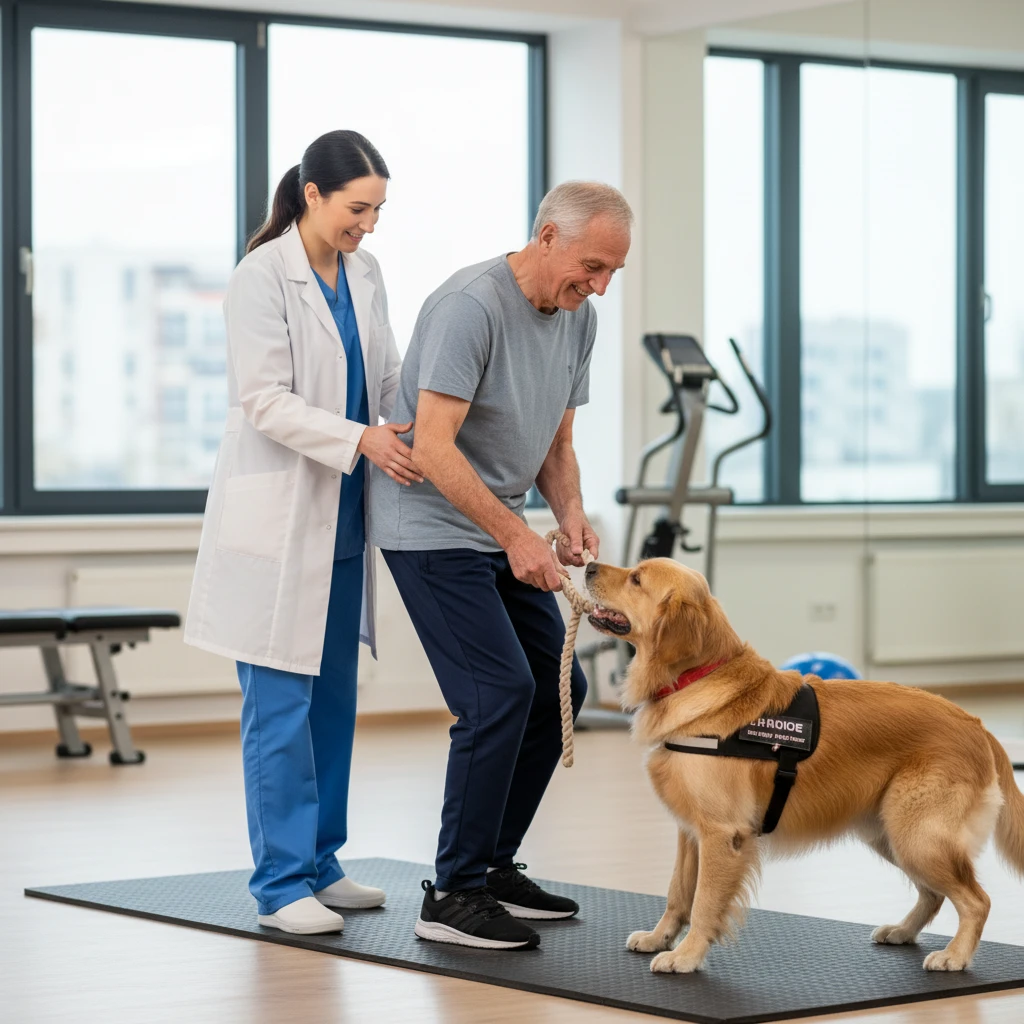
It is vital that the therapy dog is highly trained to release on command and pull with appropriate force. In New Zealand, organizations specializing in Animal Assisted Therapy ensure dogs undergo rigorous training to modulate their strength according to the patient’s capabilities.
Fine Motor Skill Exercises with Grooming
Restoring fine motor skills is a critical component of occupational and physiotherapy, particularly for patients recovering from neurological conditions or hand injuries. Physiotherapy motivation with dogs offers a tactile, sensory-rich avenue for retraining these delicate movements.
Brushing and Dexterity
The act of grooming a dog involves repetitive, rhythmic movements that require grip strength and wrist articulation. Holding a brush requires a cylindrical grasp, while the motion of brushing promotes wrist flexion and extension. Therapists can alternate between different brush handle sizes to challenge the patient’s grip. The resistance offered by the dog’s coat provides natural feedback, helping the patient gauge the force they are applying.
Buckles, Clips, and Collars
Manipulating dog equipment is an excellent real-world task for improving pincer grasp and finger dexterity. asking a patient to attach a leash to a collar requires precision and coordination. Unbuckling a harness or adjusting a collar involves complex finger movements that mimic daily living skills like buttoning a shirt or using keys. Because the goal is to prepare the dog for a walk or interaction, the task feels purposeful rather than abstract.
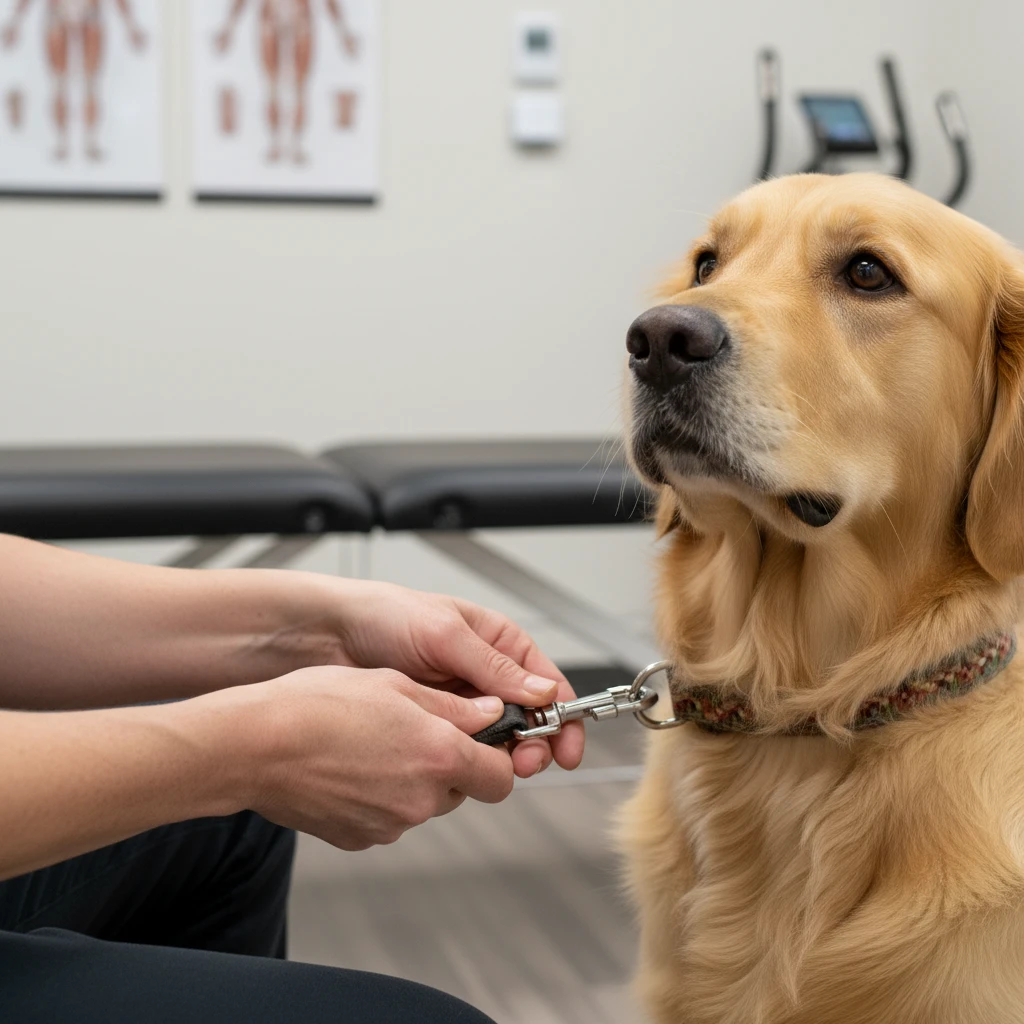
Feeding treats is another simple yet effective exercise. Picking up small kibble requires a refined pincer grasp. Presenting the treat with a flat hand helps stretch the fingers and palm, counteracting the flexor synergy often seen in stroke survivors.
Walking Rehabilitation Partners
Gait training is a staple of physiotherapy, yet it can be monotonous and frustrating for patients with mobility impairments. Using a dog as a walking partner introduces a rhythmic cueing mechanism and a companion that reduces the anxiety associated with falling.
Gait Speed and Rhythm
Therapy dogs can be trained to walk at specific paces. Walking alongside a dog can help regulate a patient’s cadence. The rhythmic sound of the dog’s paws and the visual cue of their movement can help patients with Parkinson’s disease or gait ataxia synchronize their steps, leading to a smoother, more consistent walking pattern. This phenomenon, known as entrainment, is a powerful tool in neurological rehabilitation.
Dual-Leash Systems for Safety
In a clinical setting, a dual-leash system is often used where both the patient and the therapist hold a lead connected to the dog. This provides the patient with a sense of control and connection to the animal while the therapist maintains ultimate safety. The motivation to ‘walk the dog’ often overrides the fear of exertion. Patients frequently walk significantly further distances with a dog than they do alone, as their focus shifts from their legs to the animal’s exploration of the environment.
Stroke Recovery Assistance
Stroke survivors often face hemiparesis (weakness on one side of the body), neglect (ignoring one side of space), and emotional depression. Physiotherapy motivation with dogs is particularly potent in this demographic.
Combatting Neglect
For patients experiencing spatial neglect, therapists can position the dog on the affected side. The patient’s desire to look at and interact with the dog encourages them to cross the midline and acknowledge the neglected side of their body. This visual scanning is essential for neuroplasticity and recovering spatial awareness.
Emotional Anchoring
Post-stroke depression can severely hamper rehabilitation efforts. The non-judgmental companionship of a therapy dog provides emotional anchoring. The dog does not care about speech impediments or physical limitations, offering unconditional acceptance. This boosts self-efficacy and motivates survivors to participate in therapy sessions they might otherwise refuse.
Animal Assisted Therapy Standards in New Zealand
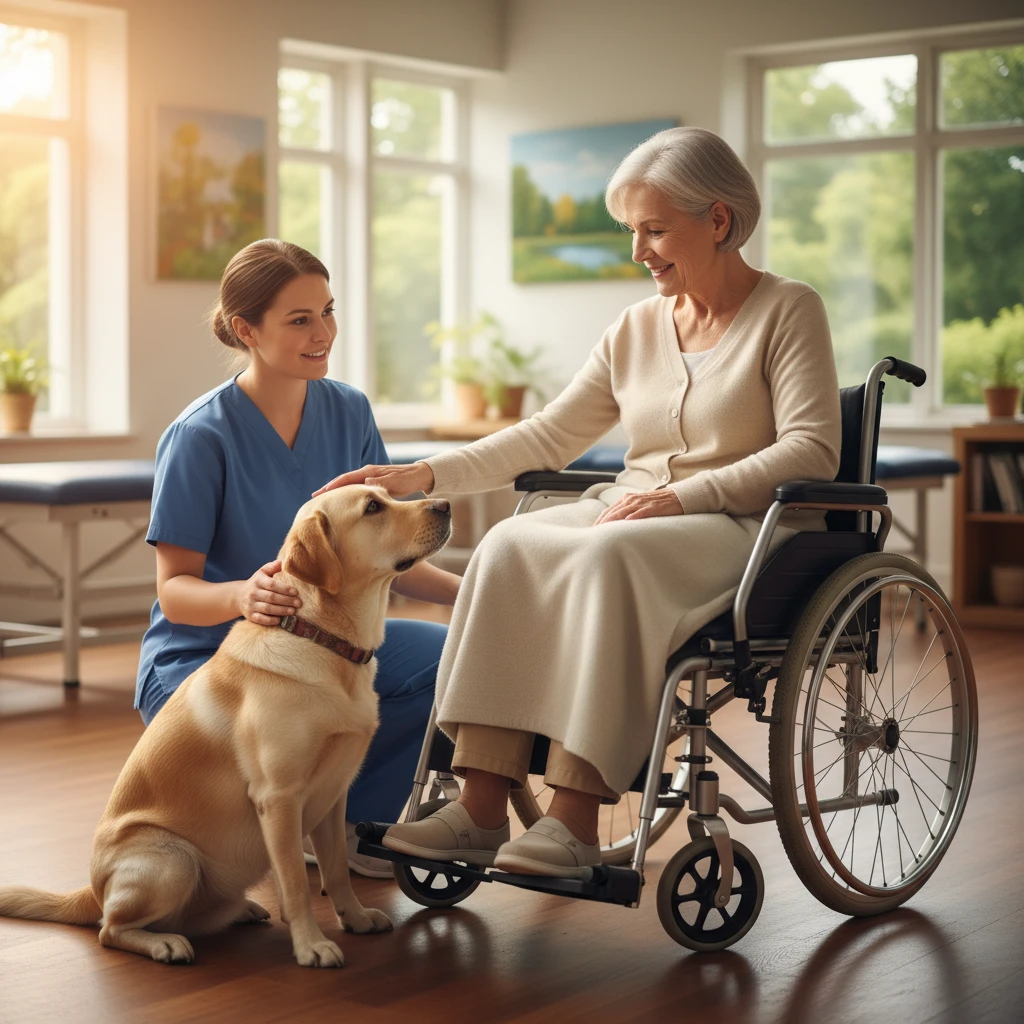
In New Zealand, the integration of animals into healthcare settings is governed by strict hygiene and safety protocols. Animal Assisted Therapy New Zealand and similar organizations advocate for high standards to ensure the safety of both the patient and the animal.
Therapy dogs in NZ must undergo comprehensive temperament testing. They are evaluated on their reaction to loud noises, sudden movements, and medical equipment like wheelchairs and crutches. Furthermore, strict infection control measures are in place. Dogs must be groomed, vaccinated, and free of parasites before entering any clinical environment. Physiotherapists utilizing this modality must also be trained in animal handling to manage the interaction effectively.
The Accident Compensation Corporation (ACC) and private insurers are increasingly recognizing the value of multidisciplinary rehabilitation approaches. While AAT is often an adjunct therapy, its role in improving functional outcomes is gaining traction within the NZ healthcare system, particularly in long-term rehabilitation centers and aged care facilities.
What are the primary benefits of physiotherapy motivation with dogs?
The primary benefits include increased patient engagement, reduced pain perception through distraction, improved mood via oxytocin release, and higher repetition counts for rehabilitation exercises due to the enjoyable nature of the interaction.
How does animal-assisted therapy help with stroke recovery?
It helps by encouraging use of the affected side (overcoming neglect), improving fine motor skills through grooming tasks, providing motivation for gait training, and alleviating post-stroke depression which can hinder recovery efforts.
Are therapy dogs in New Zealand specifically trained for rehab?
Yes, therapy dogs in New Zealand undergo rigorous temperament testing and specific training to desensitize them to medical equipment (like wheelchairs and walkers) and to ensure they remain calm during sudden movements or loud noises.
Can I bring my own dog to my physiotherapy session?
Generally, no. Clinical environments require certified therapy dogs that meet specific hygiene and behavioral standards. However, some physiotherapists may provide home-based exercises you can do with your own pet if it is safe to do so.
What exercises can be done with a therapy dog?
Common exercises include ball throwing for range of motion, walking for gait training, brushing/grooming for fine motor skills, and standing balance activities like gentle tug-of-war or reaching for the dog.
Is animal-assisted therapy suitable for children?
Yes, it is highly effective for pediatrics. Children often view therapy as play when a dog is involved, leading to better compliance with difficult or painful exercises and faster achievement of developmental milestones.