
Occupational therapy animal assisted interventions involve the goal-directed inclusion of animals in treatment plans to enhance daily living skills, sensory processing, and emotional regulation. By utilizing the human-animal bond, therapists increase client motivation and participation, facilitating functional improvements in physical, cognitive, and psychosocial domains within clinical practice.
Integrating animals into occupational therapy (OT) represents a powerful modality that bridges the gap between clinical goals and real-world engagement. In New Zealand, where the connection to nature and animals is culturally significant, Animal Assisted Interventions (AAI) are gaining traction as a viable, evidence-based practice. Whether working with pediatric clients facing developmental challenges or adults recovering from injury, the presence of a therapy animal can transform a sterile clinical session into a dynamic environment for healing.
What are Occupational Therapy Animal Assisted Interventions?
Occupational Therapy Animal Assisted Interventions (OT-AAI) are not merely about having a pet present during a session. They are structured, goal-oriented therapeutic interventions that incorporate animals into the occupational therapy process. The animal acts as a modality—a tool used by the qualified occupational therapist to help the client achieve a specific functional outcome.
In this context, the therapist evaluates the client’s needs and determines how an interaction with an animal can facilitate progress. This might involve fine motor tasks like fastening a leash, gross motor tasks like walking a dog, or cognitive tasks like sequencing the steps to groom an animal. The intervention is always directed by the therapist, who possesses the clinical reasoning to ensure safety and therapeutic value.
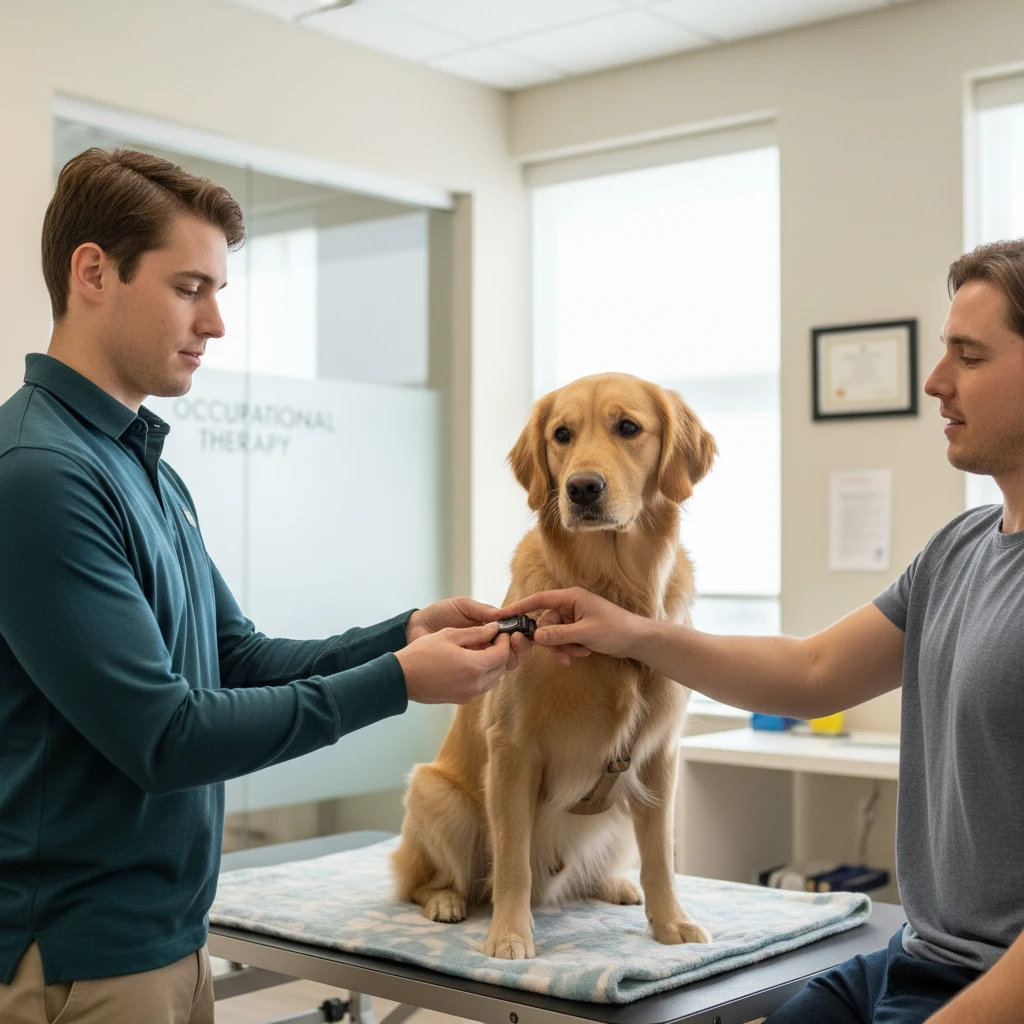
The core philosophy of OT involves enabling people to participate in the activities of everyday life. Animals often serve as a bridge, reducing performance anxiety and providing non-judgmental social support. This creates an optimal state of arousal for learning and rehabilitation, often referred to as the “window of tolerance.”
How Does Animal Assisted Therapy Enhance Sensory Integration?
Sensory integration is a critical component of occupational therapy, particularly for individuals with Autism Spectrum Disorder (ASD), sensory processing disorders, or trauma histories. Animals provide a rich, multi-sensory experience that can be tailored to a client’s specific sensory profile.
Tactile Input and Desensitization
Interacting with an animal offers diverse tactile inputs. The fur of a dog, the rough tongue of a cat, or the smooth coat of a horse provides immediate feedback. For clients who are tactile defensive, an animal can serve as a high-motivation tool for desensitization. A therapist might structure a graded exposure activity where the client moves from touching the animal with a brush to stroking them with a gloved hand, and finally, direct skin contact.
Proprioceptive and Vestibular Engagement
Heavy work activities are essential for regulating the proprioceptive system. In an OT-AAI session, this might look like:
- Pushing/Pulling: Engaging in a game of tug-of-war with a dog (under strict behavioral control) provides intense proprioceptive feedback to the joints and muscles.
- Weight Bearing: Grooming a large dog or a horse requires standing, reaching, and leaning, which engages core stability and balance (vestibular system).
- Movement: Walking a dog involves navigating uneven terrain, requiring constant postural adjustments.
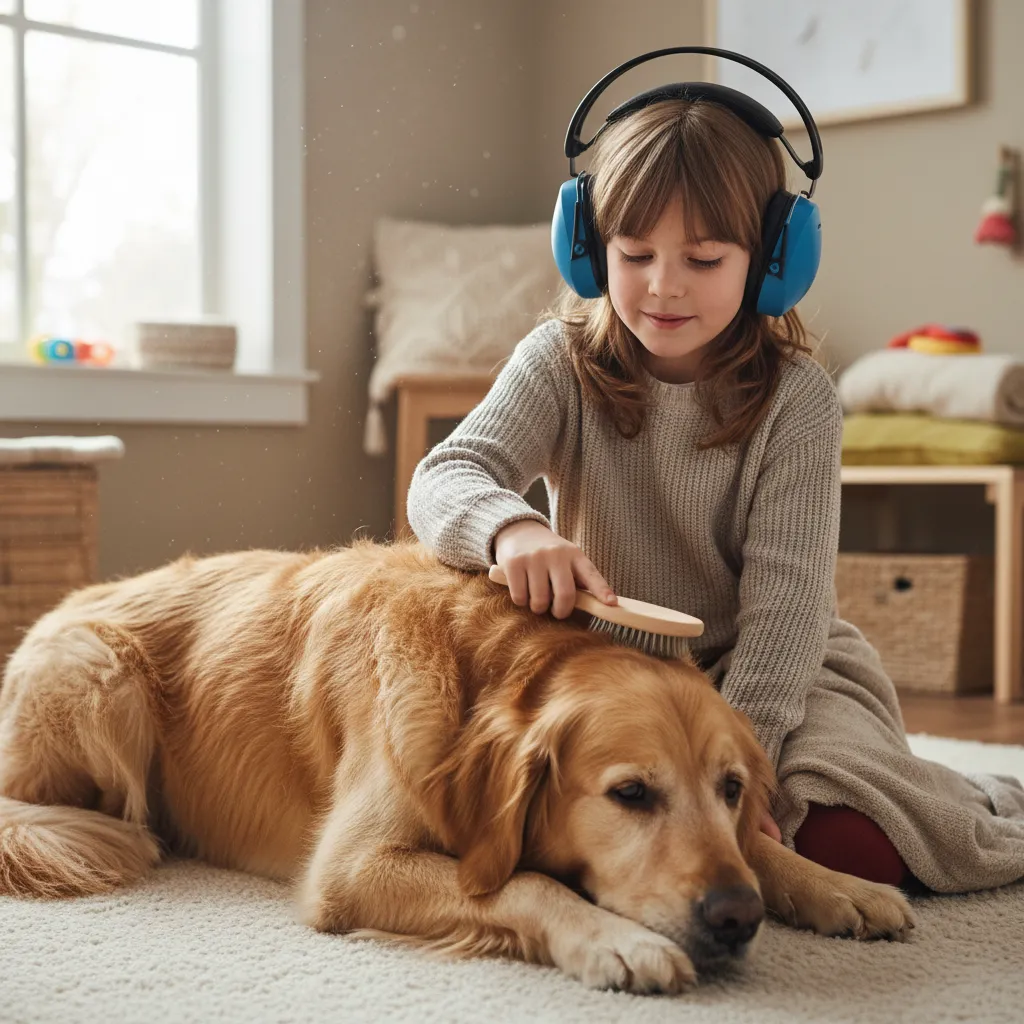
Auditory and Olfactory Processing
The environment of AAI naturally includes specific sounds (barks, breathing, hoofbeats) and smells. Therapists can use these stimuli to help clients practice self-regulation. For example, learning to tolerate the sound of a dog barking without entering a “fight or flight” state is a functional goal for a child with auditory hypersensitivity.
What are the Applications for Pediatric OT?
In pediatric occupational therapy, engagement is half the battle. Children are often more willing to participate in difficult or repetitive tasks if an animal is involved. The animal changes the dynamic from “clinical work” to “play,” which is the primary occupation of childhood.
Social-Emotional Development
For children with social communication challenges, animals act as social lubricants. A child who struggles to make eye contact with a therapist might easily maintain gaze with a dog. Therapists use this connection to build social reciprocity. For instance, the therapist might ask the child to interpret the dog’s body language (“Is the dog happy or scared?”), fostering empathy and non-verbal communication skills.
Executive Functioning
Caring for an animal requires planning, sequencing, and memory—key components of executive function. Pediatric OT applications include:
- Sequencing: “First get the bowl, then open the bag, then pour the food.”
- Inhibition Control: Teaching a child to wait for a command before throwing a ball or giving a treat.
- Attention: Maintaining focus on the animal during a grooming session, which often holds attention longer than abstract table-top tasks.
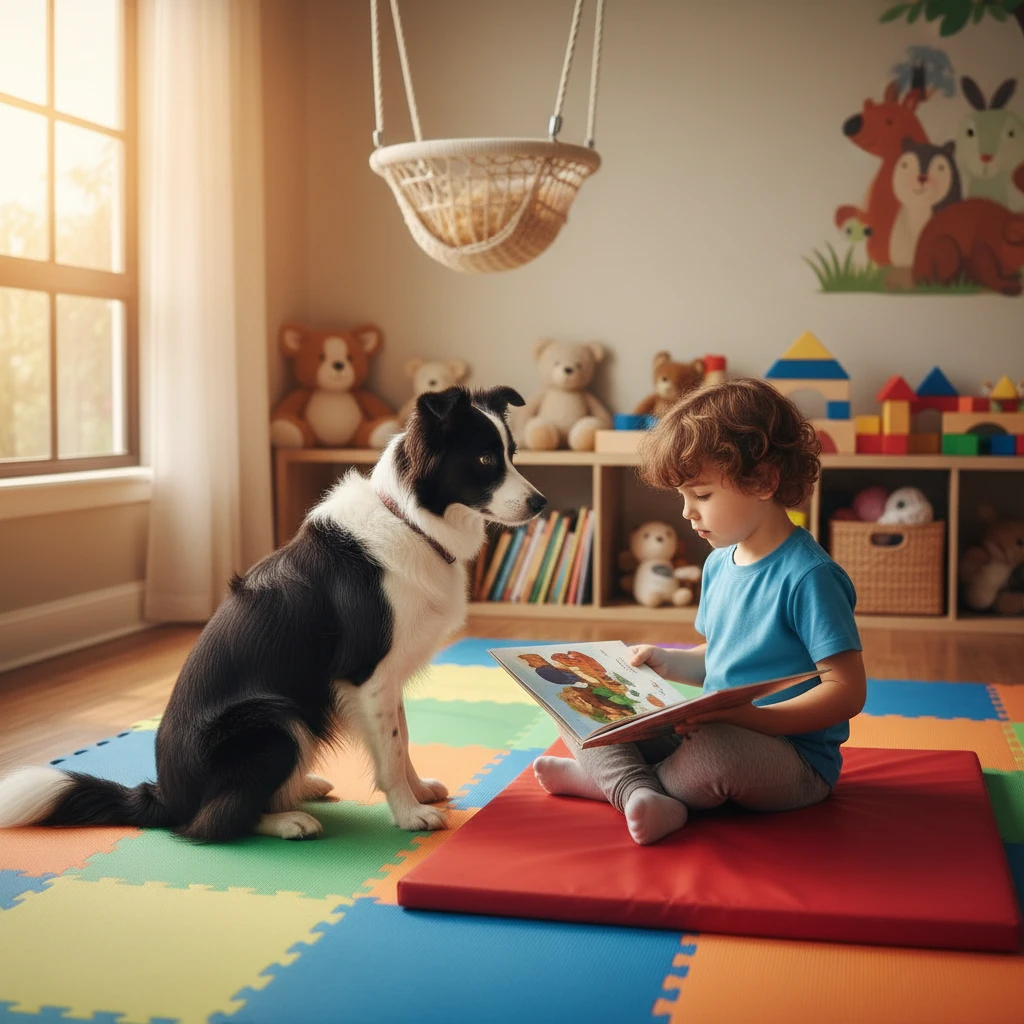
Can Animals Help with Daily Living Skills Practice?
Activities of Daily Living (ADLs) and Instrumental Activities of Daily Living (IADLs) are the cornerstones of independent living. Animal assisted interventions provide functional, real-world opportunities to practice these skills in a way that feels meaningful rather than rote.
Fine Motor Skill Development
Instead of using generic button boards or peg tests, therapists can utilize animal-related equipment to refine fine motor skills:
- Manipulating Fasteners: Buckling collars, clipping leashes, or fastening bandanas require pincer grasp, bilateral coordination, and finger strength.
- Opening Containers: Unscrewing treat jars or opening latch-style food bins mimics the motor patterns needed for opening human food containers or medicine bottles.
- Grooming: Holding a brush requires a functional grasp and wrist stability.
Routine and Responsibility
For adults with mental health challenges or adolescents transitioning to independence, the routine of animal care mirrors self-care routines. If a client struggles with morning routines, the immediate need of an animal (to be fed or walked) can serve as an external motivator to get out of bed and start the day. This external motivation can eventually be internalized as the client builds self-efficacy.
How Should Therapists Structure Sessions for Success?
Implementing occupational therapy animal assisted interventions requires rigorous planning to ensure safety, efficacy, and animal welfare. A unstructured session is merely a “petting zoo” visit; a therapeutic session is deliberate.
The Triad: Client, Therapist, and Animal
The therapist must manage the attention and safety of both the client and the animal. This requires split attention and advanced clinical reasoning. The structure generally follows these steps:
- Preparation: The therapist ensures the animal is groomed, rested, and ready. The environment is cleared of hazards.
- Orientation: The client is introduced to the animal, and rules of interaction are established (e.g., “We touch gently,” “Wait for the sit command”).
- Active Phase: The specific interventions take place. The animal is the modality. For example, if the goal is balance, the client might stand on a foam pad while playing fetch.
- Closure: A calming activity, such as saying goodbye or giving a final treat, helps transition the client out of the session.
Animal Welfare and Ethics
In New Zealand, ethical practice is paramount. The animal is a partner, not a tool to be used until exhaustion. Therapists must be adept at reading canine (or equine) body language to detect signs of stress (lip licking, yawning, avoidance). Sessions must be structured to include breaks for the animal, and the animal must always have a “safe zone” to retreat to if overwhelmed.
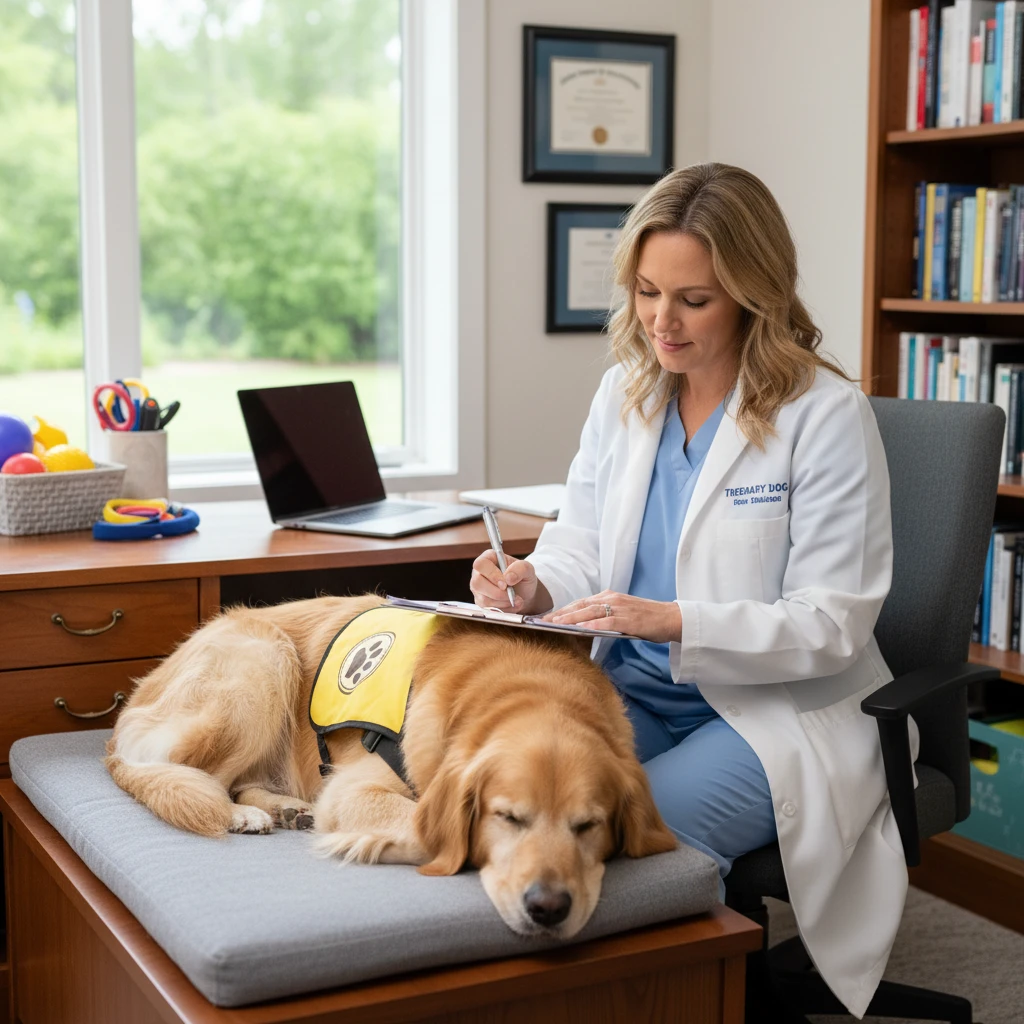
The New Zealand Context for Animal Assisted Therapy
New Zealand’s approach to healthcare often integrates holistic models, making AAI a natural fit. Organizations like Therapy Dogs New Zealand provide accreditation and assessment for visiting therapy dogs, ensuring that animals used in public and clinical settings meet high behavioral standards.
Regulatory Considerations
Occupational Therapists in NZ must adhere to the Occupational Therapy Board of New Zealand (OTBNZ) competencies. When introducing animals:
- Infection Control: Strict hygiene protocols must be in place (hand washing before and after, vaccination records of the animal).
- Risk Assessment: A comprehensive risk management plan must be documented, covering potential bites, allergies, and phobias.
- Cultural Safety: In Te Ao Māori, animals hold specific significance. Therapists must ensure that the introduction of an animal is culturally appropriate for the whānau they are working with. For example, understanding the distinction between working dogs and pets, and respecting boundaries regarding animals in certain spaces (like areas where food is prepared).
By adhering to these structures, NZ occupational therapists can leverage the unique power of the human-animal bond to drive meaningful clinical outcomes.
People Also Ask
What qualifications do I need for animal assisted therapy in NZ?
To practice OT-AAI in New Zealand, you first need to be a registered Occupational Therapist. Additionally, you should undergo specific training in Animal Assisted Interventions. Your animal must also pass a temperament assessment and certification through a recognized body like Therapy Dogs New Zealand or St John to ensure they are safe for clinical work.
What is the difference between AAT and AAI?
Animal Assisted Interventions (AAI) is the umbrella term. Animal Assisted Therapy (AAT) is a specific type of AAI that is goal-directed, documented, and delivered by a health or human service professional (like an OT) as part of a treatment plan. Animal Assisted Activities (AAA) are more casual, meet-and-greet style interactions.
Can cats be used in occupational therapy?
Yes, cats can be used, though dogs are more common due to trainability. Cats are excellent for lower-energy sessions, sensory tactile work, and providing calming companionship for clients with anxiety. However, the cat must be exceptionally tolerant and comfortable with travel and new environments.
How does AAT help with fine motor skills?
AAT encourages fine motor practice through functional tasks. Activities like opening treat pouches, manipulating small buckles on a harness, grooming with a brush, or picking up small treats to feed the animal require precise finger isolation, grasp strength, and hand-eye coordination.
Is animal assisted therapy covered by ACC in New Zealand?
ACC (Accident Compensation Corporation) typically funds the Occupational Therapy service rather than the specific modality. If the OT determines that AAI is the most appropriate method to achieve the rehabilitation goals for a covered injury, it is generally included as part of the funded clinical hour, provided the therapist is qualified.
What are the contraindications for animal assisted therapy?
Contraindications include severe allergies to animal dander, significant phobias that induce trauma, open wounds that pose infection risks, or clients with a history of animal abuse. It is also contraindicated if the client lacks the cognitive capacity to interact safely with the animal despite supervision.