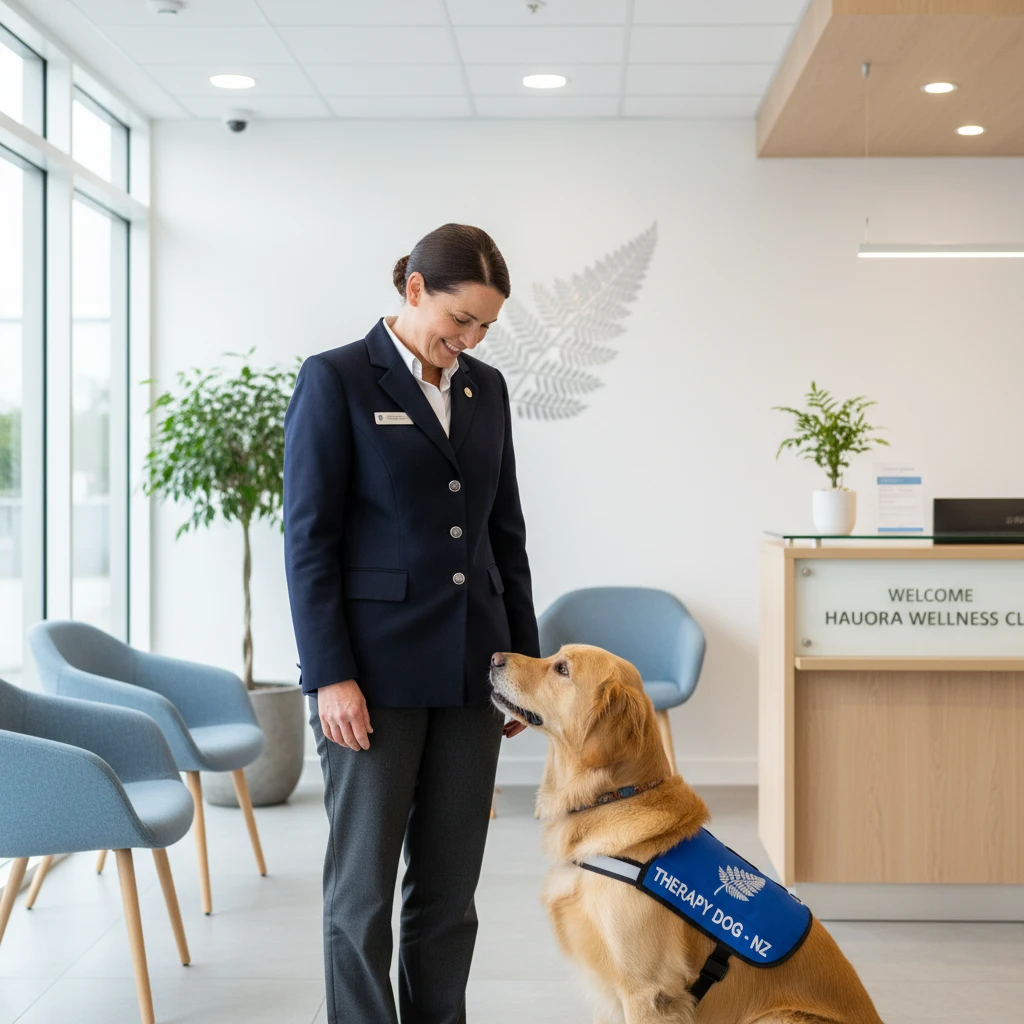
Hygiene policies for visiting animals are comprehensive infection prevention and control (IPC) protocols designed to mitigate health risks in clinical and business environments. These policies mandate strict veterinary clearance, rigorous grooming standards, zoonotic disease prevention strategies, and specific sanitation procedures to ensure therapy animals do not compromise the sterility or safety of patients, staff, and facilities.
NZ Ministry of Health Guidelines & Regulatory Framework
In New Zealand, the integration of animals into healthcare and business settings is governed by a complex intersection of animal welfare laws and human health standards. While the benefits of animal-assisted therapy (AAT) are widely documented, the introduction of biological agents (animals) into sterile or semi-sterile environments presents unique challenges. The primary objective of any hygiene policy for visiting animals is to align with the Health and Disability Services Standards (NZS 8134:2021), specifically regarding infection prevention and control.
Facilities must establish a formal policy that supersedes ad-hoc arrangements. This policy must clearly define the scope of access, the qualifications of the animal (such as certification through Therapy Dogs NZ or St John), and the liability structures in place.
Risk Assessment and Management
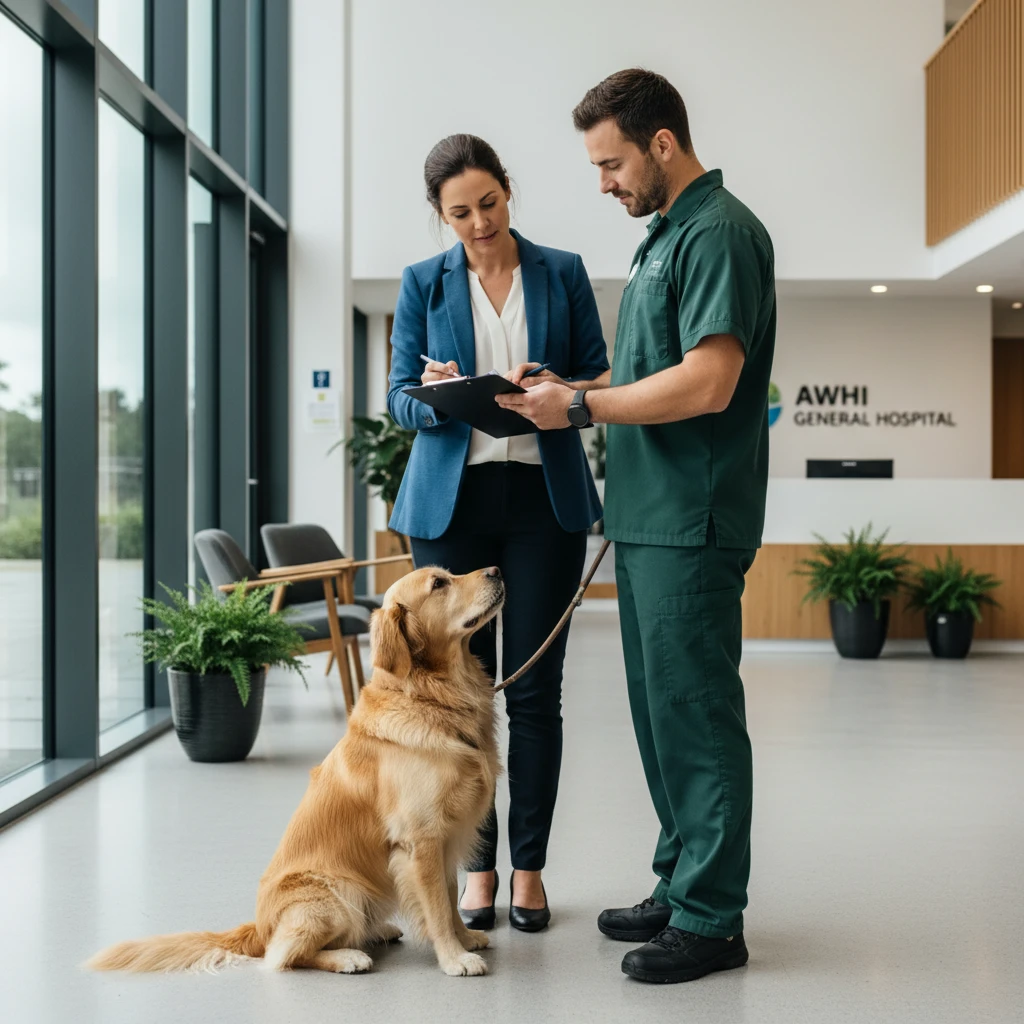
Before any animal enters a facility, a site-specific risk assessment must be conducted. This assessment identifies potential vectors for transmission and environmental hazards. According to best practices aligned with NZ Ministry of Health expectations, the following hierarchy of controls should be implemented:
- Elimination: Excluding animals from high-risk areas (e.g., burn units, isolation wards).
- Substitution: Using robotic pets in scenarios where live animals pose too great an infection risk.
- Engineering Controls: Designated entry and exit points to minimize cross-contamination with general foot traffic.
- Administrative Controls: Strict vaccination records, deworming schedules, and visitation logs.
Documentation Requirements
To satisfy regulatory audits, facilities must maintain a “Visiting Animal Register.” This digital or physical logbook should contain:
- Proof of current registration and liability insurance.
- Veterinary certification of health (updated annually or bi-annually).
- Parasite control records (flea and worming treatments).
- Handler certification regarding infection control training.
Zoonotic Disease Prevention Protocols
Zoonoses are diseases that can be transmitted from animals to humans. In a clinical setting where patients may be immunocompromised, the threshold for risk tolerance is effectively zero. Effective hygiene policies for visiting animals must address the transmission pathways of bacteria, viruses, parasites, and fungi.
Common Zoonotic Risks in Therapy Settings
The most significant concerns in a New Zealand context include:
- Campylobacter & Salmonella: Often shed in feces, these bacteria can cause severe gastrointestinal distress in vulnerable patients.
- Ringworm (Dermatophytosis): A fungal infection that is highly transmissible through direct contact.
- External Parasites: Fleas, ticks, and mites which can act as vectors for other diseases or cause allergic reactions.
- Multidrug-Resistant Organisms (MDROs): Studies have shown that therapy dogs can acquire MRSA or VRE from patients and mechanically transfer it to others via their fur.
The Raw Food Diet Exclusion
A critical, often overlooked aspect of hygiene policies is the diet of the visiting animal. Evidence suggests that dogs fed a raw meat-based diet are significantly more likely to shed Salmonella and E. coli in their saliva and feces. Consequently, many healthcare facilities in New Zealand strictly prohibit therapy dogs that are currently on a raw food diet. Policies should mandate that visiting animals be fed a cooked or commercial diet for at least 90 days prior to visiting high-risk clinical environments.
Veterinary Health Clearances
Prevention begins with the health status of the animal. Policies must mandate:
- Vaccinations: Core vaccines (Distemper, Hepatitis, Parvovirus, Parainfluenza) and Leptospirosis must be current.
- Parasite Control: Evidence of regular broad-spectrum deworming (every 3 months) and continuous flea/tick prevention.
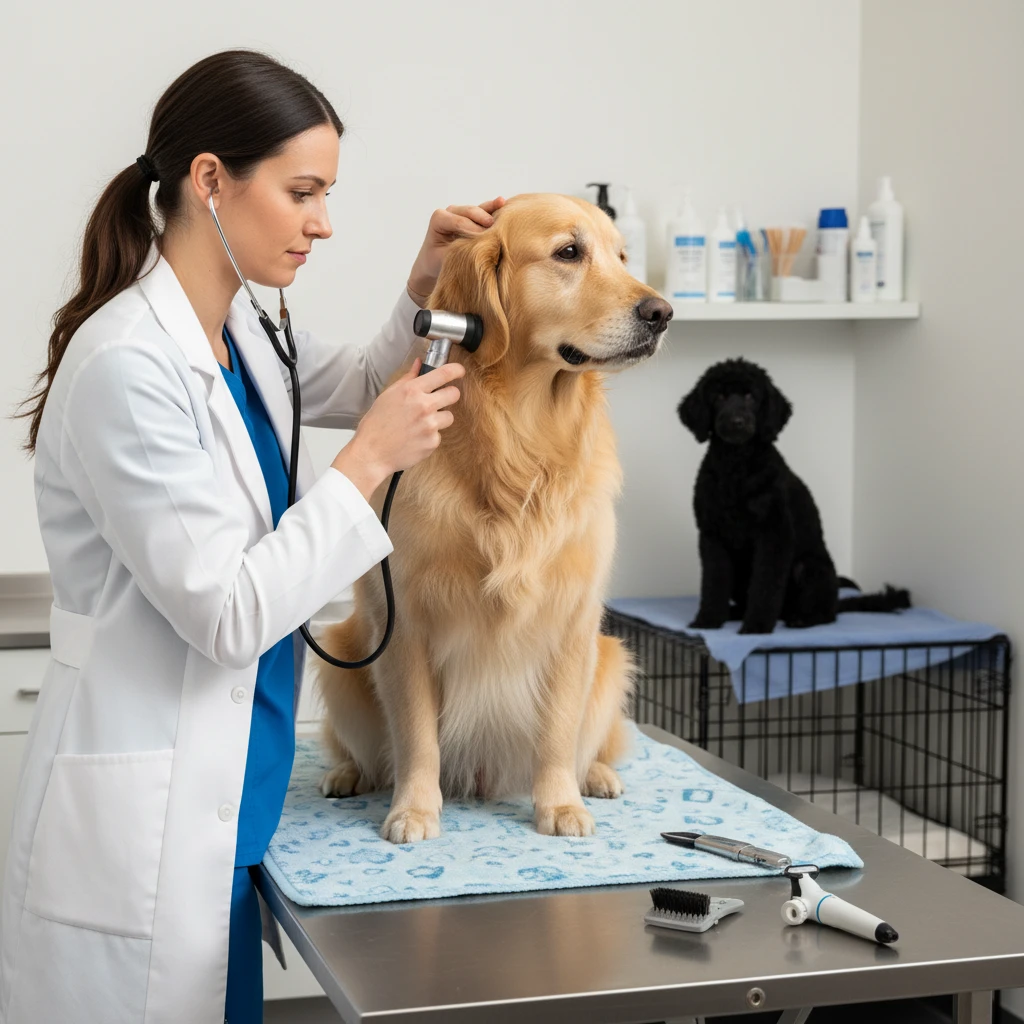
- Health Checks: A physical exam by a veterinarian within 12 months of the visit, or sooner if the animal shows signs of illness.
Grooming Standards for Visiting Therapy Dogs
Hygiene policies for visiting animals extend beyond internal health to external cleanliness. The coat, claws, and general presentation of the animal play a vital role in reducing the “bio-load” introduced into the facility. A “clean dog” standard must be strictly enforced by the handler and verified by facility staff upon entry.
Pre-Visit Bathing and Brushing
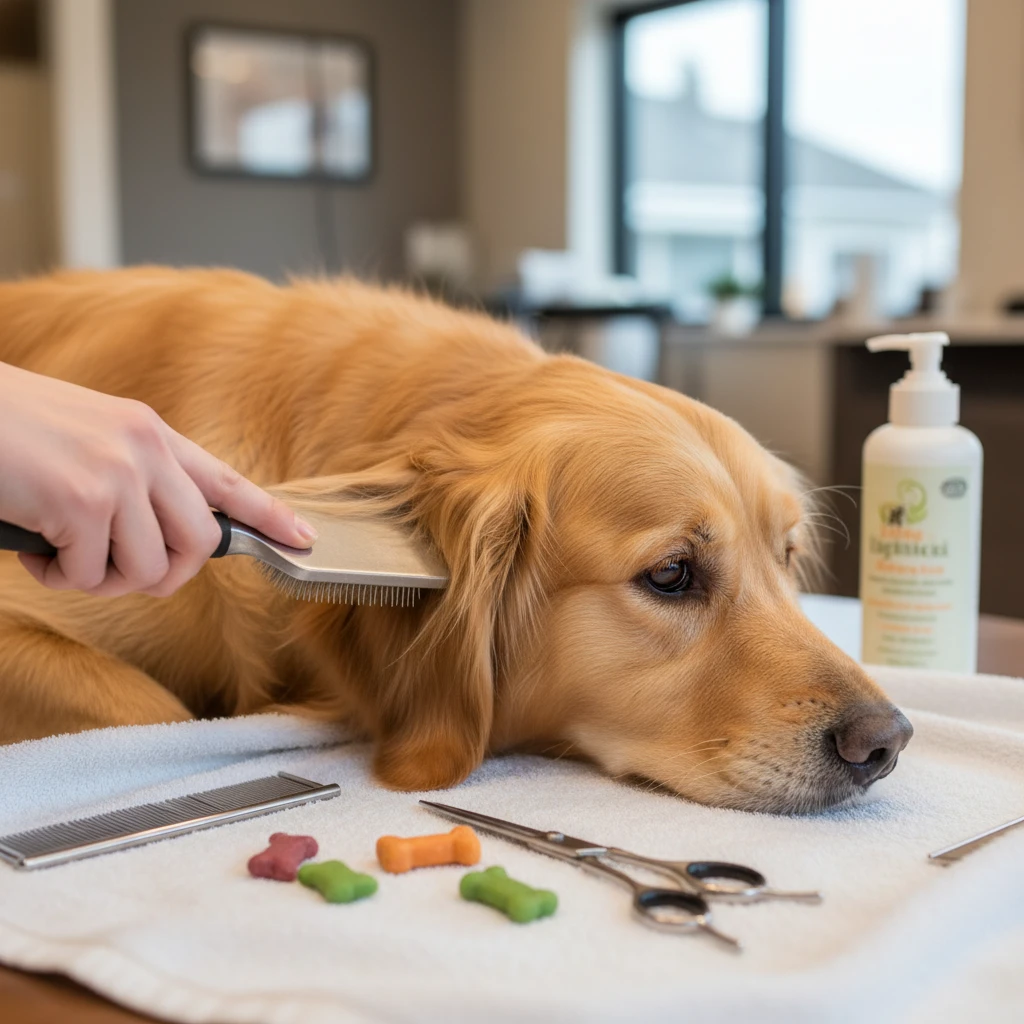
Ideally, therapy dogs should be bathed within 24 hours of a visit to a clinical setting using a hypoallergenic, low-scent shampoo. This reduces dander (a common allergen) and removes environmental contaminants from the fur. However, excessive bathing can cause skin irritation, so for frequent visitors, a thorough brushing and a coat wipe-down with veterinary-grade sanitizing wipes may be an acceptable alternative, depending on the facility’s specific policy.
The “5-Point Check” Before Entry
Handlers should perform the following check before entering the building:
- Eyes: Must be clear, with no discharge or redness.
- Ears: Clean, odor-free, and no signs of scratching or mites.
- Nose: No excessive discharge, coughing, or sneezing.
- Skin/Coat: No fleas, ticks, open sores, hot spots, or bad odors.
- Rear: The anal area must be clean and free of fecal matter.
Nail Maintenance
Long nails harbor bacteria and dirt underneath them. Furthermore, sharp nails pose a physical risk to elderly patients with thin, friable skin. Policies must state that nails are trimmed short and filed smooth (using a Dremel or file) to prevent scratching. This is a dual-purpose policy protecting against both infection and physical injury.
Hand Hygiene and Handler Responsibilities
The handler is the most critical control point in the transmission of infection. Even the cleanest dog can become a vector if the handler does not practice rigorous hand hygiene. The World Health Organization’s “5 Moments for Hand Hygiene” should be adapted for animal-assisted interventions.
Sanitization Protocols for Interaction
Before Interaction: Patients must sanitize their hands before touching the animal. This protects the animal from pathogens the patient may be carrying.
After Interaction: Patients must sanitize their hands immediately after the interaction ends. This protects the patient from potential allergens or zoonotic agents.
Handlers must carry portable hand sanitizer (alcohol-based rub) at all times. If a patient is unable to sanitize their own hands, the handler or a nurse must assist them, or the visit should be conducted without direct contact (visual engagement only).
Barrier Protection
In certain scenarios, such as when a dog is placed on a patient’s bed, a barrier must be used. A clean, disposable sheet or a dedicated therapy mat should be placed between the animal and the patient’s bedding. This prevents the transfer of fur, dander, and microorganisms onto the linens where the patient sleeps. This barrier must be laundered at high temperatures or discarded after each patient interaction.
Managing Waste and Sanitation in Clinical Areas
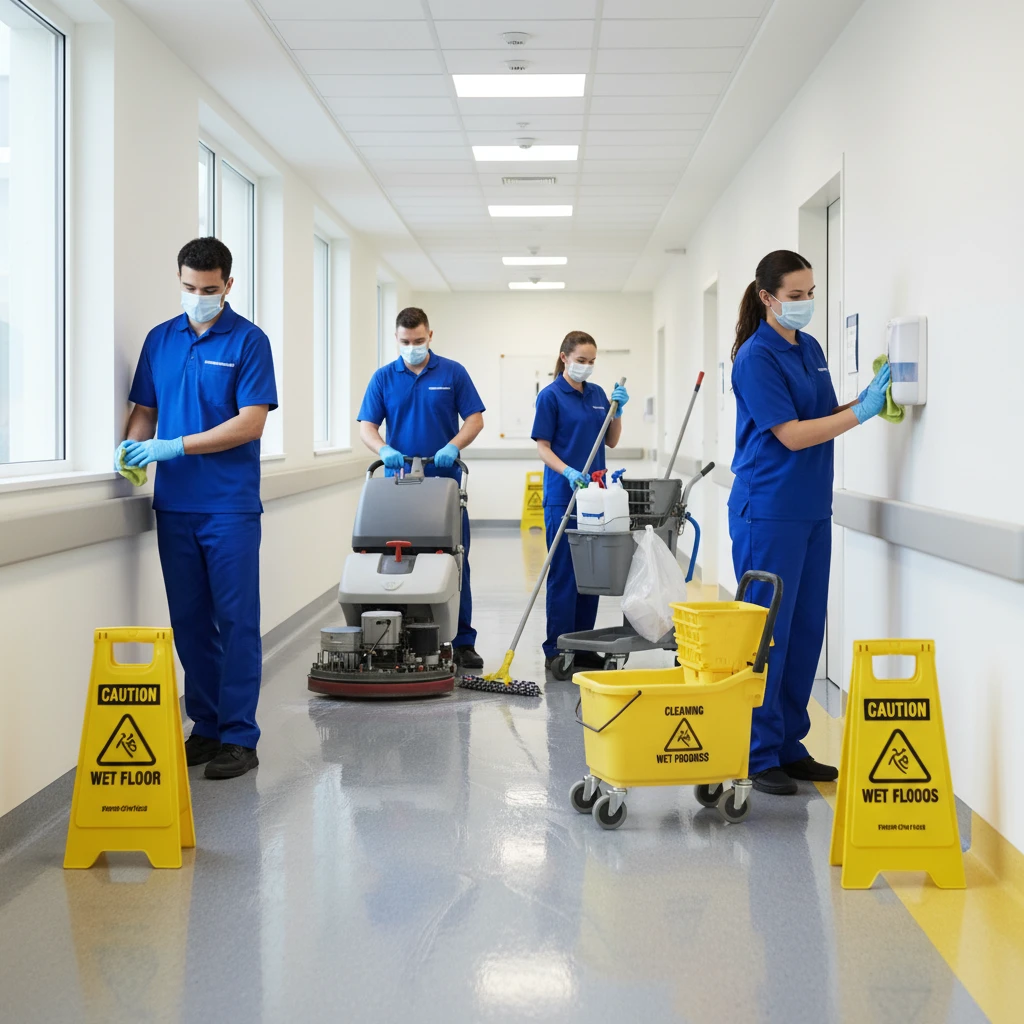
Despite best efforts, biological accidents happen. A robust hygiene policy for visiting animals must include a clear “Code Brown” protocol. The swift and effective management of animal waste is non-negotiable in maintaining a sanitary environment.
Pre-Visit Toileting
Prevention is the first step. Handlers must ensure the animal has had ample opportunity to urinate and defecate immediately prior to entering the facility. This should occur in a designated outdoor area away from main entrances and HVAC intakes.
Accident Response Protocol
If an animal urinates, defecates, or vomits inside the facility, the following steps must be taken immediately:
- Containment: The handler must immediately remove the animal from the area to prevent spreading the waste.
- Notification: Staff must be alerted to block off the area to foot traffic.
- Cleaning: Solid waste should be removed using disposable gloves and placed in a biohazard bag.
- Disinfection: The area must be cleaned with an enzymatic cleaner followed by the facility’s standard hospital-grade disinfectant (e.g., sodium hypochlorite solution) to ensure all pathogens are neutralized.
- Reporting: An incident report must be filed to document the breach in hygiene protocol.
Restricted Zones and Exclusion Criteria
Not all areas of a business or hospital are suitable for animals, regardless of hygiene levels. Policies must explicitly map out “Green Zones” (allowed) and “Red Zones” (prohibited).
Absolute Exclusion Zones
For the safety of patients and the preservation of sterile fields, animals are generally strictly prohibited from:
- Operating Theatres and Recovery Rooms.
- Intensive Care Units (ICU) and Neonatal Intensive Care Units (NICU), unless under specific compassionate exemptions.
- Burn Units (due to extreme infection risk).
- Food Preparation and Service Areas (cafeterias, kitchens).
- Isolation Rooms (where patients have contagious airborne or contact diseases).
Equipment Restrictions
Animals should never be permitted to lick medical devices, IV poles, catheters, or wounds. The “no lick” policy is a cornerstone of hygiene for visiting animals. Saliva contains a multitude of bacteria that, while harmless to the dog, can be devastating to a wound or a catheter site.
People Also Ask
What are the hygiene requirements for therapy dogs in NZ hospitals?
Therapy dogs in NZ hospitals must be fully vaccinated, free of parasites (fleas/worms), groomed within 24 hours of the visit, and have a clean bill of health from a vet. They are generally restricted from high-risk areas like ICUs and food preparation zones.
Can a dog visit a hospital if it eats a raw food diet?
Most clinical hygiene policies prohibit dogs on raw food diets from visiting hospitals. This is because raw-fed dogs are at a higher risk of shedding Salmonella and E. coli bacteria, which poses a significant danger to immunocompromised patients.
How often should a visiting therapy dog be bathed?
For clinical visits, a dog should ideally be bathed within 24 hours prior to the visit. If the dog visits frequently, a rigorous brushing and wipe-down with veterinary sanitizing wipes may be substituted to prevent skin irritation, subject to facility approval.
What happens if a therapy dog has an accident inside a facility?
If an accident occurs, the handler must immediately contain the animal. The area must be blocked off, solid waste removed as biohazard, and the spot treated with enzymatic cleaners and hospital-grade disinfectants. An incident report is usually required.
Are patients allowed to kiss therapy dogs?
No. Hygiene policies strictly discourage allowing dogs to lick patients or patients kissing dogs. This prevents the transfer of oral bacteria and potential zoonotic diseases. Interactions should be limited to petting the dog’s back or sides.
Who is responsible for the hygiene of a visiting animal?
The handler bears the primary responsibility for the animal’s hygiene. However, the facility is responsible for enforcing the policy, verifying documentation, and providing hand hygiene resources for patients interacting with the animal.