
To register your dog as a therapy dog in New Zealand, you must apply for membership with an accredited organization such as St John Therapy Pets or Canine Friends Pet Therapy. The process requires your dog to be at least one year old, pass a comprehensive veterinary health check, and succeed in a practical temperament assessment to ensure they are calm, obedient, and safe in public settings.
Sharing the unconditional love of a canine companion with those in need is one of the most rewarding volunteer activities available in New Zealand. Whether visiting rest homes, hospitals, or schools, therapy dogs provide comfort, reduce anxiety, and bring smiles to faces that need them most. However, unlike service dogs which are trained for specific tasks for a disabled handler, therapy dogs are pets that volunteer with their owners. This guide details exactly how to navigate the registration and assessment landscape in NZ.
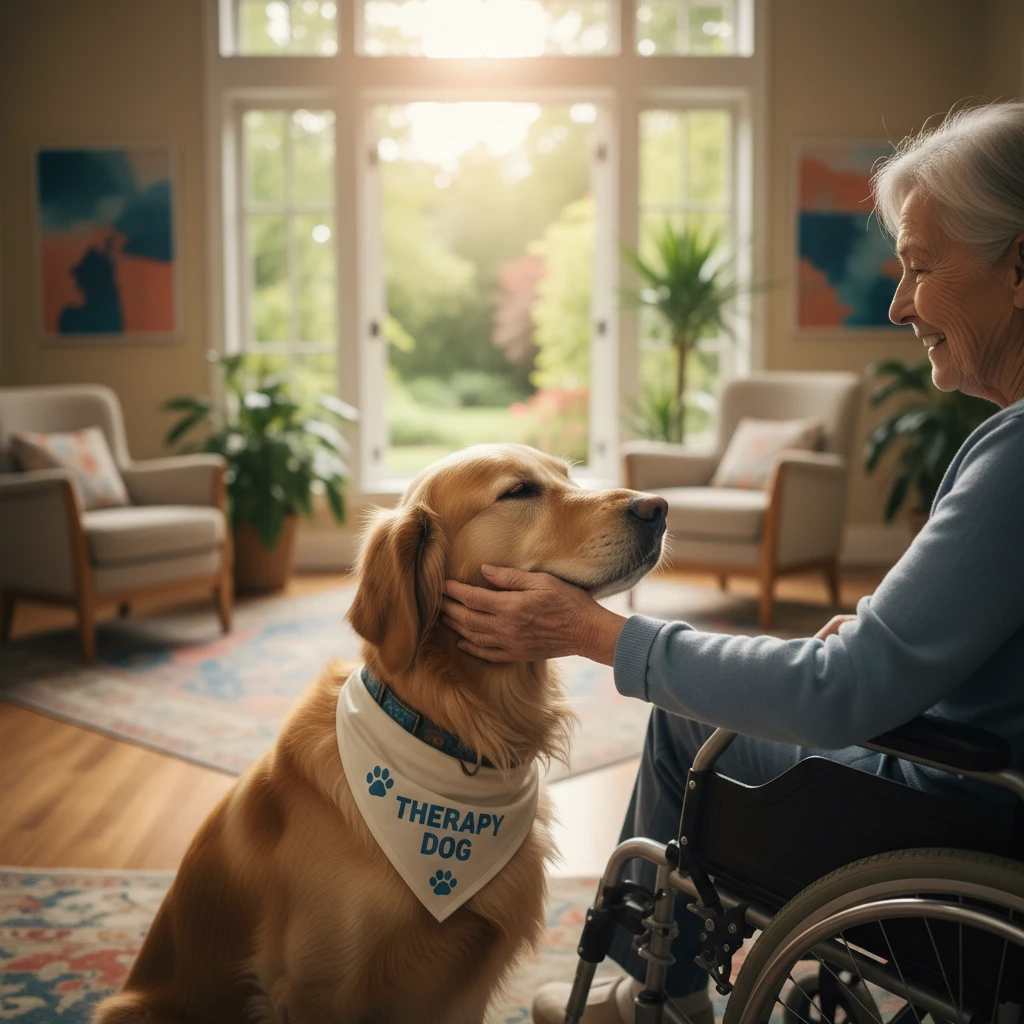
What is the Difference Between a Therapy Dog and an Assistance Dog?
Before beginning the registration process, it is critical to understand the legal and functional distinctions between different types of working dogs in New Zealand. Misunderstanding these categories is a common hurdle for new applicants.
Therapy Dogs
Therapy dogs are family pets that have been assessed and registered to visit facilities like hospitals, hospices, schools, and retirement villages with their owners. Their primary function is to provide psychological or physiological therapy to individuals other than their handlers.
Key Access Rights: Therapy dogs do not have public access rights under the Dog Control Act 1996 or the Human Rights Act 1993. They are only allowed in places where pet dogs are permitted or where they have been explicitly invited by the facility management.
Assistance (Service) Dogs
Assistance dogs are trained to perform specific tasks to mitigate a disability for their handler (e.g., Guide Dogs for the blind, Mobility Dogs). These dogs have full public access rights to enter supermarkets, cafes, and public transport.
Emotional Support Animals (ESAs)
In New Zealand, there is no official legal recognition for Emotional Support Animals. They are considered pets and do not have public access rights. If your goal is to take your dog everywhere with you for your own comfort, registering as a therapy dog will not grant you this privilege.
Step 1: Prerequisites for Dog and Handler
Not every dog is born to be a therapy dog. While they don’t need to know complex tricks, they do need a specific temperament. Before applying, ensure you and your dog meet the baseline criteria.
Canine Requirements
- Age: Most organizations require the dog to be at least 12 months old (sometimes 18 months) to ensure they have reached emotional maturity.
- Health: Dogs must be fully vaccinated, wormed, and treated for fleas. A vet check is mandatory.
- Basic Obedience: Your dog must walk on a loose leash, sit, stay, and come when called. They must not jump up on people.
- Temperament: This is the most critical factor. The dog must be calm, tolerant of clumsy handling, unfazed by loud noises or medical equipment, and genuinely enjoy meeting strangers.
Handler Requirements
The human half of the team is just as important. You must be willing to commit to regular visits (usually once a week or fortnight). You need to be a strong advocate for your dog, recognizing signs of stress, while also being a compassionate listener for the people you visit.

Step 2: Choosing the Right Organization
In New Zealand, there is no central government registry for therapy dogs. Instead,