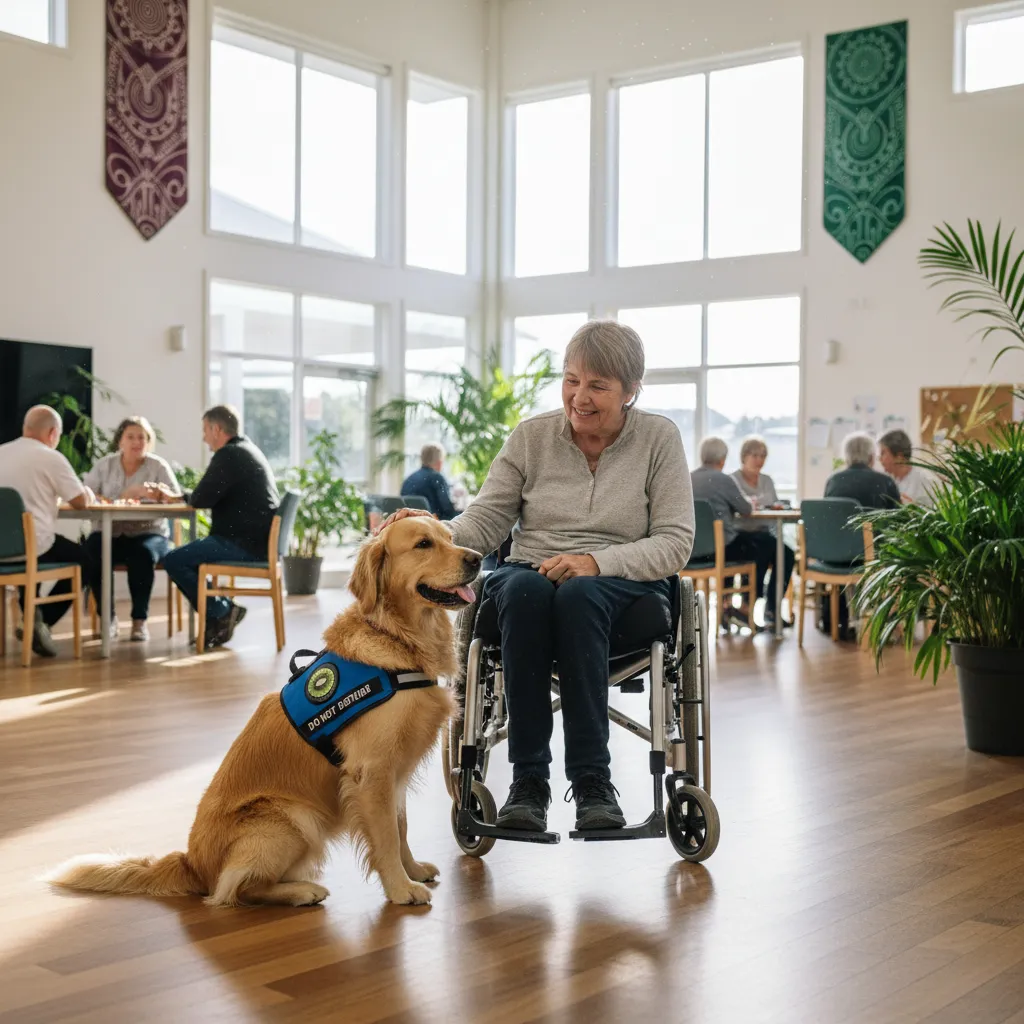
Therapy dog maintenance costs in New Zealand typically range between $3,000 and $5,000 NZD annually. This figure encompasses premium nutrition, mandatory annual veterinary clearances, vaccinations, public liability insurance, and equipment upkeep. Handlers must also structure sinking funds for gear replacement and maintain a robust emergency buffer to ensure consistent operational readiness.
Understanding the Financial Scope of Therapy Work
When entering the field of animal-assisted therapy in New Zealand, many handlers focus heavily on the initial acquisition and training costs. However, the long-term sustainability of a therapy dog program relies entirely on accurate financial forecasting for ongoing maintenance. Unlike a family pet, a therapy dog is a working asset that requires a higher standard of health, hygiene, and behavioral stability, all of which incur specific costs.
Therapy dog maintenance costs NZ handlers face are influenced by the rigorous standards set by certifying bodies such as Therapy Dogs New Zealand or St John. A therapy dog cannot simply be “healthy enough”; they must be in peak physical condition to handle the stress of working environments, from schools to rest homes. Consequently, the budget must reflect preventative care rather than reactive treatments.
Annual Budgeting for Veterinary Care and Vaccinations
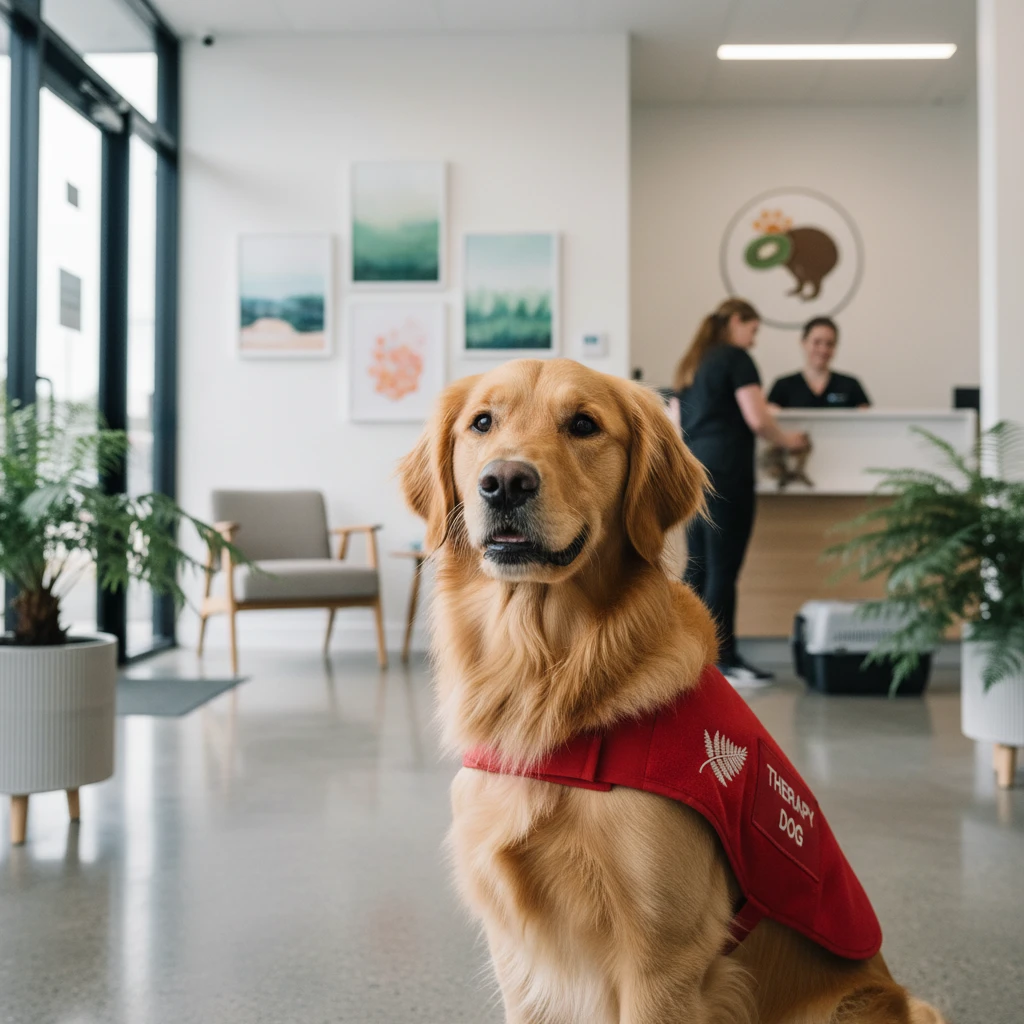
For a working therapy dog, veterinary care is not optional—it is a compliance requirement. Most insurance policies and therapy organizations require proof of annual health checks and up-to-date vaccinations to maintain certification. Failing to budget for these can lead to a suspension of your ability to work.
Core Vaccination Requirements in NZ
New Zealand’s specific biosecurity environment dictates a strict vaccination schedule. Handlers should budget for the ‘Core’ vaccines (Distemper, Hepatitis, Parvovirus) every three years, but more importantly, the annual components:
- Kennel Cough (Canine Cough): Essential for dogs entering high-traffic areas like hospitals or schools. Cost: ~$80 – $120 NZD annually.
- Leptospirosis: Crucial in NZ due to the agricultural nature of the country and rat populations in urban centers. This is a zoonotic disease (transferable to humans), making it a liability risk if missed. Cost: ~$70 – $100 NZD annually.
Parasite Prevention
Therapy dogs must be demonstrably free of fleas and worms to enter clinical environments. Over-the-counter supermarket treatments are generally insufficient for compliance standards. You must budget for veterinary-grade flea and worm treatments.
Estimated Annual Cost: $350 – $500 NZD depending on the weight of the dog.
The “Fit for Work” Health Check
Beyond shots, your veterinarian needs to sign off on the dog’s physical aptitude for work. This includes checking for hip dysplasia, vision issues, or pain that could cause a reaction during a session. Budgeting for a comprehensive annual geriatric profile (bloodworks) once the dog passes age 6 is also recommended to catch underlying issues early.
Nutrition and Professional Presentation Costs
A therapy dog’s diet directly impacts their cognitive function, stamina, and coat condition. Feeding a working dog is different from feeding a sedentary pet; they require high-quality, digestible proteins to maintain focus during long sessions.
Premium Nutrition Costs
To maintain a therapy dog in New Zealand, expect to purchase premium or science-diet level kibble or raw food blends. Cheaper fillers can lead to lethargy or gastrointestinal upset—neither of which is acceptable during a therapy visit.
Budget Allocation: $1,500 – $2,000 NZD per year for a large breed dog (e.g., Labrador or Golden Retriever).
Hygiene and Grooming Standards
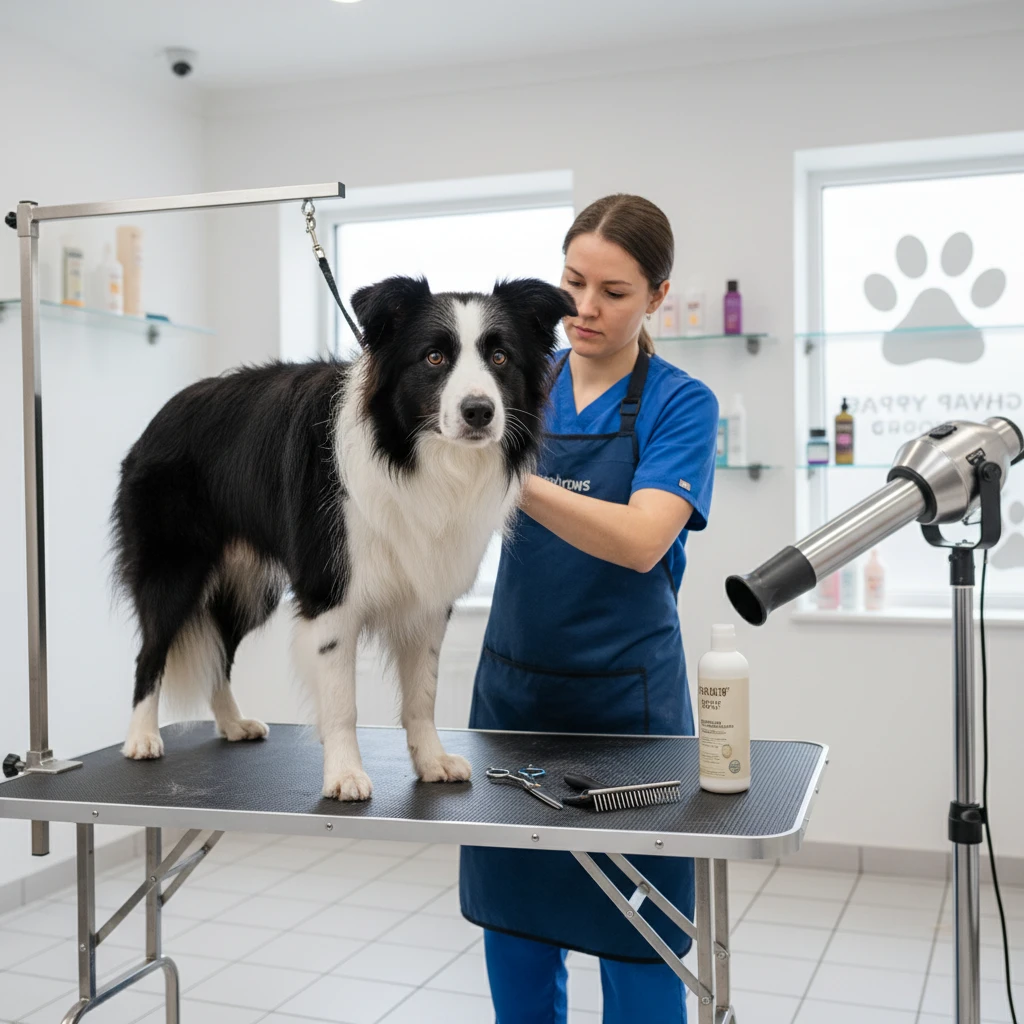
Therapy dogs must be scrupulously clean. They are often touched by immunocompromised individuals, meaning their coats must be free of dander, dirt, and odors. While some handlers wash their dogs at home, professional grooming ensures the nails are short (to prevent scratching patients) and ears are clean.
- Professional Grooming (Every 6-8 weeks): $100 – $150 per session.
- Home Grooming Supplies: High-quality shampoos, conditioners, and nail grinders ($200 annual average).
Sinking Funds for Equipment Replacement
A “Sinking Fund” is a strategic savings category where you set aside a small amount of money each month to pay for a future expense that you know is coming. For therapy dog handlers, equipment does not last forever. Vests get dirty, leads fray, and car safety harnesses expire.
Depreciation of Gear
Therapy vests and patches represent your brand and authority. A faded or ripped vest looks unprofessional and can lead to access challenges. Furthermore, safety equipment like crash-tested car crates or harnesses have a lifespan.
Recommended Sinking Fund Contributions
To avoid a large lump-sum payment, we recommend the following monthly allocations to a sinking fund:
- Uniforms (Vests/Bandanas): $10/month (Replacement every 2 years).
- Leads and Collars: $5/month (Annual refresh).
- Transport Safety (Crates/Harnesses): $15/month (Replacement every 5 years).
- Training Treats/Pouches: $20/month (Ongoing consumption).
By setting aside roughly $50 NZD a month into a specific account, you ensure that when a piece of gear fails, the funds are immediately available to replace it without impacting your personal household budget.
Insurance: Health and Public Liability
Financial planning for therapy dogs in NZ is incomplete without addressing risk transfer. There are two distinct types of insurance required: Medical Pet Insurance and Public Liability Insurance.
Public Liability Insurance
If your dog accidentally trips an elderly patient in a rest home or knocks over expensive medical equipment, you are liable. Many NZ therapy organizations provide this cover as part of your membership fee, but if you are an independent practitioner, you must secure this separately.
Cost: Included in org fees ($50-$100/year) or ~$300/year for standalone business policies.
Comprehensive Pet Health Insurance
Should you insure a therapy dog? Absolutely. If your dog suffers an ACL injury or ingests a foreign object, the resulting vet bill can range from $3,000 to $10,000 NZD. Without insurance, this financial hit could force you to retire the dog prematurely.
Major NZ providers like Southern Cross, Petplan, or PD Insurance offer varying levels of cover. For a working dog, look for policies that cover “hereditary conditions” and have a high annual limit (e.g., $15,000+).
Annual Premium Estimate: $800 – $1,200 NZD (depending on breed and age).

Emergency Fund Recommendations for Working Dogs
While insurance covers medical catastrophes, it often works on a reimbursement basis in New Zealand. This means you must pay the vet bill upfront before the insurance company pays you back. Therefore, a credit card or cash emergency fund is vital.
Why Working Dogs Need Larger Funds
Unlike a pet, if a therapy dog is sick, you may also lose income (if you are a paid provider) or let down clients. You need the ability to seek the best and fastest treatment, not just the cheapest.
Recommendation: Maintain a liquid cash buffer of at least $2,000 NZD specifically for the dog. This covers the deductible (excess) and the immediate upfront costs of emergency diagnostics (X-rays, bloods) at an after-hours clinic.
Managing Costs During the Dog’s Retirement
Ethical stewardship of a therapy dog involves planning for their life after their career ends. Most therapy dogs retire between 8 and 10 years of age. At this stage, income generated by the dog ceases, but expenses often increase due to age-related health issues.
The “Pension” Fund
It is prudent to start a “retirement fund” for the dog around age 5. As the dog ages, insurance premiums often skyrocket or coverage reduces. Having a savings pool allows you to pay for:
- Arthritis management (Librela injections, supplements like 4CYTE).
- More frequent dental work.
- End-of-life palliative care.
Strategy: Increase your monthly sinking fund contribution by 10% each year the dog works. By the time they retire, you should have a buffer of $3,000 – $5,000 to ensure their golden years are comfortable.

Tax Deductibility for NZ Therapy Dogs
For those operating as a business (e.g., private occupational therapists, counselors using dogs), therapy dog maintenance costs NZ regulations may allow for tax deductibility. According to the IRD, expenses directly related to earning income can be claimed.
However, because the dog is also likely a pet/companion, you may need to apportion expenses. Typically, the “working” portion of food, vet bills, and insurance can be claimed.
Note: Always consult with a qualified NZ accountant, as tax laws regarding working animals can be complex and subject to interpretation regarding “private use” vs. “business use.”
Frequently Asked Questions
Are therapy dog expenses tax deductible in New Zealand?
In many cases, yes, if the dog is integral to generating income for a business (like a psychologist’s practice). You generally claim a percentage of costs based on the dog’s working hours versus personal time. Consult an accountant for specific IRD compliance.
How much does therapy dog insurance cost in NZ?
Comprehensive pet insurance for a typical therapy breed (Labrador/Retriever) in NZ averages between $60 and $110 per month depending on the level of cover and the excess chosen.
What is the difference between a service dog and a therapy dog regarding costs?
Service dogs (like guide dogs) are often funded by charitable trusts or government schemes. Therapy dogs are typically owner-handled and owner-funded, meaning the handler bears 100% of the maintenance costs.
Do I need special liability insurance for my therapy dog?
Yes. Standard home and contents insurance rarely covers liability for business activities or voluntary work outside the home. You need specific public liability cover, often obtained through therapy dog organizations.
What is the most expensive part of maintaining a therapy dog?
Veterinary care (including preventative medicine and unexpected surgeries) and premium nutrition are typically the highest annual costs, followed closely by insurance premiums.
How often should a therapy dog visit the vet?
At a minimum, once annually for vaccinations and a general health check. However, working dogs should ideally have a check-up every 6 months to ensure they are free from pain or subtle illnesses that could affect their temperament.