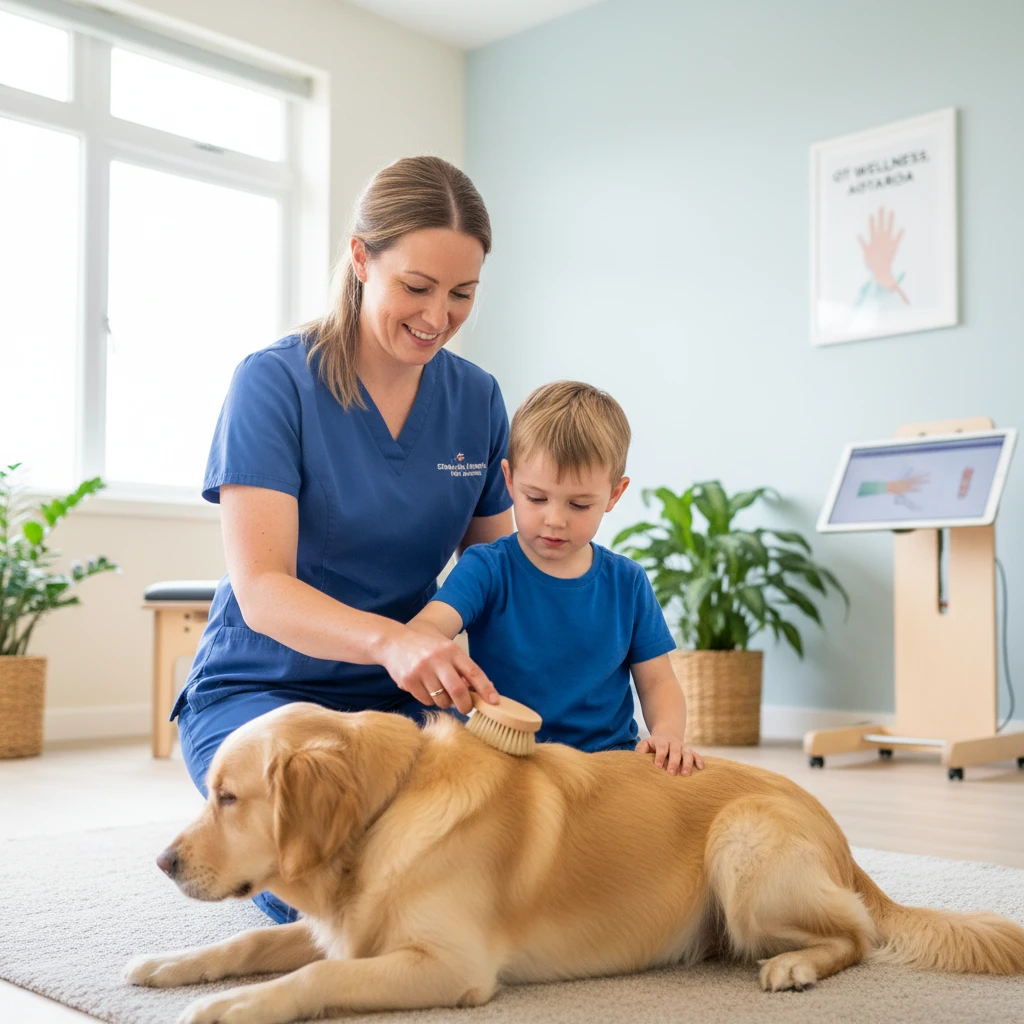
Therapy dog equipment in NZ refers to specialized harnesses, adaptive interaction tools, and clinical engagement toys designed for Animal-Assisted Therapy. Occupational Therapists source these supplies from local specialized retailers and wholesale working dog suppliers to ensure safety, hygiene compliance, and accessibility for clients with diverse physical and cognitive needs.
Introduction: Equipping Your Canine Co-Therapist
For Occupational Therapists (OTs) in New Zealand incorporating Animal-Assisted Therapy (AAT) into their practice, the dog is more than a pet; they are a sophisticated clinical modality. However, a therapy dog is only as effective as the equipment that facilitates their work. Finding high-quality therapy dog equipment NZ practitioners can rely on is a critical logistical challenge. Unlike standard pet owners, OTs require gear that withstands hospital-grade disinfectants, supports clients with limited mobility, and clearly identifies the dog’s working status in public and clinical environments.
The market for working dog supplies in New Zealand has evolved, moving from general pet retail to specialized providers catering to service, police, and therapy dogs. This guide serves as a comprehensive resource for sourcing professional-grade tools, from adaptive grooming brushes for clients to biomechanically sound harnesses for the working dog.
Specialized Toys and Tools for Clinical Sessions
When selecting toys for therapy sessions, the focus shifts from mere entertainment to functional clinical outcomes. In a New Zealand clinical context, where OTs may be working under ACC funding or within DHB facilities, every piece of equipment must justify its presence through therapeutic value.
What distinguishes clinical therapy toys from standard pet toys?
Clinical tools are selected based on their ability to facilitate specific motor or cognitive goals while maintaining strict infection control standards. Plush toys are generally avoided in clinical settings due to their ability to harbor bacteria and allergens. Instead, the focus is on non-porous, durable materials.
Sensory and Proprioceptive Tools
For clients with sensory processing disorders or those requiring heavy work (proprioceptive input), tug toys made from French Linen or Fire Hose material are essential. These materials are standard in the working dog industry and are available through NZ suppliers catering to police and schutzhund training. The durability allows for safe, vigorous interaction that helps clients regulate their arousal levels.
Fine Motor Engagement Tools
Puzzle feeders and treat-dispensing toys are vital for clients working on fine motor skills and pincer grasp. Loading a Kong or a slow-feeder mat requires dexterity. OTs should look for NZ suppliers stocking commercial-grade rubber toys that can withstand dishwasher sterilization. Brands often stocked by NZ veterinary wholesalers offer “extreme” durability lines that are safer for client interaction.
Dual-Handle Systems
For mobility assistance or cooperative play, dual-handle tugs are indispensable. These allow the client to hold one end while the OT or the dog holds the other, bridging the gap in social interaction and physical reach.

Sourcing Adaptive Gear for Clients with Disabilities
One of the most significant challenges for NZ OTs is finding adaptive gear that allows clients with physical disabilities to interact independently with the therapy dog. Often, standard leashes and grooming tools are not suitable for clients with reduced grip strength, tremors, or those using wheelchairs.
How to select adaptive leashes and handling equipment?
Standard flat leashes often require a tight grip, which excludes many clients. Sourcing equipment from suppliers that offer service dog modifications is key.
- Multi-Point Leashes: Look for “police style” or European training leashes available at NZ working dog stores. These have multiple D-rings, allowing the leash to be shortened, lengthened, or looped around a waist or wheelchair armrest without knotting.
- Biothane Material: Biothane is the gold standard for therapy dog equipment in NZ. It provides a superior grip compared to nylon, does not absorb water or odors, and can be wiped down with hospital-grade wipes between clients. Several NZ boutique makers now custom-make Biothane gear specifically for the disability sector.
- Modified Grooming Tools: Grooming the dog is a common therapeutic activity for range of motion (ROM) and bonding. However, standard brush handles are often too thin. OTs often need to source grooming tools with built-up handles or palm-straps. While some of this can be DIY, sourcing equine grooming supplies from NZ rural retailers often yields brushes with larger, more ergonomic grips suitable for human hands with limited dexterity.
Wholesale vs. Retail Options for NZ Practitioners
For a solo practitioner, retail purchasing is the norm. However, for larger clinics or organizations managing multiple therapy teams, understanding the wholesale landscape for therapy dog equipment in NZ is financially prudent.
Is it worth setting up a trade account?
Yes, particularly for consumables and high-wear items. Many New Zealand veterinary supply companies (such as Shoof or Crampton & Moore) offer trade accounts to registered businesses. While they primarily target farmers and vets, their inventory includes high-quality animal handling equipment, sanitation supplies, and bulk treats at significantly lower prices than high-street pet stores.
Retail Pros and Cons
- Pros: Immediate availability, ability to physically inspect the gear, easier returns for sizing issues.
- Cons: Higher markups, often stock “fashion” brands rather than “working” brands, limited stock of specialized adaptive gear.
Wholesale/Commercial Pros and Cons
- Pros: Access to professional-grade durability (e.g., equipment made for farm/police work), lower cost per unit, access to bulk sanitation supplies.
- Cons: Minimum order quantities (MOQ), longer lead times, accounts may require credit checks or proof of industry registration.

Review of Top NZ-Based Working Dog Stores
When searching for “therapy dog equipment nz,” it is crucial to filter out boutique fashion pet stores and focus on suppliers that understand the rigors of working dogs. Below is an analysis of the types of suppliers available in the NZ market that OTs should investigate.
1. Dedicated Working Dog Specialists
These are the premier sources for harnesses, vests, and identification patches. Stores that supply the NZ Police, Search and Rescue, and Security industry are your best bet. They stock brands like Julius-K9 and Black Dog.
- What to buy here: Identification vests (Therapy Dog patches), high-visibility gear for community outings, tactical collars with handles for quick restraint, and Biothane long lines.
- Why for OTs: The gear is ergonomically designed for the dog to wear for long periods (during a full work day) without restricting movement, which is an animal welfare requirement.
2. Veterinary and Rural Suppliers
Companies that service the agricultural sector in NZ are hidden gems for therapy teams.
- What to buy here: Bulk treats (liver treats, freeze-dried options), disinfectants (Virkon S), durable rubber mats for “stationing” the dog during sessions, and robust grooming gear.
- Why for OTs: Cost-effectiveness and focus on hygiene.
3. Custom Biothane Makers
A growing cottage industry in NZ involves makers creating custom Biothane gear. This is excellent for OTs who need specific lengths or modifications for wheelchair attachments.
- What to buy here: Custom-length hands-free leashes, traffic handles, and easy-clean collars.
- Why for OTs: Ability to customize color-coding (e.g., green for “pet me,” red for “working/do not disturb”) and the superior hygiene properties of the material.
Hygiene and Safety Standards for Equipment
In a clinical environment, the dog’s equipment is a vector for transmission. OTs must adhere to strict infection control protocols. This influences purchasing decisions significantly.
Material Selection for Clinical Environments
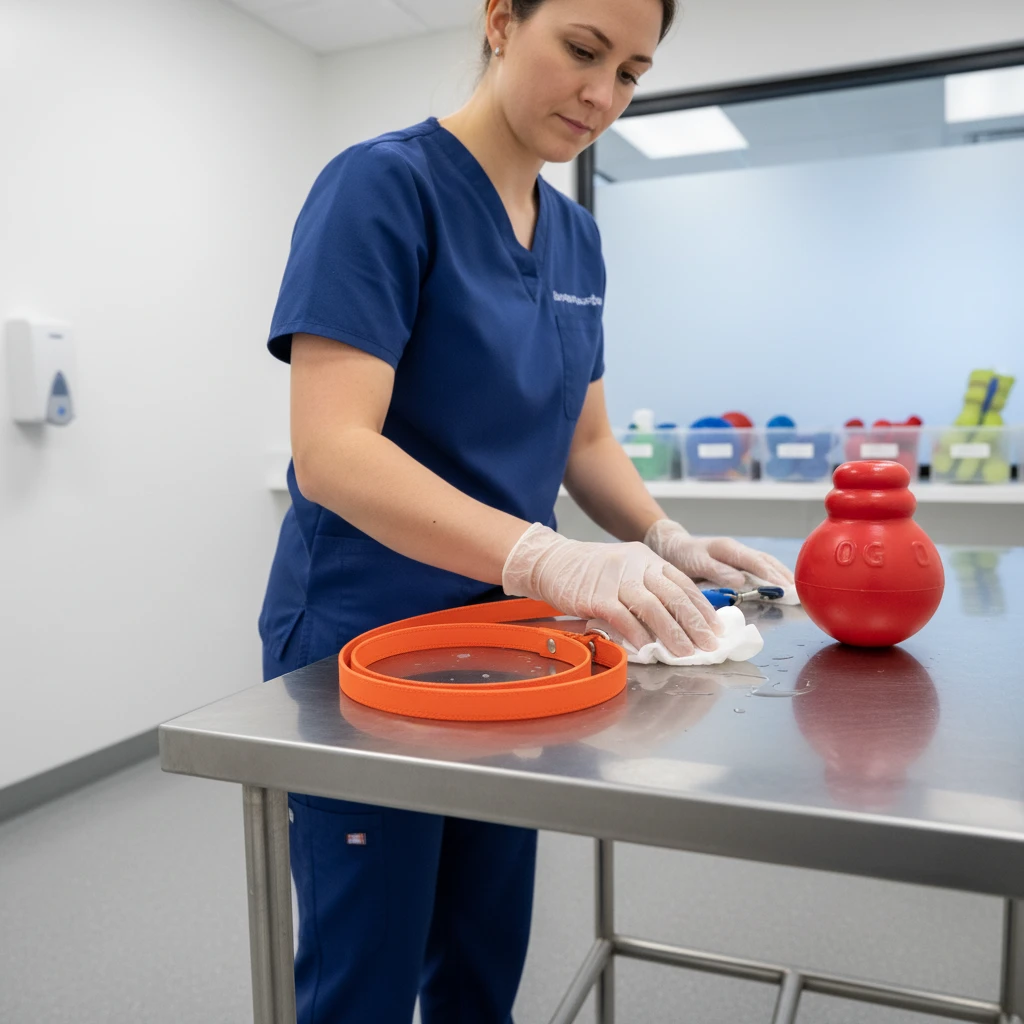
Fabric leashes and plush toys are difficult to sanitize between patients. If a client with a compromised immune system interacts with a fabric leash that was previously held by a client with a cold, there is a transmission risk. Therefore, Biothane and hard rubber are the preferred materials. They can be dipped in disinfectant or wiped down instantly.
Vest Identification and Public Access
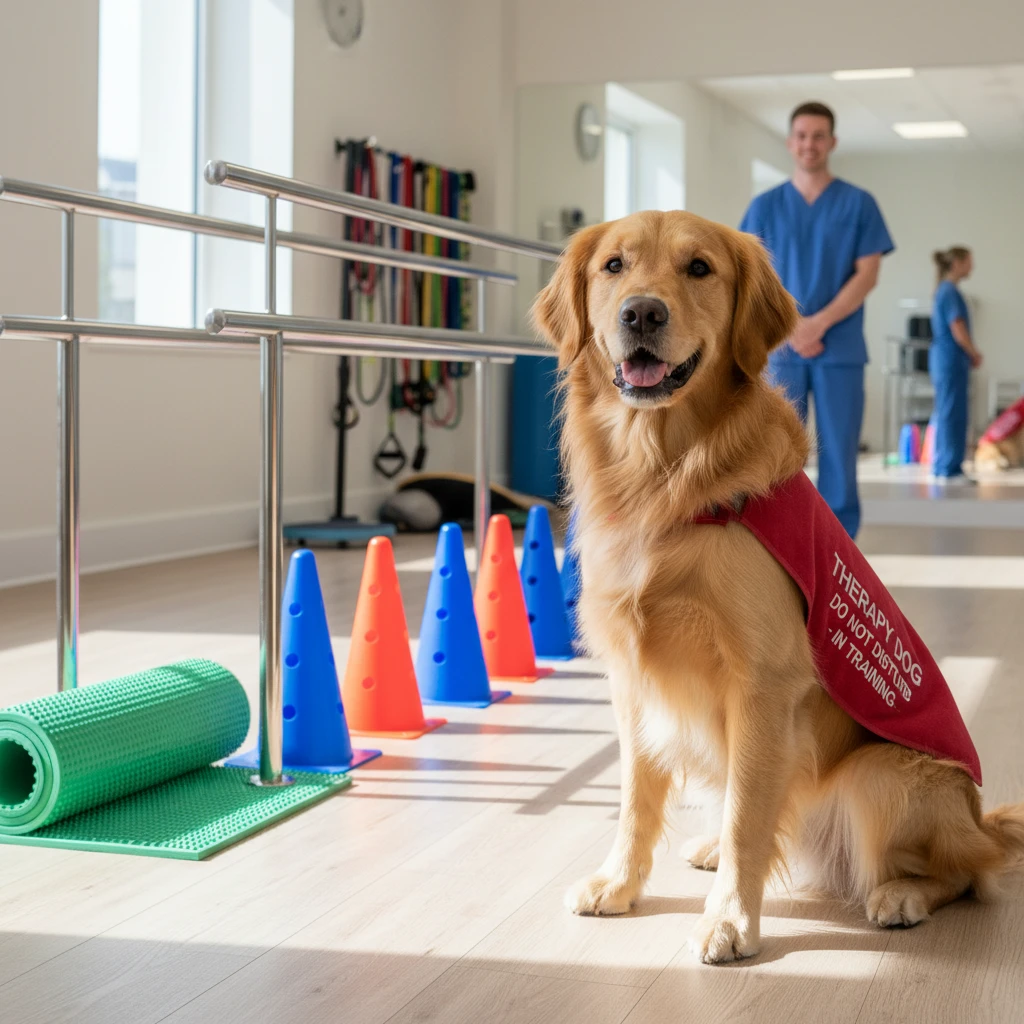
While New Zealand law regarding therapy dogs (who do not have the same public access rights as Disability Assist Dogs) is specific, clear identification is vital for liability and professionalism. A professional vest signals to the public and clients that the dog is working. OTs should source vests that have clear pockets for ID cards and interchangeable patches. Avoid “fake service dog” gear; stick to patches that accurately state “Therapy Dog” or “In Training” to maintain ethical standards within the NZ community.
Conclusion
Sourcing the right therapy dog equipment in NZ requires a shift in mindset from “pet owner” to “clinical facility manager.” By prioritizing materials that are hygienic, durable, and adaptive, Occupational Therapists can ensure their canine co-therapists are safe and effective. Leveraging wholesale accounts with veterinary suppliers and partnering with dedicated working dog stores will provide the most professional and cost-effective solutions for your practice.
People Also Ask
Where is the best place to buy therapy dog vests in NZ?
The best sources are specialized working dog retailers such as K9 specialized stores or suppliers for security and police dogs. Look for retailers stocking brands like Julius-K9, as they offer interchangeable patches and durable handles suitable for professional settings.
What specific equipment is needed for a therapy dog?
Essential equipment includes a high-visibility vest with “Therapy Dog” identification, a fixed-length leash (preferably Biothane for hygiene), a flat collar, a portable mat for “place” commands, and non-porous toys for client interaction. A treat pouch is also necessary for reinforcement.
Can I claim therapy dog supplies as a business expense in NZ?
Generally, yes. If the dog is an integral part of your Occupational Therapy practice and generates income or facilitates treatment, equipment, food, and veterinary costs are often deductible. However, you must consult with a New Zealand chartered accountant to ensure compliance with IRD regulations.
What are the best toys for animal-assisted therapy?
The best toys are durable, easily sanitized, and serve a clinical purpose. Rubber Kongs, treat-dispensing puzzles, and dual-handle tug toys are top choices. Avoid plush toys in clinical settings due to hygiene risks and low durability.
Why is Biothane recommended for therapy dog leashes?
Biothane is waterproof, non-porous, and easy to clean, making it the gold standard for infection control in clinical environments. Unlike nylon, it does not trap odors or bacteria and can be wiped down with hospital-grade disinfectant between clients.
Are there wholesale accounts for OTs buying dog gear?
Yes, many NZ veterinary and rural suppliers (like Shoof) offer trade accounts to registered businesses. OTs can often access wholesale pricing on bulk treats, sanitation supplies, and handling equipment by setting up a business account.