The total cost of a therapy dog in New Zealand typically ranges from $3,500 to $12,000+ for an owner-trained dog, while purchasing a fully trained assistance or facility dog can exceed $40,000. This investment covers the initial purchase of a temperament-tested puppy ($2,500–$4,500), professional obedience and specialized therapy training ($1,500–$6,000), certification fees, and essential working gear.
For organizations, schools, and healthcare facilities in New Zealand, the decision to integrate a therapy dog involves significant financial planning. Whether you are looking to purchase a pre-trained dog or invest in the training of a specific puppy, understanding the capital expenditure and operational costs is vital for a sustainable program.
The Core Dilemma: Buying Pre-Trained vs. Owner-Training
When analyzing the cost of therapy dog NZ options, prospective handlers are often faced with two distinct paths. The route you choose dictates not only the financial outlay but also the time investment required.
In the New Zealand market, purchasing a “fully finished” therapy dog is rare and expensive. Most pre-trained dogs are categorized as Assistance Dogs (for individuals with disabilities) rather than Therapy Dogs (for providing comfort to many people). However, some private trainers and organizations do offer “started” dogs or fully trained facility dogs.
- The “Buy” Model: You pay a lump sum for a dog that has passed public access tests and specific therapy task training. This minimizes risk but requires high upfront capital ($25,000 – $45,000 NZD).
- The “Train” Model: You purchase a puppy and pay for training incrementally. This spreads the cost over 18-24 months but carries the risk that the dog may “wash out” (fail to meet standards) due to temperament or health issues.

Breakdown of Initial Purchase Prices for Suitable Breeds
The foundation of a successful therapy dog is genetics. While any breed can theoretically be a therapy dog, professional environments usually require breeds with high biddability, low reactivity, and specific hypoallergenic qualities (in schools or hospitals). This necessitates purchasing from reputable breeders who perform health testing and temperament profiling.
The Cost of Genetics
In New Zealand, the price for a well-bred puppy from parents with low hip scores and clear DNA panels has risen significantly. Skimping here often leads to higher veterinary costs or behavioral washouts later.
- Golden Retrievers / Labradors: $2,500 – $4,500 NZD. These are the industry standard for stability. You are paying for generations of calm temperament.
- Standard Poodles / Oodle Mixes: $3,000 – $5,000 NZD. Often required for facilities with strict allergen policies. Note that ethical breeding of “oodles” is harder to verify, often driving the price higher for legitimate breeders who do full health testing.
- Cavaliers / Smaller Breeds: $2,500 – $4,000 NZD. Suitable for lap-based therapy in rest homes, though insurance premiums can be higher due to breed-specific health issues like mitral valve disease.
Warning on “Bargain” Dogs: Adopting a rescue dog for $300 is a noble gesture, but for professional therapy work, the unknown history presents a high liability risk. If a rescue dog reacts aggressively in a school setting due to past trauma, the legal and reputational costs to your business far outweigh the savings on the purchase price.
Professional Training Fees: Auckland vs. Christchurch
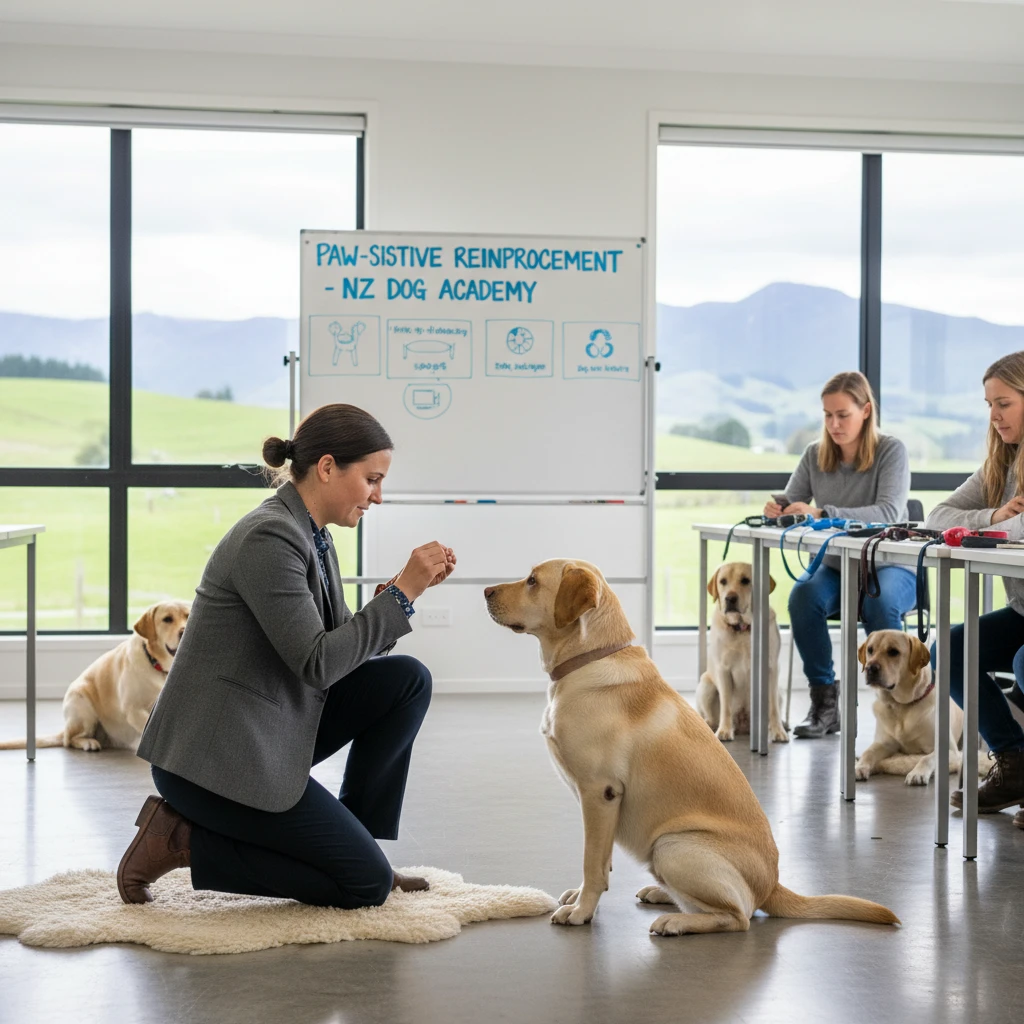
Training is the most variable variable in the cost of therapy dog NZ equation. A therapy dog requires more than basic obedience; they need desensitization to medical equipment, sudden noises, and erratic movement, as well as impulse control.
Auckland Region Pricing
Due to higher commercial rents and living costs, professional dog training in Auckland commands a premium.
- Private Consultations: $140 – $200+ per hour.
- Board and Train (2-3 weeks): $3,500 – $5,500. This is popular for businesses that lack the staff time to do daily foundation training.
- Group Therapy Classes: $250 – $400 for a 6-week term.
Estimated Training Total (Auckland): $4,000 – $7,000 over 18 months.
Christchurch & Regional Pricing
In Christchurch and the wider South Island, costs can be slightly lower, though specialized therapy dog trainers are fewer in number, which keeps demand high.
- Private Consultations: $100 – $160 per hour.
- Board and Train: $2,500 – $4,500.
- Group Therapy Classes: $180 – $300 for a 6-week term.
Estimated Training Total (Christchurch): $2,500 – $5,000 over 18 months.
Why Professional Training is Non-Negotiable
You cannot rely on YouTube tutorials for a dog that will work with vulnerable populations. Professional trainers document the dog’s progress, which serves as a crucial paper trail for liability insurance. If an incident occurs, being able to prove the dog was professionally assessed and trained is your primary defense.
Hidden Costs: Certification, Gear, and Insurance
When budgeting, many organizations overlook the operational costs that arise after the dog is purchased and basic obedience is mastered. These hidden costs are recurring and essential for legitimacy.
1. Certification and Assessment Fees
In New Zealand, there is no single government registry, but reputable organizations (like Therapy Dogs New Zealand or St John) have assessment protocols. If you are operating independently, you may need to pay for a Public Access Test (PAT) conducted by a certified behaviorist.
- Initial Assessment Fee: $150 – $300.
- Annual Re-certification: $100 – $200 per year.
- Membership Fees: $50 – $150 annually for therapy dog organizations.
2. Specialized Gear
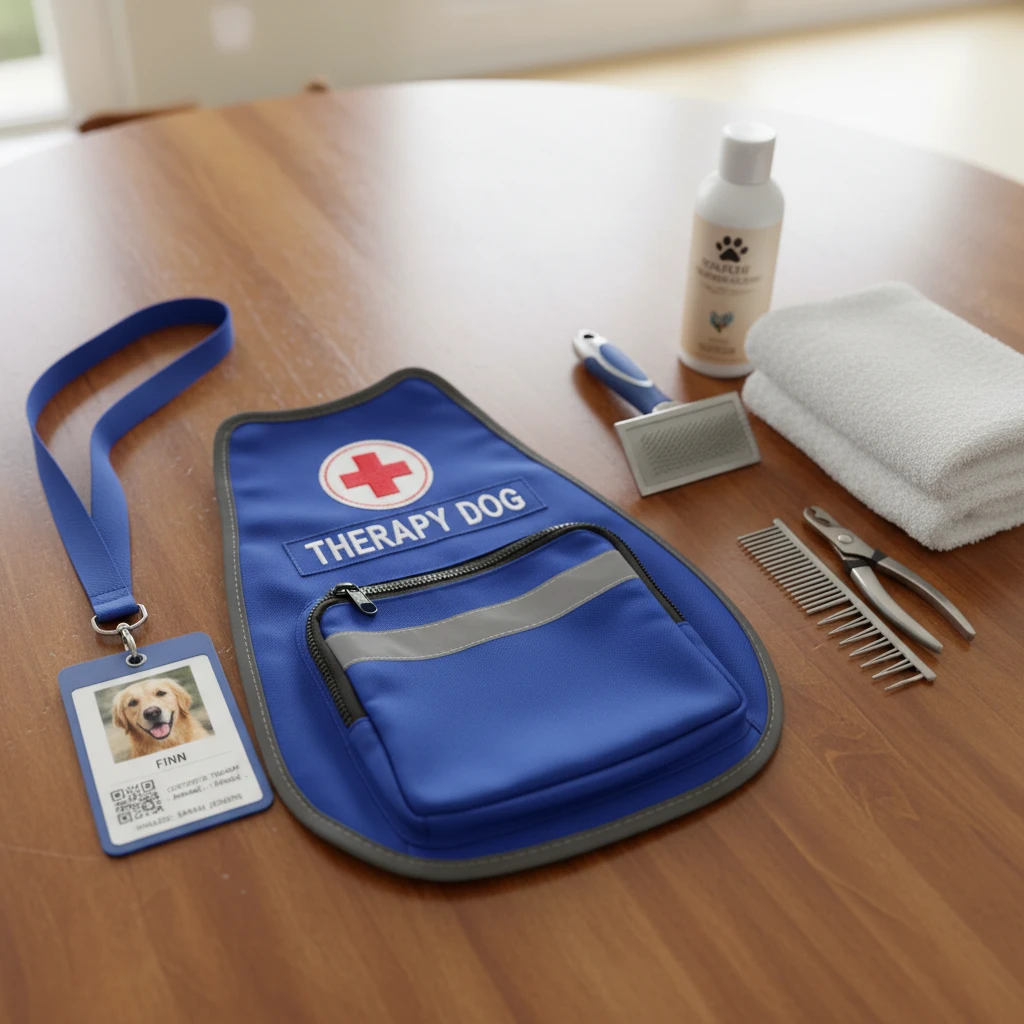
A therapy dog must be instantly recognizable. You should not use cheap, ill-fitting vests.
- Custom Embroidered Vest/Harness: $80 – $150.
- Settling Mats (Place beds): $60 – $120.
- Grooming Equipment: $200+ (Therapy dogs must be immaculately clean).
3. Insurance: The Critical Safety Net
Standard pet insurance covers the dog’s health. However, a working dog requires Public Liability Insurance. If your dog accidentally scratches a patient or knocks over an elderly resident, your business is liable.
- Pet Health Insurance (Comprehensive): $60 – $120 per month ($720 – $1,440/year).
- Public Liability Extension: Many business policies require a specific clause for animal interaction. This can add $500 – $2,000 to your annual business premium depending on the risk level of your facility.
Long-Term Financial Commitment Analysis
A therapy dog is a depreciating asset in financial terms, but an appreciating asset in social value. The working life of a therapy dog is typically 6 to 8 years. During this time, maintenance costs are higher than for a standard pet due to the requirement for peak health and hygiene.
Annual Maintenance Breakdown (Estimated)
| Expense Category | Estimated Annual Cost (NZD) | Notes |
|---|---|---|
| Premium Nutrition | $1,200 – $1,800 | High-quality food ensures focus and coat health. |
| Veterinary (Routine) | $400 – $600 | Vaccinations, annual check-ups. |
| Flea/Worm Prevention | $300 – $450 | Mandatory for facility access. |
| Professional Grooming | $600 – $1,000 | Every 6-8 weeks (breed dependent). |
| Ongoing Training | $500 – $1,000 | Skill maintenance and troubleshooting. |
| TOTAL ANNUAL | $3,000 – $4,850 | Excludes major medical emergencies. |
Over an 8-year working life, the operational cost alone ranges between $24,000 and $38,000 NZD. When combined with the initial setup costs (purchase + training), the Total Cost of Ownership (TCO) for a professional therapy dog frequently sits between $35,000 and $55,000.
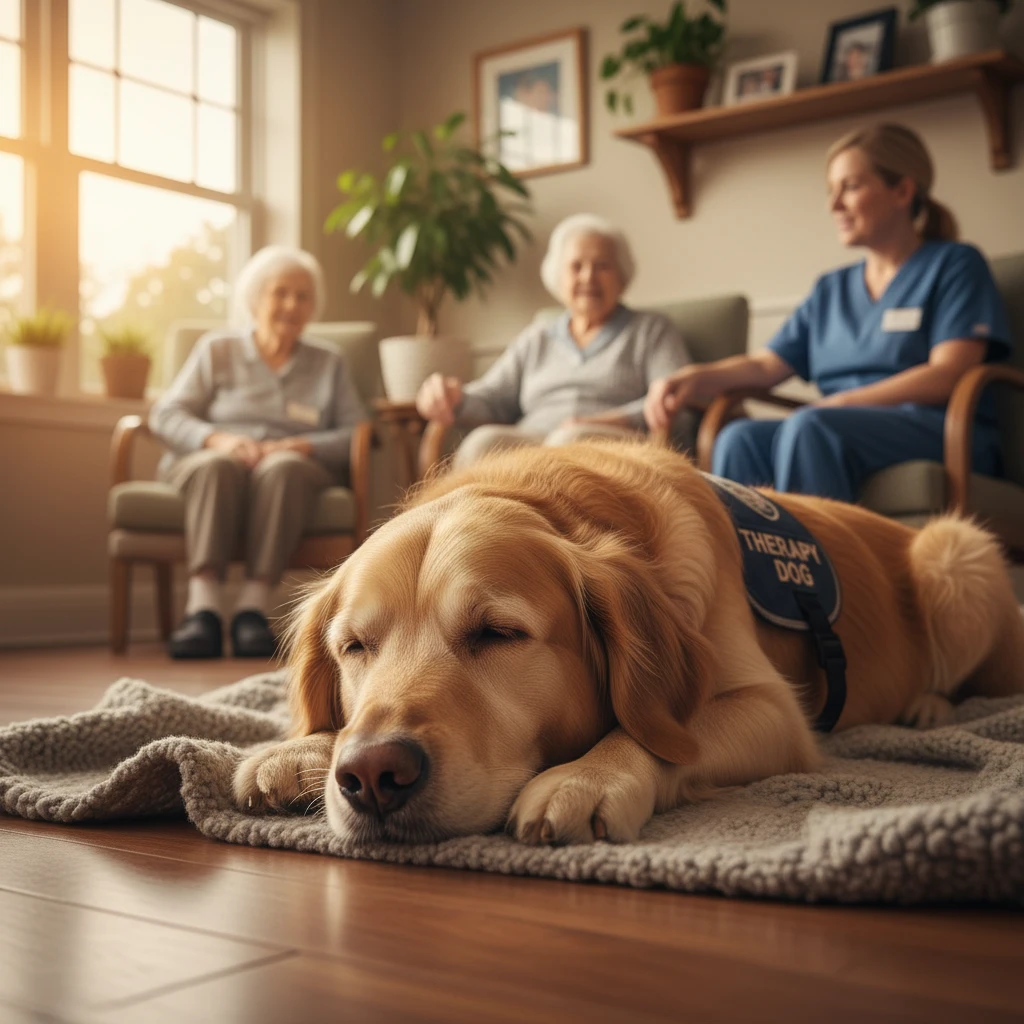
Calculating the ROI of a Therapy Dog
Given the substantial cost of therapy dog NZ businesses face, is it worth it? For commercial entities, the Return on Investment (ROI) isn’t always direct revenue, but rather marketing and therapeutic outcomes.
- Client Retention: Private psychology practices or occupational therapists often find that clients are more likely to attend sessions and less likely to cancel if the dog is present.
- Marketing Differentiation: Rest homes and schools with a resident therapy dog have a unique selling proposition that appeals to families.
- Staff Wellbeing: The presence of a dog has been proven to lower staff turnover and burnout rates in high-stress healthcare environments, saving recruitment costs.
Conclusion: Budget for Quality
Whether you choose to buy a started dog or train from puppyhood, the consensus is clear: cutting costs on genetics or training invariably leads to higher costs down the line. For a professional setting in New Zealand, budget a minimum of $10,000 for the first year (purchase + training + setup) and $3,000+ annually thereafter to maintain a safe, effective, and certified therapy dog program.
People Also Ask
Is the cost of a therapy dog tax deductible in NZ?
In many cases, yes. If the dog is integral to the income-generating activities of a business (e.g., a psychologist’s therapy dog), expenses like food, vet bills, and insurance can often be claimed as business expenses. However, the IRD reviews this on a case-by-case basis, and you must prove the dog is a working asset, not just a pet. Always consult a New Zealand tax accountant.
How much does St John Therapy Dog training cost?
St John Therapy Pets is a volunteer program. They do not charge for the “training” in a commercial sense, but you must have a dog that is already well-trained. You will incur costs for the assessment, uniform/gear, and your own travel. This is different from a commercial therapy dog used in your own private business.
What is the difference between a Service Dog and a Therapy Dog cost?
A Service Dog (Assistance Dog) is trained to perform tasks for a specific disability for one person and has full public access rights. These cost $40,000+ to train. A Therapy Dog is trained to provide comfort to many people and does not have automatic public access rights. Therapy dog training is generally less intensive and therefore less expensive ($3,000 – $10,000).
Can I train my own therapy dog to save money?
Yes, owner-training is the most common route in New Zealand. While you save on the upfront cost of a pre-trained dog, you must invest heavily in professional guidance. Attempting to train entirely without professional help often leads to failure in certification assessments, wasting the initial investment.
How long does it take to train a therapy dog?
It typically takes 18 to 24 months to take a puppy to a fully certified therapy dog standard. The dog needs to reach social maturity (usually around 1.5 to 2 years old) before they can be fully trusted in complex working environments.
What is the most expensive part of owning a therapy dog?
While the purchase price is a large single sum, the cumulative cost of training (first 2 years) and ongoing insurance/healthcare (lifetime) usually exceeds the purchase price. Public Liability Insurance for businesses involving animals can be a significant ongoing overhead.