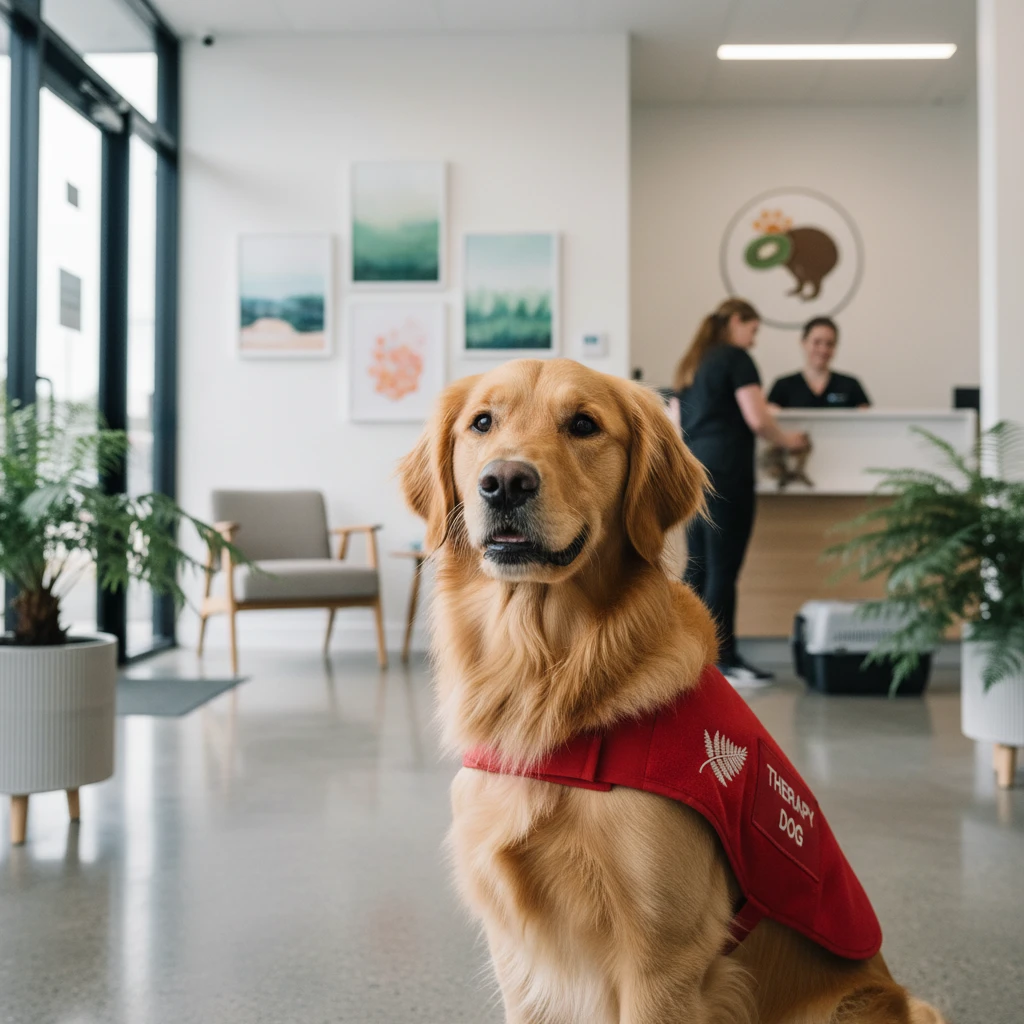
Therapy dog training grants in New Zealand are primarily available through community gaming trusts like The Lion Foundation and Pub Charity, as well as the NZ Lottery Grants Board. While direct funding for individuals is rare, registered charities, schools, and community organizations can successfully apply for funds to cover training costs by demonstrating the dog’s projected positive impact on community wellbeing, mental health, or educational outcomes.
Securing funding for a therapy dog program is a transformative step for many New Zealand schools, healthcare facilities, and community groups. However, the costs associated with purchasing, raising, and professionally training a certified therapy dog can be significant, often ranging from $3,000 to over $10,000 depending on the level of specialized training required. Fortunately, New Zealand has a robust philanthropic ecosystem designed to support initiatives that improve social welfare.
This guide provides a comprehensive roadmap for navigating the funding landscape, specifically tailored for New Zealand entities seeking financial support to establish or expand therapy dog services.
Major National Charitable Trusts in New Zealand
In New Zealand, the most accessible source of funding for capital items and specialized training comes from organizations that distribute proceeds from gaming machines. These organizations, known as Class 4 gaming societies, are mandated to return a portion of their proceeds to the community. They are often the first port of call for schools and charities seeking therapy dog training grants.
The Lion Foundation
The Lion Foundation is one of New Zealand’s oldest and most charitable trusts. They focus heavily on community usage, meaning they are more likely to fund a therapy dog that serves a broad demographic (e.g., a school dog accessible to 500 students) rather than a dog for a single individual. Grants are reviewed monthly, making them a flexible option for immediate training needs.
Pub Charity Limited
Pub Charity distributes donations to community groups across New Zealand. Their criteria often focus on the “local” aspect of the application. If your therapy dog program operates in an area where Pub Charity has venues, your chances of success increase. They support health and welfare initiatives, which aligns perfectly with the mental health benefits provided by therapy dogs.
New Zealand Community Trust (NZCT)
While NZCT has a strong focus on amateur sport, they also support educational and community purposes. If your therapy dog is being trained to assist in a sports rehabilitation context or within a school’s physical education and wellbeing department, NZCT may be a viable funding avenue.
Grassroots Trust
Operating primarily in the Waikato, Bay of Plenty, and Auckland regions, Grassroots Trust provides funding for education and community sectors. They require applicants to be non-profit bodies. If you are a private individual hoping to train a therapy dog, you will likely need to partner with a registered non-profit or school to apply through them.
Government and Lottery Funding
Beyond gaming trusts, the New Zealand government facilitates funding through the Department of Internal Affairs (DIA), specifically via the Lottery Grants Board. These funds are derived from the profits of Lotto NZ.
Lottery Community Grants
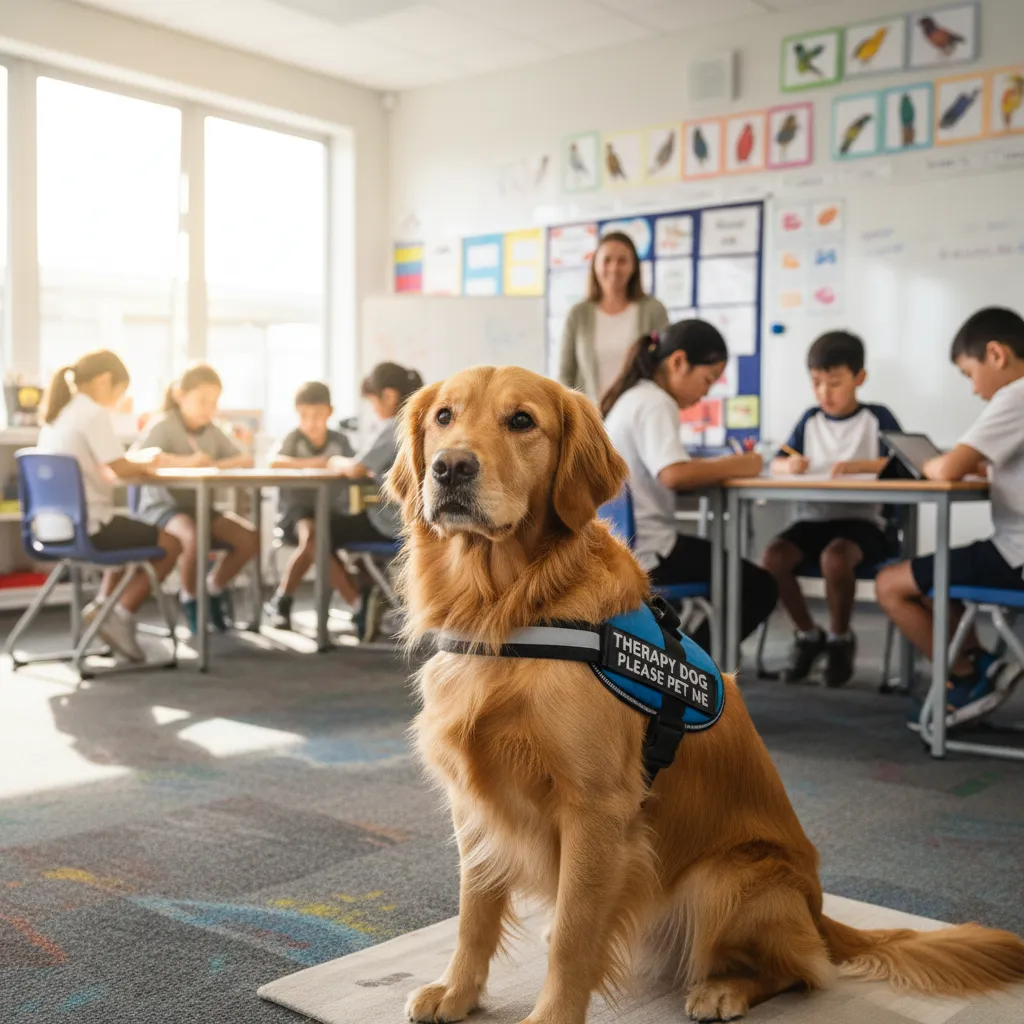
The Lottery Community sector is a significant source of funding for projects that encourage community participation and wellbeing. A therapy dog program fits well here, provided you can articulate how the dog facilitates social connection or supports vulnerable populations (such as the elderly in rest homes or children with learning disabilities).
- Grant Cap: There is no strict cap, but requests must be reasonable and fully costed.
- Focus: Projects that help people help themselves and others.
- Timing: These rounds usually open once or twice a year, so strategic planning is essential.
Community Organisation Grants Scheme (COGS)
COGS provides government-funded grants to non-profit community organizations that deliver community-based social services. If your therapy dog is part of a wider social work or counseling service, COGS can contribute to the operational costs, which may include ongoing training or handler certification.

Regional Community Trusts
New Zealand is divided into regions supported by specific Community Trusts. These entities manage investment portfolios and distribute the income to their local communities. They are often more approachable than national bodies and have specific strategic goals.
Foundation North (Auckland & Northland)
Foundation North focuses on “enhancing lives.” They have specific funding streams for increased equity and social inclusion. A therapy dog program designed to support neurodiverse children or those in low-decile schools aligns well with their strategic priorities.
Rātā Foundation (Canterbury, Nelson, Marlborough, Chatham Islands)
The Rātā Foundation is a major funder in the South Island. Their “Learn” and “Support” funding areas are relevant. They look for projects that remove barriers to participation. For example, a therapy dog that helps children with anxiety attend school more regularly would be a strong candidate.
Otago Community Trust & Community Trust South
For those in the lower South Island, these trusts offer community grants that cover equipment and training. They often require a conversation with a community advisor before applying, which is an excellent opportunity to refine your pitch regarding the benefits of the therapy dog.
Navigating the Application Process
Applying for grants is a rigorous process that requires preparation. Most funders in New Zealand will not fund “retrospective costs,” meaning you cannot apply for training that has already happened. You must secure the funding approval before the invoice is paid.
Essential Documentation
To apply for a therapy dog training grant, you generally need the following:
- Legal Entity Status: You must be a registered Charity (Charities Services), an Incorporated Society, or a School/Board of Trustees. Individuals are rarely funded directly.
- Bank Deposit Slip: Verified proof of the organization’s bank account.
- Quotes: At least two competitive quotes for the training. If you are using a specific provider (like Therapy Dogs NZ or a specialized trainer), you may need to provide a “preferred supplier” justification if they are more expensive than others.
- Resolution: Minutes from a committee or board meeting formally approving the decision to apply for funding for the therapy dog.
Timelines
Grant cycles vary. Gaming trusts (Lion Foundation, Pub Charity) often have a 6-8 week turnaround. Community Trusts and Lottery grants can take 3-5 months. If you plan to start training in February for the new school year, you should be submitting applications by October of the previous year.
How to Write a Winning Grant Proposal
The success of your application hinges on your “Case for Support.” You must move beyond the idea that “dogs are nice” and provide evidence-based arguments for why this specific training is a necessary investment for your community.
1. Define the Problem
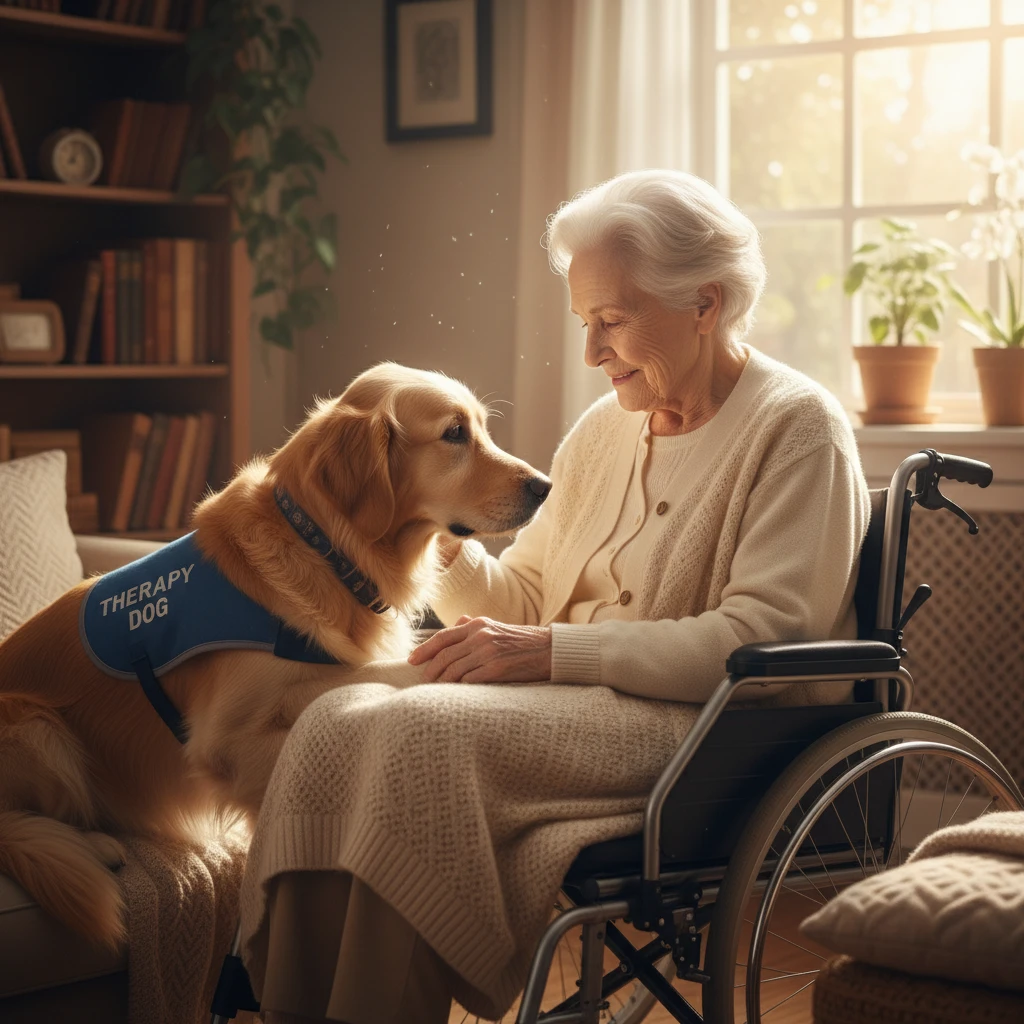
Do not start with the dog; start with the need. Are you a school dealing with high rates of student anxiety? Are you a rest home combating loneliness? Use statistics where possible.
Example: “Our school has seen a 30% increase in anxiety-related truancy. Traditional counseling methods have had limited uptake.”
2. Present the Solution
Explain how the therapy dog addresses the problem defined above. Reference studies on the physiological benefits of animal-assisted therapy (lowering cortisol, increasing oxytocin).
Example: “A trained therapy dog acts as a non-judgmental bridge, encouraging students to enter the counseling space and reducing physiological stress markers, thereby improving attendance.”
3. Justify the Training Costs
Funders need to know why professional training is required. Explain the difference between a pet and a certified therapy dog. Highlight the safety risks of using an untrained dog in a public facility. This justifies the grant request for high-quality, professional training.
4. Sustainability Plan
Funders want to know the project won’t collapse after the grant is spent. Who pays for the dog food, vet bills, and insurance? Show that your organization has budgeted for the ongoing operational costs (OPEX), and you are only asking the trust for the setup/training costs (CAPEX).
Local Council Community Grants
Almost every local council in New Zealand, from the Far North District Council to the Invercargill City Council, operates a “Community Grant” or “Local Board Grant” scheme. These are often smaller pools of money ($500 – $5,000) but are less competitive than national lotteries.
How to Approach Your Council
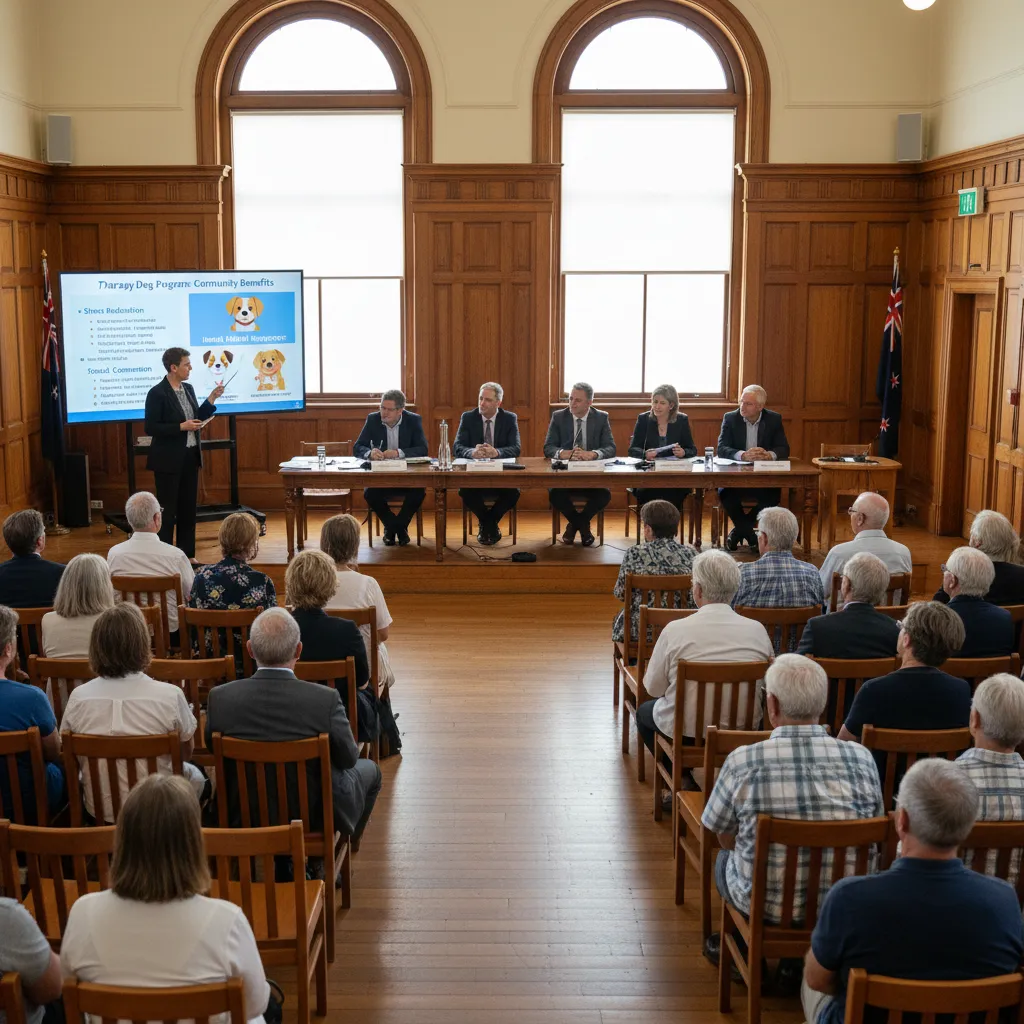
Council grants focus on “placemaking” and community resilience. To succeed here, frame your therapy dog project as a community asset.
- Libraries and Community Centers: Propose a “Read to the Dog” program where the therapy dog visits the local library to help children read. This makes the dog a community resource, not just a private asset.
- Local Board Priorities: Check your local board plan. If they prioritize “Youth Mental Health,” explicitly link your application to that outcome.
Alternative Funding Strategies
If traditional grants are not an option—perhaps because you are an individual practitioner rather than a registered charity—you must look at alternative funding models.
Corporate Sponsorship
New Zealand businesses often look for local causes to support. A therapy dog is a highly visible, photogenic ambassador. A local real estate agency, vet clinic, or pet food store might sponsor the training costs in exchange for their branding on the dog’s vest or bandana.
Crowdfunding (Givealittle)
Givealittle is New Zealand’s premier crowdfunding platform. Successful therapy dog campaigns on Givealittle usually focus on a specific story. Rather than “Help me train a dog,” frame it as “Help [Dog Name] bring smiles to [Specific Hospital Ward].” Video content is crucial for these campaigns.
Service Clubs
Rotary, Lions Clubs, and Freemasons are incredibly active in New Zealand. They often look for discrete, one-off projects to fund. Presenting to a local Rotary club about the benefits of a therapy dog for a local school can often result in a donation covering the training fees.
People Also Ask
Can individuals apply for therapy dog grants in NZ?
Generally, no. Most major trusts (Lion Foundation, Lottery, Pub Charity) only fund registered non-profit organizations or schools. Individuals wishing to train a therapy dog should partner with a school, hospital, or charity that can apply for the funding on their behalf.
How much does therapy dog training cost in New Zealand?
Costs vary widely. Basic obedience is cheaper, but specialized therapy dog certification can cost between $1,500 and $5,000+. If purchasing a fully trained dog from a provider, costs can exceed $20,000. Grants typically cover the training component rather than the purchase of the animal.
What is the difference between a Service Dog and a Therapy Dog for funding?
A Service Dog (or Assistance Dog) is trained to help one specific person with a disability and has legal access rights. These may be funded by Disability Allowance or specific disability trusts. A Therapy Dog is trained to provide comfort to many people and does not have the same legal access rights or government funding streams.
Does the Ministry of Education fund therapy dogs?
The Ministry of Education does not typically provide direct funding for therapy dogs. Schools usually fund these programs through their operational grants, local fundraising, or by applying to community trusts like the Lion Foundation or Rātā Foundation.
Can I use Lottery Grants for dog food and vet bills?
Usually, no. Lottery and community trusts prefer to fund “capital” or “project” costs (like the initial training course or purchasing equipment). Ongoing operational costs like food, insurance, and vet bills are typically considered the responsibility of the organization.
How long does the grant application process take?
Gaming trusts (Pub Charity, Lion Foundation) often have a turnaround of 6 to 8 weeks. Lottery Community grants and large Community Trusts may take 3 to 5 months. Always apply well in advance of when the payment is required.