
Psychiatric service dog training in NZ involves conditioning a dog to perform specific tasks that mitigate a handler’s mental health disability, granting them legal access rights under the Human Rights Act 1993. This rigorous process includes advanced obedience, specific task mastery like Deep Pressure Therapy, and passing a Public Access Test (PAT) to ensure safety in public spaces.
What is a Psychiatric Service Dog in New Zealand?
In New Zealand, the terminology surrounding working dogs is specific and legally defined. A Psychiatric Service Dog (PSD) falls under the category of “Disability Assist Dog” as outlined in the Dog Control Act 1996. Unlike emotional support animals, which provide comfort merely by their presence, a PSD is trained to perform active work that directly assists with a psychiatric condition, such as PTSD, severe anxiety, or panic disorders.
To qualify as a legitimate service dog in NZ, the animal must be certified by one of the organisations listed in the Dog Control Act or be trained to a standard where they can pass a Public Access Test comparable to those administered by Assistance Dogs New Zealand (ADNZ) or similar bodies. The distinction is not just semantic; it dictates where you can legally take your dog.
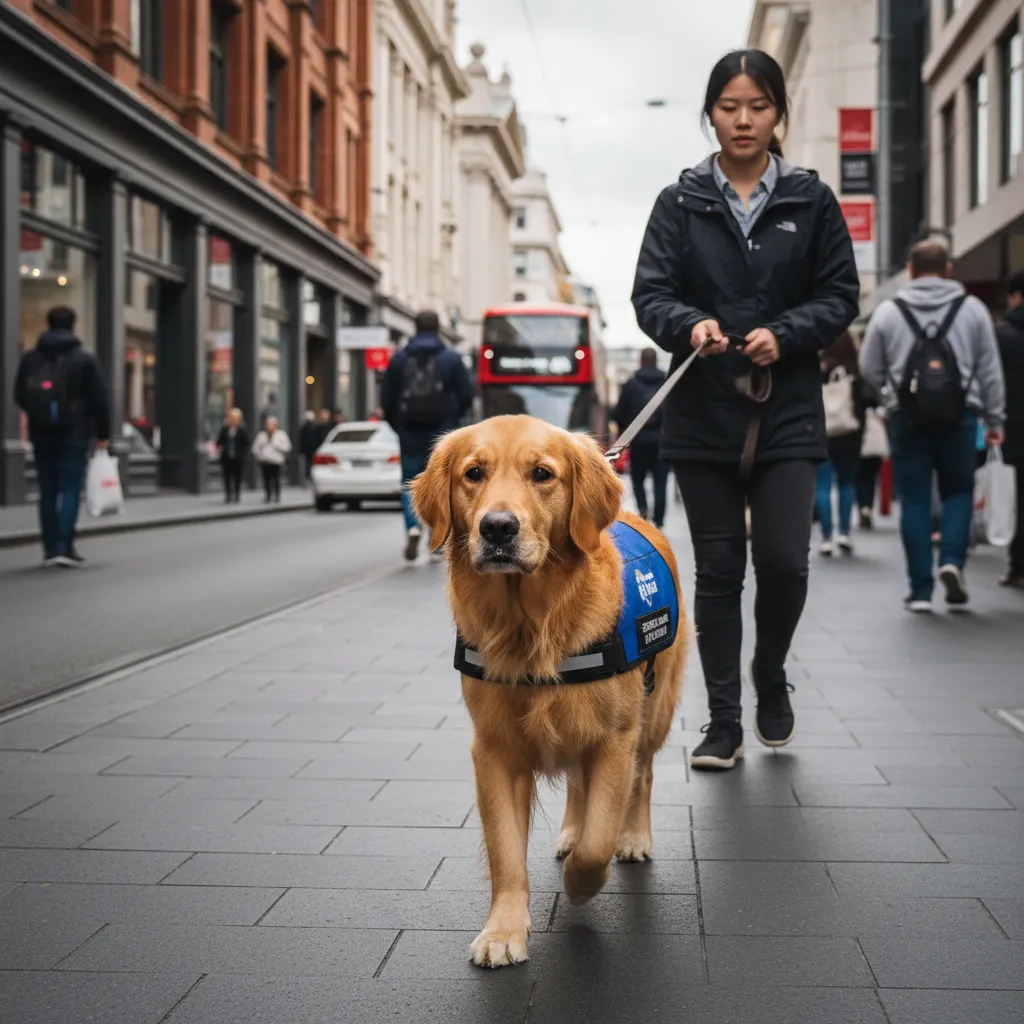
Difference Between Therapy and Psych Service Training
One of the most common misconceptions in the NZ market is the interchangeability of “Therapy Dog” and “Service Dog.” Understanding this difference is the first step in your training journey.
What defines a Therapy Dog?
Therapy dogs are trained to provide affection and comfort to people other than their handler. They are often taken into hospitals, schools, and rest homes. Their training focuses on:
- Sociability: Loving interaction with strangers.
- Tolerance: Accepting clumsy petting or loud noises.
- Access Rights: They have no legal public access rights (restaurants, planes, malls) unless invited by the facility.
What defines a Psychiatric Service Dog?
A PSD is trained to focus exclusively on their handler, often ignoring other people entirely. Their training focuses on:
- Tasking: Performing specific actions to help the handler.
- Focus: Ignoring distractions and strangers.
- Access Rights: Protected legal access to almost all public places under the Human Rights Act 1993.
Training Pathways: Owner-Training vs. Program-Training
When looking into psychiatric service dog training NZ, handlers generally face two routes. Both are valid, but they require vastly different resources.
Option 1: Accredited Programme Training
This involves applying to an organisation (like Assistance Dogs NZ Trust or similar entities) to receive a fully trained dog.
Pros: The dog is professionally trained, vetted for health/temperament, and comes with full certification.
Cons: Waitlists in New Zealand can be several years long, and the cost (often covered by fundraising) is significant.
Option 2: Owner-Training (with Professional Support)
Many Kiwis opt to train their own dogs due to waitlists. This involves selecting a puppy and working with a private trainer who specialises in service work to guide the process.
Pros: Stronger bond from puppyhood, no waitlist for placement.
Cons: High risk of “washout” (the dog failing to meet standards), requires hundreds of hours of dedication, and you must navigate the certification process independently (often through a “Public Access Test” assessment by a qualified trainer).
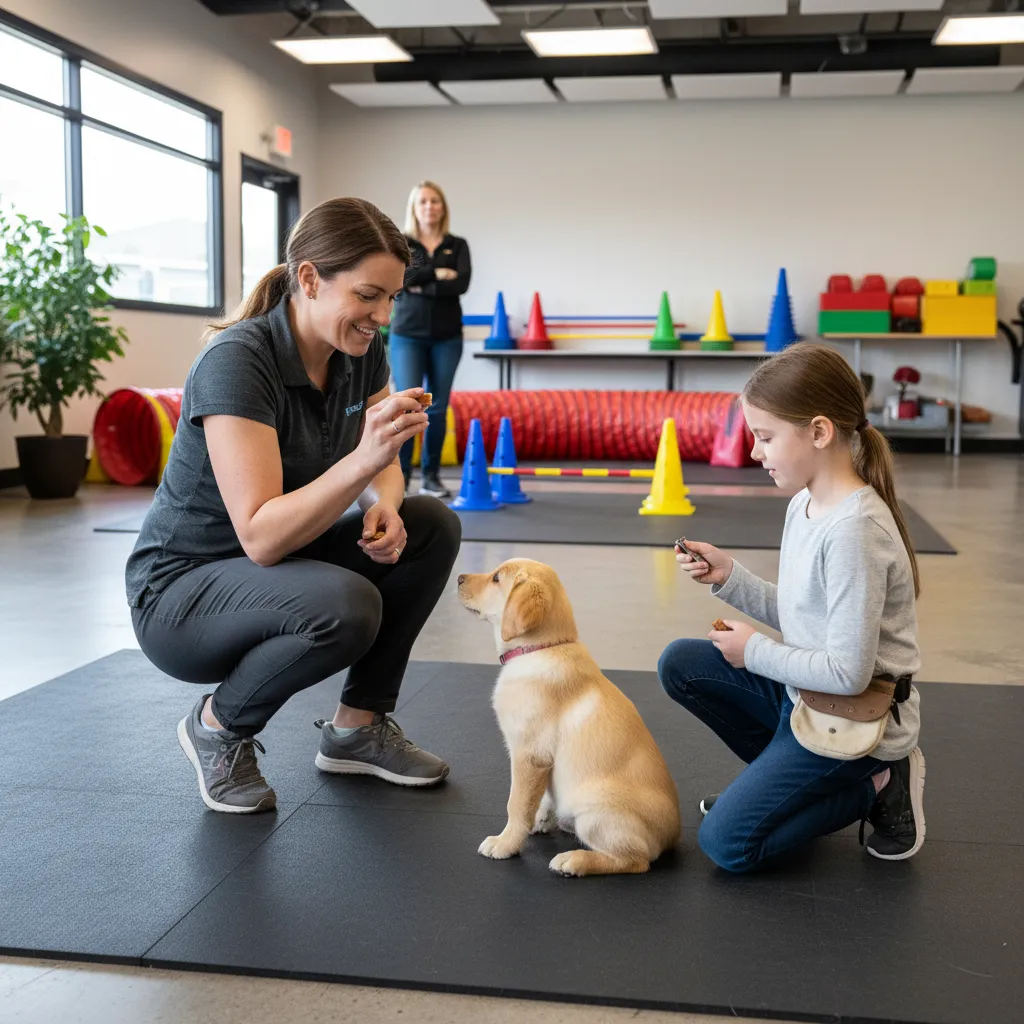
Task Training: The Core of Mitigation
To be a service dog, the dog must perform at least three distinct tasks that mitigate the handler’s disability. Below are the standard protocols for training the most common psychiatric tasks.
1. Deep Pressure Therapy (DPT)
DPT utilizes the dog’s weight to apply pressure to specific points on the handler’s body, releasing oxytocin and calming the nervous system during a panic attack.
Training Steps:
- Lure: Sit on the floor with your legs out. Use a high-value treat to lure the dog across your lap.
- Mark and Reward: As soon as the dog has two front paws on your legs, mark (click or “yes”) and reward.
- Duration: Gradually delay the reward to encourage the dog to stay on your lap.
- Down Command: Ask the dog to lie down across your lap. This applies maximum weight.
- Cue Association: Add a verbal cue like “Pressure” or a physical cue (e.g., holding your head in your hands).
2. Tactile Interruption
This task is vital for handlers who engage in subconscious self-harming behaviors (picking skin, shaking, scratching) or dissociation.
Training Steps:
- Mimic the Behavior: Simulate the anxious behavior (e.g., bouncing your leg).
- Prompt Interaction: Encourage the dog to paw at your leg or nudge your hand with their nose.
- Reward the Contact: Mark and treat immediately upon contact.
- Shape the Intensity: Ensure the nudge is firm enough to break your focus but not aggressive.
- Generalization: Practice this in different rooms and emotional states.
3. Blocking and Crowd Control
For handlers with PTSD, having strangers stand behind them can be triggering. A dog can be trained to “Block” (stand perpendicular behind the handler) or “Cover” (stand in front or circle).
Training Steps:
- Positioning: Stand with the dog in a heel. Use a treat to lure the dog behind you.
- The Turn: Guide the dog to turn so their body creates a barrier behind your legs.
- Stay: Build a rock-solid “stay” command in this position.
- Proofing: Practice having a friend approach from behind; the dog should remain in position, creating a safe buffer zone.

Public Access Test (PAT) Standards
Regardless of whether you owner-train or use a program, the goal is to pass a Public Access Test. In New Zealand, while there is no single government-run test for owner-trainers, adhering to the standards set by ADNZ or the IAADP (International Association of Assistance Dog Partners) is the industry benchmark for legitimacy.
Key Components of the PAT
A dog must demonstrate the following in a high-distraction environment (e.g., a mall or cafe):
- Controlled Unloading: The dog must wait calmly in the vehicle until released.
- Loose Leash Walking: The dog must remain by the handler’s side without pulling, sniffing merchandise, or marking.
- Restaurant Etiquette: The dog must fit under a table or chair and remain in a “down-stay” for the duration of a meal. They cannot beg or react to dropped food.
- Recall: Immediate response to a recall command off-leash (or on a long line).
- Neutrality: The dog must ignore other dogs, children, and loud noises. Aggression or excitement barking is an automatic fail.
How to Prepare for the PAT
Preparation requires exposure therapy for the dog. Start in low-distraction environments (empty parks) and gradually move to pet-friendly hardware stores (like Bunnings or Mitre 10) before attempting non-pet-friendly spaces (once you have training identification). Note: In NZ, you should only take a dog into non-pet-friendly businesses if they are fully trained or if you have permission for training purposes.

Challenges and Considerations
Training a psychiatric service dog in NZ is a massive undertaking. It is not merely about having a companion; it is about maintaining a piece of medical equipment.
The “Washout” Reality
Not every dog is cut out for service work. The washout rate (failure rate) for service dogs is approximately 50-70%. If you owner-train, you must be emotionally prepared for the possibility that your dog may only be suited as a pet, not a working dog.
Public Confrontation
Despite the Human Rights Act, access refusals happen. Handlers must be prepared to advocate for themselves and educate business owners about the Dog Control Act. Carrying a copy of the relevant legislation is a standard practice for many NZ handlers.
Financial Investment
The cost of raising a service dog—including the purchase price, veterinary care, food, gear, and professional training consults—can range from $20,000 to $40,000 NZD over the dog’s working life.
People Also Ask
Is there an official registry for service dogs in NZ?
No, there is no central government registry for service dogs in New Zealand. Beware of websites selling “registrations” or ID cards online; these hold no legal weight. Legitimacy is based on the dog’s training and the handler’s disability, often verified by a doctor’s letter and training logs.
Can I train my own psychiatric service dog in NZ?
Yes, owner-training is legal in New Zealand. However, to be granted public access rights, the dog must be trained to a high standard of obedience and task work comparable to accredited organisations. Many owner-trainers hire professional trainers to help them prepare for a Public Access Test.
How long does it take to train a service dog?
The process typically takes between 18 to 24 months. This includes puppy socialization, basic obedience, public access proofing, and specific disability task training. Rushing the process can lead to burnout or behavioral issues in the dog.
What breeds make the best psychiatric service dogs?
The “Fab Four” breeds—Labrador Retrievers, Golden Retrievers, Standard Poodles, and Collies—are most recommended due to their biddability and temperament. While any breed can theoretically be a service dog, these breeds have the highest success rates in service work.
Do service dogs in NZ need to wear a vest?
Legally, a vest is not strictly mandatory under the Dog Control Act, but it is highly recommended. A vest with “Disability Assist Dog” patches signals to the public and business owners that the dog is working, which significantly reduces access challenges.
Can a rescue dog be a psychiatric service dog?
Yes, but it is risky. Rescue dogs often come with unknown histories or behavioral quirks (reactivity, anxiety) that can disqualify them from service work. If attempting this, have the dog evaluated by a professional behaviorist before starting training.