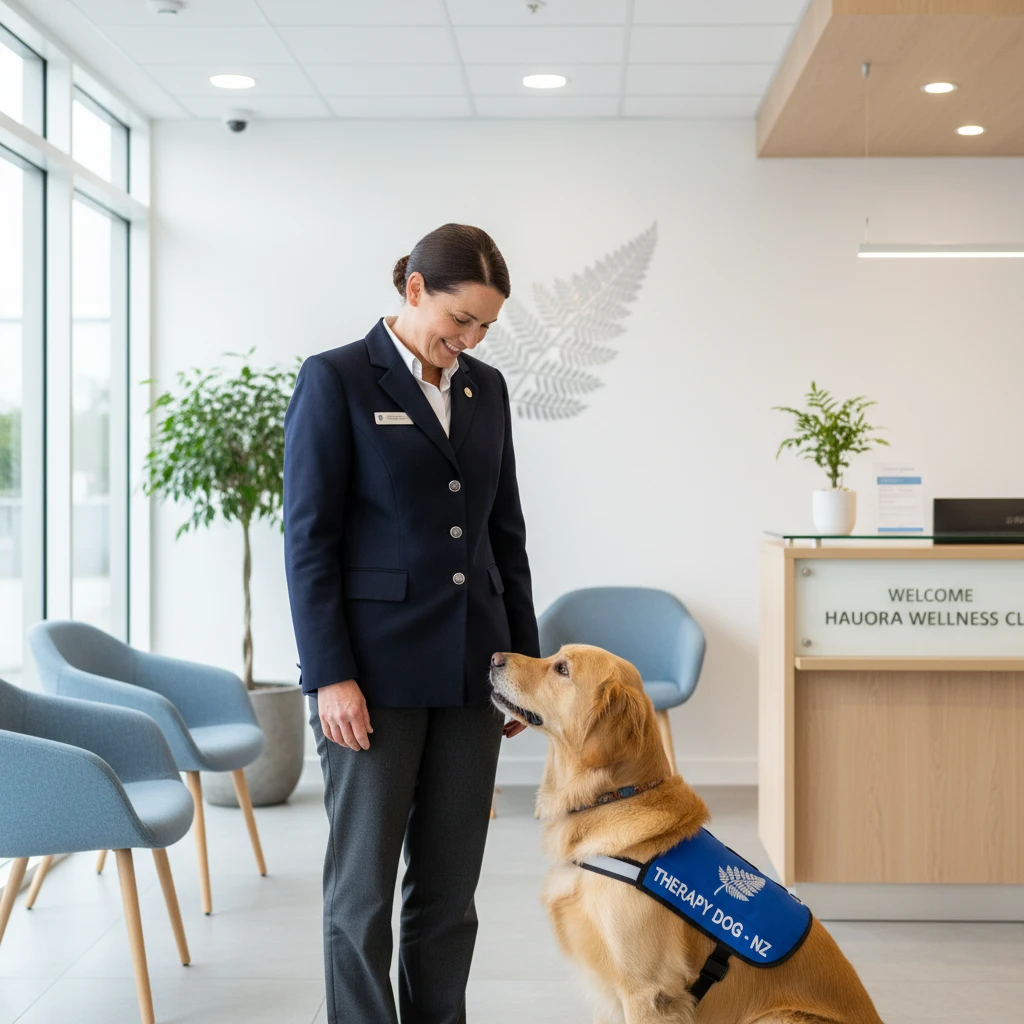
A risk assessment template for dogs is a structured document used to identify, evaluate, and mitigate potential hazards associated with canine visits in healthcare or public settings. It outlines specific control measures for dog-resident interactions, hygiene protocols, and emergency procedures to ensure compliance with health and safety regulations and minimize liability for handlers and facilities.
Ensuring the safety of residents, staff, and animals is the cornerstone of any successful animal-assisted therapy program. Whether you are a dedicated volunteer, a facility manager, or running a therapy dog business in New Zealand, having a robust framework for safety is non-negotiable. This guide provides a comprehensive breakdown of how to construct, utilize, and download risk assessment template content tailored for the unique logistics of New Zealand rest homes and healthcare environments.
The Critical Importance of Risk Assessments in NZ Therapy Logistics
In the context of New Zealand’s Health and Safety at Work Act 2015, a Person Conducting a Business or Undertaking (PCBU) has a primary duty of care to ensure the safety of workers and others. When a dog enters a workplace—such as a rest home, hospital, or school—that animal becomes a potential variable in the safety ecosystem. A risk assessment is not merely a bureaucratic hurdle; it is the operational blueprint that allows therapy dog teams to function effectively.
For therapy dog businesses and logistics coordinators, the risk assessment serves three primary functions:
- Hazard Identification: It systematically highlights what could go wrong before it happens.
- Liability Protection: It demonstrates due diligence. In the event of an incident, a documented risk assessment proves that reasonable steps were taken to prevent harm.
- Operational Consistency: It ensures that every handler follows the same safety protocols, creating a predictable and professional service standard.
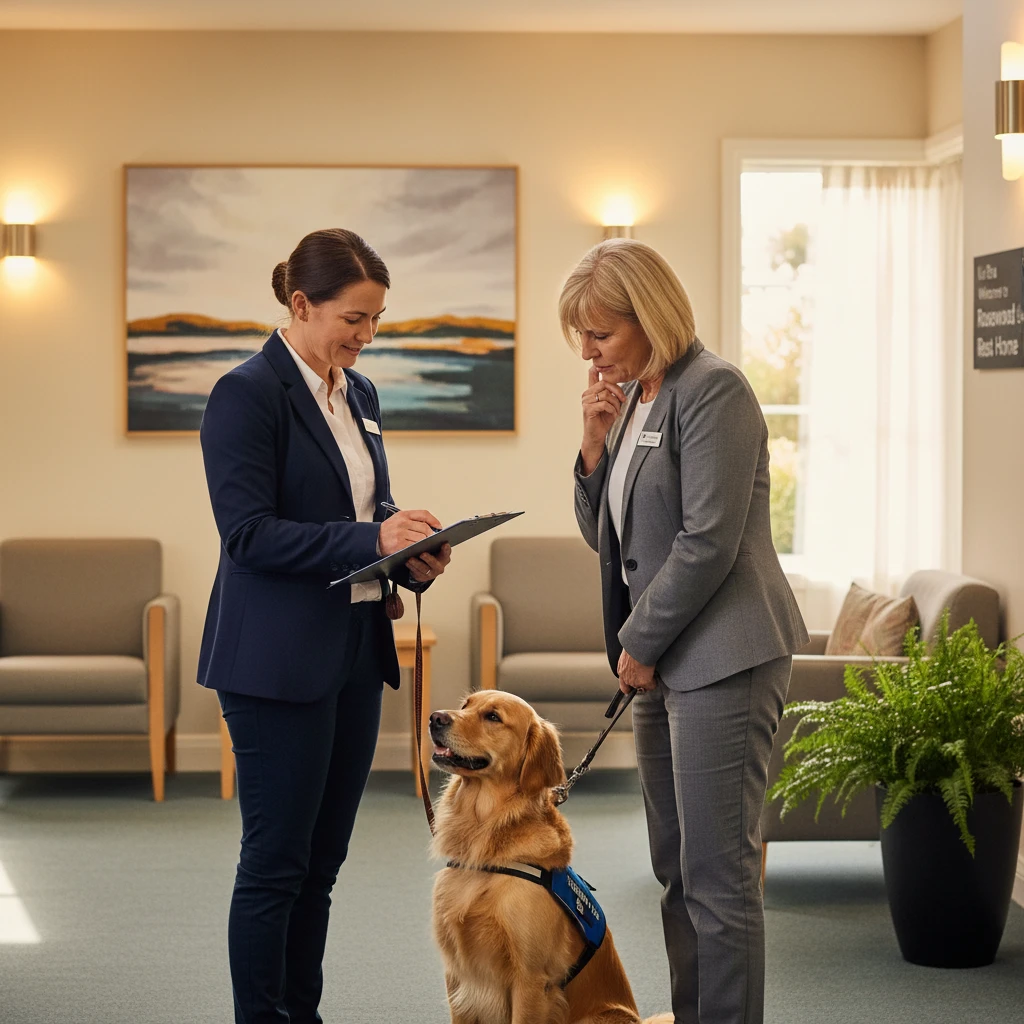
Identifying Hazards in a Rest Home Environment
When preparing to download risk assessment template for dogs or creating your own, the “Hazard Identification” section is the most vital component. Rest homes present unique environmental challenges that differ significantly from public parks or private homes. Below are the specific hazard categories that must be included in your documentation.
Physical Environmental Hazards
The physical layout of a care facility is designed for humans, often those with mobility issues, not for canines. Hazards include:
- Slippery Surfaces: Linoleum or polished wood floors can cause a dog to splay, leading to injury or a loss of control by the handler.
- Medical Equipment: IV stands, walkers, wheelchairs, and oxygen tanks present tripping hazards for the dog and entanglement risks for the leash.
- Dropped Medication: Pills dropped on the floor are a lethal hazard for dogs. A risk assessment must account for the dog’s scavenging drive.
- Biohazards: Used dressings, catheters, or bodily fluids may be present in resident rooms.
Resident-Based Hazards
The behavior of residents, particularly those with dementia or cognitive impairments, can be unpredictable.
- Aggressive Outbursts: Sudden shouting or physical grabbing can startle a dog, potentially triggering a defensive reaction.
- Fragility: Residents with thin skin or osteoporosis are highly susceptible to injury from even a friendly pawing or a wagging tail.
- Allergies and Phobias: Not all residents welcome dogs. Identifying those with dander allergies or cynophobia (fear of dogs) is a logistical necessity.
Canine-Based Hazards
Even the most well-trained therapy dog is still an animal.
- Zoonotic Diseases: The transmission of ringworm, fleas, or campylobacter from dog to resident.
- Fatigue: A tired dog is more likely to snap or ignore commands. Risk assessments must limit visit durations.
- Sanitation: Accidental urination or defecation inside the facility poses a slip hazard and an infection control breach.
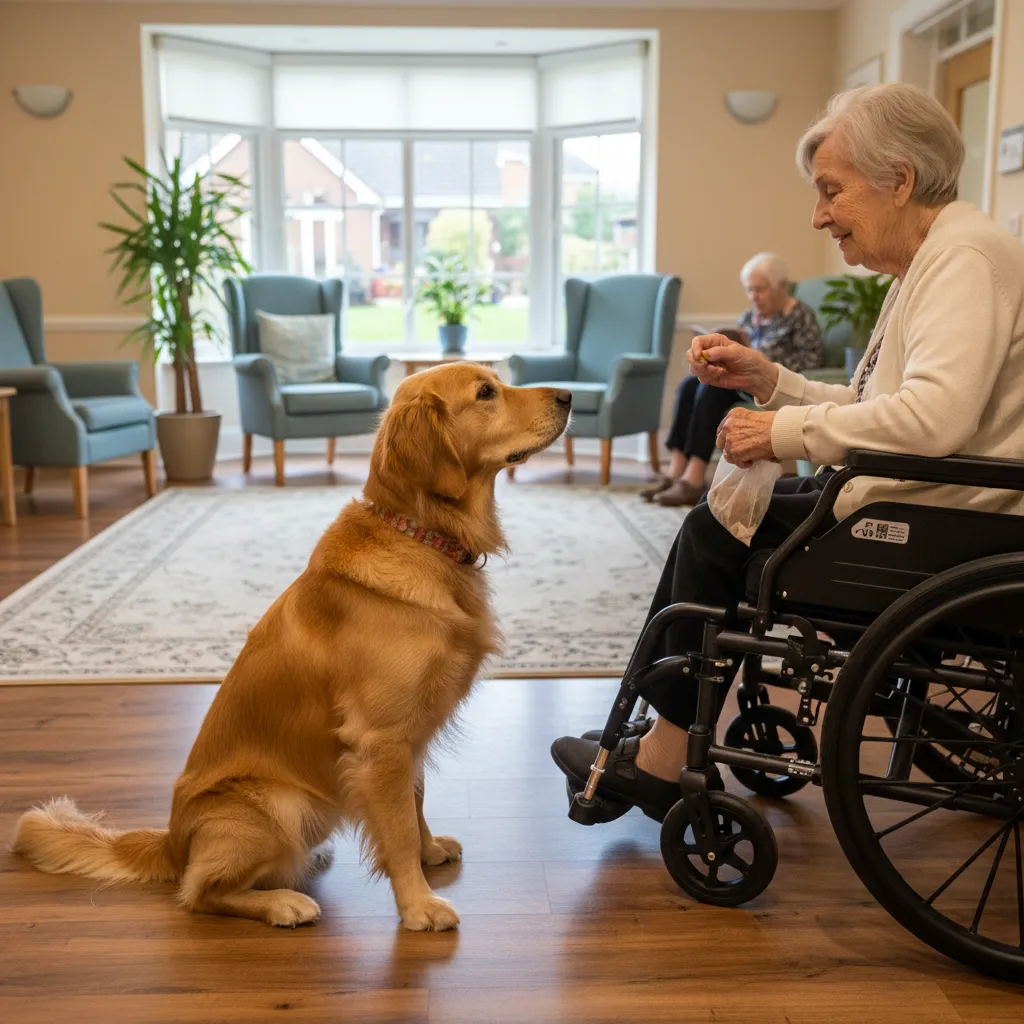
Mitigation Strategies for Dog-Resident Interactions
Identifying the hazard is step one; defining the control measure (mitigation) is step two. Your risk assessment template must list specific actions that reduce the likelihood or severity of the identified risks.
Controlling the Interaction
The “Head-to-Tail” Rule: Handlers should be trained to position themselves between the dog and the resident initially. The handler guides the resident’s hand to the dog’s shoulder or back, avoiding the face and mouth area. This mitigates the risk of nipping or accidental head-butts.
Leash Protocols: A fixed-length lead (never retractable) should be mandatory. This ensures the dog cannot wander into a resident’s room unannounced or get tangled in medical equipment. The mitigation strategy here is strict equipment standards.
Hygiene and Infection Control
To mitigate zoonotic risks, the following protocols are standard for NZ therapy dog logistics:
- Pre-Visit Grooming: Dogs must be bathed and brushed within 24 hours of the visit to reduce dander and allergens.
- Parasite Control: Documentation of up-to-date flea and worming treatments must be available.
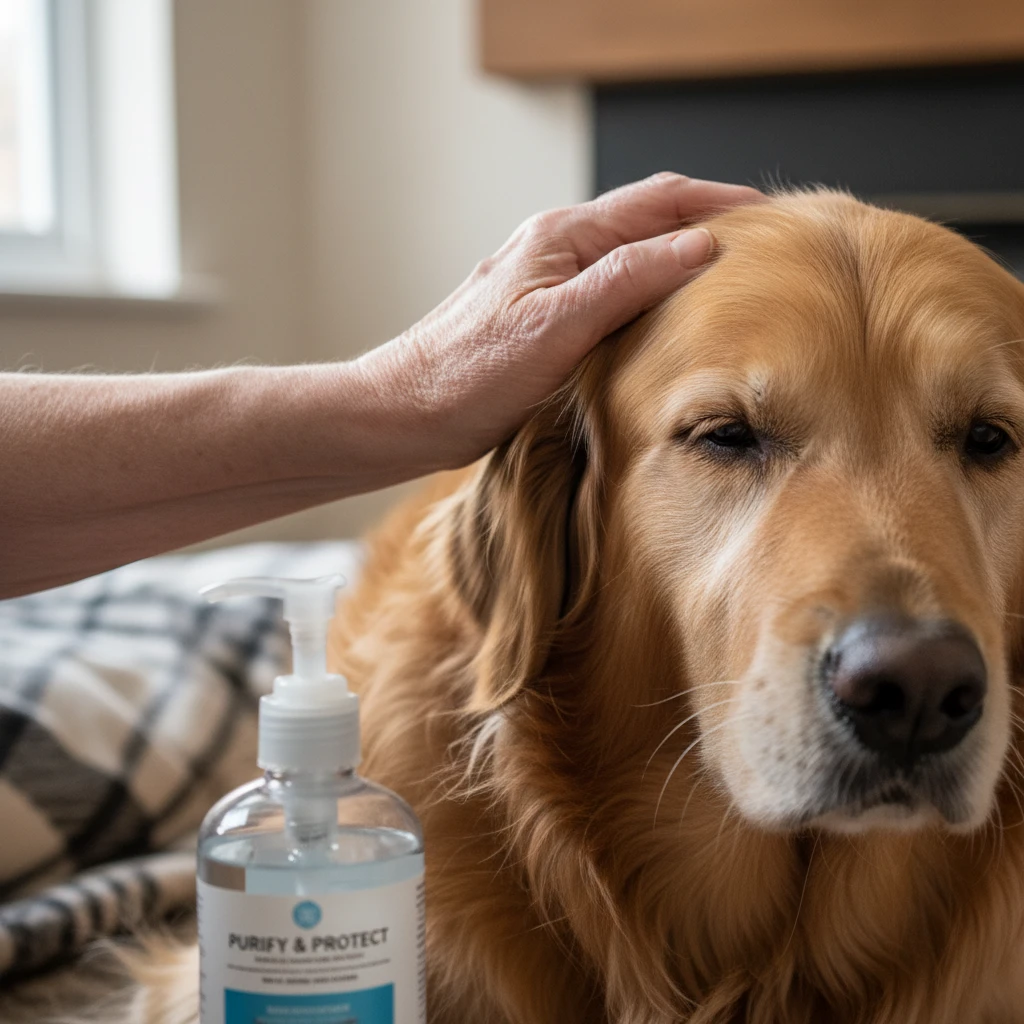
- Hand Hygiene: Handlers must carry hand sanitizer. Residents must sanitize hands before and after touching the dog. This is a critical control measure for protecting immunocompromised residents.
Behavioral Management
Mitigation involves proactive monitoring of the dog’s stress signals (whale eye, lip licking, panting). The “Exit Strategy” is a key mitigation tool: if a dog shows stress, the visit is terminated immediately without penalty. This policy prevents bite incidents driven by canine exhaustion.
Standard Operating Procedures (SOPs) for Animal Visits
A risk assessment is often part of a larger document set known as Standard Operating Procedures (SOPs). When you download risk assessment template for dogs, ensure it integrates with your SOPs. These procedures dictate the flow of the visit.
Pre-Visit SOPs
Before entering the facility, the handler must:
- Complete a health check on the dog (no open wounds, clear eyes, no upset stomach).
- Exercise the dog to burn off excess energy and ensure toileting is complete.
- Check in at the reception, sign the visitor book, and display ID badges.
During-Visit SOPs
The logistical flow inside the rest home should follow a pre-approved route.
- Zone Restrictions: Dogs are strictly prohibited from kitchens, dining areas during meal service, and sterile treatment rooms.
- Interaction Time: Interactions should be kept short (5-10 minutes per resident) to prevent canine fatigue.
- Incident Reporting: If a scratch or nip occurs, the SOP must dictate immediate reporting to the Charge Nurse and completion of an incident form.
Legal Liability and Documentation Requirements
In New Zealand, liability is a major concern for therapy dog businesses. While the Accident Compensation Corporation (ACC) covers personal injury, businesses can still be liable for property damage or breaches of the Health and Safety at Work Act.
Public Liability Insurance
Every risk assessment should reference the insurance policy held by the handler or the organization. This insurance covers damages if, for example, a dog knocks over an expensive piece of medical equipment or ruins a resident’s hearing aid.
Record Keeping
Documentation is your legal shield. You must maintain:
- Vaccination Records: Proof of DHPP (Distemper, Hepatitis, Parvovirus, Parainfluenza) and Leptospirosis vaccinations.
- Temperament Assessment Results: Proof that the dog has passed a recognized behavioral assessment (e.g., Canine Good Citizen or specific therapy dog testing).
- Visit Logs: Exact times of entry and exit.
Failure to produce this documentation during an audit or after an incident can lead to severe legal and reputational repercussions.

Copy-Paste Risk Assessment Template Structure
Below is a text-based structure you can copy and paste into a Word document or Excel sheet to create your own downloadable template. This covers the essential columns and categories required for a professional NZ therapy dog risk assessment.
THERAPY DOG VISIT RISK ASSESSMENT FORM
Facility Name: [Enter Name]
Date of Assessment: [DD/MM/YYYY]
Assessor: [Name/Role]
Review Date: [DD/MM/YYYY]
HAZARD CATEGORY 1: SLIPS, TRIPS, AND FALLS
- Hazard: Dog lead causing trip hazard for residents/staff.
- Risk Level (Low/Med/High): Medium
- Persons at Risk: Residents, Staff, Visitors.
- Control Measures (Mitigation):
- Use short, fixed lead (max 1.2m).
- Handler to remain vigilant of surroundings.
- Dog trained to walk closely to heel (loose leash walking).
- Residual Risk: Low
HAZARD CATEGORY 2: INFECTION CONTROL
- Hazard: Transmission of zoonotic diseases or parasites.
- Risk Level (Low/Med/High): Medium
- Persons at Risk: Residents (esp. immunocompromised).
- Control Measures (Mitigation):
- Current vaccination and worming/flea records held on file.
- Dog groomed within 24 hours of visit.
- Mandatory hand sanitizing before/after interaction.
- Dog prohibited from licking faces or open wounds.
- Residual Risk: Low
HAZARD CATEGORY 3: UNPREDICTABLE BEHAVIOR
- Hazard: Dog reacting to sudden noise or aggressive resident.
- Risk Level (Low/Med/High): High
- Persons at Risk: Residents, Handler, Dog.
- Control Measures (Mitigation):
- Dog has passed advanced temperament assessment.
- Handler trained to recognize canine stress signals.
- “Leave it” command fully proofed.
- Immediate exit protocol if environment becomes volatile.
- Residual Risk: Medium
To utilize this effectively, copy the text above into a spreadsheet with columns for “Hazard,” “Risk Rating,” “Control Measures,” and “Action Required.” This format satisfies the requirement to download risk assessment template for dogs by providing the raw data needed to build one instantly.
Frequently Asked Questions
What should be included in a dog risk assessment?
A comprehensive dog risk assessment must include identification of physical hazards (slips, trips), biological hazards (disease, allergies), and behavioral hazards (aggression, fear). It must also list the persons at risk (residents, staff), the control measures implemented to reduce these risks, and a risk rating score both before and after mitigation.
How often should a therapy dog risk assessment be updated?
Risk assessments should be reviewed at least annually. However, they must be updated immediately if there is a significant change in the environment (e.g., the rest home undergoes renovation), if the dog’s health or behavior changes, or following any incident or near-miss event.
Do I need a specific qualification to write a risk assessment for dogs?
While you do not need a formal degree to write one, under NZ Health and Safety laws, the person conducting the assessment must be “competent.” This means they should have a thorough understanding of dog behavior, the specific environment (e.g., aged care), and the logistical operations of the visit.
What are the legal requirements for therapy dogs in NZ rest homes?
There is no single “Therapy Dog Act,” but operations fall under the Health and Safety at Work Act 2015. Facilities usually require dogs to be registered with a recognized organization (like Canine Friends Pet Therapy or St John), have proof of vaccination, and have passed a temperament test. Public liability insurance is also standard.
Can I use a generic risk assessment template for my dog business?
Generic templates are a good starting point, but they must be customized. A template designed for a construction site or a general office will not account for the specific nuances of animal behavior or the fragility of elderly residents. You must adapt the template to include canine-specific hazards.
What is the best way to store risk assessment documents?
Digital storage is recommended for ease of access and updating. Cloud-based storage allows handlers to access SOPs and risk assessments via mobile devices while on-site. However, a hard copy should also be kept in the vehicle or with the facility manager for immediate reference during an emergency.