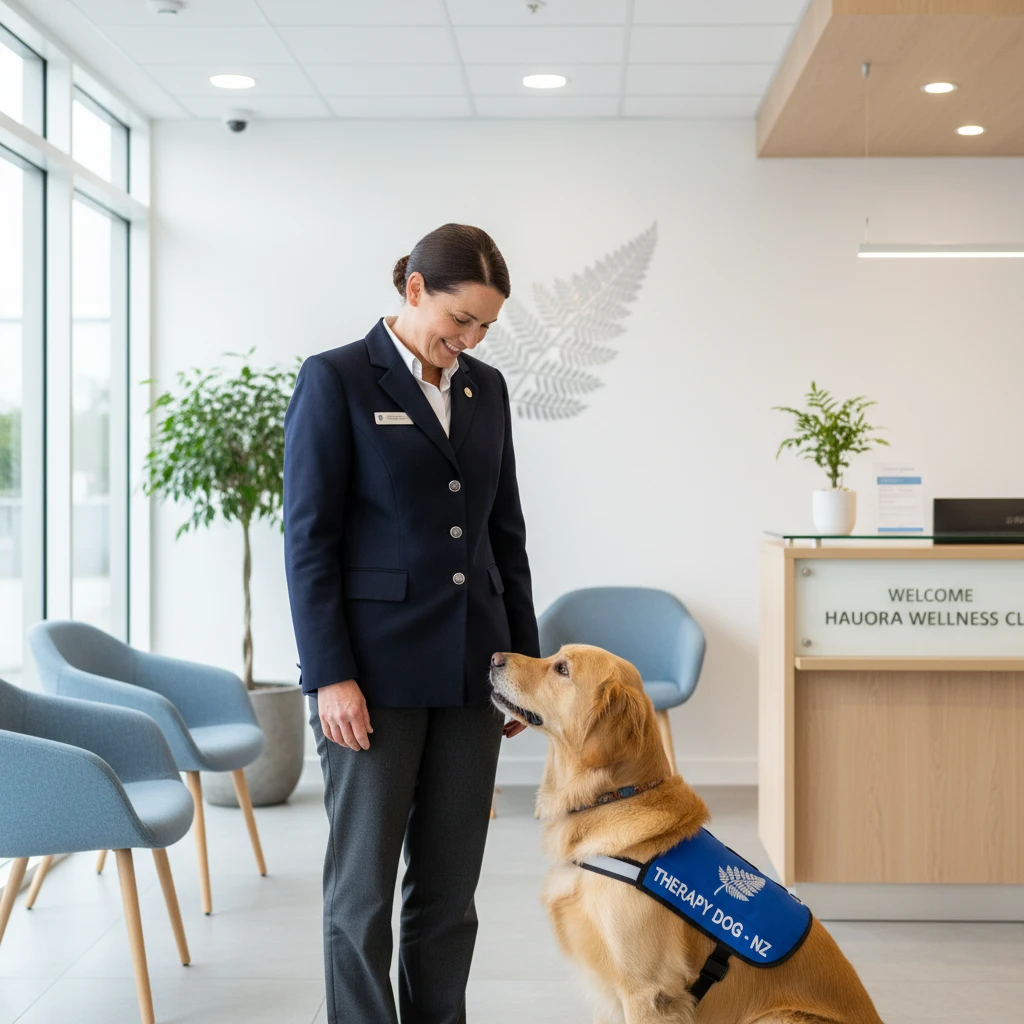
Professional indemnity insurance for AAT (Animal-Assisted Therapy) in New Zealand protects practitioners against claims of negligence, malpractice, or breach of duty arising from therapy sessions involving animals. It covers legal defense costs and damages if a client alleges that the inclusion of a therapy dog caused professional harm or failed to meet clinical standards.
Animal-Assisted Therapy (AAT) is a rapidly growing field within New Zealand’s allied health sector, bridging the gap between traditional clinical practice and the therapeutic benefits of human-animal interaction. However, introducing a live animal into a therapeutic environment introduces complex layers of liability. For Occupational Therapists, Counsellors, and Psychologists incorporating dogs into their practice, standard insurance policies often fall short. Understanding the nuances of professional indemnity insurance for AAT NZ is critical for safeguarding both your business logistics and your clinical reputation.
What is Professional Indemnity for AAT in New Zealand?
Professional Indemnity (PI) insurance is the cornerstone of risk management for any private practitioner. In the context of Animal-Assisted Therapy, it specifically addresses the “professional advice and service” component of your business. If a client claims that your decision to utilize a therapy dog resulted in a negative clinical outcome, regression, or psychological distress, PI insurance is the policy that responds.
In New Zealand, the landscape is unique due to the Accident Compensation Corporation (ACC) scheme, which generally bars civil lawsuits for personal physical injury. However, ACC does not protect practitioners from complaints regarding professional conduct, breach of contract, or mental injury not consequent to physical injury. Furthermore, regulatory bodies like the Occupational Therapy Board of New Zealand (OTBNZ) require practitioners to hold adequate indemnity cover. When a dog is involved, the definition of “adequate” shifts significantly.

Specific Coverage for Animal-Assisted Activities
Standard allied health policies often contain exclusions for activities deemed “non-standard.” Without explicit endorsement, using a dog in therapy might be viewed by an insurer as outside the scope of traditional practice. A robust policy for AAT must explicitly cover the animal as a therapeutic tool.
The “Animal as a Tool” Clause
In the eyes of an insurer, a therapy dog is akin to a piece of clinical equipment. Just as a physiotherapist is liable if they use a treadmill incorrectly causing harm, an AAT practitioner is liable if the dog is utilized in a way that breaches the standard of care. Specific coverage should include:
- Vicarious Liability: Coverage for the actions of the animal while under your supervision.
- Clinical Judgment Errors: Protection against claims that the animal was introduced at an inappropriate stage of therapy.
- Failure to Supervise: Allegations that the practitioner failed to control the interaction between client and animal.
Exclusions to Watch For
Many general business policies exclude damage caused by animals. It is vital to review the policy wording to ensure that the “animal exclusion” is removed or modified for your specific trade. Additionally, some policies may only cover dogs that are certified by specific bodies (e.g., Therapy Dogs New Zealand). If your dog is owner-trained or certified by a different organization, you may be unknowingly uninsured.
Distinguishing Professional Indemnity from Public Liability
A common misconception among AAT practitioners is treating Professional Indemnity and Public Liability (PL) as interchangeable. In the AAT niche, they cover two distinct risk profiles.
Professional Indemnity covers the service. Example: You design a therapy plan for a child with autism involving a dog to improve social engagement. The parents claim the plan was flawed and exacerbated the child’s anxiety. This is a PI claim.
Public Liability covers the physical event. Example: Your therapy dog is sleeping in the waiting room, and a courier trips over the dog, breaking their wrist. Or, the dog gets spooked and nips a visitor who is not a client. This is a PL claim.
For a complete business logistics strategy, AAT practitioners need a combined liability package that addresses both the advice given and the physical presence of the animal.

Comparing NZ Providers for OT and AAT Insurance
Finding insurers in New Zealand who understand the specific niche of Therapy Dogs and Business Logistics can be challenging. Most general brokers will categorize you simply as a “Therapist,” missing the animal exposure.
Specialist Brokers vs. Direct Insurers
Direct insurers often have rigid “tick-box” applications that automatically decline cover if animals are involved in the workplace. Specialist brokers who deal with Allied Health or Veterinary industries are often better equipped to place this risk. They can negotiate endorsements that specifically note the use of a therapy dog.
Key Comparison Criteria
When comparing providers for professional indemnity insurance for aat nz, evaluate them against these metrics:
- Retroactive Date: Does the policy cover past work? This is crucial if you have been practicing without specific AAT clauses previously.
- Jurisdiction: Ensure the policy covers you for claims brought within New Zealand courts and tribunals.
- Defense Costs: Legal fees can bankrupt a small practice even if you are found not liable. Look for “costs in addition” to the limit of indemnity.
- Run-off Cover: If you retire or cease the AAT portion of your business, does the insurer offer cover for claims made later regarding past work?
Legal Implications of Dog-Related Clinical Errors
The legal environment in New Zealand creates a specific set of risks for AAT practitioners. While ACC covers personal injury, it does not absolve practitioners of all liability.
The Health and Disability Commissioner (HDC)
Clients can lodge complaints with the HDC regarding the quality of care. If a therapy dog is involved in a session that goes wrong, the HDC will investigate whether the practitioner adhered to the Code of Health and Disability Services Consumers’ Rights. If a breach is found, the practitioner may face disciplinary proceedings before the Health Practitioners Disciplinary Tribunal. Professional Indemnity insurance typically covers the legal costs associated with defending these statutory inquiries.
Civil Liability for Property and Mental Injury
If a therapy dog destroys valuable client property (e.g., chewing a hearing aid or expensive bag), ACC does not apply. The client can sue for damages. Furthermore, claims for “mental injury” that are not accompanied by physical injury are not covered by ACC. If a client develops a phobia of dogs due to a poorly managed session, they could theoretically sue for exemplary damages or compensation for mental distress.

Risk Mitigation for Private Practitioners
Insurance is the safety net, but risk mitigation is the fence at the top of the cliff. Insurers will look favorably upon businesses that have robust logistics and safety protocols in place. Demonstrating high standards can often lower premiums.
Documentation and Informed Consent
Standard consent forms are insufficient for AAT. You must have a specific Animal Interaction Consent Form that outlines:
- The nature of the animal’s involvement.
- Potential risks (allergies, unpredictable behavior, zoonotic diseases).
- Hygiene protocols (hand washing, waste disposal).
- The client’s right to terminate the animal interaction at any time.
Dog Certification and Maintenance
To defend against a negligence claim, you must prove that the dog was fit for purpose. This involves:
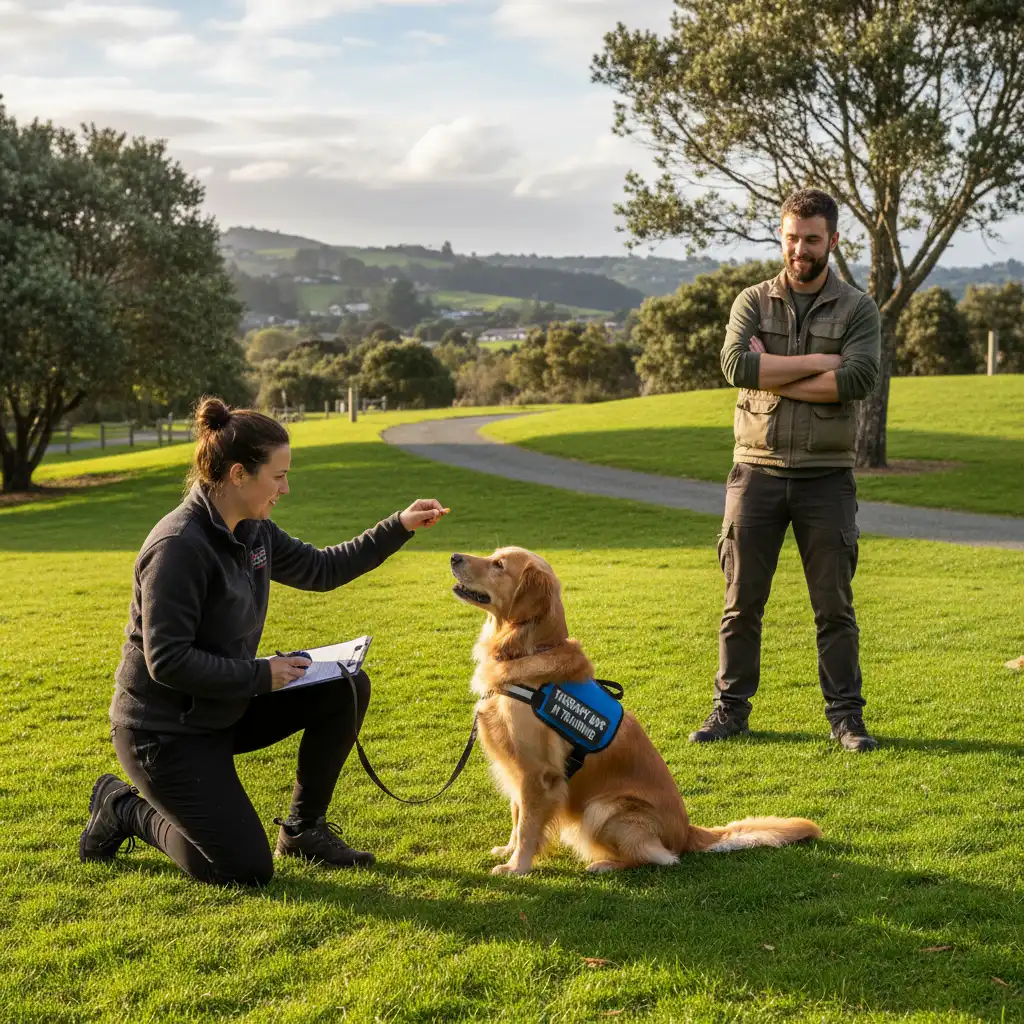
- Regular Assessment: Annual temperament testing by a recognized behaviorist.
- Health Checks: Veterinary clearance proving the dog is free from zoonotic diseases and pain (which can cause aggression).
- Workload Management: Documenting the dog’s hours to prove they were not overworked or fatigued during the incident in question.
Environmental Logistics
Your practice space must be audited for AAT safety. This includes non-slip flooring for the dog, a safe retreat area (crate or mat) where the dog can withdraw from clients, and secure storage for treats and cleaning supplies. Failure to provide a safe environment for the animal can be used as evidence of professional negligence.
Conclusion
Securing the right professional indemnity insurance for aat nz is not just a box-ticking exercise; it is a fundamental component of a sustainable therapy business. The intersection of clinical practice and animal behavior creates a unique risk profile that requires specialized attention. By distinguishing between public liability and professional indemnity, selecting the right provider, and implementing rigorous risk mitigation strategies, New Zealand practitioners can confidently unlock the therapeutic power of animals while remaining protected against the unforeseen.
People Also Ask
Does standard business insurance cover therapy dogs?
Generally, no. Standard business insurance policies often have exclusions for damage or injury caused by animals. You usually need to declare the therapy dog specifically and pay an additional premium or secure a specialized endorsement to ensure coverage for animal-assisted activities.
How much does professional indemnity insurance cost for AAT in NZ?
The cost varies significantly based on your primary profession (e.g., OT, Psychologist), your claims history, and the level of cover required. Typically, adding AAT to a policy might increase premiums by 15-30%, but you should request quotes from specialist brokers for accurate pricing.
Do I need insurance if my therapy dog is certified?
Yes. Certification proves the dog’s competence, but it does not prevent clients from suing for negligence or making complaints to regulatory bodies. Insurance provides the funds for legal defense and settlements regardless of the dog’s certification status.
Does ACC cover dog bites in a therapy session?
ACC covers personal physical injuries, including dog bites, which prevents the client from suing for compensatory damages for the injury itself. However, ACC does not cover property damage, mental injury without physical injury, or the legal costs of defending a professional conduct complaint.
What is the difference between PL and PI for therapy dogs?
Public Liability (PL) covers physical injury or property damage caused by the dog (e.g., a bite or knocking over a vase). Professional Indemnity (PI) covers the professional advice and clinical decisions involving the dog (e.g., a therapy plan failing to meet standards).
Can I get insurance for a therapy dog in training?
It is more difficult but possible. Insurers will likely require strict supervision protocols and may restrict the dog’s interaction with clients until full certification is achieved. Always disclose the training status to your insurer to avoid voiding your policy.