Therapy dog certification in New Zealand requires a rigorous assessment of a dog’s temperament, health, and obedience by recognized bodies such as St John, Canine Friends Pet Therapy, or independent qualified assessors. Successful certification validates that the animal is safe for interaction in schools, hospitals, and clinical settings, usually involving liability insurance and annual recertification.
Integrating a therapy dog into a professional practice, educational facility, or volunteer program is a significant commitment that goes beyond basic obedience. In New Zealand, the landscape of therapy dog certification nz is distinct from assistance dog accreditation, requiring specific knowledge of liability, animal welfare, and operational logistics. Whether you are a mental health professional seeking to add a canine co-therapist to your clinic or a volunteer hoping to visit rest homes, understanding the certification pathways is the first critical step.

The Landscape of Therapy Dog Certification in NZ
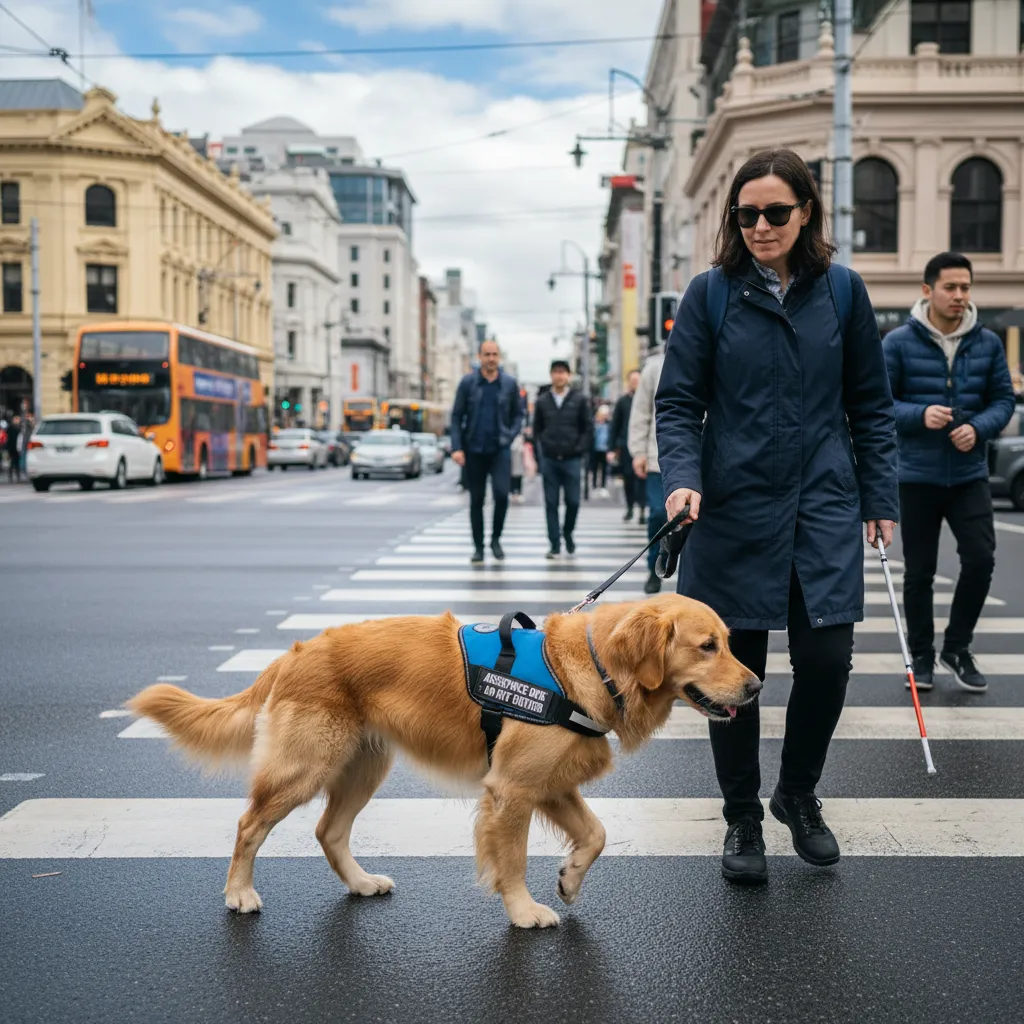
In New Zealand, the term “Therapy Dog” is often conflated with “Assistance Dog,” yet they hold vastly different legal standings and certification requirements. It is vital to understand that therapy dogs do not have public access rights under the Dog Control Act 1996 or the Human Rights Act 1993 in the same way Guide Dogs or Mobility Dogs do. They are invited guests into facilities.
Certification in New Zealand generally falls into two categories: Volunteer Visitation and Professional/Clinical Work. The pathway you choose depends entirely on your end goal.
Recognized Certifying Bodies
Unlike some countries with a centralized bureau, New Zealand relies on a mix of established non-profits and private trainers for certification. The primary entities include:
- St John Therapy Pets: The most recognizable body in NZ. This is strictly for volunteers visiting hospitals, rest homes, and schools. They provide their own assessment, uniform, and insurance coverage.
- Canine Friends Pet Therapy: A nationwide network focusing on hospitals and hospices. Their assessment is rigorous but tailored specifically to the volunteer visitation model.
- Independent Professional Assessors: For professionals (psychologists, occupational therapists, teachers) who wish to use their own dogs in their workplace. Organizations like Top Dog or private canine behaviourists offer assessments that certify the dog for a specific working environment.
Independent vs. Organization-Linked Certification
Choosing between an independent pathway and an organization-linked pathway is a strategic decision based on your business model or volunteering intent.
Organization-Linked (St John / Canine Friends)
Pros:
The primary benefit is infrastructure. These organizations handle the public liability insurance, provide the uniform (which grants immediate recognition and trust), and manage the relationships with the facilities you visit. It is a “turn-key” solution for those wanting to give back to the community.
Cons:
You are restricted to their schedules and their approved facilities. You generally cannot use this certification to bring your dog into your private business for profit-generating activities. For example, a private counsellor cannot use a St John certification to justify charging clients for “Animal Assisted Therapy.”
Independent Certification
Pros:
This is the required route for the “Therapy Dogs NZ Business & Logistics” market. If you run a private practice, you need a certification that validates your dog’s safety in your specific workplace. Independent certification allows you to integrate the dog into your professional brand.
Cons:
The logistical burden is higher. You must source your own public liability insurance (often an extension of your business policy), draft your own risk management plans, and pay for the assessment and training out of pocket.

The Assessment Process: What to Expect
Regardless of the certifying body, the core of the therapy dog certification nz process revolves around safety, temperament, and control. The assessment is not a competition; it is a safety audit. Assessors are looking for a dog that is actively social, not just tolerant.
1. The Temperament Test
This is the most critical component. A therapy dog must seek out human interaction without being overbearing. The assessor will observe:
- Reaction to Novel Stimuli: How does the dog react to a dropped metal bowl, a vacuum cleaner, or a person on crutches? The dog can be startled but must recover quickly.
- Handling Tolerance: The assessor will touch the dog’s ears, paws, and tail, and may hug the dog to simulate a child’s embrace. Any sign of aggression, growling, or stiffening is an immediate fail.
- Resource Guarding: The dog must show no aggression when food or toys are taken away.
2. Advanced Obedience Standards
While trick training is fun, functional obedience is mandatory. The standard usually exceeds the Canine Good Citizen (CGC) Bronze level. Key requirements include:
- Loose Lead Walking: The dog must walk calmly on a loose leash without pulling, regardless of distractions.
- The “Leave It” Command: Crucial in hospital settings where pills or biological waste might be on the floor.
- Four-on-the-Floor: Jumping up is strictly prohibited. A therapy dog must greet people calmly while standing or sitting.
- Stay/Wait: The dog must remain in position while the handler moves away or engages in conversation with a client.
3. Health and Hygiene Protocols
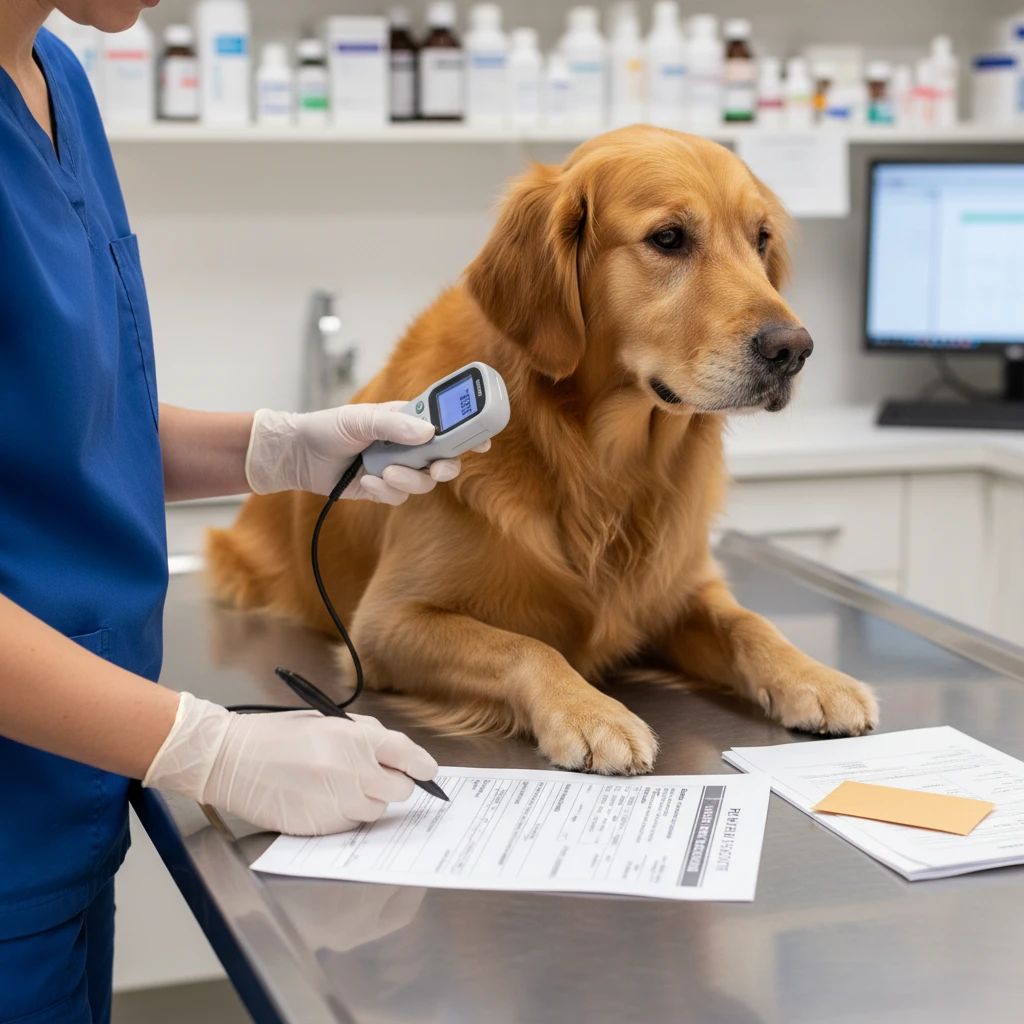
Before the behavioral assessment, a veterinarian must sign off on the dog’s physical health. This includes:
- Up-to-date vaccinations (Parvovirus, Distemper, Hepatitis, Kennel Cough).
- Regular flea and worm treatment (documented).
- General physical condition (older dogs with severe arthritis may not pass due to the physical toll of the work).
- Skin conditions: Dogs with open sores or contagious skin issues cannot work.
Preparing Your Dog for Certification
Preparation for the assessment should begin months in advance. Many handlers make the mistake of assuming a “nice family pet” will automatically pass. The environment of a therapy dog is high-pressure and unpredictable.
Desensitization Training
Expose your dog to medical equipment. Rent a pair of crutches or a wheelchair. Visit busy environments like outside supermarkets or parks where children are playing. The goal is to normalize chaos. In New Zealand, many assessors will test the dog’s reaction to “sudden environmental changes,” such as a loud noise or a person moving erratically.
Simulated Roleplay
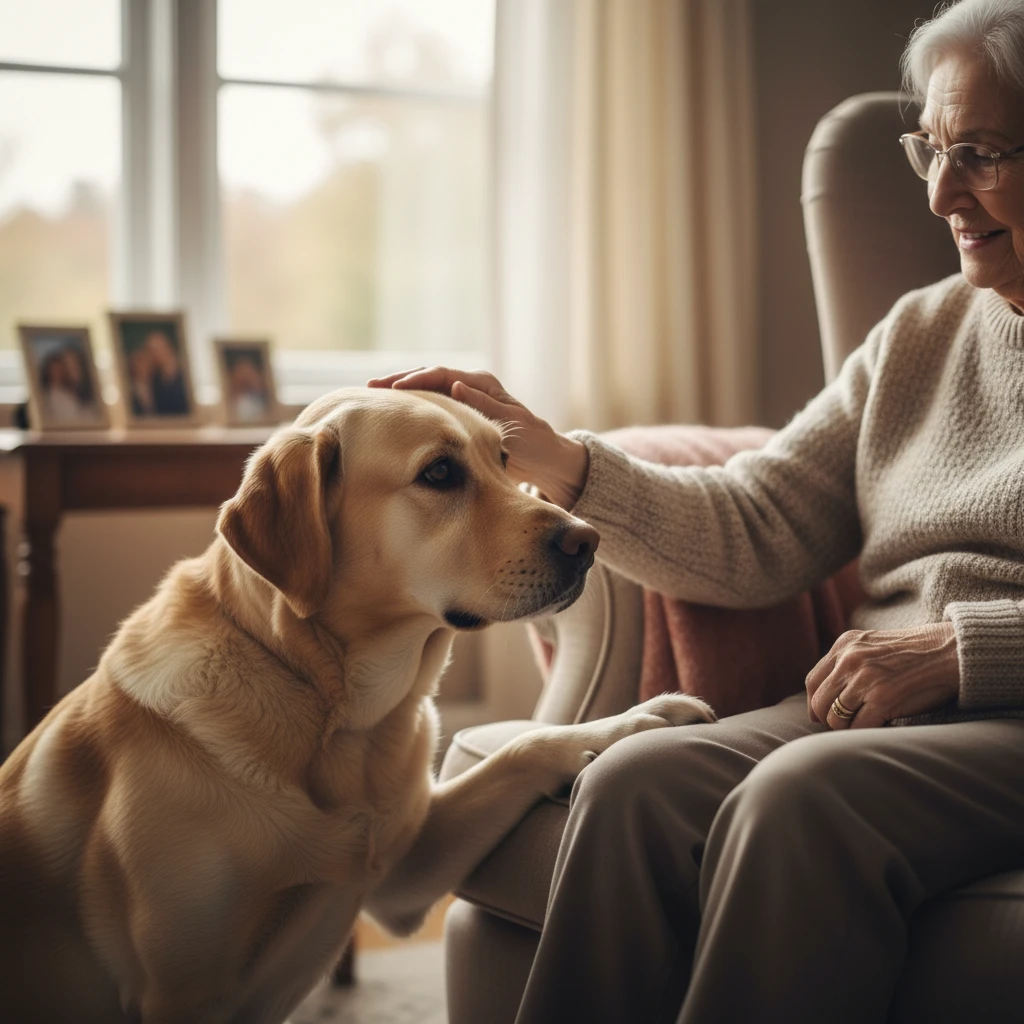
Practice the “greeting ritual.” Have friends approach you while you are seated (simulating a patient in a chair). The dog should approach gently and rest their head on a lap or sit quietly for petting. If the dog paws at the person or barks, this behavior must be extinguished before the test.
Business Logistics: Insurance and Access Rights
For those pursuing the therapy dog certification nz pathway for business purposes (e.g., a private psychology practice), the logistics extend beyond the dog’s behavior.
Liability Insurance
In New Zealand, ACC covers personal injury, but it does not cover property damage or mental trauma caused by a dog incident. Furthermore, businesses have obligations under the Health and Safety at Work Act 2015. You must inform your professional indemnity insurer that you are utilizing a therapy dog. Most insurers will require proof of certification from a reputable trainer or organization before adding the dog to the policy.
Access Agreements
Because therapy dogs do not have automatic legal access, you must negotiate access rights with every facility you visit. If you are an employee (e.g., a teacher wanting to bring a dog to school), you need a formal proposal outlining:
- The certification standard the dog has met.
- A risk management matrix (e.g., what happens if a student is allergic?).
- Protocols for toileting and rest breaks.
Renewing Certifications and Annual Testing
Certification is not a one-time event. To maintain credibility and safety standards, annual recertification is the industry norm in New Zealand. Dogs age, and their temperaments can change due to health issues or negative experiences.
The Annual Recertification Process
Most organizations require a yearly review which typically involves:
- Veterinary Check: A fresh sign-off on health, vaccinations, and physical capability.
- Behavioral Re-assessment: A shortened version of the initial test to ensure the dog has not developed bad habits or reactivity.
- Handler Review: Ensuring the handler is still advocating for the dog’s welfare and not overworking the animal.
Failure to renew usually results in the immediate revocation of insurance coverage and the right to wear the organization’s uniform or vest. For independent practitioners, letting certification lapse opens you up to significant legal liability if an incident occurs.
Ultimately, obtaining therapy dog certification in NZ is a testament to the bond between handler and dog, and a commitment to professional excellence. Whether for volunteering or clinical practice, the rigorous process ensures that the presence of a dog remains a source of comfort and healing, rather than risk.
People Also Ask
What is the difference between a therapy dog and an assistance dog in NZ?
In New Zealand, an assistance dog (like a Guide Dog) has legal public access rights under the Human Rights Act and Dog Control Act to accompany their handler everywhere. A therapy dog does not have these rights; they are invited into specific facilities for therapeutic visits and cannot enter shops, cafes, or planes unless permitted by the owner.
How much does therapy dog certification cost in NZ?
Costs vary significantly. Volunteer organizations like St John often cover the assessment costs or charge a nominal membership fee (e.g., $50-$100 annually). Independent professional certification through private trainers can cost between $200 and $500 for the assessment, plus the cost of any required training courses beforehand.
Can any breed be a therapy dog in NZ?
Yes, any breed can be certified provided they pass the temperament and health assessments. While Labradors and Golden Retrievers are common, mixed breeds, Poodles, and even calm Staffordshire Bull Terriers can be excellent therapy dogs. The focus is on the individual dog’s temperament, not the breed.
Do I need special insurance for a therapy dog?
Yes. If you are volunteering with an organization like St John, they usually provide liability insurance. If you are working independently (e.g., in a private practice), you must secure your own public liability insurance that specifically covers animal-assisted therapy activities.
How old does a dog have to be to be certified?
Most organizations in NZ require the dog to be at least 12 to 18 months old. This ensures the dog has passed the puppy stage, has a settled temperament, and has finished physical development. Puppies cannot be fully certified therapy dogs, though they can begin foundation training.
Can I take my therapy dog on a plane in NZ?
Generally, no. Only fully certified Assistance Dogs are allowed in the cabin on Air New Zealand and other domestic carriers. Therapy dogs must travel as pets, usually in a crate in the cargo hold, unless the specific airline has a different policy for small pets in carriers.